One of the 6 macaws on WAnimals
Birds · Psittaciformes · Psittacidae
Military Macaw
Ara militaris
It faces a high risk of extinction in the wild over the medium term. See full glossary
The military macaw owes its name to the green of its plumage, likened to 19th-century military uniforms, with a red forehead and a blue and red tail. Unlike other macaws it frequently nests in cavities in rock faces rather than in trees. Its distribution is highly fragmented, with separate pockets in Mexico, Colombia, Venezuela, Ecuador, Peru, Bolivia and northern Argentina.
Weight
900 g – 1.1 kg
Size
70 cm – 80 cm
Lifespan
50 years
Diet
Herbivore
Feeds mainly on plants.
Activity
Diurnal
Active mainly during the day.
Sighting difficulty
Moderate
Fun facts
- GeneralIt nests on rock faces and forms pairs that always fly together.
- It nests on cliffs: unlike most macaws, which depend on hollow trunks, this one occupies cavities in rock faces, which has let it survive in areas where no large trees remain.
- Its distribution is a puzzle: isolated pockets from Sonora to northern Argentina, separated by thousands of kilometres without the species, probably the remnants of a once continuous range.
- It can live for more than fifty years, and birds taken for the pet trade often outlive their owners.
Life cycle & biology
- Skeleton type
- Vertebrate - internal bony skeleton (bird)
- Habitat & environment
- Dry forest, gallery forest and canyons with cliffs
- Sexual maturity
- 4 years
- Gestation / incubation
- 26 days of incubation
- Litter / clutch size
- 2 eggs
Sources consulted: https://es.wikipedia.org/wiki/Ara_militaris
Where to find it
See its range on the interactive mapWhere to watch it
Parques y spots de buceo donde se ha documentado esta especie — se muestran 10 de 44 documentados.
Related species
Other species in the catalogue with the most in common with Military Macaw — same habitat, park, country, tags or family.
Yellow-eared Parrot
Ognorhynchus icterotis
Tucuman Amazon
Amazona tucumana
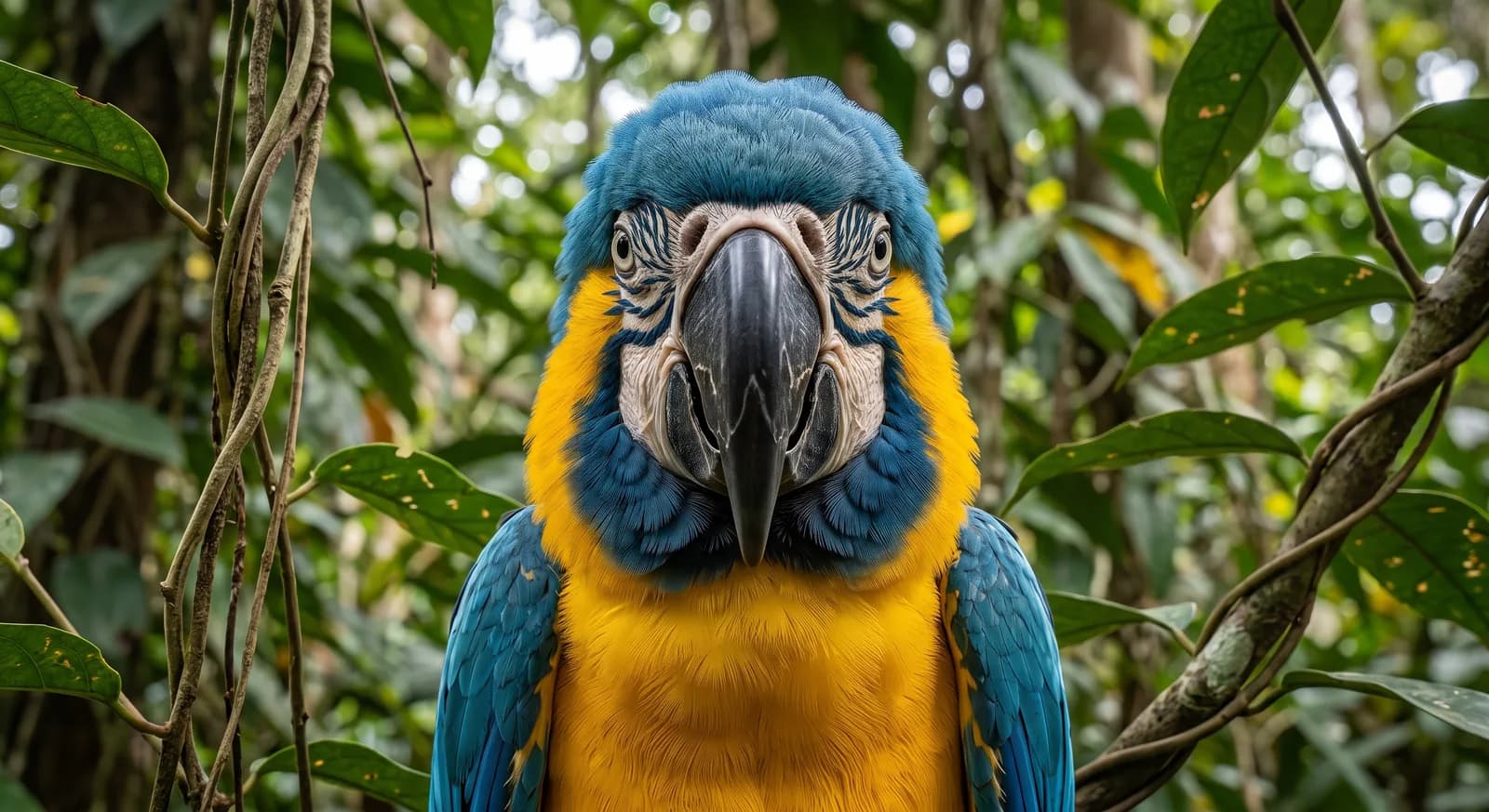 Least Concern
Blue-And-Yellow Macaw
Ara ararauna
Yellow-Crowned Amazon
Amazona ochrocephala
Hyacinth Macaw
Anodorhynchus hyacinthinus
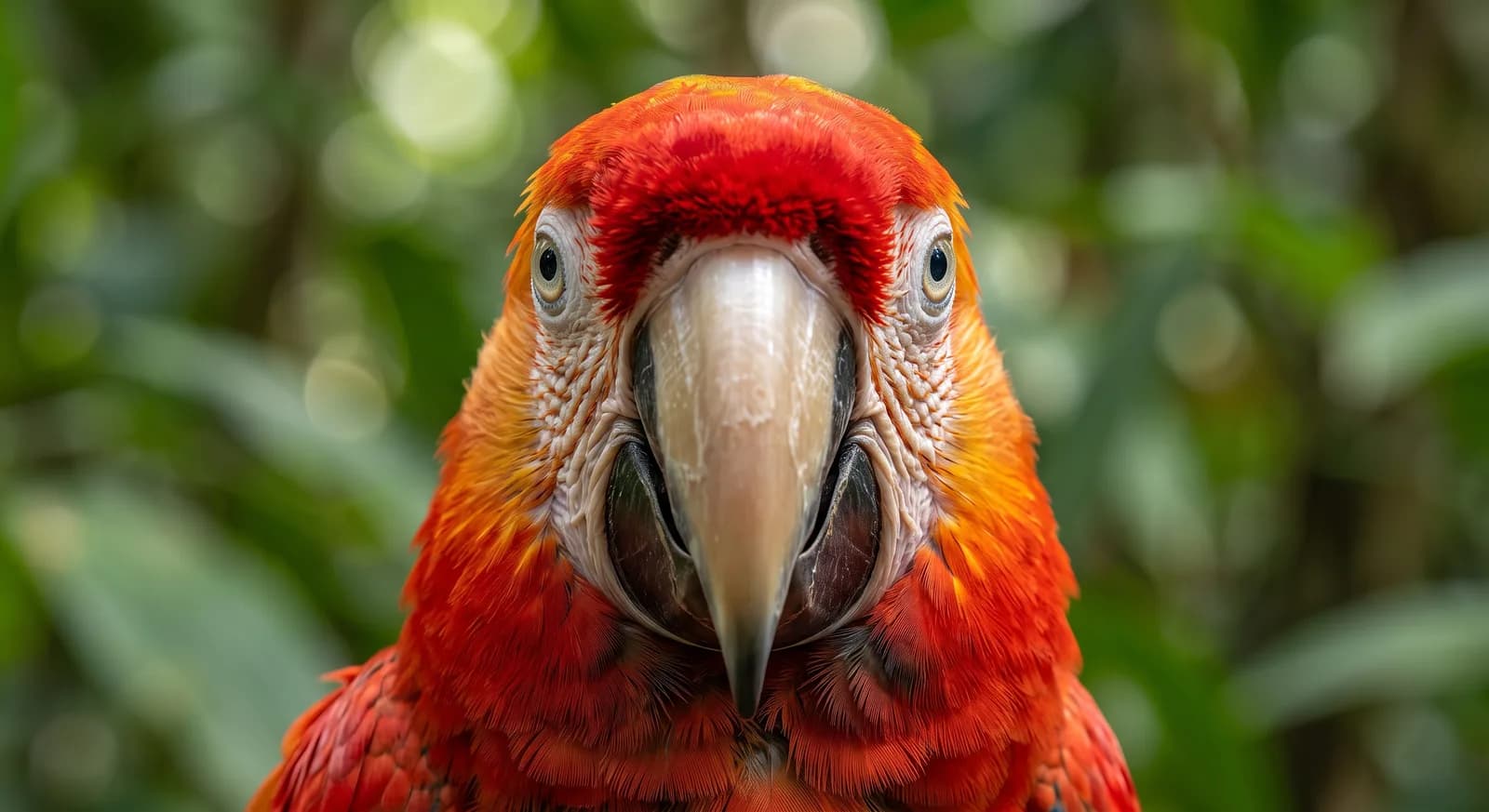 Least Concern
Scarlet Macaw
Ara macao
How to help
The military macaw is classified as vulnerable. Organizations such as UICN, WWF y Wildlife Conservation Society work specifically on its conservation and that of its habitat; looking into their programs is a good starting point if you want to get involved.
It's documented in 10 real protected areas — part of why protecting these places matters for its conservation.
Keep exploring
Based on what we already know about military macaw.
Comments
Share an experience, a fun fact or a tip for seeing the military macaw.
Be the first to comment.