One of the 6 parrots on WAnimals
Birds · Psittaciformes · Psittacidae
Tucuman Amazon
Amazona tucumana
It faces a high risk of extinction in the wild over the medium term. See full glossary
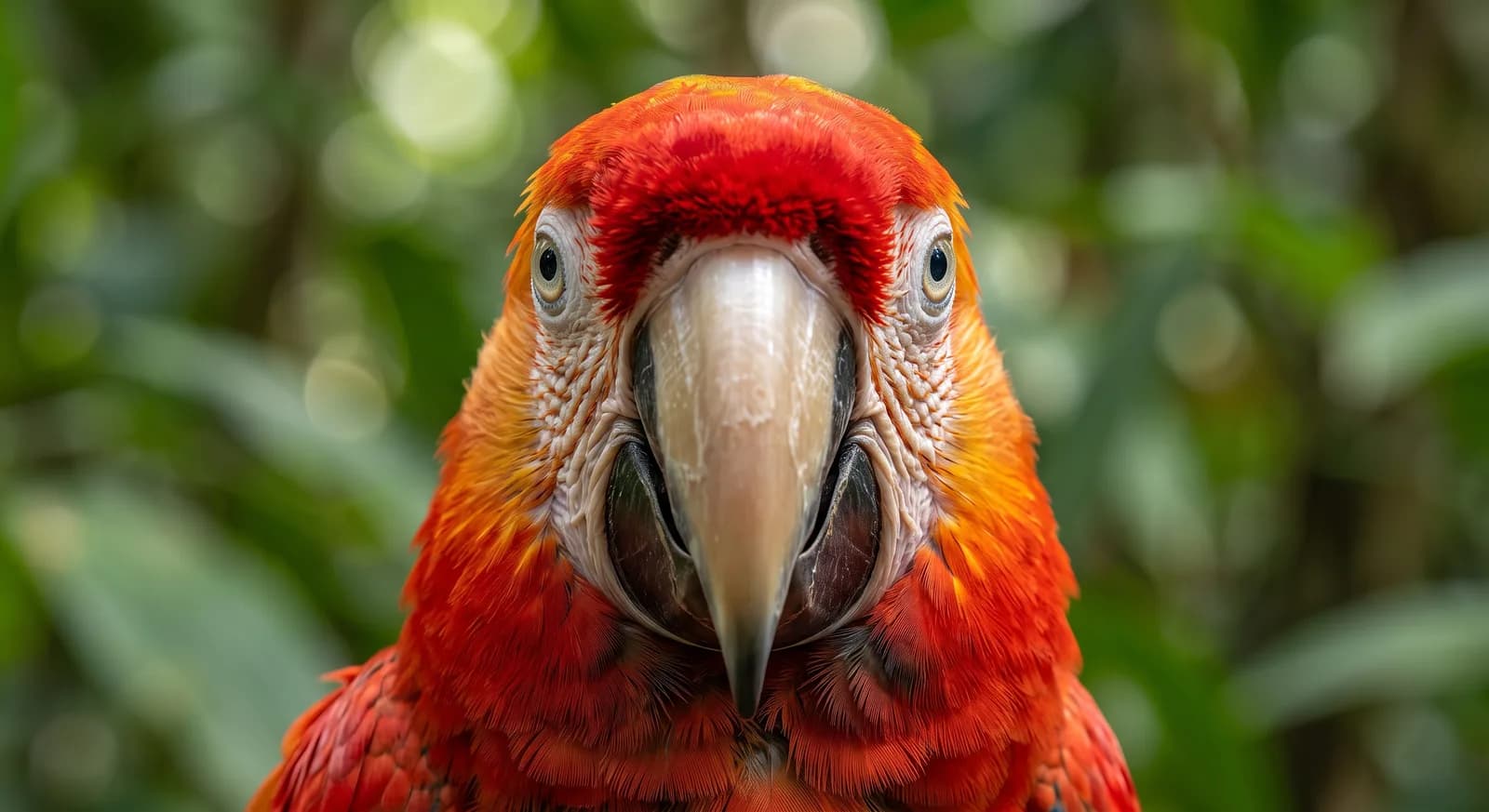
The Tucumán amazon is a small green amazon with a red forehead and white eye-rings, endemic to the yungas of north-western Argentina and southern Bolivia. It depends on the montane forests of alder and pino del cerro (Podocarpus parlatorei), where it nests in the holes of old trees and feeds on podocarp seeds. The taking of chicks for the pet trade and the logging of highland forest have reduced it markedly.
Weight
230 g – 280 g
Size
30 cm – 32 cm
Lifespan
30 years
Diet
Herbivore
Feeds mainly on plants.
Activity
Diurnal
Active mainly during the day.
Sighting difficulty
Moderate
Fun facts
- It makes seasonal altitudinal movements within the yungas: it moves up and down in elevation following the ripening of alder and pino del cerro seed, rather than migrating horizontally like other birds.
- Argentina was exporting tens of thousands of birds a year in the 1980s for the pet trade, before the species entered the international protection lists.
Life cycle & biology
- Skeleton type
- Vertebrate - internal bony skeleton (bird)
- Habitat & environment
- Cloud forest of alder and pino del cerro in the yungas of north-western Argentina and southern Bolivia
- Sexual maturity
- 3 years
- Gestation / incubation
- 25 days of incubation
- Litter / clutch size
- 3 eggs
Sources consulted: https://es.wikipedia.org/wiki/Amazona_tucumana
Where to watch it
Parks and dive sites where this species has been documented.
Related species
Other species in the catalogue with the most in common with Tucuman Amazon — same habitat, park, country, tags or family.
Military Macaw
Ara militaris
Yellow-Crowned Amazon
Amazona ochrocephala
 Least Concern
Scarlet Macaw
Ara macao
Turquoise-fronted Amazon
Amazona aestiva
Northern Pygmy Marmoset
Cebuella pygmaea
Red-Footed Tortoise
Chelonoidis carbonarius
How to help
The tucuman amazon is classified as vulnerable. Organizations such as UICN, WWF y Wildlife Conservation Society work specifically on its conservation and that of its habitat; looking into their programs is a good starting point if you want to get involved.
It's documented in 6 real protected areas — part of why protecting these places matters for its conservation.
Keep exploring
Based on what we already know about tucuman amazon.
Comments
Share an experience, a fun fact or a tip for seeing the tucuman amazon.
Be the first to comment.