One of the 3 marmosets on WAnimals
Mammals · Primates · Callitrichidae
Northern Pygmy Marmoset
Cebuella pygmaea
It faces a high risk of extinction in the wild over the medium term. See full glossary
The pygmy marmoset is the smallest monkey in the world: an adult fits in the palm of a hand. It lives in the western Amazon, always close to watercourses, in family groups of between two and nine individuals. Its dietary speciality is gum: it opens holes in the bark of particular trees with adapted lower incisors and returns to them day after day to lick the oozing sap. It rounds out its diet with insects, nectar and small fruit.
Weight
85 g – 140 g
Size
12 cm – 16 cm
Lifespan
12 years
Diet
Herbivore
Feeds mainly on plants.
Activity
Diurnal
Active mainly during the day.
Social structure
Family group
Lives in small family groups with close bonds.
Sighting difficulty
Moderate
Fun facts
- GeneralThe smallest monkey in the world, at some 100 grams; it feeds on tree gum.
- It is the smallest monkey on the planet: it weighs little more than a hundred grams, less than an apple.
- Its neck is so flexible that it can turn its head 180 degrees while clinging vertically to a trunk, which lets it watch for predators without changing position.
Life cycle & biology
- Skeleton type
- Vertebrate - internal bony skeleton (mammal)
- Habitat & environment
- Flooded and riverside forest of the Amazon
- Birth weight
- Born with its eyes open, clinging to its mother's fur from the first day
- Size at birth
- Born with its eyes open, clinging to its mother's fur from the first day
- Sexual maturity
- 22.5 months
- Gestation / incubation
- 4.1 months
- Litter / clutch size
- 2
Sources consulted: https://es.wikipedia.org/wiki/Cebuella_pygmaea
Where to find it
See its range on the interactive mapBest time: All year round in western Amazonia, by day; it is found on trunks by the rows of holes it gouges to extract gum.
Where to watch it
Parks and dive sites where this species has been documented.
Related species
Other species in the catalogue with the most in common with Northern Pygmy Marmoset — same habitat, park, country, tags or family.
Emperor Tamarin
Saguinus imperator
 Vulnerable
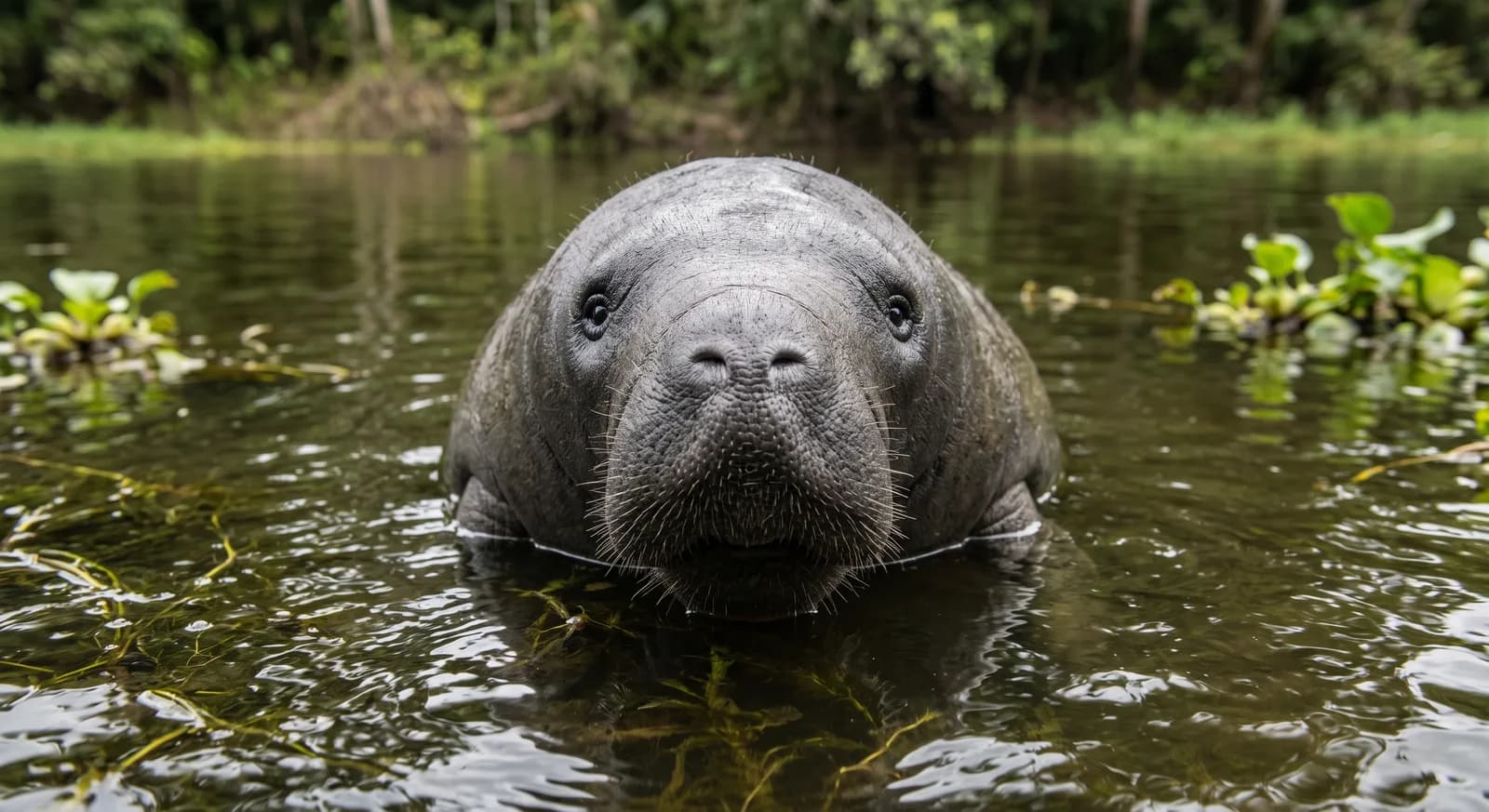
Amazonian Manatee
Trichechus inunguis
White Bald-headed Uakari
Cacajao calvus
 Vulnerable
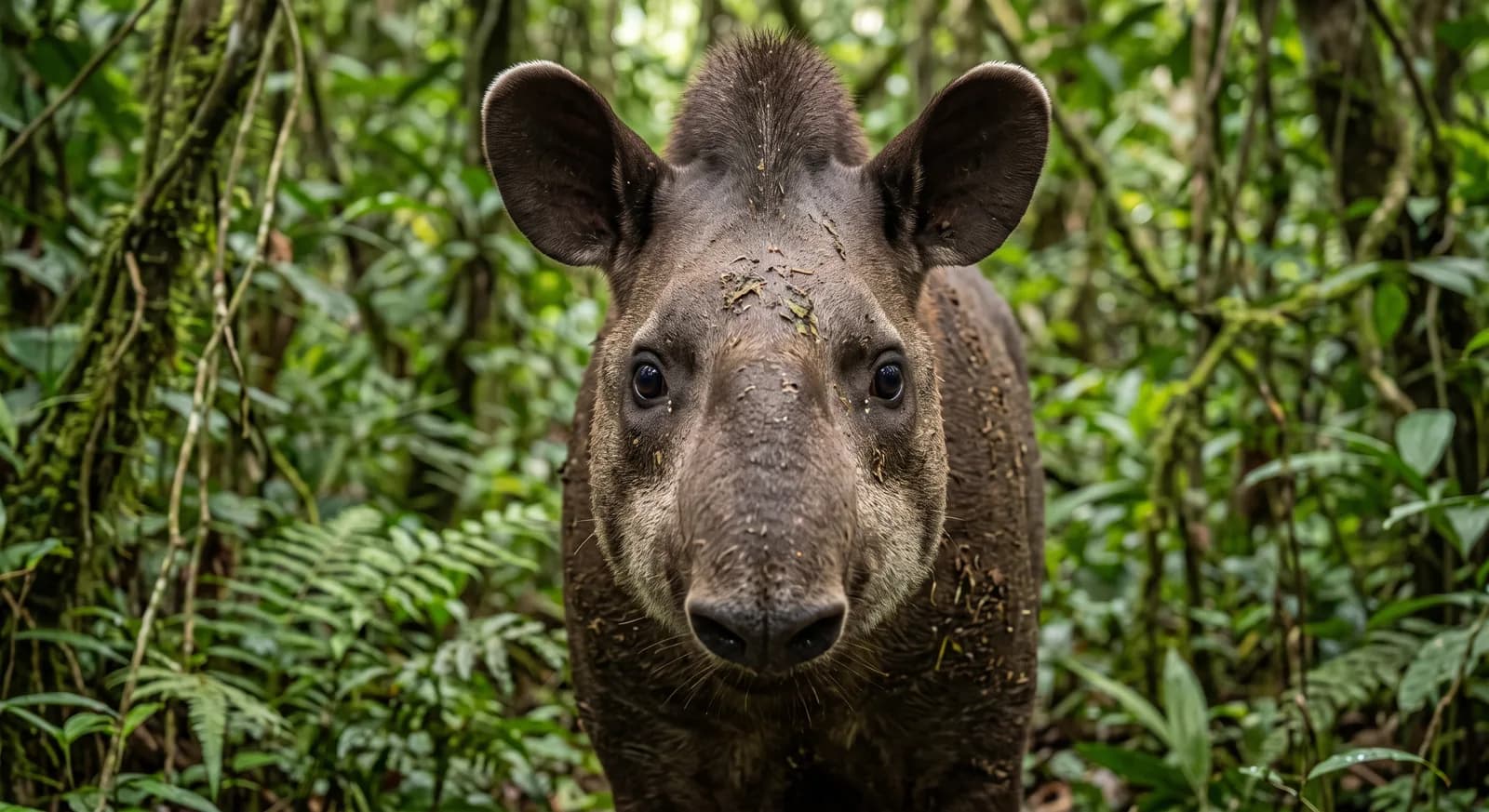
Lowland Tapir
Tapirus terrestris
 Vulnerable
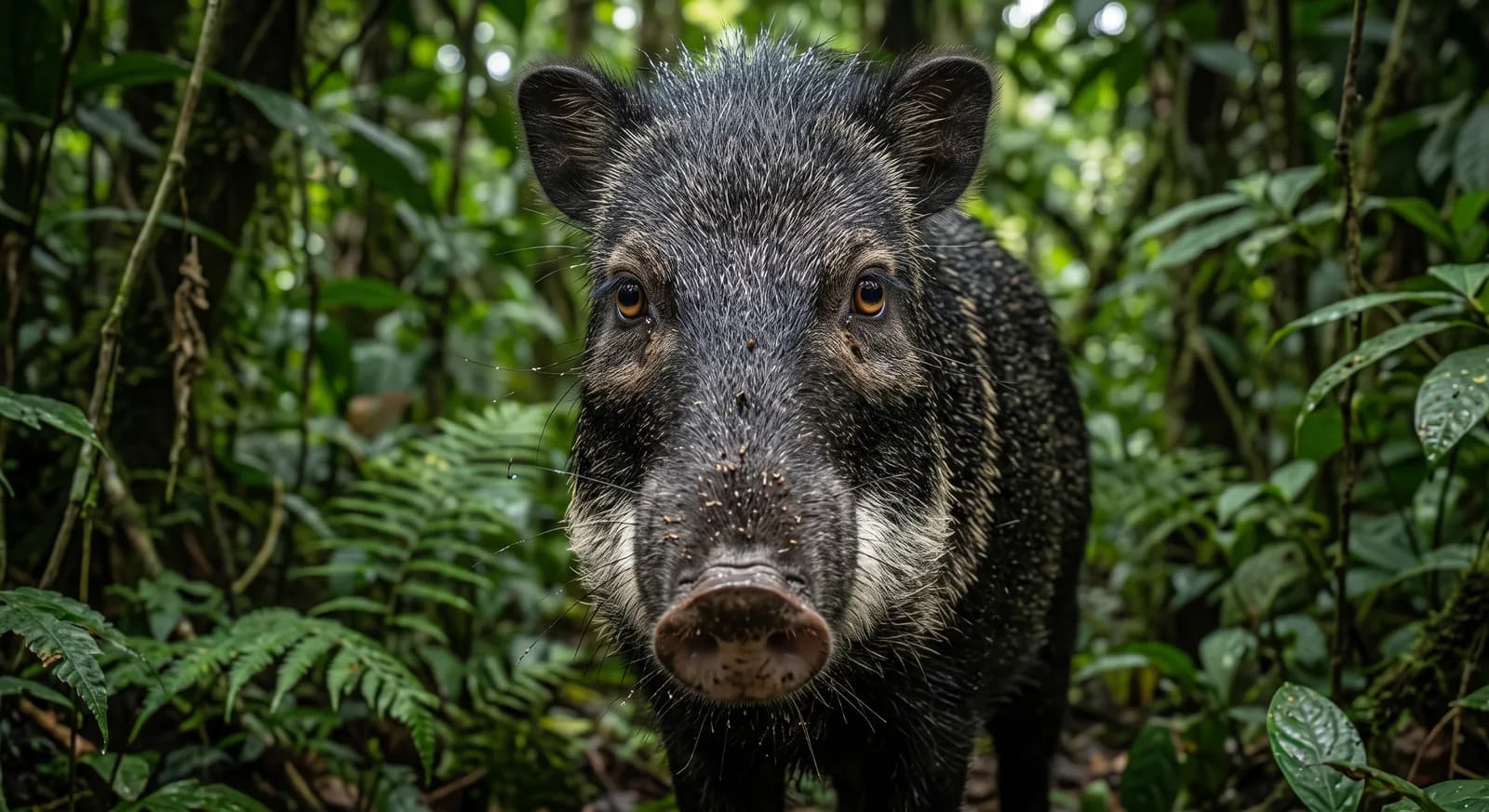
White-Lipped Peccary
Tayassu pecari
 Vulnerable
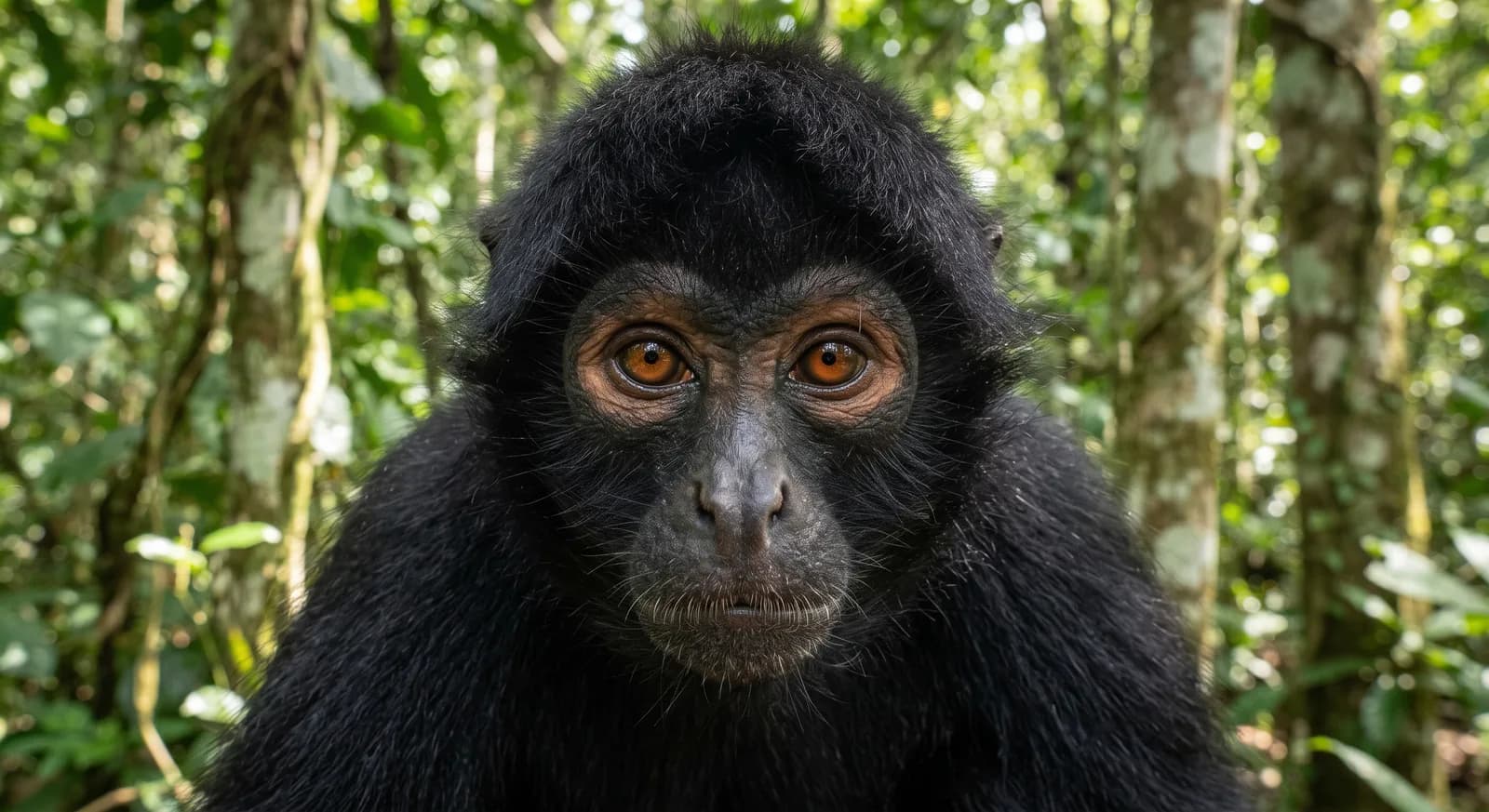
Red-faced Black Spider Monkey
Ateles paniscus
How to help
The northern pygmy marmoset is classified as vulnerable. Organizations such as UICN, WWF y Wildlife Conservation Society work specifically on its conservation and that of its habitat; looking into their programs is a good starting point if you want to get involved.
It's documented in 8 real protected areas — part of why protecting these places matters for its conservation.
Keep exploring
Based on what we already know about northern pygmy marmoset.
Comments
Share an experience, a fun fact or a tip for seeing the northern pygmy marmoset.
Be the first to comment.