One of the 18 monkeys on WAnimals
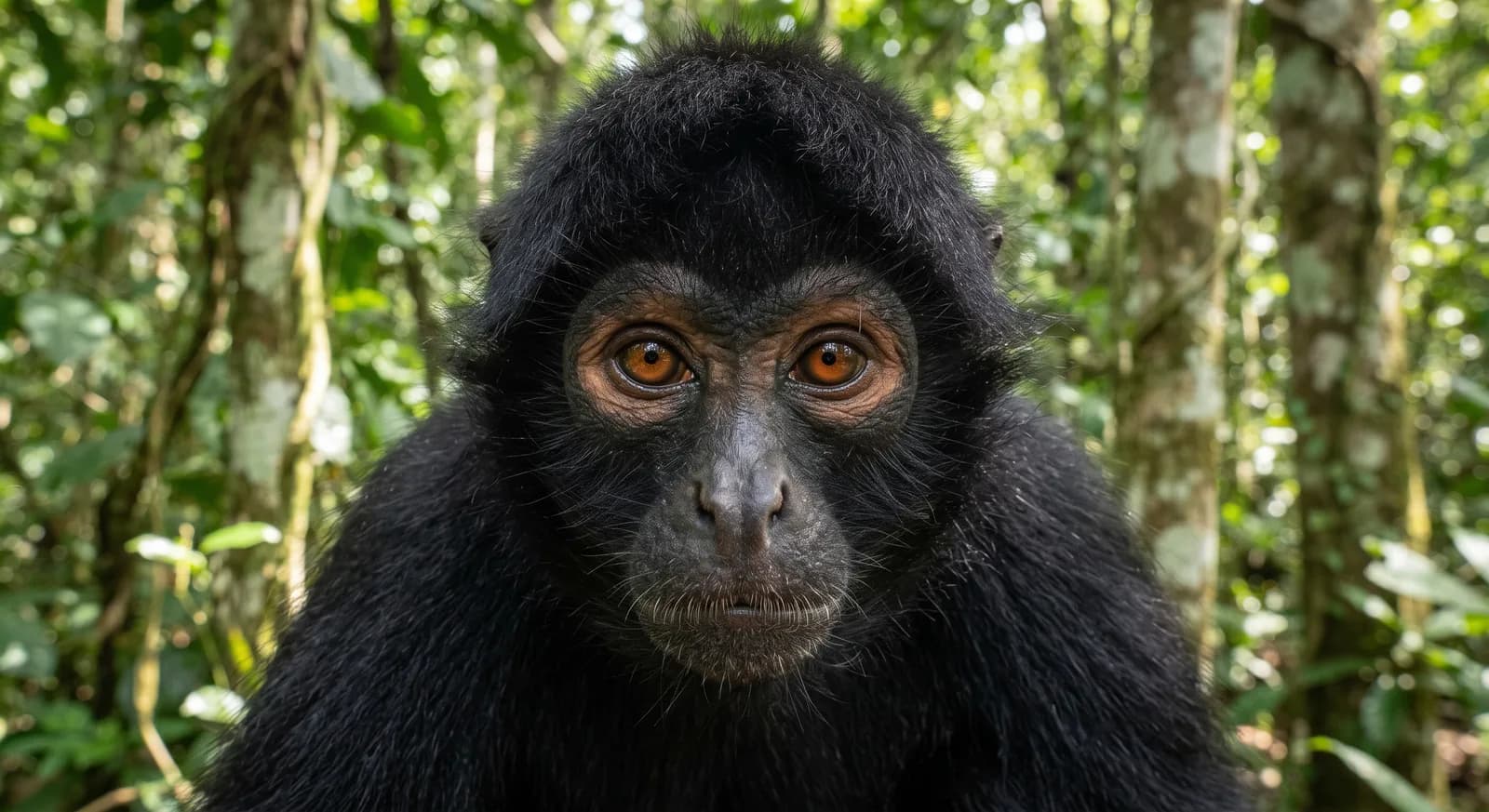
Mammals · Primates · Atelidae
Red-faced Black Spider Monkey
Ateles paniscus
It faces a high risk of extinction in the wild over the medium term. See full glossary
It is one of the slowest-breeding primates in the world, with females giving birth only every three or four years. Its prehensile tail, longer than its own body, works as a fifth limb able to take its whole weight.
Weight
7 kg – 9 kg
Size
35 cm – 66 cm
Lifespan
20 years
Diet
Frugivore
Feeds mainly on fruit.
Activity
Diurnal
Active mainly during the day.
Social structure
Family group
Lives in small family groups with close bonds.
Sighting difficulty
Moderate
Fun facts
- It is one of the slowest-breeding primates, with three or four years between births.
- Its prehensile tail, longer than its body, works as a fully functional fifth limb.
- It eats almost nothing but ripe fruit from the forest canopy.
Life cycle & biology
- Skeleton type
- Vertebrate - internal bony skeleton (mammal)
- Habitat & environment
- Undisturbed primary tropical forest of northern South America
- Birth weight
- 452.5 grams
- Size at birth
- Well developed, clinging to its mother's belly from birth
- Sexual maturity
- 4-5 years
- Gestation / incubation
- 226-232 days (~7.5 months)
- Litter / clutch size
- 1 young, with 3-4 years between births, among the longest intervals of any primate
- Lifespan in captivity
- Documented record of up to 40-46 years in captivity
Sources consulted: Animal Diversity Web; AnAge; New England Primate Conservancy; WWF; UCSD Placentation Database; Website of Everything; IFAW
Where to find it
See its range on the interactive mapWhere to watch it
Parks and dive sites where this species has been documented.
Related species
Other species in the catalogue with the most in common with Red-faced Black Spider Monkey — same habitat, park, country, tags or family.
Peruvian Yellow-tailed Woolly Monkey
Lagothrix flavicauda
Black Spider Monkey
Ateles chamek
Common Woolly Monkey
Lagothrix lagothricha
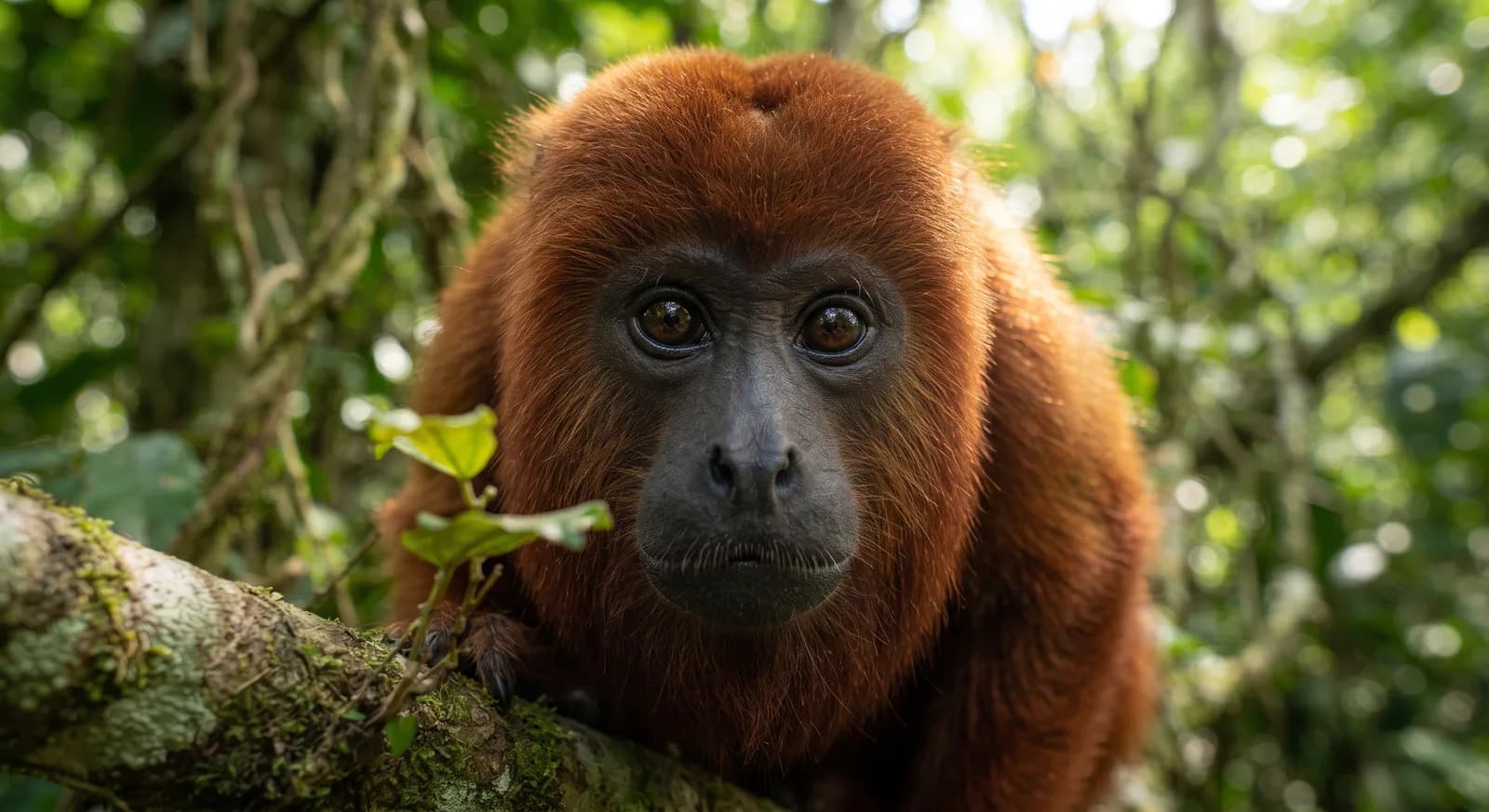 Least Concern
Colombian Red Howler Monkey
Alouatta seniculus
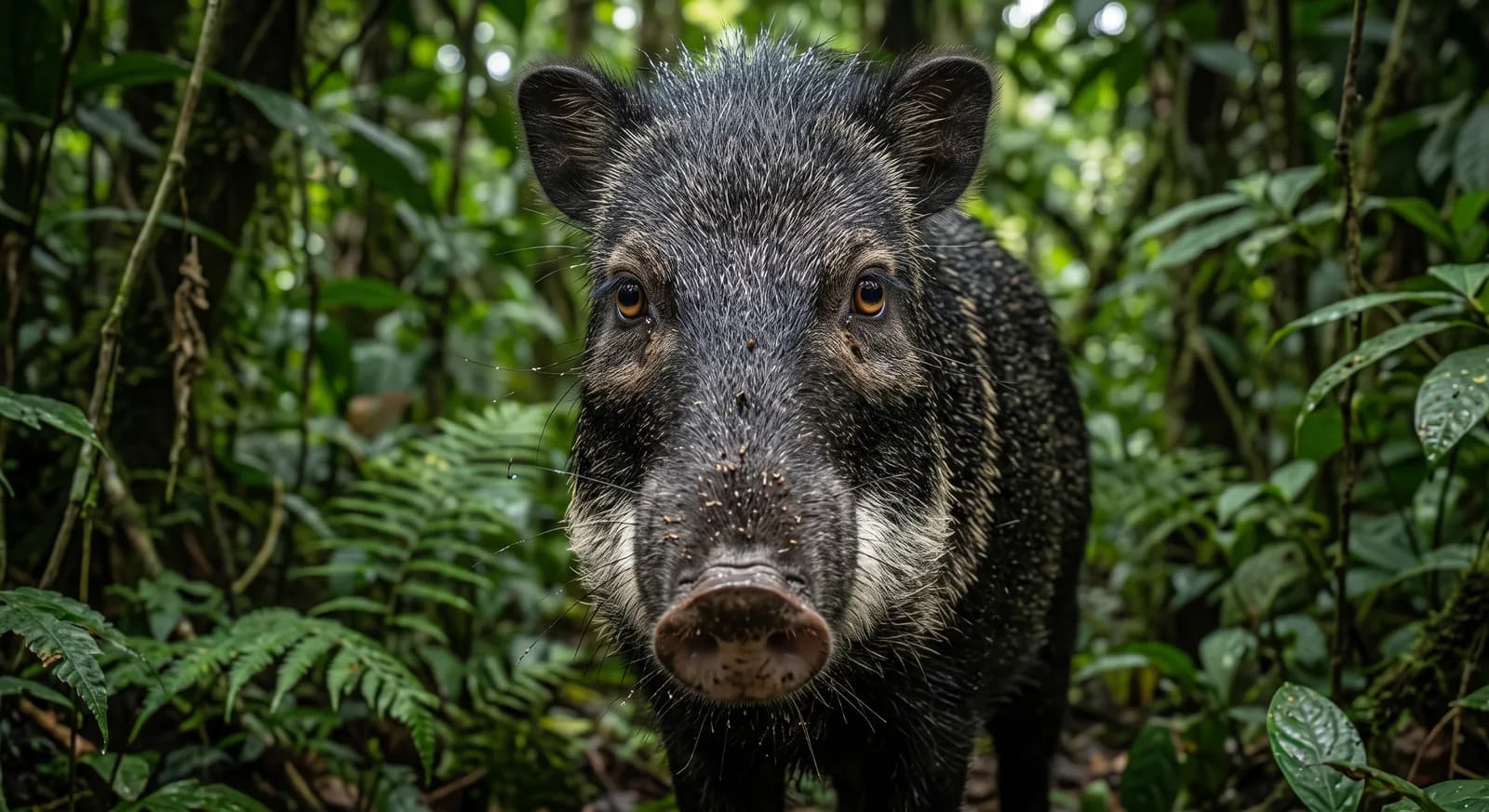 Vulnerable
White-Lipped Peccary
Tayassu pecari
Northern Pygmy Marmoset
Cebuella pygmaea
How to help
The red-faced black spider monkey is classified as vulnerable. Organizations such as UICN, WWF y Wildlife Conservation Society work specifically on its conservation and that of its habitat; looking into their programs is a good starting point if you want to get involved.
It's documented in 8 real protected areas — part of why protecting these places matters for its conservation.
Keep exploring
Based on what we already know about red-faced black spider monkey.
Comments
Share an experience, a fun fact or a tip for seeing the red-faced black spider monkey.
Be the first to comment.