Cotopaxi
It protects the highest symmetrical active volcano in the world; the setting of Humboldt's first scientific expeditions in 1802
Area
330 km²
Declared in
1975
Region
Andes (central highlands)
Climate
Tropical, Árido / desértico, Montañoso
Best time
June to September
Highlight
It protects the highest symmetrical active volcano in the world; the setting of Humboldt's first scientific expeditions in 1802
Declared in 1975, it protects the Cotopaxi volcano (5,897 m), reckoned the highest perfectly symmetrical conical active volcano in the world. It was studied as early as 1802 by the Prussian naturalist Alexander von Humboldt during his historic American expedition, which documented its activity and helped popularise scientific interest in Andean volcanoes across Europe. After almost 140 years of relative quiet, Cotopaxi returned to eruptive activity in 2015, forcing the temporary closure of the park on safety grounds before its gradual reopening.
Location
See on the interactive map16 species documented in Cotopaxi
At conservation risk:Cóndor andino,Oso de anteojos,Águila poma,Guacamayo militar,Oncilla
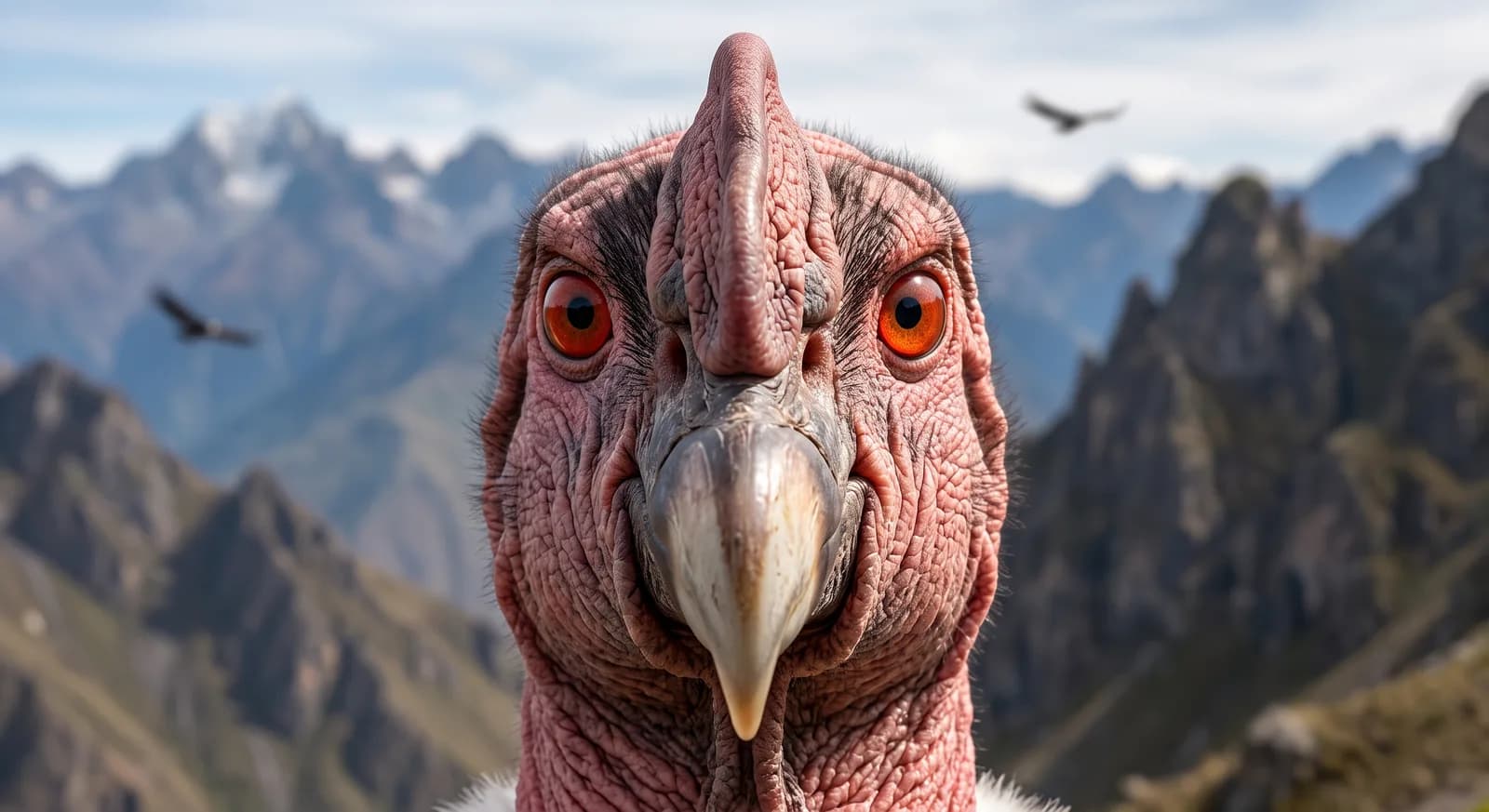 Vulnerable
Cóndor andino
Vultur gryphus
Cernícalo americano
Falco sparverius
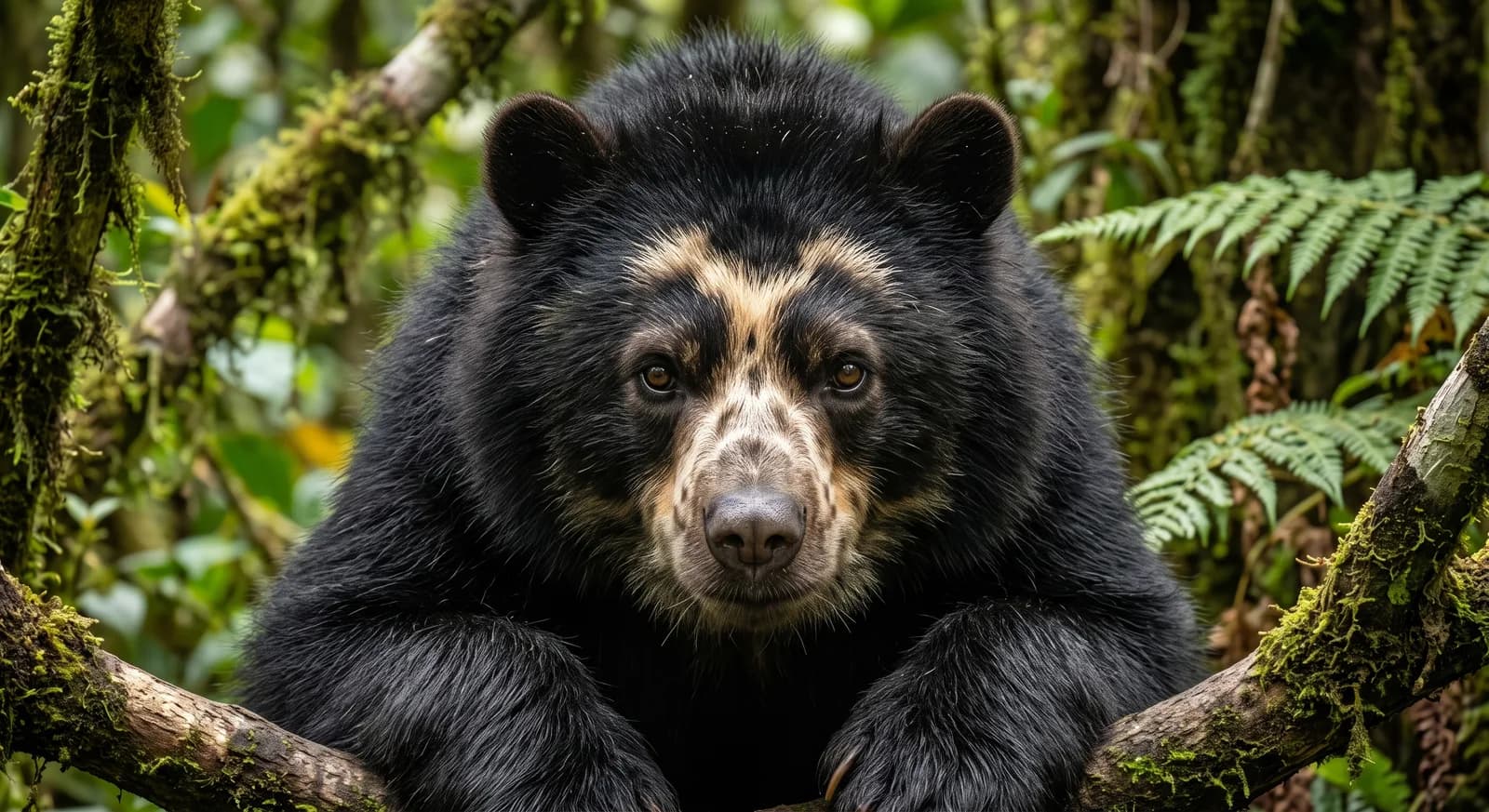 Vulnerable
Oso de anteojos
Tremarctos ornatus
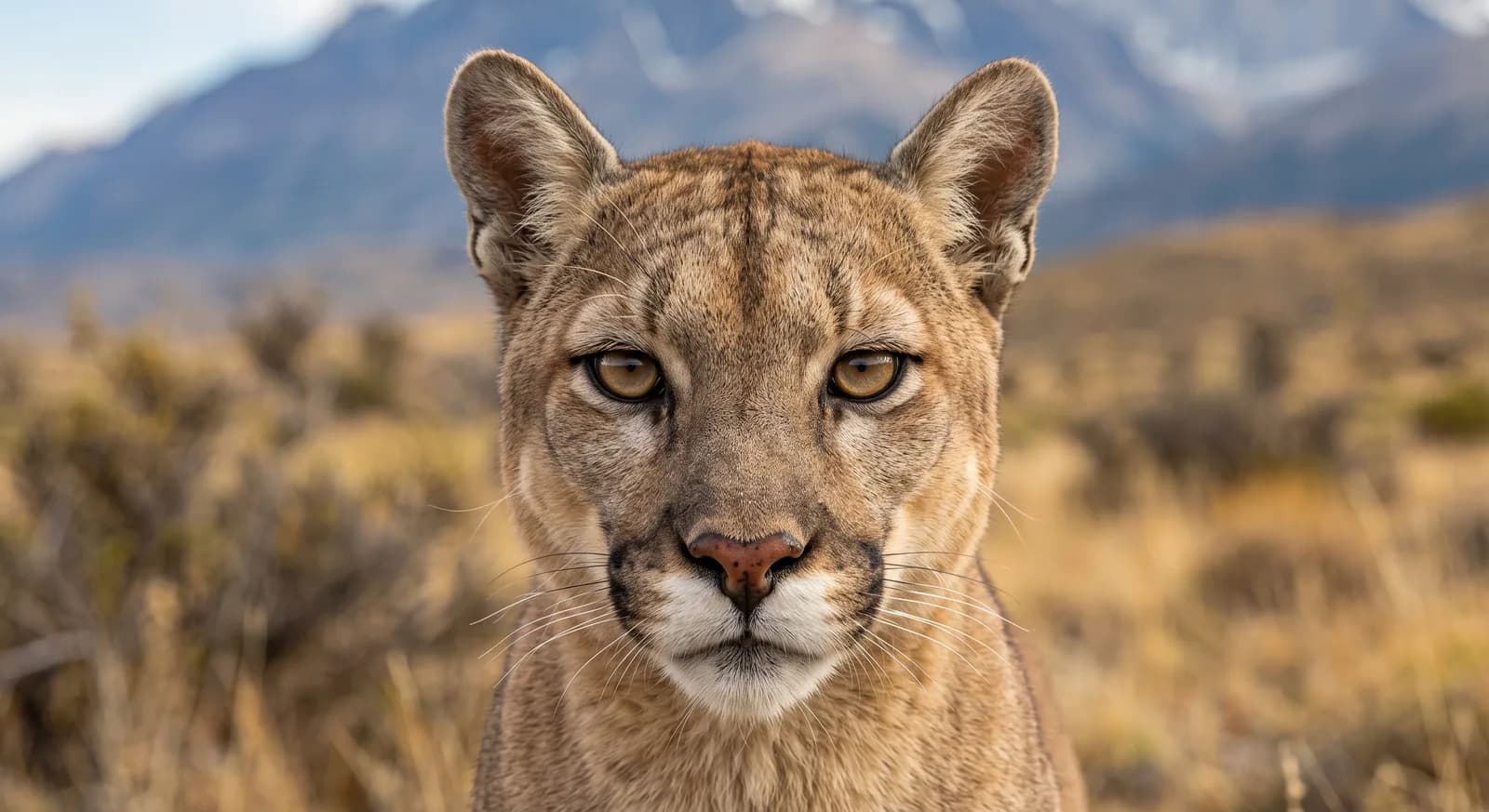 Least Concern
Puma
Puma concolor
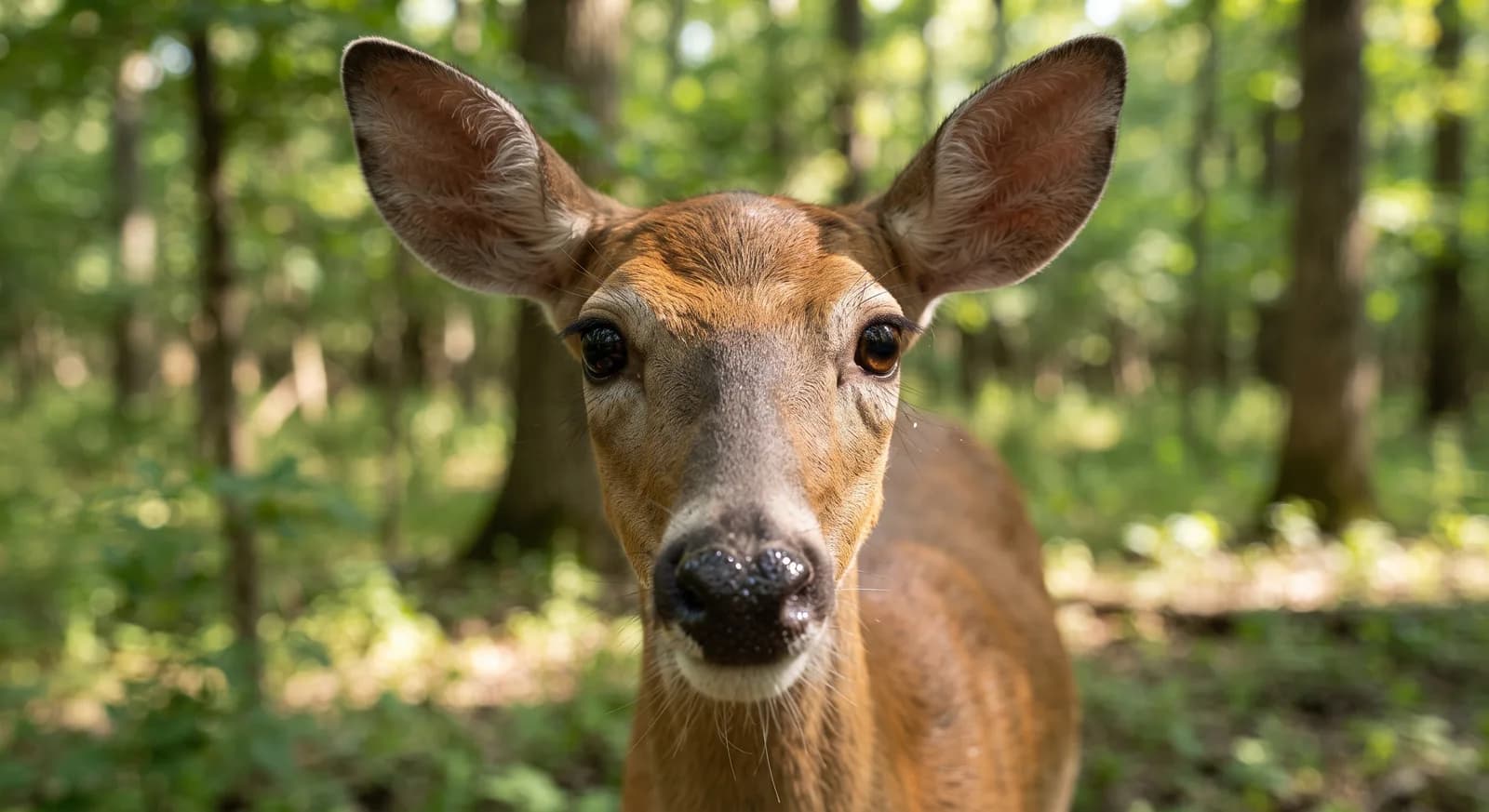 Least Concern
Venado de cola blanca
Odocoileus virginianus
Conejo de páramo
Sylvilagus brasiliensis
Gaviota andina
Chroicocephalus serranus
Águila poma
Spizaetus isidori
Colibrí gigante
Patagona gigas
Colibrí picoespada
Ensifera ensifera
Guacamayo militar
Ara militaris
Oncilla
Leopardus tigrinus
Flora and ecosystems
Ecosystems found in Ecuador, where Cotopaxi lies.
Experiences in this park
Similar parks
Which other parks are like this one?
Podocarpus
Ecuador
Spectacled bear · mountain tapir
Junio a septiembre
View parkMismo país: Ecuador
Yasuni
Ecuador
Jaguar · Spider Monkey
Junio a septiembre
View parkMismo país: Ecuador
Keep exploring
Based on what we already know about Cotopaxi.
Your rating
How many stars would you give Cotopaxi?
Comments
Share your experience visiting Cotopaxi, or a tip for other travellers.
Be the first to comment.