Sangay
Ecuador · Andes/Amazonia (Chimborazo/Morona Santiago)One of the few places on the planet with an unbroken ecological gradient from the Amazon up to Andean glaciers
Area
5,177 km²
Declared in
1975
Region
Andes/Amazonia (Chimborazo/Morona Santiago)
Climate
Tropical, Árido / desértico, Montañoso
Best time
June to September
Highlight
One of the few places on the planet with an unbroken ecological gradient from the Amazon up to Andean glaciers
Declared in 1975 and a UNESCO World Heritage Site since 1983, Sangay preserves an unbroken ecological transition from lowland Amazon rainforest up to the glaciers of three volcanoes — Sangay, Tungurahua and El Altar — with barely any human intervention across much of its extent, which UNESCO singles out as an exceptional case of complete altitudinal connectivity. Sangay itself is one of the most active volcanoes in Ecuador, in near-continuous eruption for decades, while neighbouring El Altar is in fact a collapsed ancient caldera whose remains form a spectacular crown of nine peaks around a central lake.
Location
See on the interactive map22 species documented in Sangay
At conservation risk:Oso de anteojos,Cóndor andino,Rana marsupial,Águila poma,Guacamayo militar,Loro orejiamarillo,Oncilla,Pudú del norte,Tapir andino
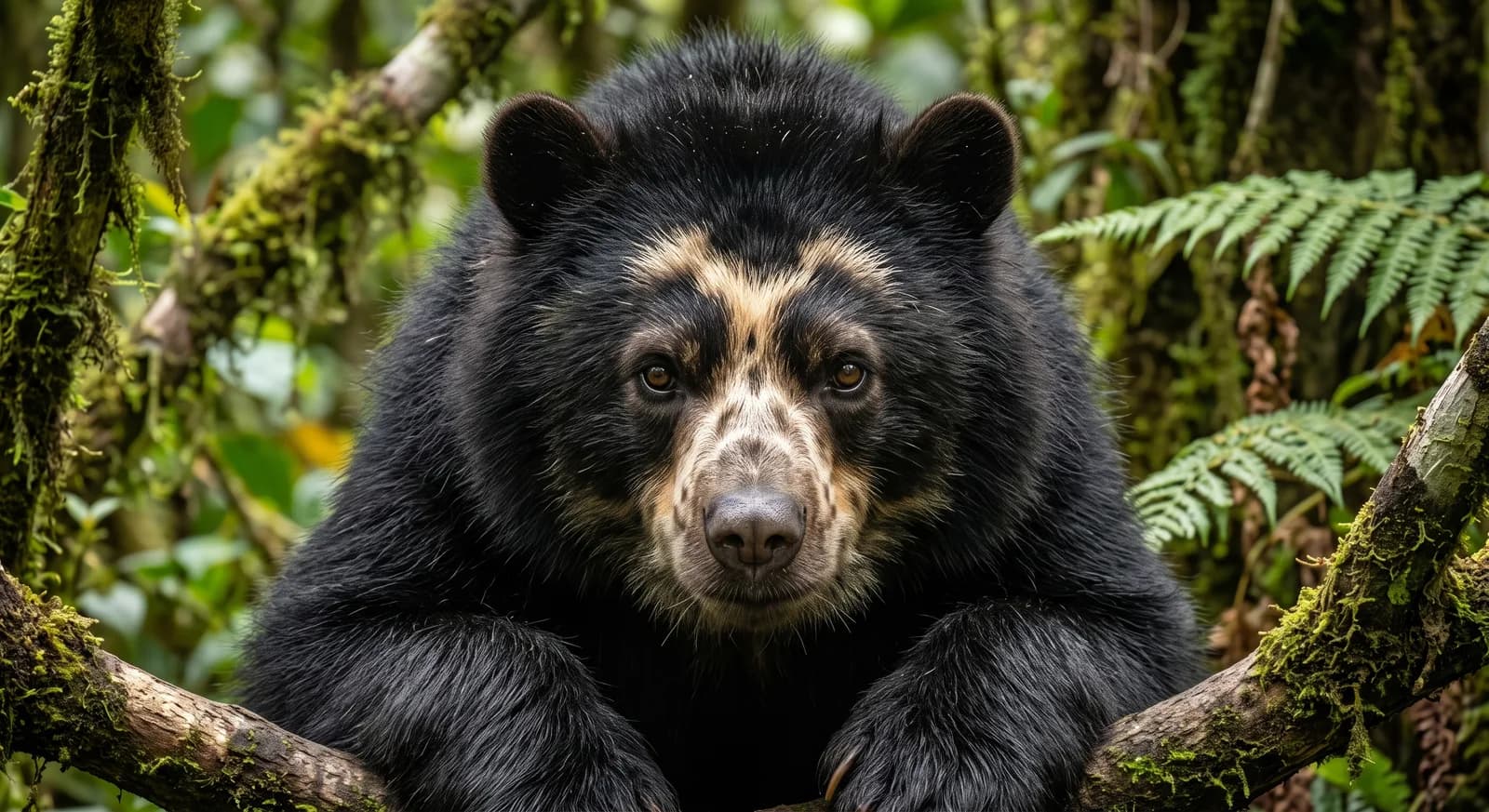 Vulnerable
Oso de anteojos
Tremarctos ornatus
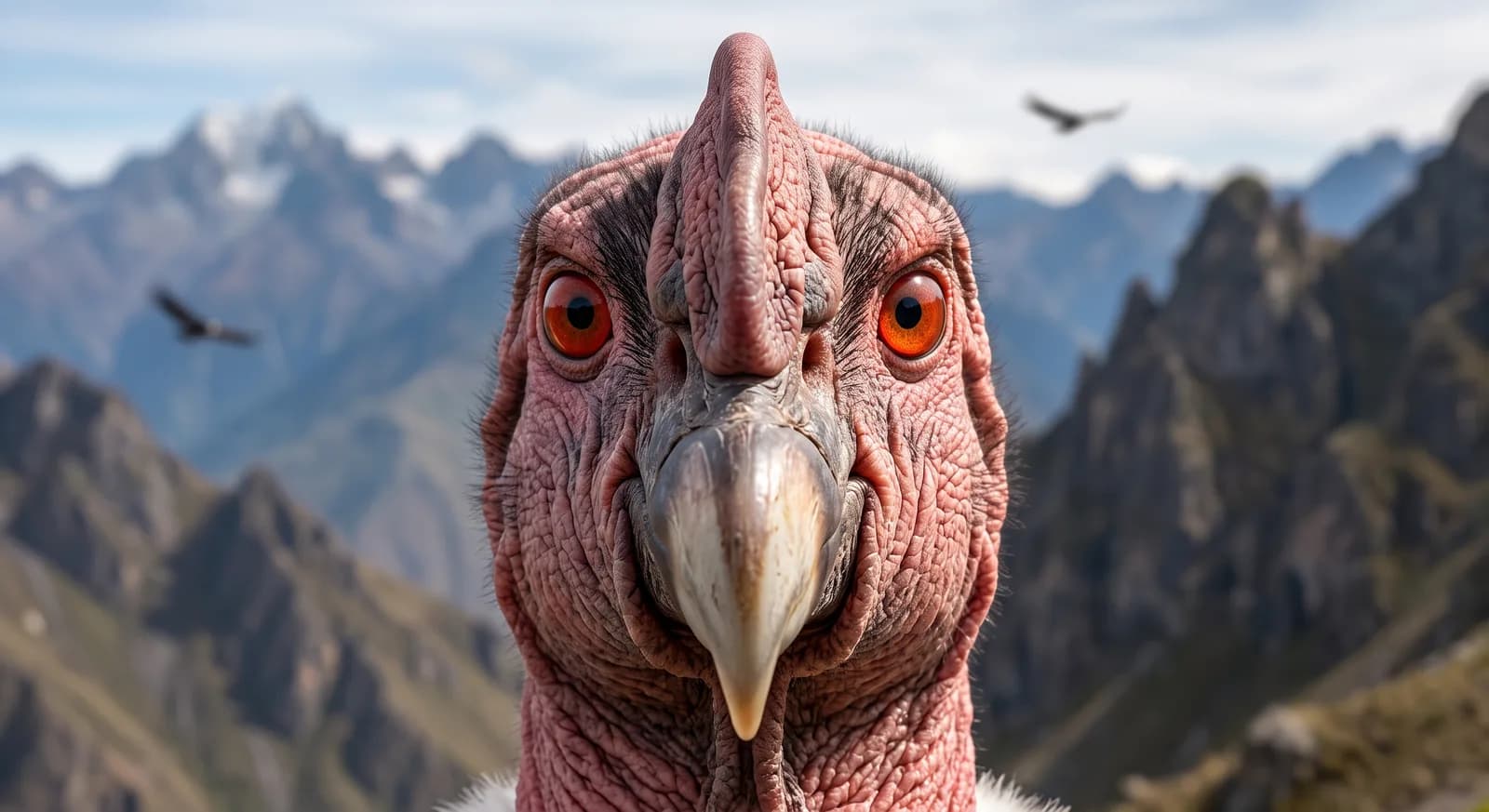 Vulnerable
Cóndor andino
Vultur gryphus
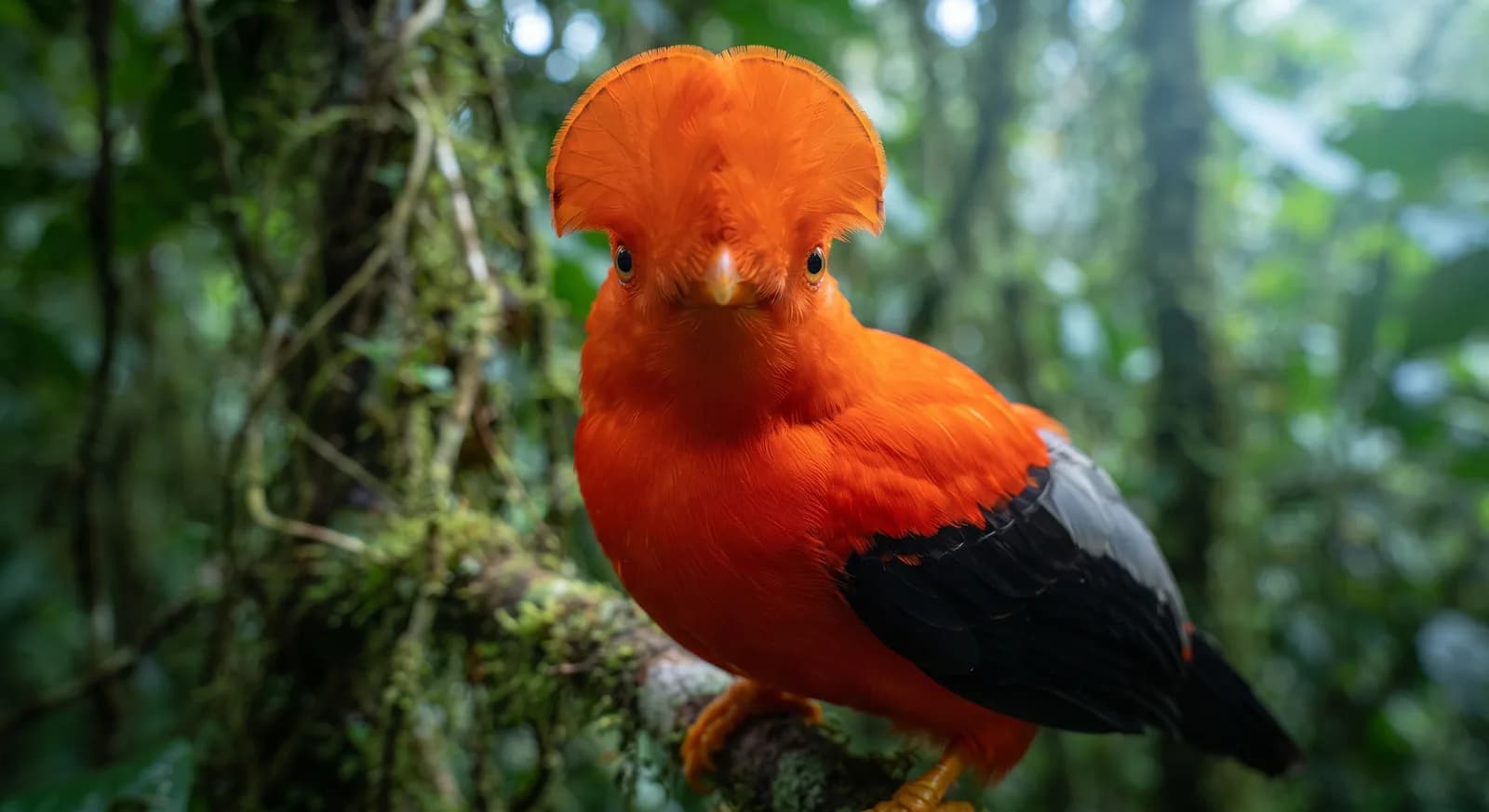 Least Concern
Gallito de las rocas andino
Rupicola peruvianus
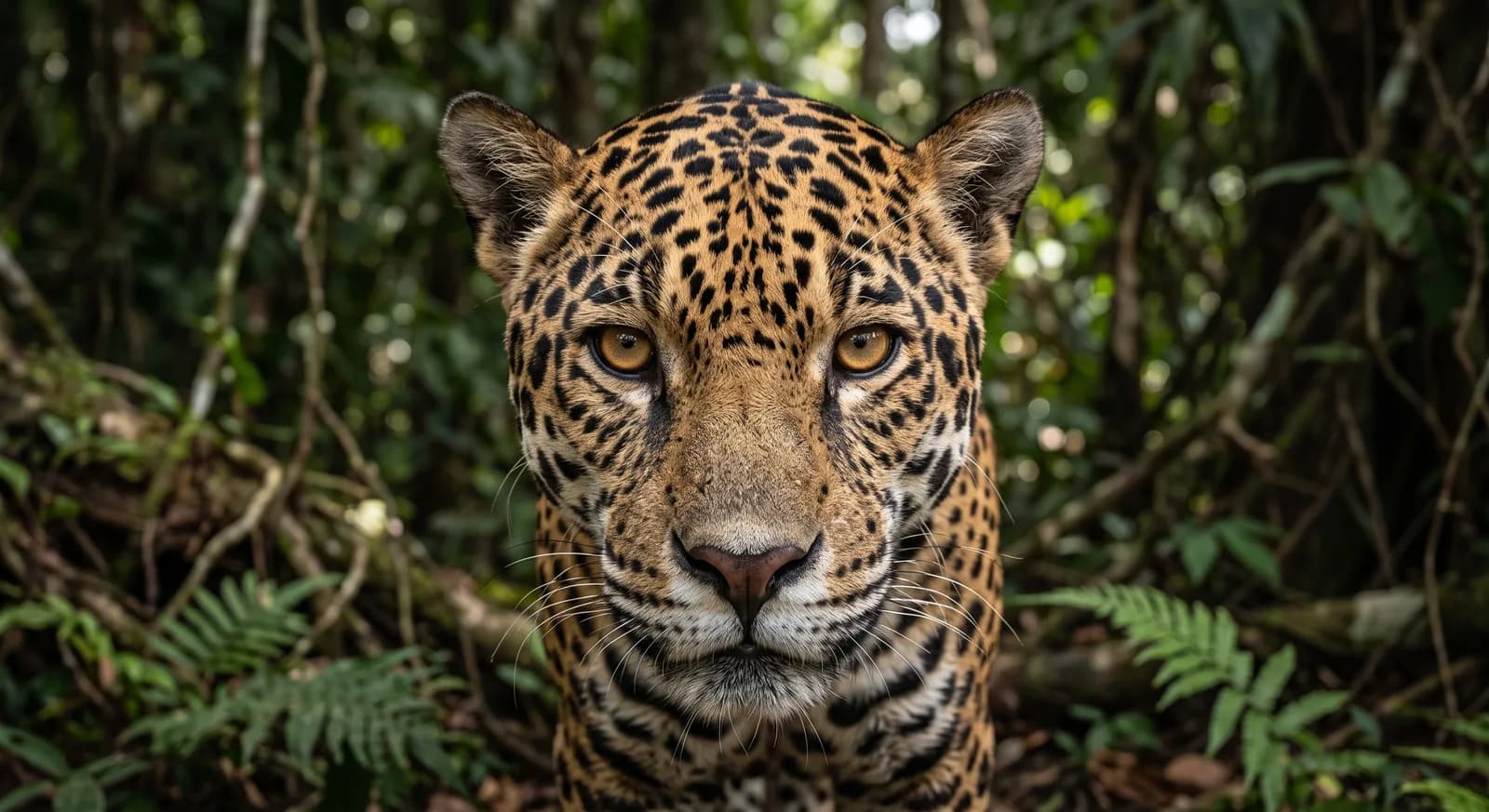 Near Threatened
Jaguar
Panthera onca
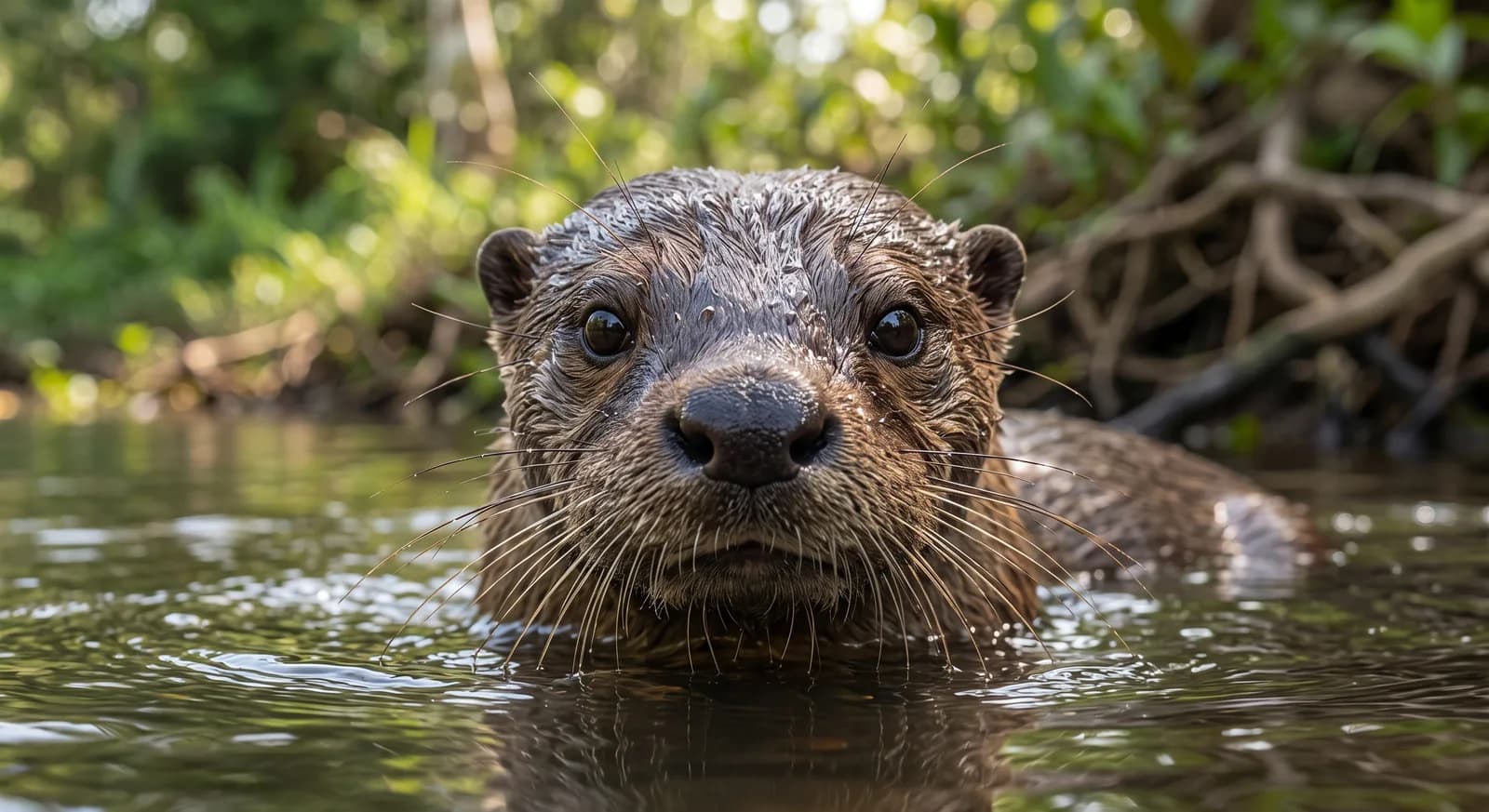 Near Threatened
Nutria neotropical
Lontra longicaudis
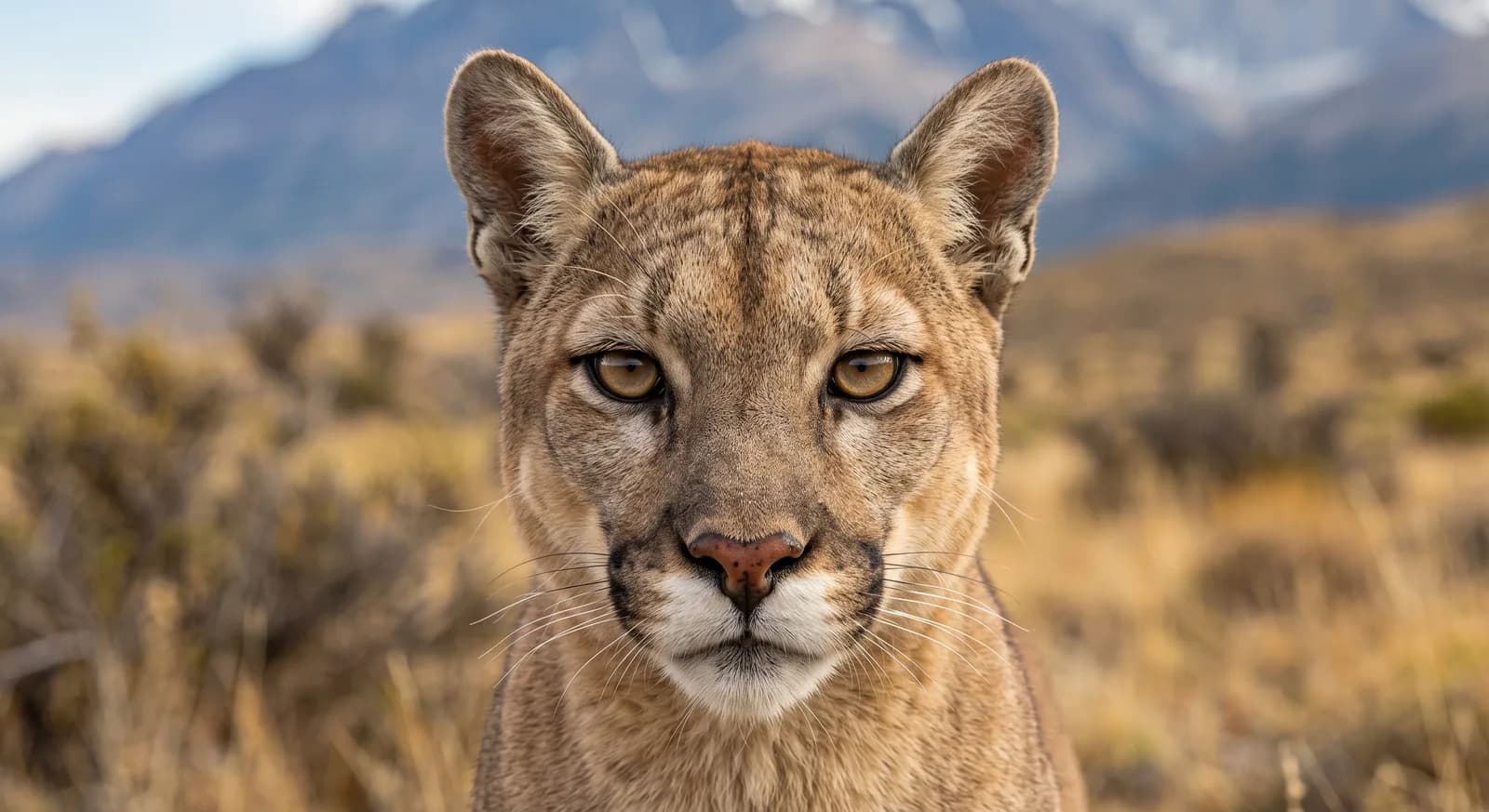 Least Concern
Puma
Puma concolor
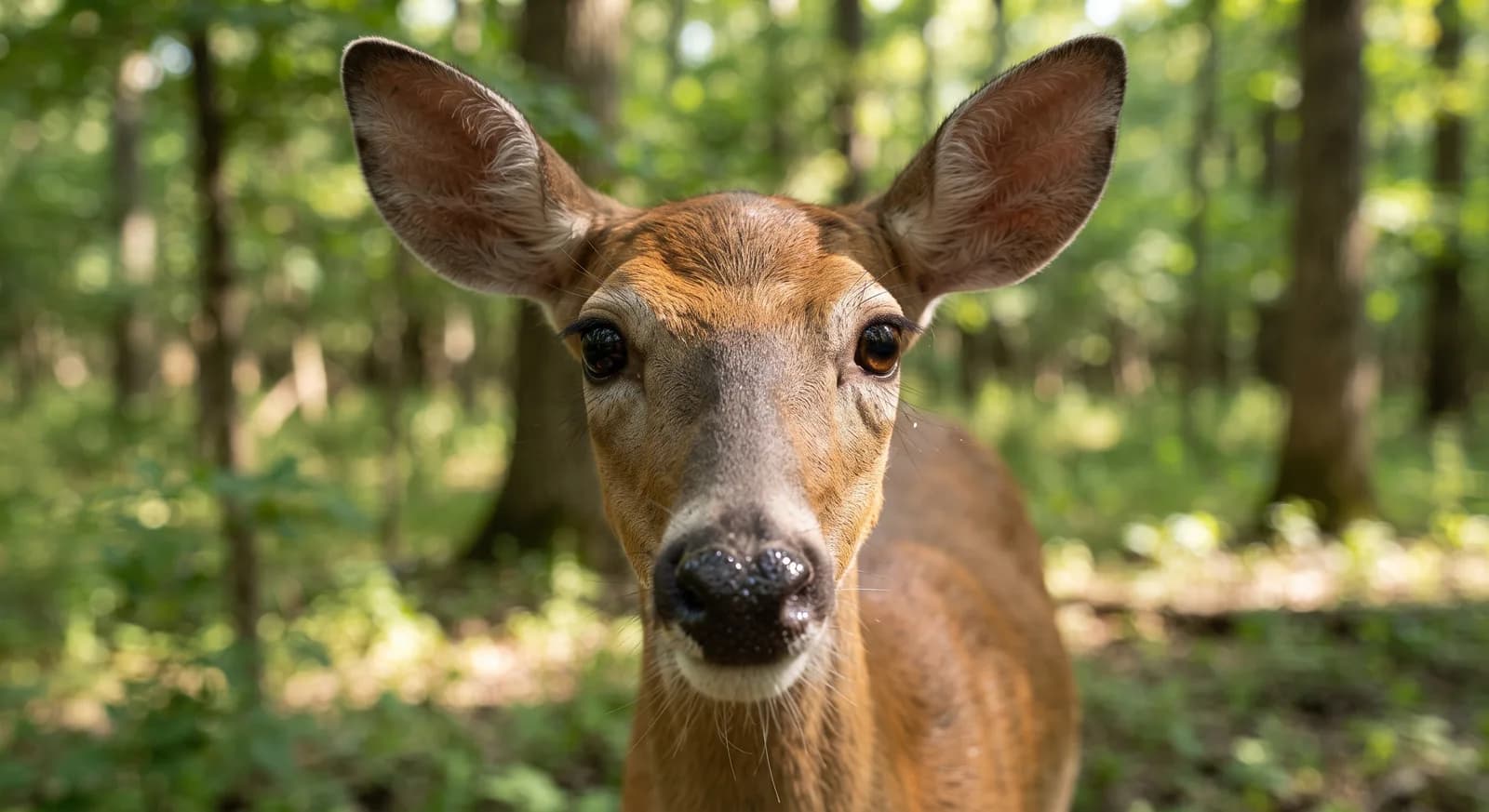 Least Concern
Venado de cola blanca
Odocoileus virginianus
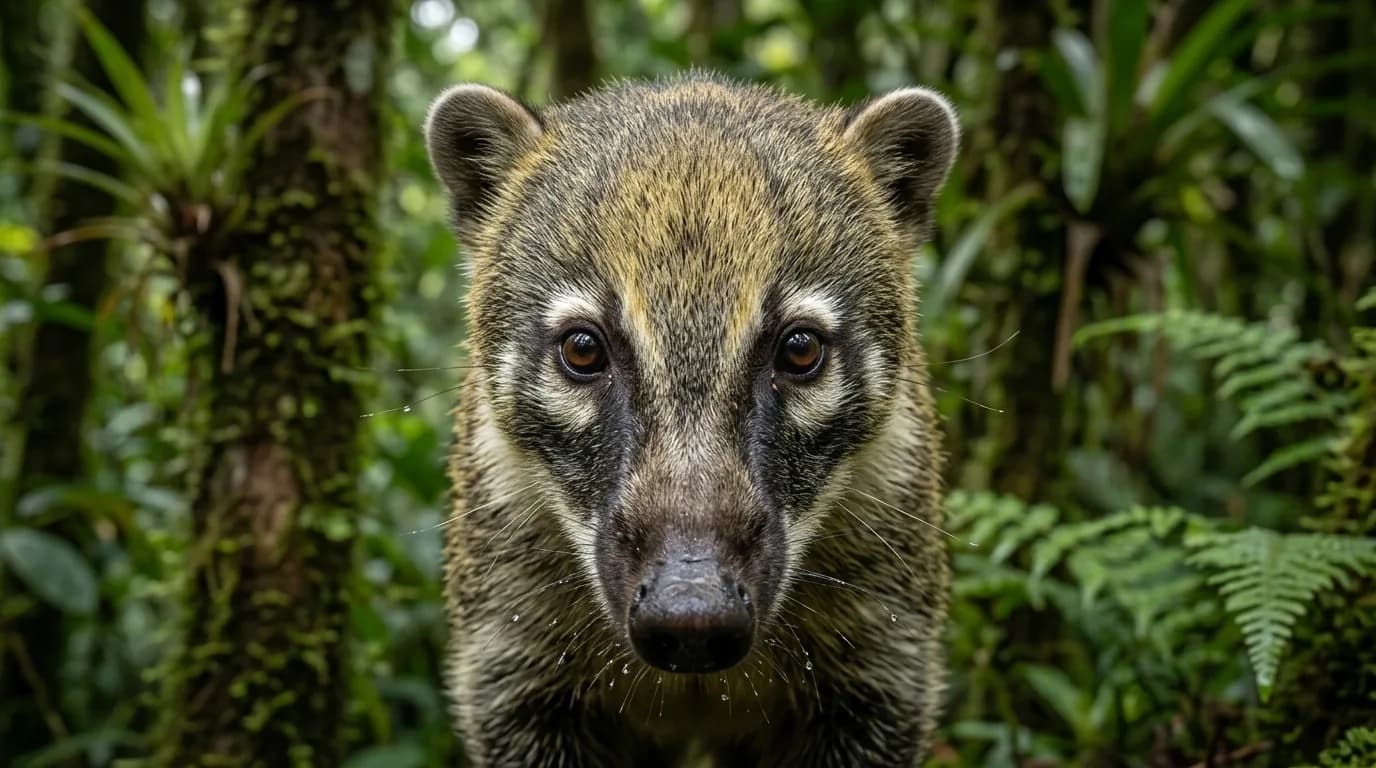 Near Threatened
Coatí andino
Nasua olivacea
Rana marsupial
Gastrotheca ovifera
Águila poma
Spizaetus isidori
Colibrí gigante
Patagona gigas
Colibrí picoespada
Ensifera ensifera
Flora and ecosystems
Ecosystems found in Ecuador, where Sangay lies.
Experiences in this park
Similar parks
Which other parks are like this one?
Podocarpus
Ecuador
Spectacled bear · mountain tapir
Junio a septiembre
View parkMismo país: Ecuador
Yasuni
Ecuador
Jaguar · Spider Monkey
Junio a septiembre
View parkMismo país: Ecuador
Keep exploring
Based on what we already know about Sangay.
Your rating
How many stars would you give Sangay?
Comments
Share your experience visiting Sangay, or a tip for other travellers.
Be the first to comment.