One of the 3 coatis on WAnimals
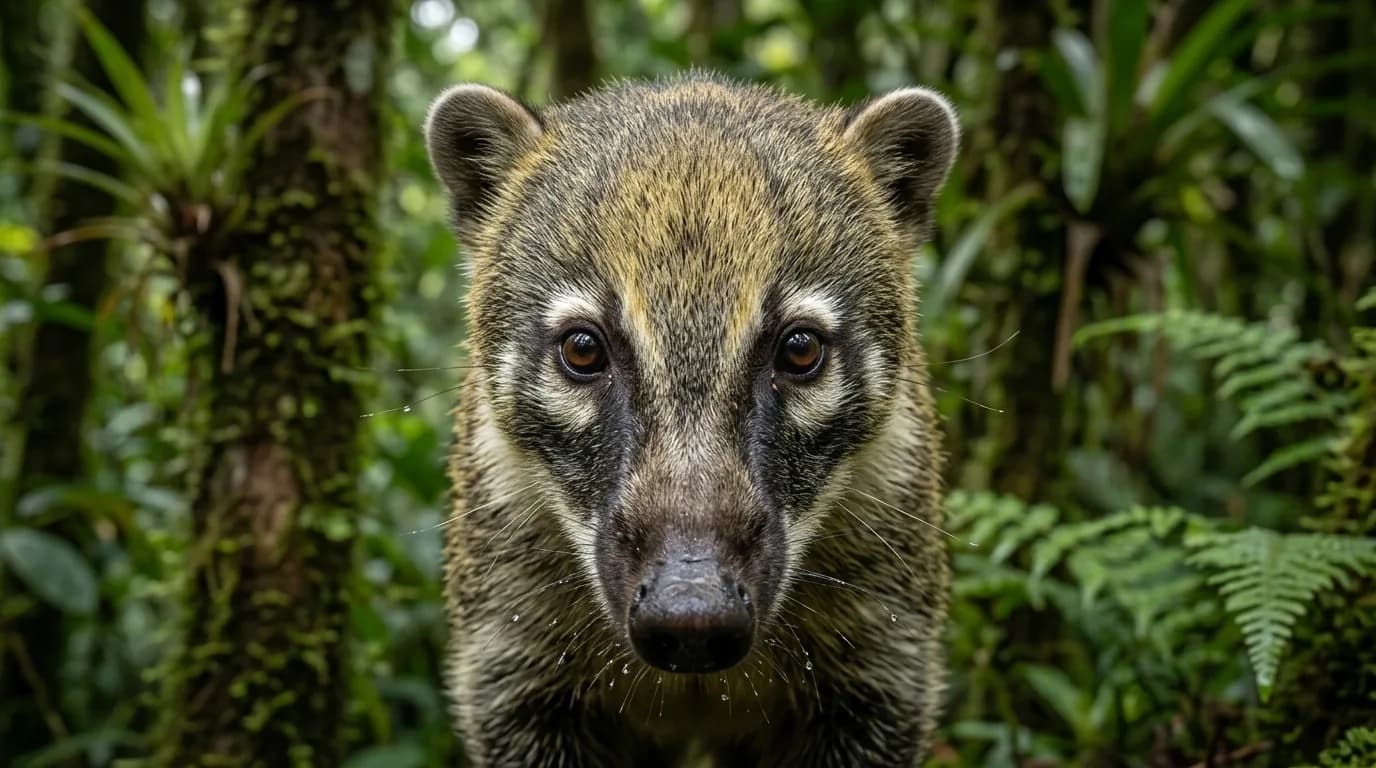
Mammals · Carnivora · Procyonidae
Mountain Coati
Nasua olivacea
It could become endangered in the near future if current threats go unchecked. See full glossary
The western mountain coati is the smallest of the American procyonids and the only one adapted to the high Andes. It lives in the cloud forests and páramos of Colombia and Ecuador, at altitudes no other coati reaches. It is diurnal and forms social groups of females and young, while adult males are usually solitary. It roots for invertebrates in the ground and leaf litter with its long, mobile snout, and rounds out its diet with fruit. Very little is known of its biology.
Weight
1 kg – 1.5 kg
Size
36 cm – 40 cm
Diet
Omnivore
Combines animal and plant food depending on availability.
Activity
Diurnal
Active mainly during the day.
Sighting difficulty
Moderate
Fun facts
- It is the highest-living coati in the world: it has been recorded above 4,000 metres, out on the open páramo.
- Until 2009 it was considered a single species together with the eastern mountain coati of Venezuela, now separated as Nasuella meridensis.
Life cycle & biology
- Skeleton type
- Vertebrate - internal bony skeleton (mammal)
- Habitat & environment
- Cloud forest and páramo of the Andes, between 1,300 and 4,250 metres of altitude
Sources consulted: https://www.iucnredlist.org/ | https://animaldiversity.org/ | https://es.wikipedia.org/
Where to find it
See its range on the interactive mapBest time: All year round in the cloud forests of the Andes of Colombia, Ecuador and Venezuela, between 1,500 and 3,000 m of altitude, by day.
Where to watch it
Parks and dive sites where this species has been documented.
Related species
Other species in the catalogue with the most in common with Mountain Coati — same habitat, park, country, tags or family.
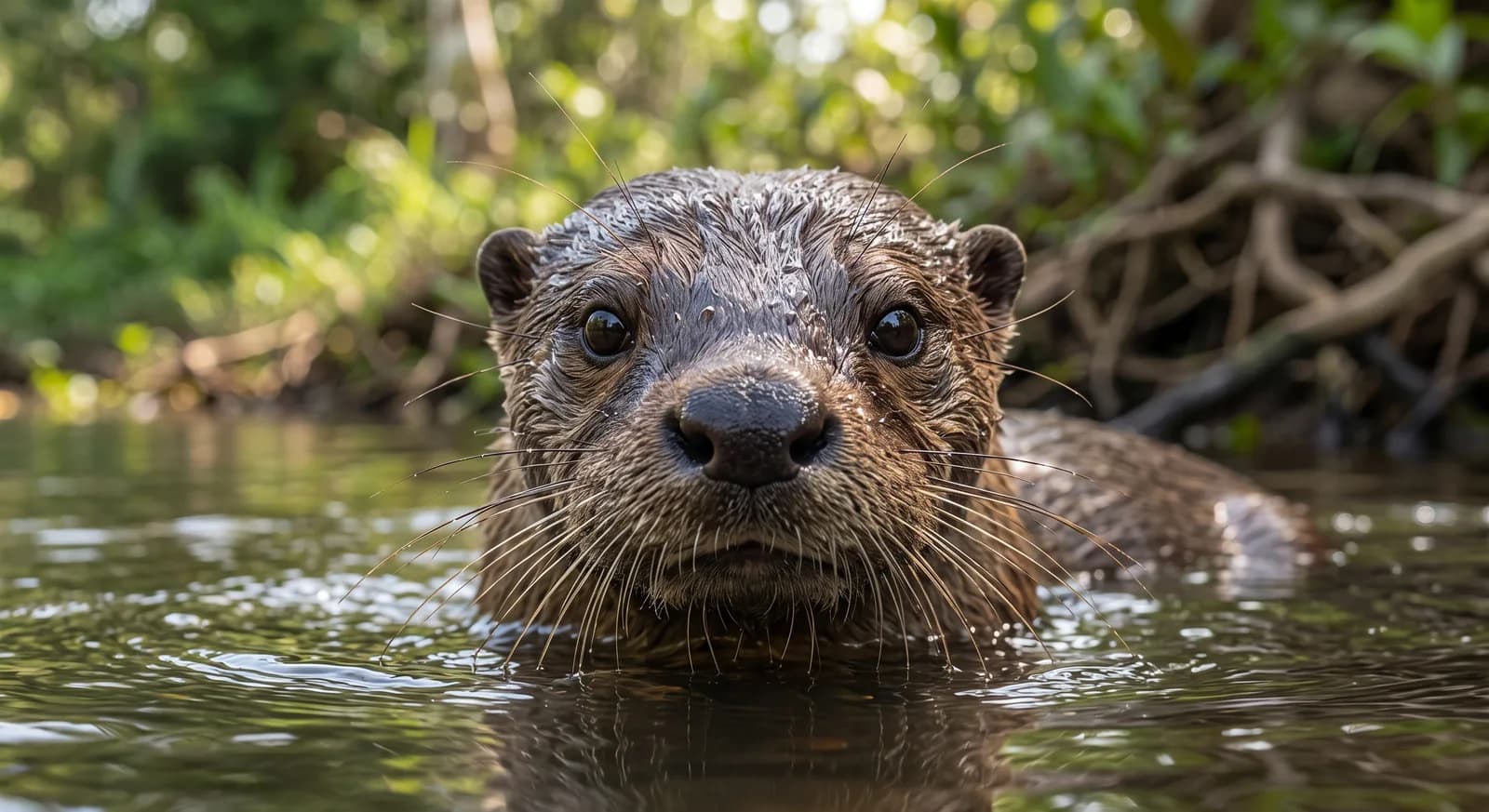 Near Threatened
Neotropical Otter
Lontra longicaudis
South American Coati
Nasua nasua
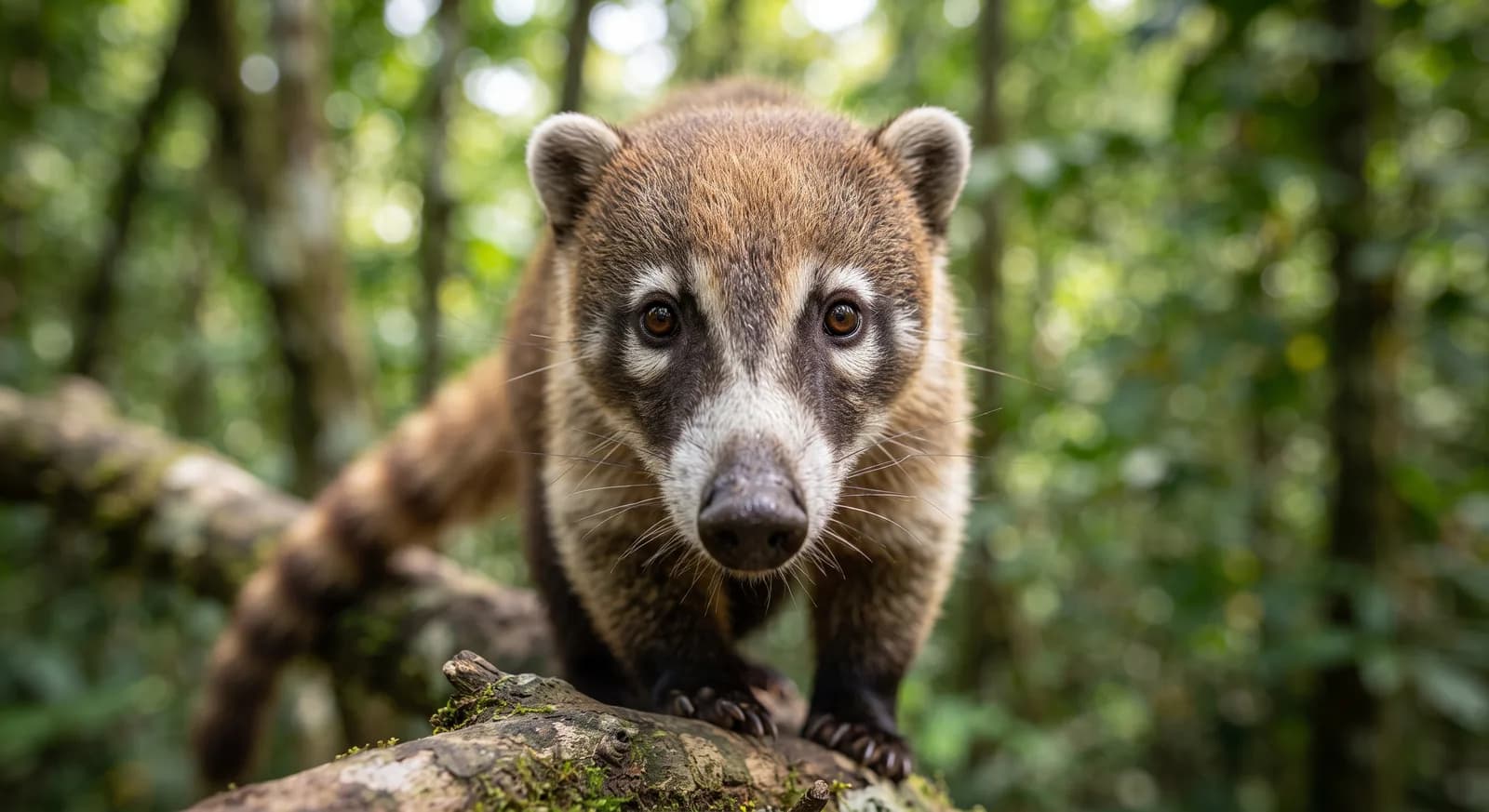 Least Concern
White-nosed Coati
Nasua narica
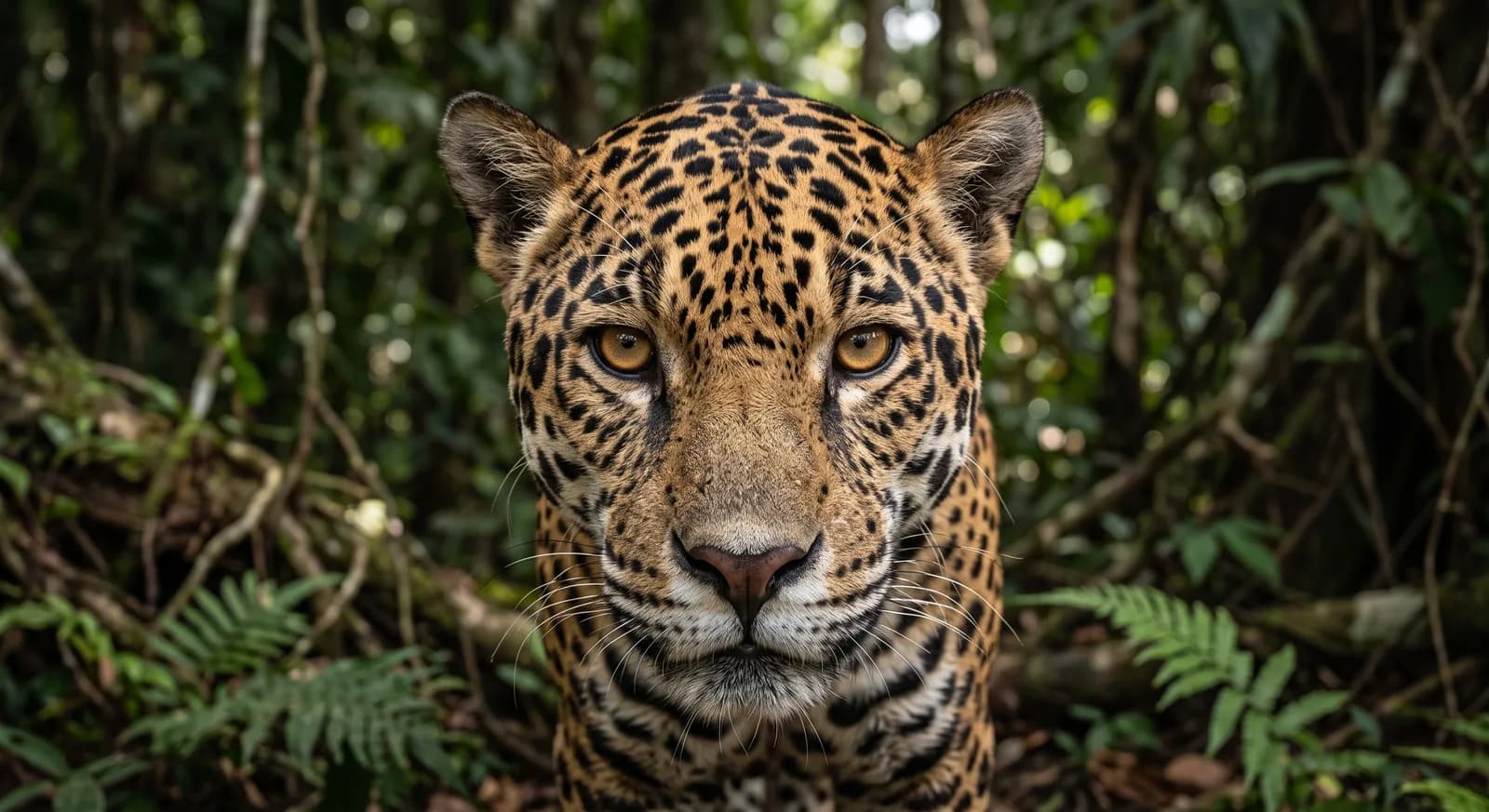 Near Threatened
Jaguar
Panthera onca
 Vulnerable
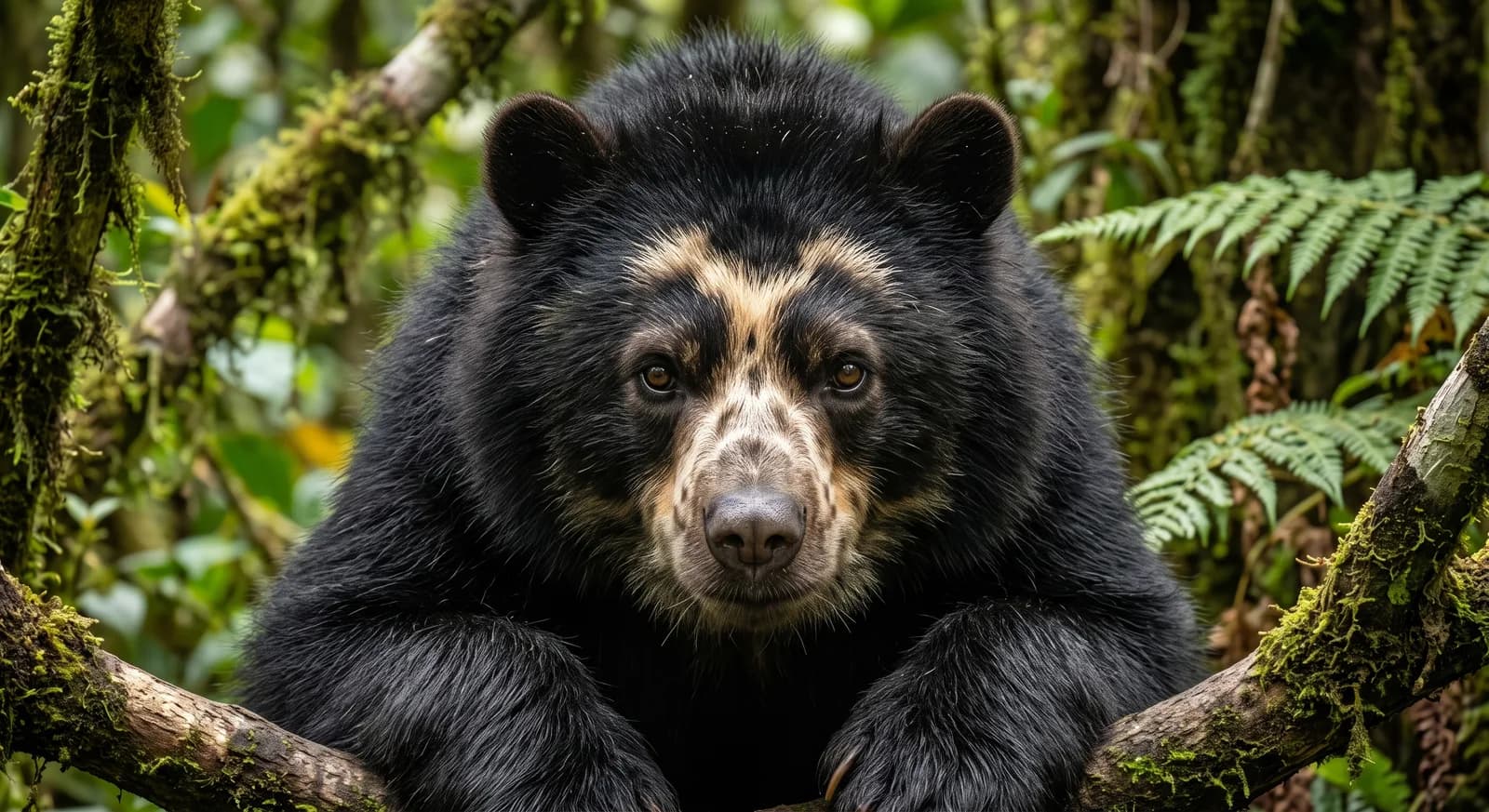
Andean Bear
Tremarctos ornatus
Keep exploring
Based on what we already know about mountain coati.
Comments
Share an experience, a fun fact or a tip for seeing the mountain coati.
Be the first to comment.