One of the 3 coatis on WAnimals
Mammals · Carnivora · Procyonidae
South American Coati
Nasua nasua
The species is abundant and widely distributed; it faces no significant short-term risk. See full glossary
Females and their young live in large social bands of 20 to 30, while adult males are largely solitary.
Weight
2 kg – 7.2 kg
Size
85 cm – 1.1 m
Lifespan
8 years
Diet
Omnivore
Combines animal and plant food depending on availability.
Activity
Diurnal
Active mainly during the day.
Social structure
Herd
Lives in large groups as a strategy against predators.
Sighting difficulty
Easy
Fun facts
- Males join the bands only briefly, during the mating season.
- It eats invertebrates, small vertebrates, fruit and eggs, found with its flexible snout.
- It lives in tropical and subtropical forest across much of South America.
Life cycle & biology
- Skeleton type
- Vertebrate - internal bony skeleton (mammal)
- Habitat & environment
- Tropical and subtropical forest across much of South America, up to 2,500 m
- Birth weight
- Born in an isolated tree nest
- Size at birth
- Born in an isolated tree nest
- Sexual maturity
- Female: ~2 years | Male: ~3 years
- Gestation / incubation
- 74-77 days
- Litter / clutch size
- 3 to 7 young per litter
- Lifespan in captivity
- Documented record of up to 23.7 years
Sources consulted: Wikipedia (South American coati); Animal Diversity Web; AnAge (genomics.senescence.info); Altina Wildlife Park; PMC (Trypanosoma infections Pantanal study)
Where to find it
See its range on the interactive mapBest time: All year round, by day; the females and young move in noisy bands that are easy to detect.
Where to watch it
Parques y spots de buceo donde se ha documentado esta especie — se muestran 10 de 36 documentados.
Related species
Other species in the catalogue with the most in common with South American Coati — same habitat, park, country, tags or family.
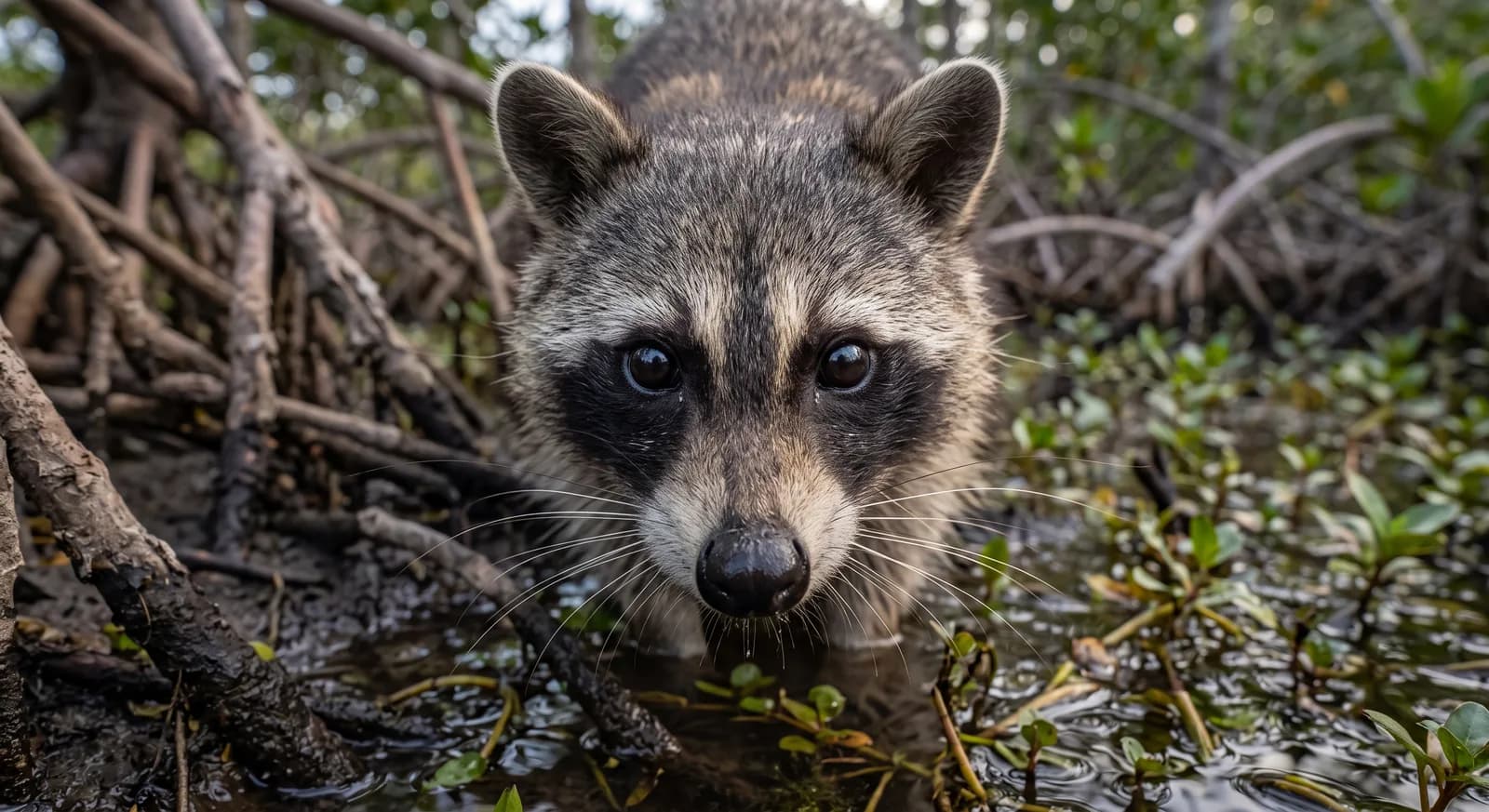 Least Concern
Crab-eating Raccoon
Procyon cancrivorus
Kinkajou
Potos flavus
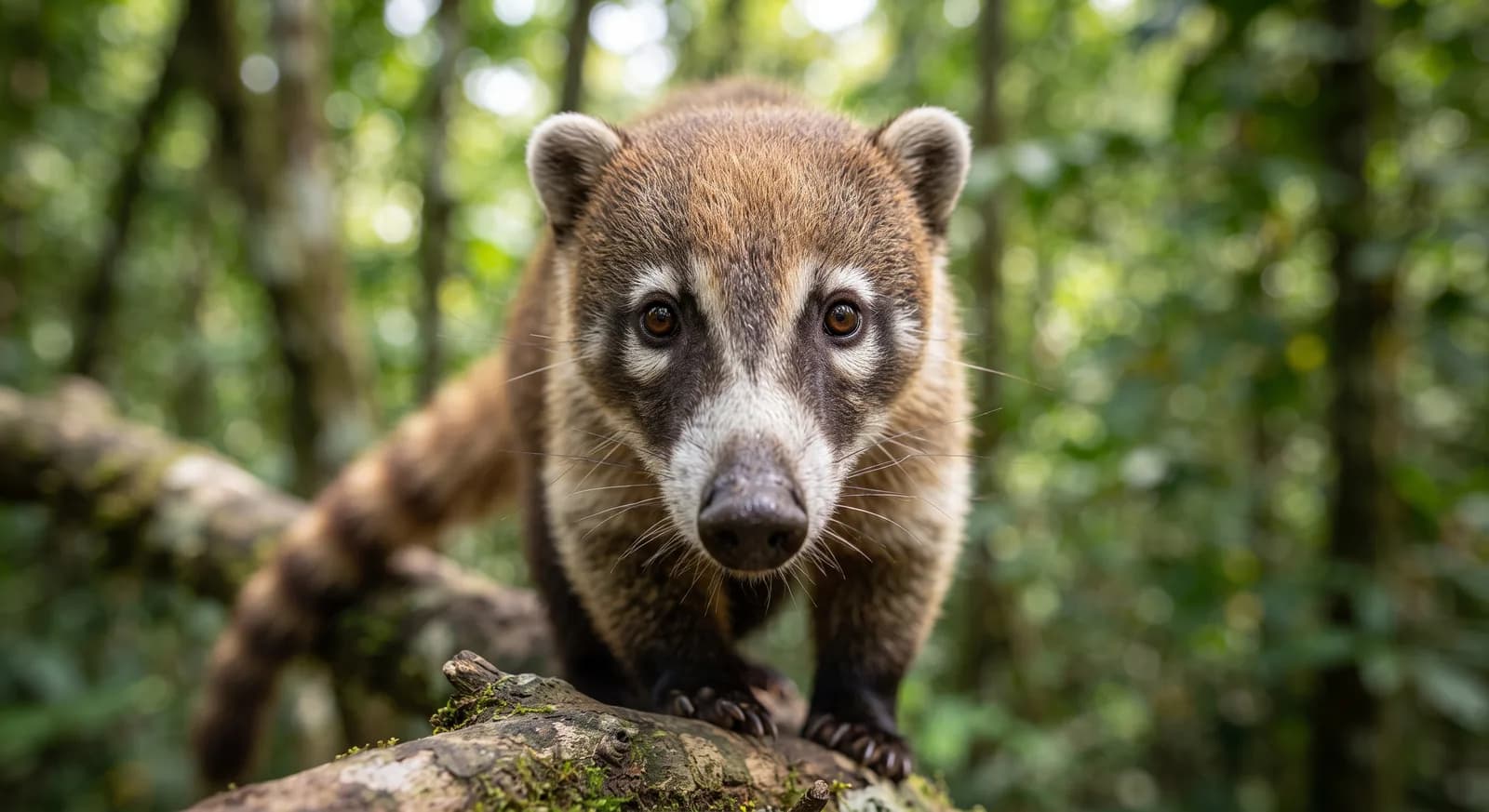 Least Concern
White-nosed Coati
Nasua narica
Guianan Squirrel Monkey
Saimiri sciureus
Common Marmoset
Callithrix jacchus
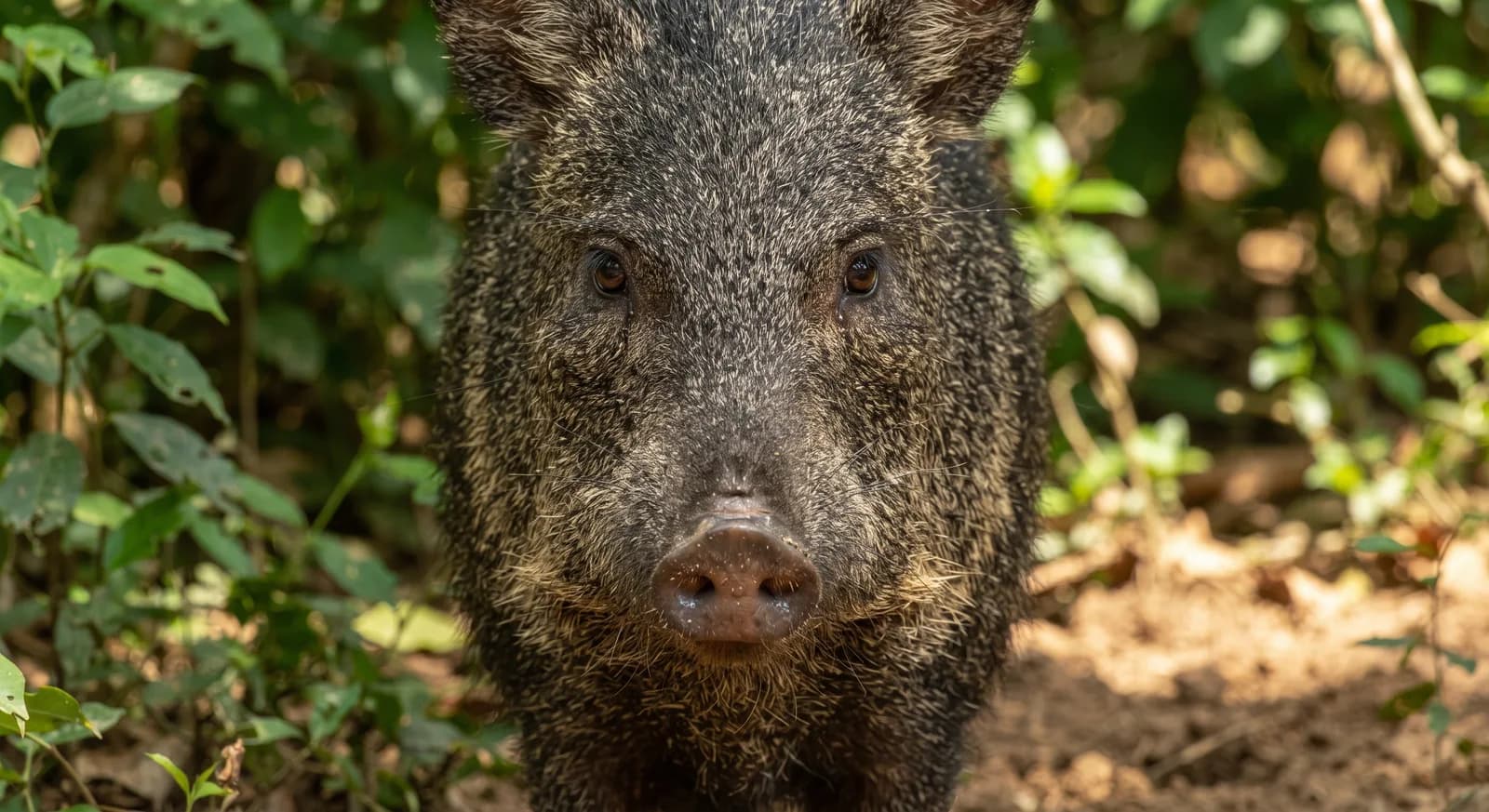 Least Concern
Collared Peccary
Pecari tajacu
Keep exploring
Based on what we already know about south american coati.
Comments
Share an experience, a fun fact or a tip for seeing the south american coati.
Be the first to comment.