One of the 8 otters on WAnimals
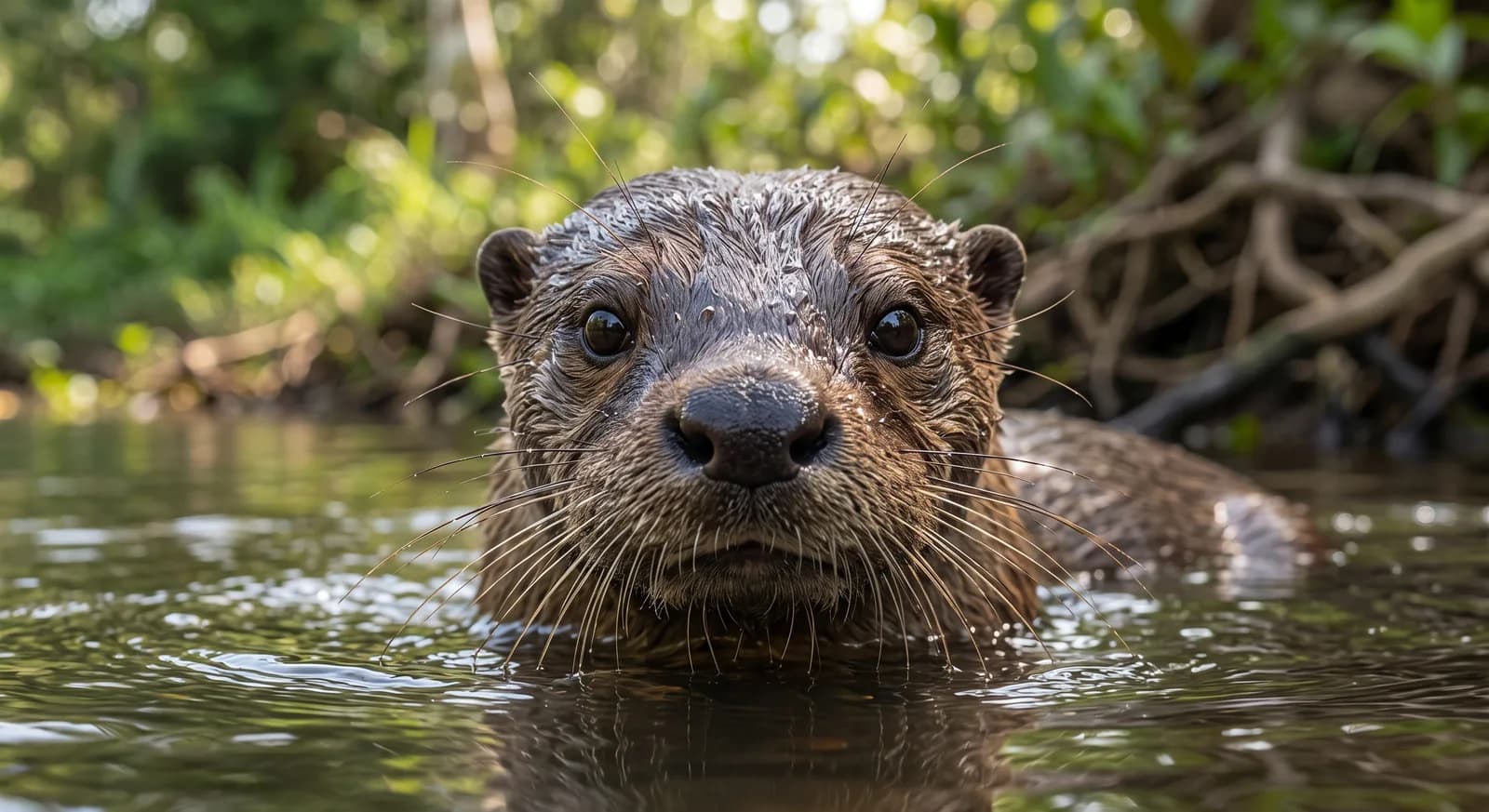
Mammals · Carnivora · Mustelidae
Neotropical Otter
Lontra longicaudis
It could become endangered in the near future if current threats go unchecked. See full glossary
The neotropical otter is the most widely distributed otter in Latin America, occurring from north-western Mexico to northern Argentina. It is solitary and largely diurnal, and prefers clear, fast rivers with well-vegetated banks and shelter among roots and rocks. It eats fish, crustaceans and molluscs. It was the target of intensive fur hunting until the 1970s and its greatest problem today is the degradation of rivers: mining, dams and pollution.
Weight
5 kg – 15 kg
Size
53 cm – 80 cm
Lifespan
13 years
Diet
Carnivore
Feeds mainly on other animals.
Activity
Diurnal
Active mainly during the day.
Social structure
Solitary
Lives and hunts alone, joining others only to breed.
Sighting difficulty
Moderate
Fun facts
- GeneralSolitary and highly territorial, it marks the banks with communal latrines.
- It is an excellent indicator of water quality: it disappears from polluted or dammed stretches, so its presence certifies a river in good condition.
- Unlike the Amazonian giant otters, which live in noisy groups, this one is unobtrusive and solitary, and on many rivers where it is common hardly anyone has seen it.
Life cycle & biology
- Skeleton type
- Vertebrate - internal bony skeleton (mammal)
- Habitat & environment
- Rivers, streams, lagoons and estuaries with bankside vegetation, from Mexico to Argentina
- Sexual maturity
- 2 years
- Gestation / incubation
- 57 days
- Litter / clutch size
- 2.5 (average)
Sources consulted: https://es.wikipedia.org/wiki/Lontra_longicaudis
Where to find it
See its range on the interactive mapWhere to watch it
Parques y spots de buceo donde se ha documentado esta especie — se muestran 10 de 14 documentados.
Related species
Other species in the catalogue with the most in common with Neotropical Otter — same habitat, park, country, tags or family.
Greater Grison
Galictis vittata
 Near Threatened
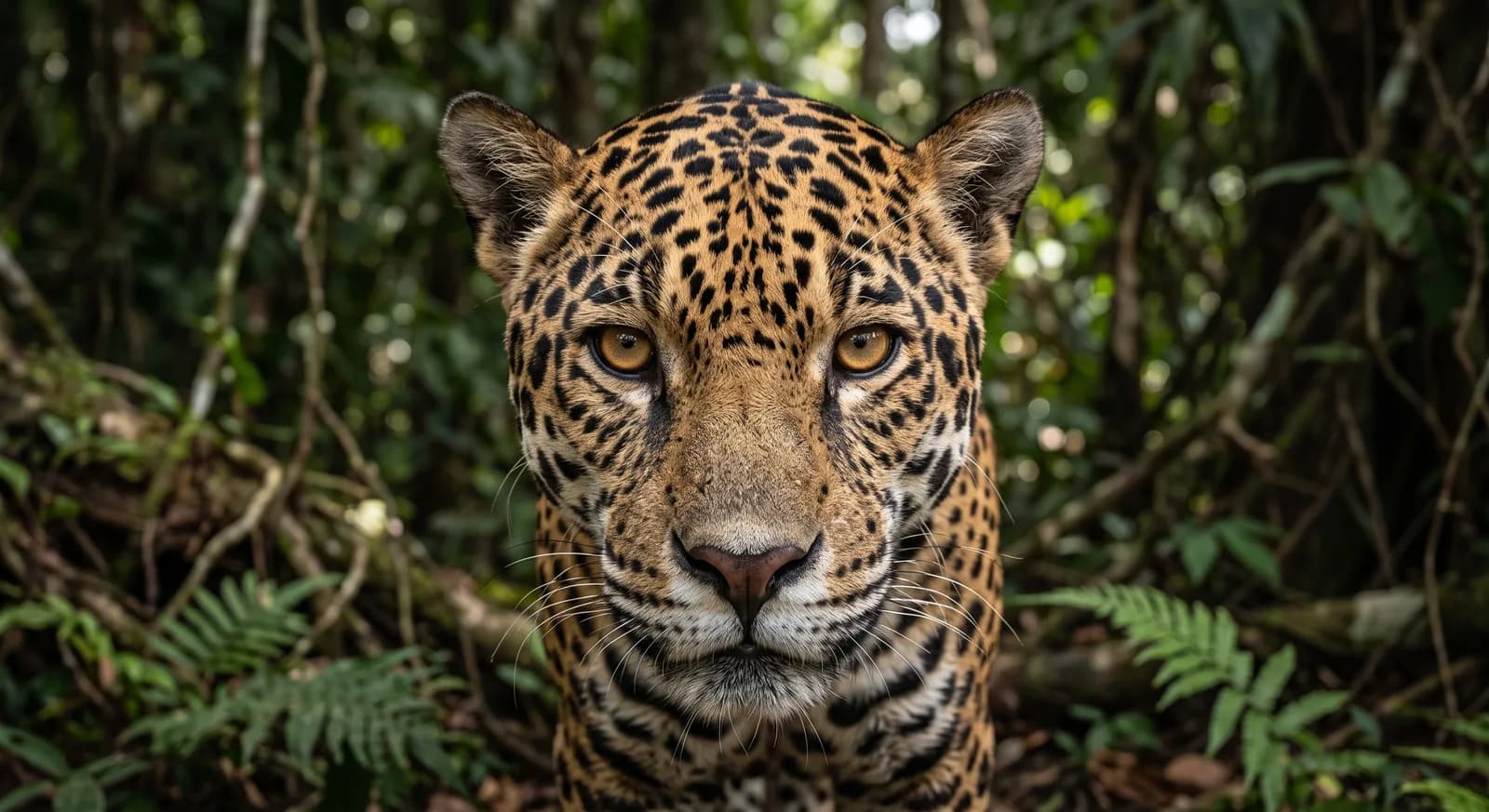
Jaguar
Panthera onca
Great Tinamou
Tinamus major
Margay
Leopardus wiedii
Bush Dog
Speothos venaticus
 Near Threatened
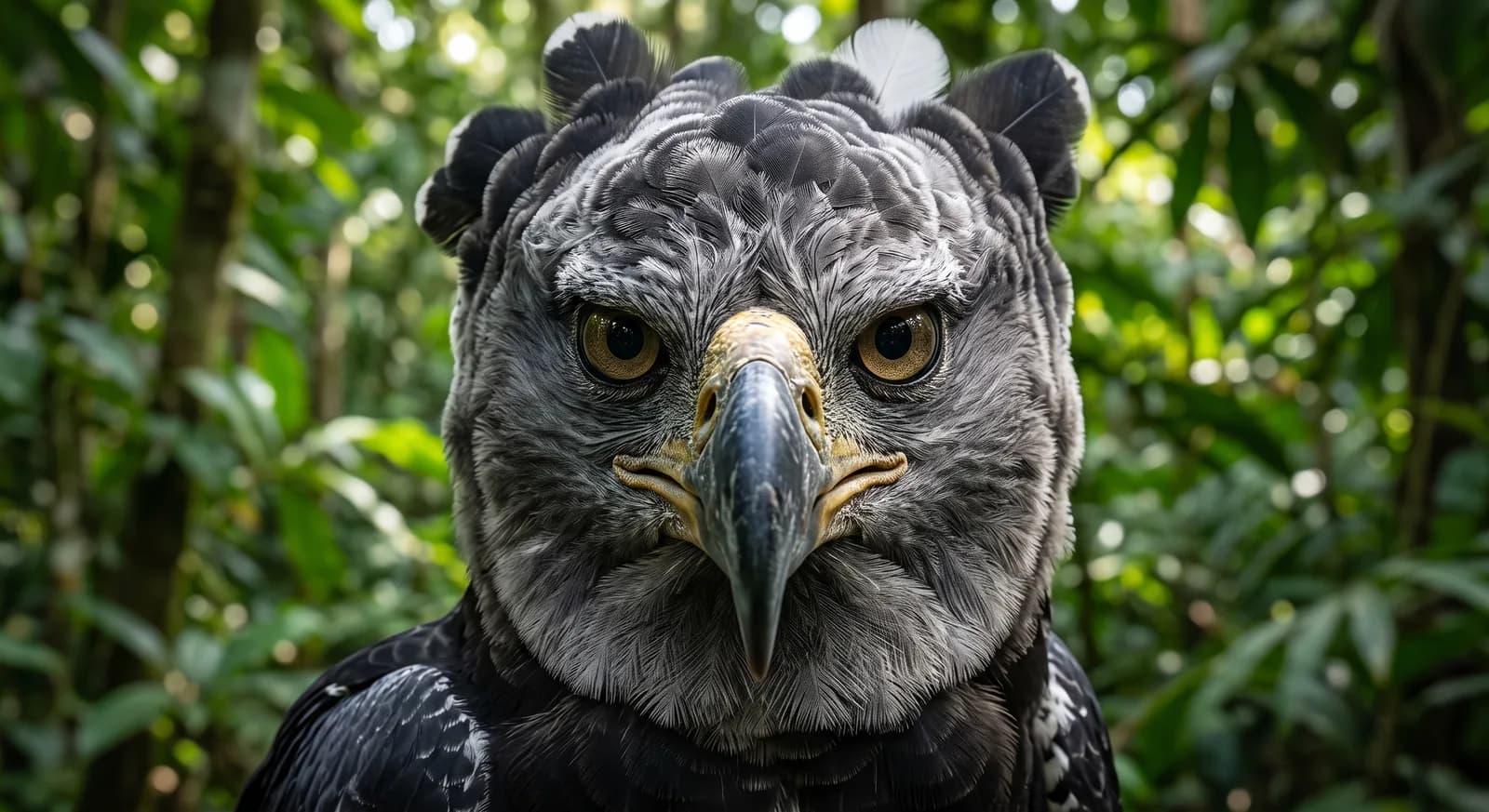
Harpy Eagle
Harpia harpyja
Keep exploring
Based on what we already know about neotropical otter.
Comments
Share an experience, a fun fact or a tip for seeing the neotropical otter.
Be the first to comment.