Mammals · Carnivora · Mustelidae
Greater Grison
Galictis vittata
The species is abundant and widely distributed; it faces no significant short-term risk. See full glossary
Its scientific name comes from the Greek galiktis (weasel) and the Latin vittata (banded), after the striking black and white bands on its head. It is equally at home running, swimming and climbing.
Weight
1.5 kg – 3.8 kg
Size
45 cm – 60 cm
Lifespan
11 years
Diet
Carnivore
Feeds mainly on other animals.
Activity
Diurnal
Active mainly during the day.
Social structure
In pairs
Usually lives in pairs, sometimes for life.
Sighting difficulty
Easy
Fun facts
- Its scientific name means 'banded weasel', after the pattern on its head.
- It is equally at home running, swimming and climbing.
- It hunts in pairs or small family groups, taking prey larger than one animal could manage.
- comportamientoIt lives in pairs or small family groups and hunts cooperatively, bringing down prey a single animal could not.
Life cycle & biology
- Skeleton type
- Vertebrate - internal bony skeleton (mammal)
- Habitat & environment
- Forest, savannah and farmland near rivers and wetlands of southern Mexico, Central and South America
- Birth weight
- Under 50 grams
- Size at birth
- Blind at birth, though already with a short coat showing the adult pattern
- Sexual maturity
- Not precisely known
- Gestation / incubation
- 40-65 days (the figures vary markedly)
- Litter / clutch size
- 2 to 5 young per litter
- Lifespan in captivity
- Documented record of up to 10.5-12.5 years in captivity
Sources consulted: AnAge; Know Your Mammals; Animal Diversity Web; Wikipedia; Critter Science; Animalia.bio; Encyclopedia of Life
Where to find it
See its range on the interactive mapBest time: All year round in Central and South America, mostly by day; it is usually seen in pairs or small groups near water.
Where to watch it
Parques y spots de buceo donde se ha documentado esta especie — se muestran 10 de 41 documentados.
Related species
Other species in the catalogue with the most in common with Greater Grison — same habitat, park, country, tags or family.
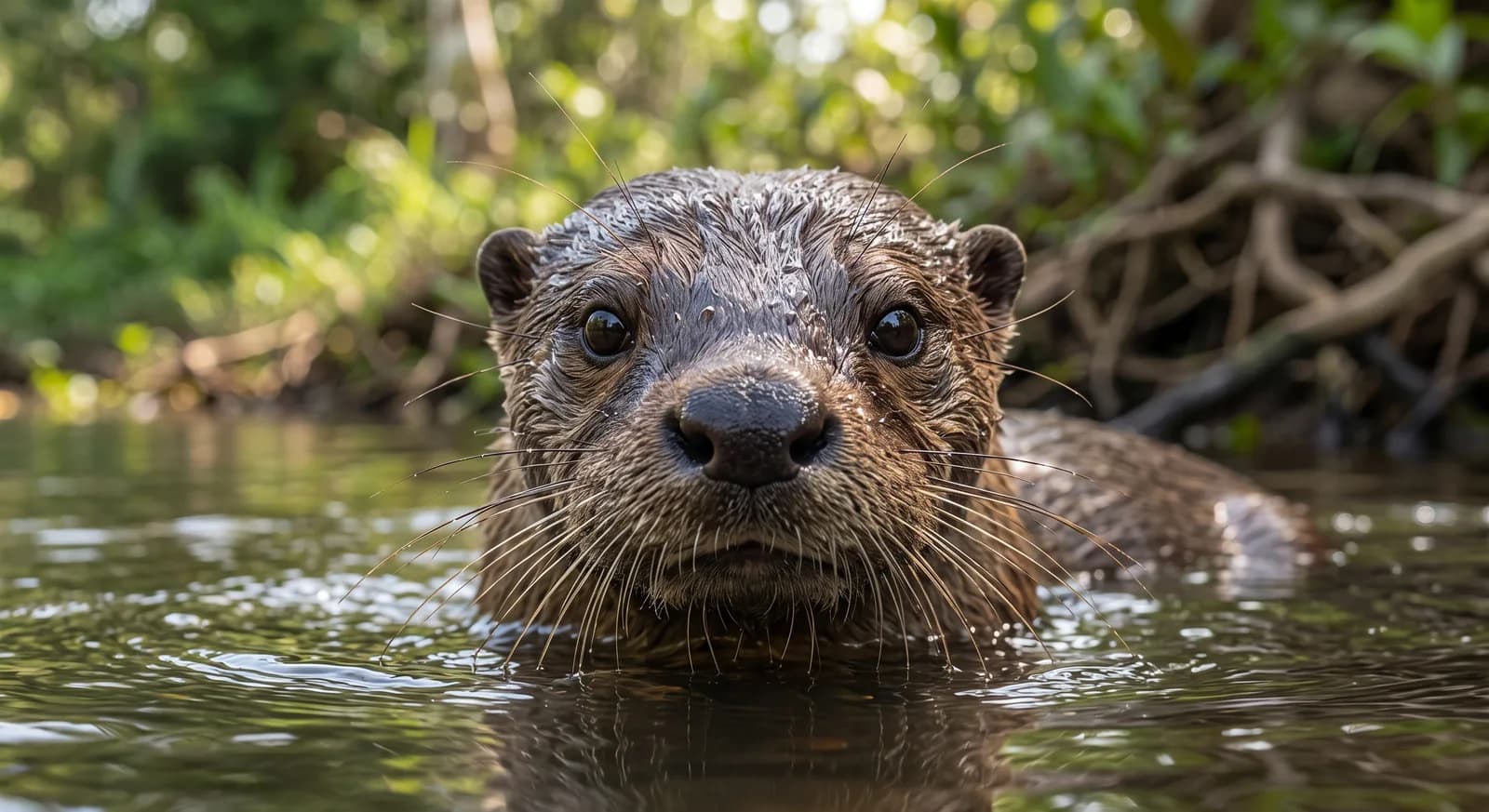 Near Threatened
Neotropical Otter
Lontra longicaudis
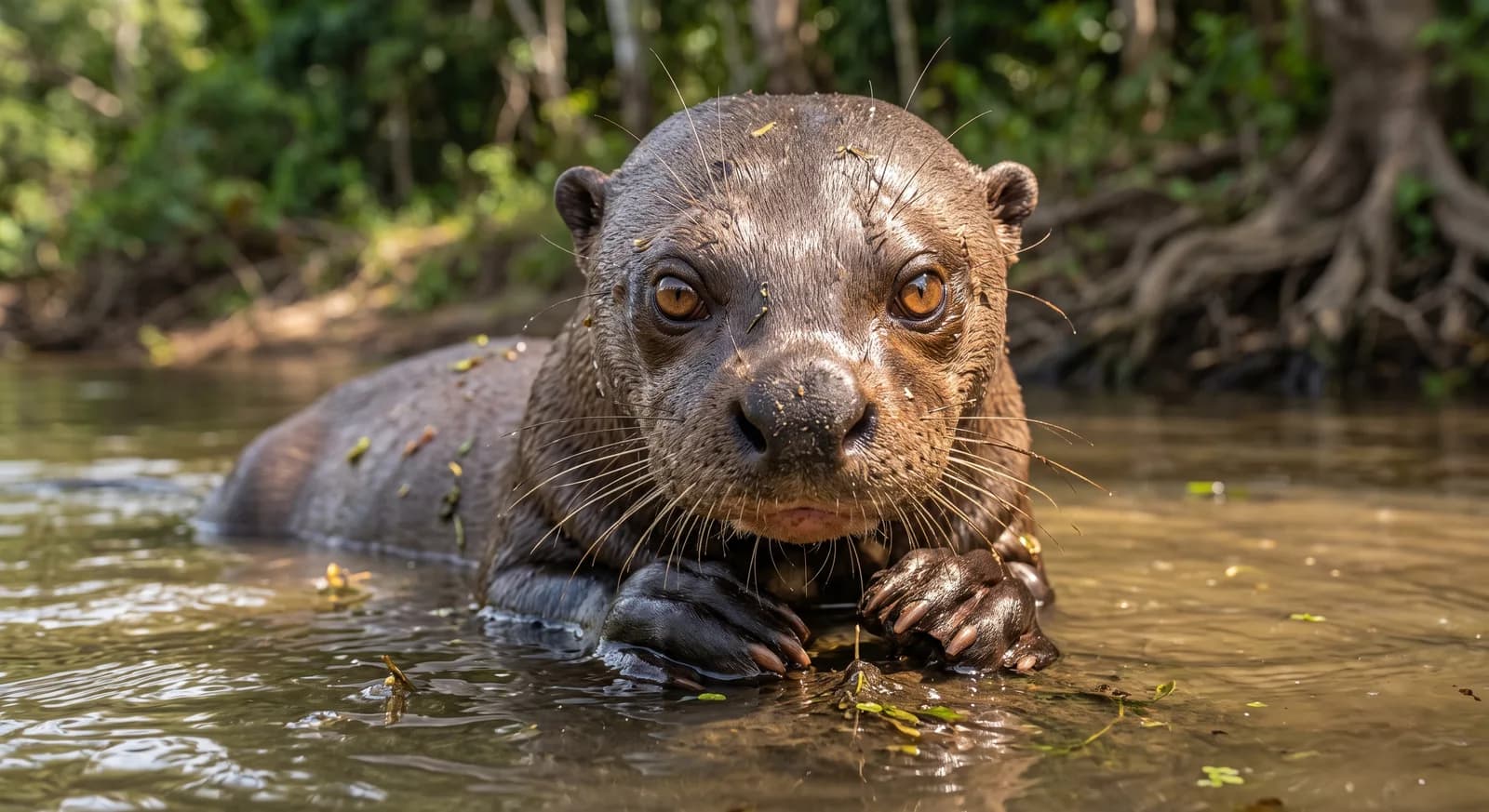 Endangered
Giant Otter
Pteronura brasiliensis
Water Opossum
Chironectes minimus
Greater Bulldog Bat
Noctilio leporinus
White-faced Saki
Pithecia pithecia
Central American Agouti
Dasyprocta punctata
Keep exploring
Based on what we already know about greater grison.
Comments
Share an experience, a fun fact or a tip for seeing the greater grison.
Be the first to comment.