One of the 47 frogs on WAnimals
Amphibians · Anura · Hemiphractidae
Common Marsupial Frog
Gastrotheca ovifera
It faces a very high risk of extinction in the wild in the near future. See full glossary
The marsupial frog carries its young in a pouch: the female has a closed fold on her back into which the male places the fertilised eggs and where they develop over months. In this species the tadpoles emerge at an advanced stage and complete their metamorphosis in the water. It is endemic to the Venezuelan cloud forests and is in retreat.
Size
5 cm – 8 cm
Lifespan
8 years
Diet
Insectivore
Feeds mainly on insects and other invertebrates.
Activity
Nocturnal
Active mainly at night.
Social structure
Solitary
Lives and hunts alone, joining others only to breed.
Sighting difficulty
Hard
Fun facts
- The female incubates the eggs in a closed pouch on her back, and it is the male who inserts them one by one with his hind feet as she lays, a division of labour unique among amphibians.
- In some species of the genus the young leave the pouch as fully formed froglets, skipping the free-swimming tadpole stage entirely.
- The cloud forests of the Venezuelan Cordillera de la Costa, its only habitat, are heavily fragmented, and the chytrid fungus has also caused die-offs in several montane populations.
Life cycle & biology
- Skeleton type
- Vertebrate - internal bony skeleton (amphibian)
- Habitat & environment
- Montane cloud forest of the Venezuelan Cordillera de la Costa
- Size at birth
- The eggs develop in a pouch on the female's back, from which fully formed froglets emerge
- Sexual maturity
- 2 years
- Gestation / incubation
- 3 months of development in the mother's dorsal pouch
- Litter / clutch size
- 50 young
Sources consulted: https://es.wikipedia.org/wiki/Gastrotheca_ovifera
Where to find it
See its range on the interactive mapBest time: All year round in the cloud forests of the Venezuelan Coastal Range, at night.
Where to watch it
Parks and dive sites where this species has been documented.
Related species
Other species in the catalogue with the most in common with Common Marsupial Frog — same habitat, park, country, tags or family.
Mountain Tapir
Tapirus pinchaque
Northern Tiger Cat
Leopardus tigrinus
Black-and-chestnut Eagle
Spizaetus isidori
Tapeti
Sylvilagus brasiliensis
Helmeted Curassow
Pauxi pauxi
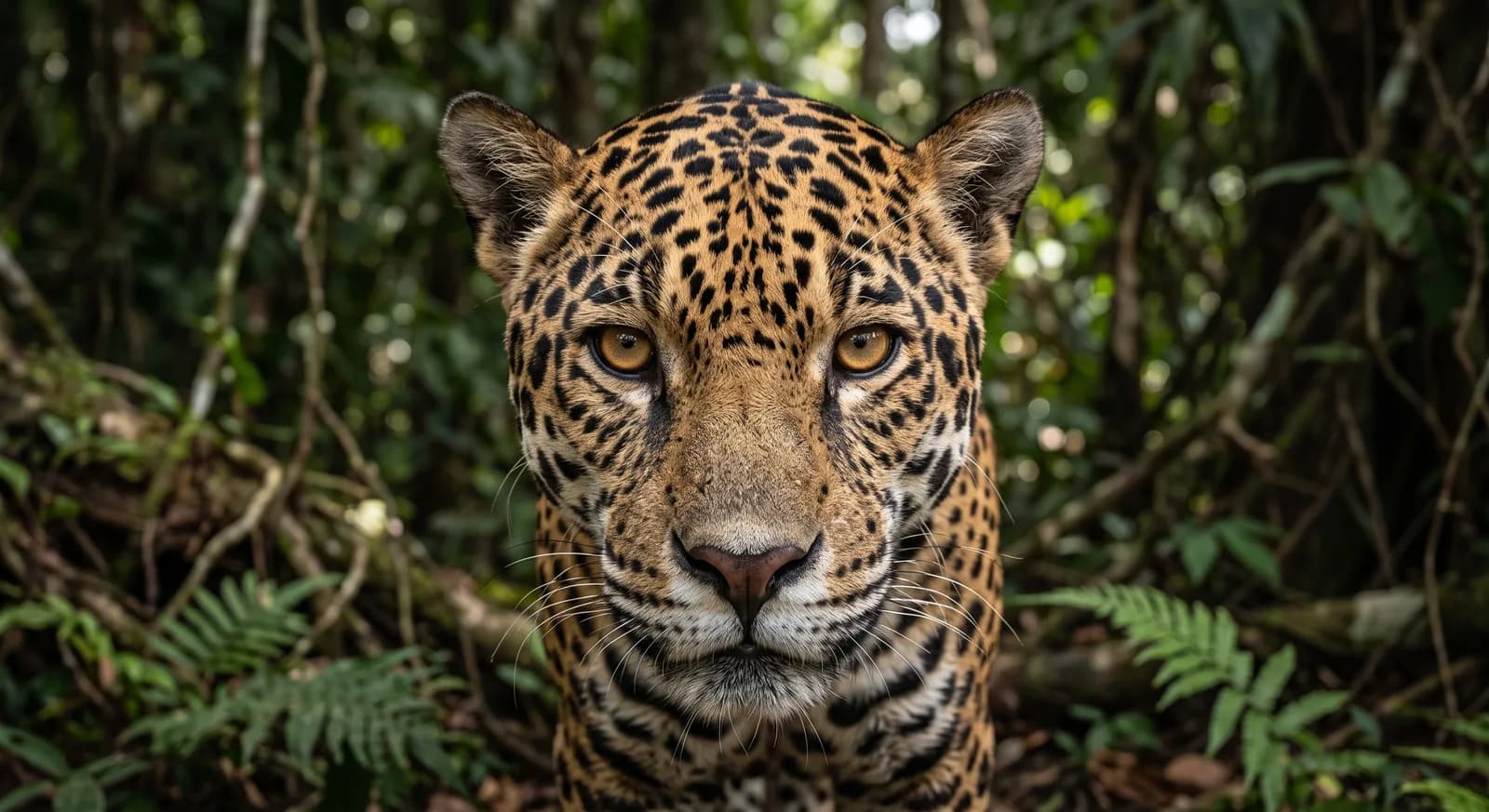 Near Threatened
Jaguar
Panthera onca
How to help
The common marsupial frog is classified as endangered. Organizations such as UICN, WWF y Wildlife Conservation Society work specifically on its conservation and that of its habitat; looking into their programs is a good starting point if you want to get involved.
It's documented in 6 real protected areas — part of why protecting these places matters for its conservation.
Keep exploring
Based on what we already know about common marsupial frog.
Comments
Share an experience, a fun fact or a tip for seeing the common marsupial frog.
Be the first to comment.