One of the 47 frogs on WAnimals
Amphibians · Anura · Telmatobiidae
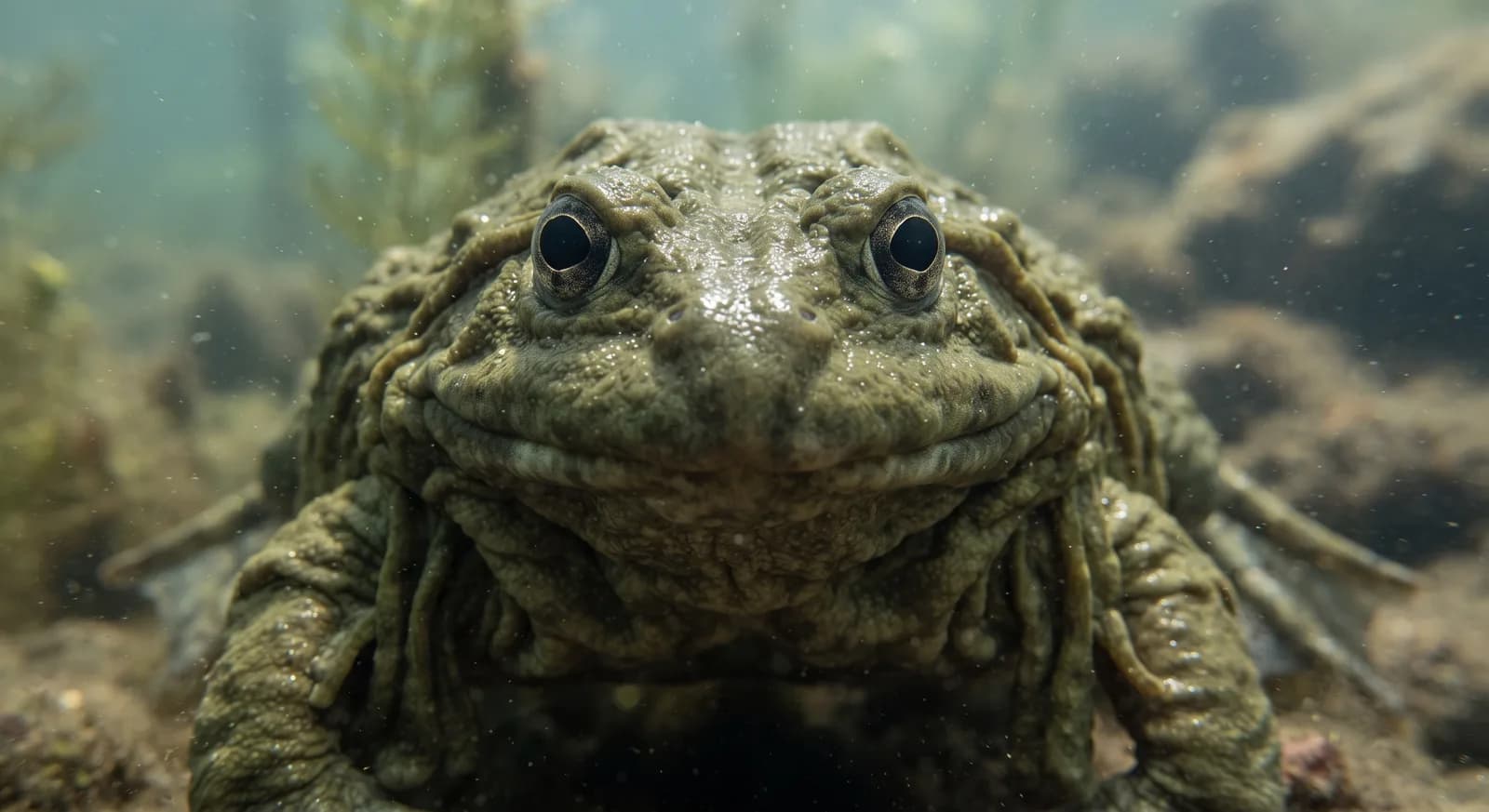
Titicaca Water Frog
Telmatobius culeus
It faces an extremely high risk of imminent extinction in the wild. See full glossary
The Titicaca water frog, or giant Lake Titicaca frog, is a giant anuran amphibian of the family Telmatobiidae. It is endemic to Lake Titicaca. It is also known in Aymara, the indigenous language, as keles and as jampathu huankele.
Weight
150 g – 1 kg
Size
10 cm – 20 cm
Lifespan
20 years
Diet
Carnivore
Feeds mainly on other animals.
Activity
Nocturnal
Active mainly at night.
Social structure
Solitary
Lives and hunts alone, joining others only to breed.
Sighting difficulty
Very hard
Fun facts
- adaptaciónIts heavily folded skin increases its surface area, so it can absorb more dissolved oxygen straight from the cold, oxygen-poor water of Lake Titicaca.
- It breathes through its skin: its lungs are reduced almost to uselessness and the skin forms hanging folds that multiply the surface available for oxygen exchange, an adaptation needed to live at nearly four thousand metres where the water holds little oxygen. It never surfaces to breathe.
- It does press-ups to breathe better: when oxygen runs short it bobs rhythmically on the bottom to refresh the water around its skin folds.
- In 2016 more than ten thousand dead animals appeared in the Coata river in Peru after pollution discharges: a mass die-off that set every alarm ringing about the state of the lake.
Life cycle & biology
- Skeleton type
- Vertebrate - internal bony skeleton (amphibian)
- Habitat & environment
- The bed of Lake Titicaca and connected lagoons, between Peru and Bolivia, at 3,800 metres of altitude
- Sexual maturity
- 3 years
- Gestation / incubation
- Larval development on the lake bed
- Litter / clutch size
- 500 eggs
Sources consulted: https://es.wikipedia.org/wiki/Telmatobius_culeus
Where to find it
See its range on the interactive mapWhere to watch it
Parks and dive sites where this species has been documented.
Related species
Other species in the catalogue with the most in common with Titicaca Water Frog — same habitat, park, country, tags or family.
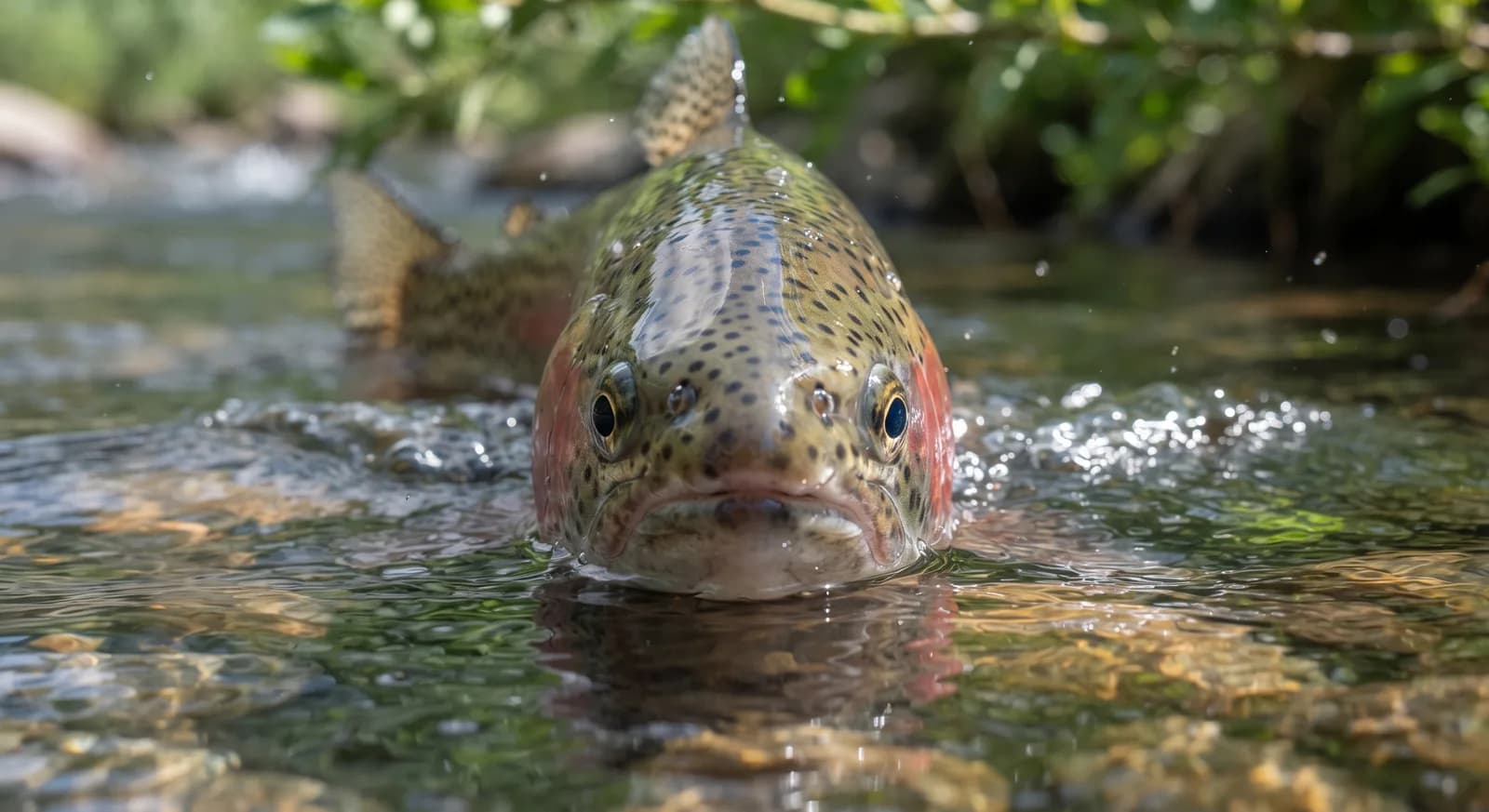 Least Concern
Rainbow Trout
Oncorhynchus mykiss
Orinoco Crocodile
Crocodylus intermedius
Hooded Grebe
Podiceps gallardoi
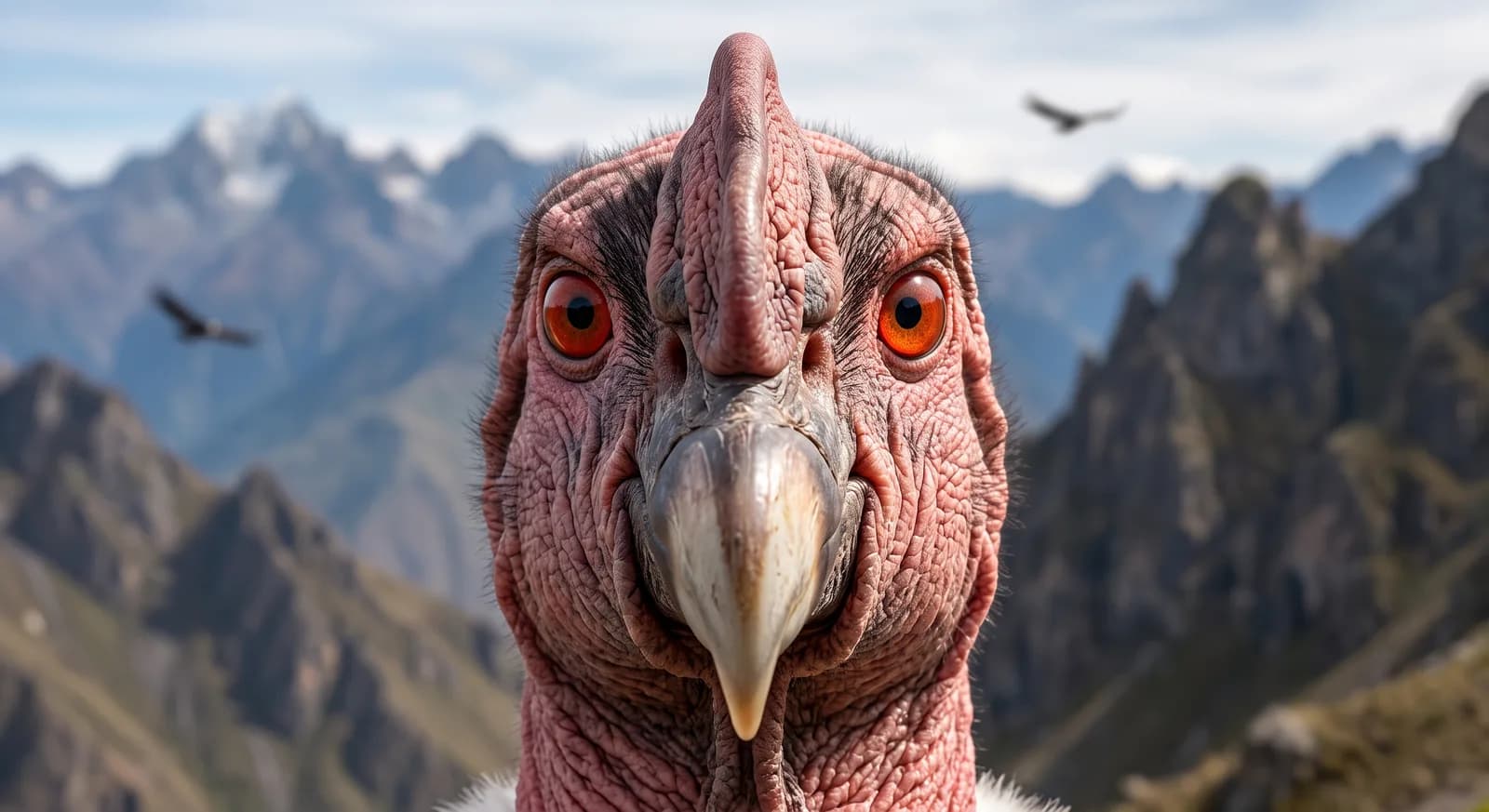 Vulnerable
Andean Condor
Vultur gryphus
Water Opossum
Chironectes minimus
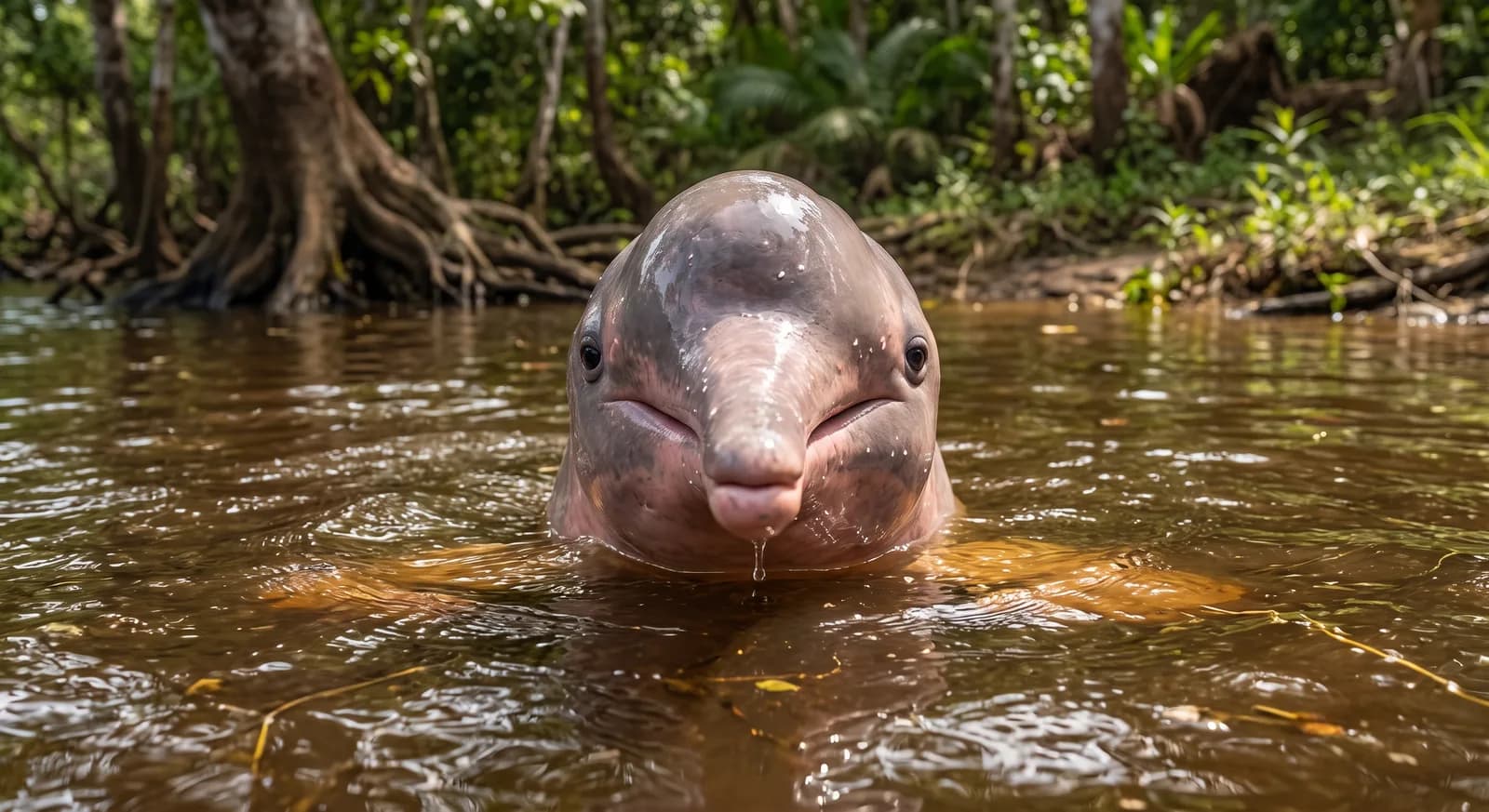 Endangered
Amazon River Dolphin
Inia geoffrensis
How to help
The titicaca water frog is classified as critically endangered. Organizations such as UICN, WWF y Wildlife Conservation Society work specifically on its conservation and that of its habitat; looking into their programs is a good starting point if you want to get involved.
Keep exploring
Based on what we already know about titicaca water frog.
Comments
Share an experience, a fun fact or a tip for seeing the titicaca water frog.
Be the first to comment.