Birds · Podicipediformes · Podicipedidae
Hooded Grebe
Podiceps gallardoi
It faces an extremely high risk of imminent extinction in the wild. See full glossary
The hooded grebe is a grebe endemic to the Argentine province of Santa Cruz, discovered by science in 1974. It breeds on high-altitude lagoons of the Patagonian plateaus, on floating nests anchored to clumps of vinagrilla, and spends the winter on a few estuaries of the Atlantic coast. Its population has fallen by more than 80% since the 1980s because of the introduction of rainbow trout and the American mink, the drying out of lagoons and predation by kelp gulls.
Weight
400 g – 600 g
Size
28 cm – 36 cm
Lifespan
12 years
Diet
Carnivore
Feeds mainly on other animals.
Activity
Diurnal
Active mainly during the day.
Social structure
Colony
Lives in large concentrations, often for breeding reasons.
Sighting difficulty
Very hard
Estimated population
Fewer than 1,000 individuals
Fun facts
- It was not discovered until 1974, one of the last large vertebrates described in South America, and in barely fifty years it has gone from scientific novelty to one of the most threatened birds on the continent.
- Its nest is a floating platform built on clumps of vinagrilla, an aquatic plant that grows only in certain plateau lagoons: without that plant, the species cannot breed.
Life cycle & biology
- Skeleton type
- Vertebrate - internal bony skeleton (bird)
- Habitat & environment
- Plateau lagoons of southern Patagonia with vinagrilla; winters in estuaries of the Atlantic coast
- Sexual maturity
- 2 years
- Gestation / incubation
- 22 days of incubation
- Litter / clutch size
- 2 eggs
Sources consulted: https://www.iucnredlist.org/ | https://animaldiversity.org/ | https://es.wikipedia.org/
Where to find it
See its range on the interactive mapWhere to watch it
Parks and dive sites where this species has been documented.
Related species
Other species in the catalogue with the most in common with Hooded Grebe — same habitat, park, country, tags or family.
Pied-billed Grebe
Podilymbus podiceps
 Vulnerable
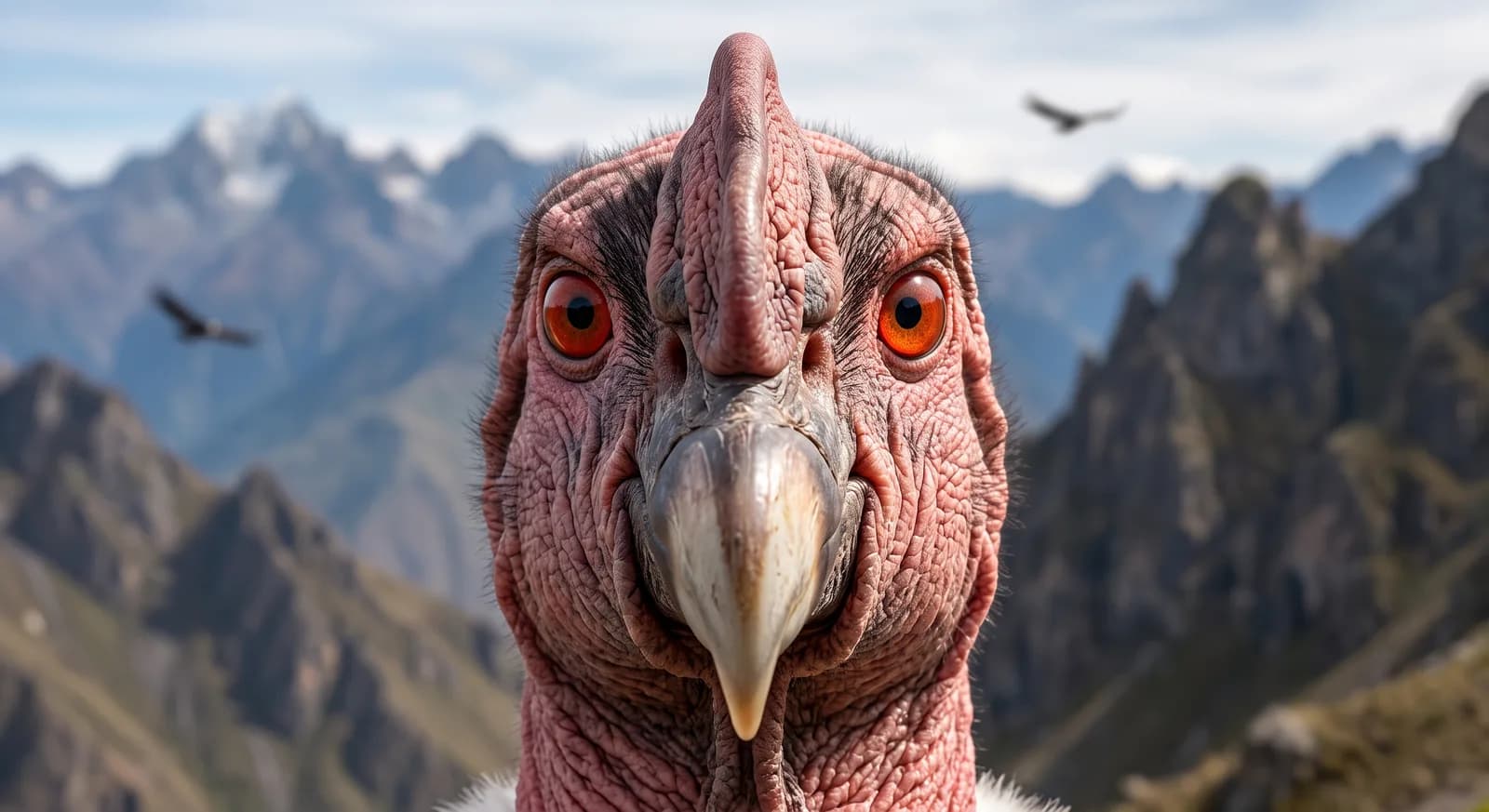
Andean Condor
Vultur gryphus
Kelp Gull
Larus dominicanus
Lesser Rhea
Rhea pennata
 Near Threatened
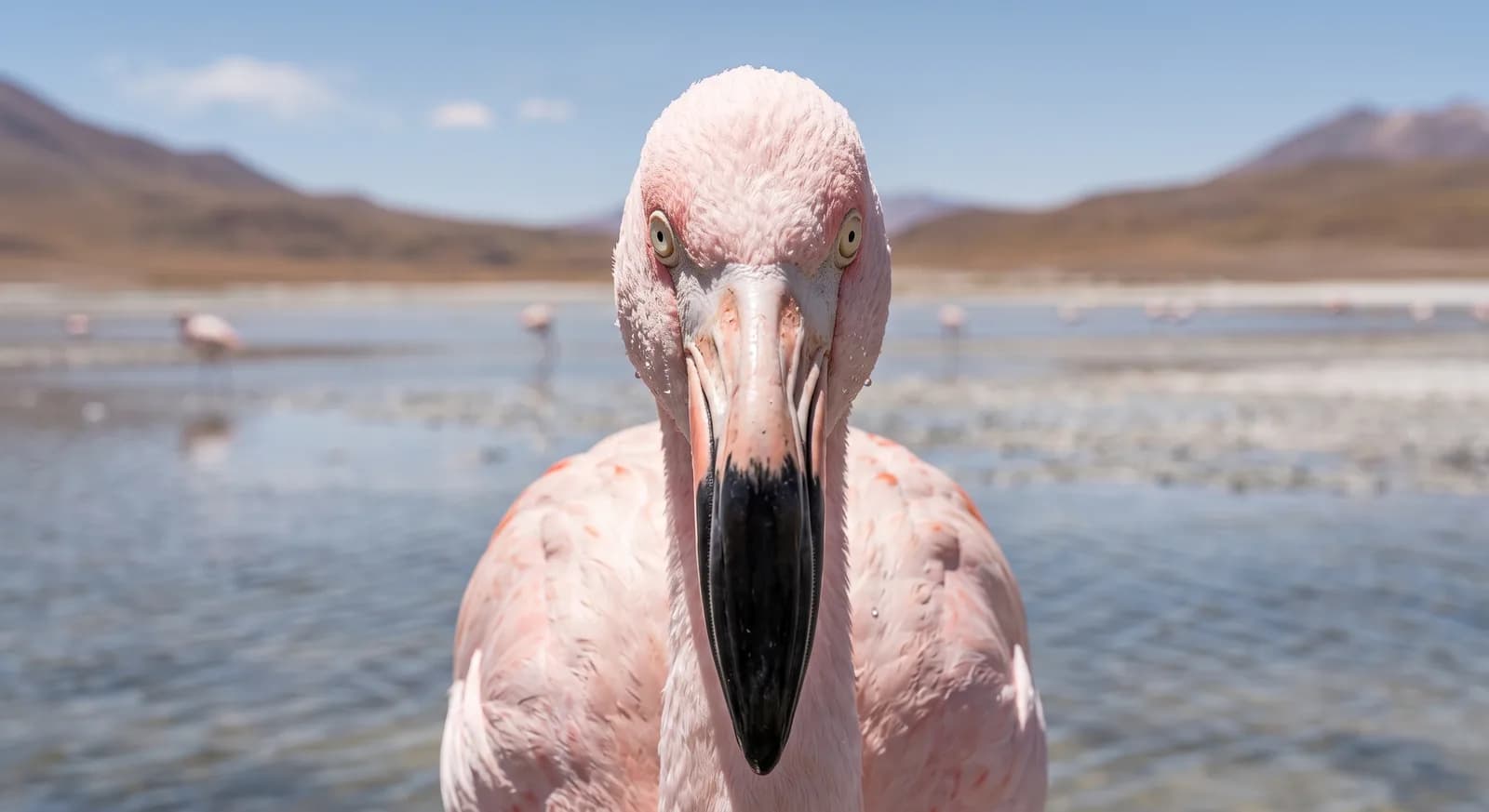
Chilean Flamingo
Phoenicopterus chilensis
How to help
The hooded grebe is classified as critically endangered. Organizations such as UICN, WWF y Wildlife Conservation Society work specifically on its conservation and that of its habitat; looking into their programs is a good starting point if you want to get involved.
It's documented in 1 real protected area — part of why protecting these places matters for its conservation.
Keep exploring
Based on what we already know about hooded grebe.
Comments
Share an experience, a fun fact or a tip for seeing the hooded grebe.
Be the first to comment.