One of the 6 tarantulas on WAnimals
Arachnids · Araneae · Theraphosidae
Mexican Orangeknee
Brachypelma smithi
It could become endangered in the near future if current threats go unchecked. See full glossary
The Mexican red-kneed tarantula is a mygalomorph spider of the family Theraphosidae that lives in the Pacific zone of the Mexican state of Guerrero. It is black in tone, with red and yellowish rings on its legs. Thanks to long, fine hairs on their legs, these spiders can detect the direction of the wind, vibrations in their web, smells, the distance they have travelled and even the quickest and safest route home.
Size
up to 5.9 cm
Diet
Carnivore
Feeds mainly on other animals.
Activity
Diurnal
Active mainly during the day.
Social structure
Solitary
Lives and hunts alone, joining others only to breed.
Sighting difficulty
Moderate
Fun facts
- The female spends almost her whole life inside the burrow, which shelters her from predators such as the coati and lets her ambush large insects, frogs and mice.
- It is one of the most popular pet tarantulas, and that has put it at risk: it has been listed in CITES Appendix II since 1985, with the rest of the genus added in 1994. Even so, at least 3,000 Mexican tarantulas are reckoned to have been smuggled out of Mexico in the years up to 2017, most of them red-knees.
- It defends itself by flicking urticating hairs from its abdomen with its hind legs, rather than by biting.
Life cycle & biology
- Skeleton type
- Invertebrate - chitin exoskeleton (arachnid)
- Habitat & environment
- Scrub and dry forest on the Pacific slope of Guerrero, in Mexico; it digs deep single-entrance burrows with one or two chambers, almost always beside vegetation
Sources consulted: https://es.wikipedia.org/wiki/Brachypelma_smithi
Where to watch it
Parks and dive sites where this species has been documented.
Related species
Other species in the catalogue with the most in common with Mexican Orangeknee — same habitat, park, country, tags or family.
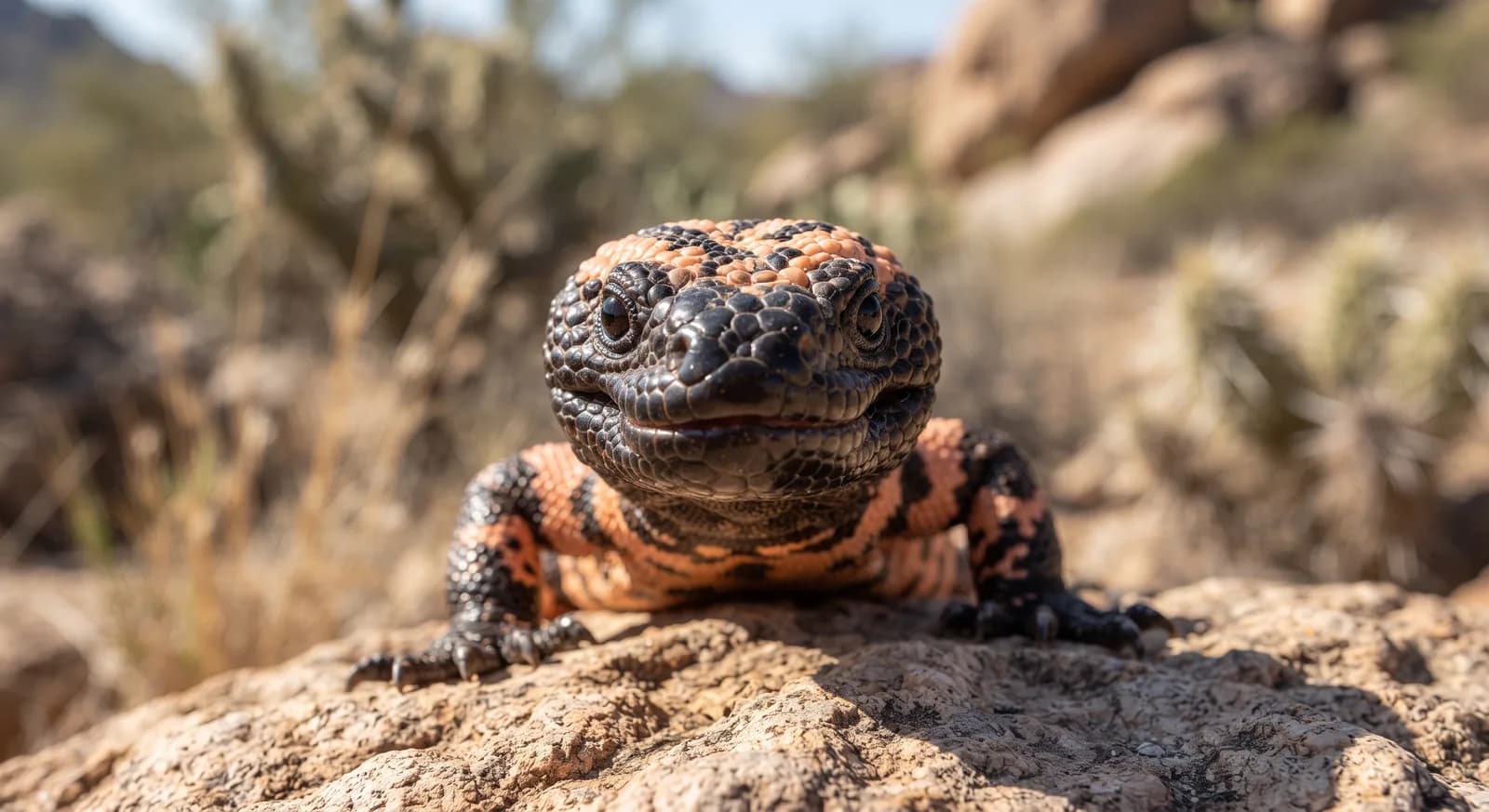 Near Threatened
Gila Monster
Heloderma suspectum
Margay
Leopardus wiedii
Tarantula Hawk Wasp
Pepsis grossa
 Near Threatened
Neotropical Otter
Lontra longicaudis
Giant Vinegaroon
Mastigoproctus giganteus
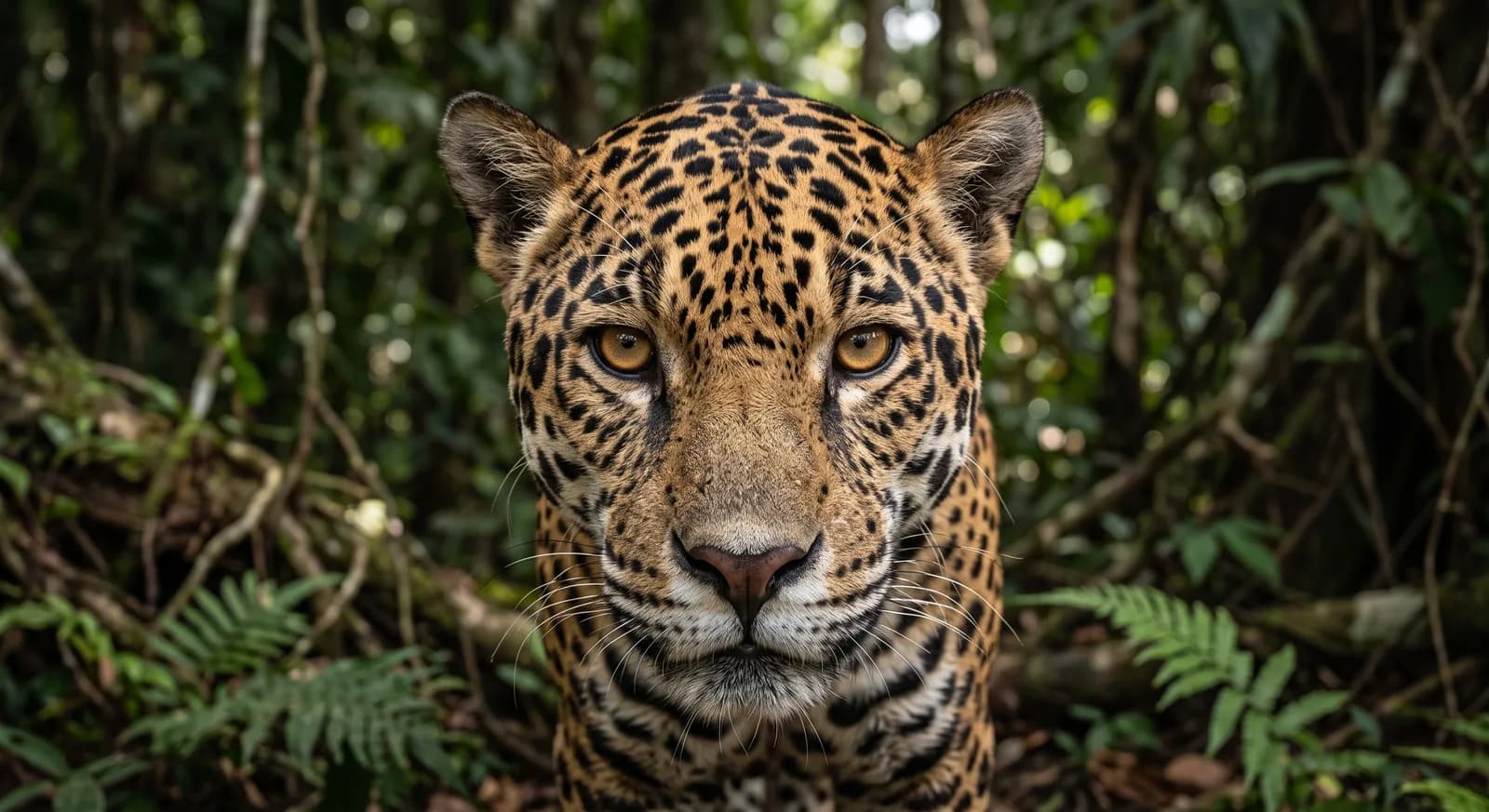 Near Threatened
Jaguar
Panthera onca
Keep exploring
Based on what we already know about mexican orangeknee.
Comments
Share an experience, a fun fact or a tip for seeing the mexican orangeknee.
Be the first to comment.