Anticosti
Canada · North AmericaThe island with the most complete fossil record of the first mass extinction of animal life, 447-437 million years ago.
Area
7,923 km²
Declared in
2023
Region
North America
Climate
Templado, Polar / frío
Best time
June to September
Highlight
Ordovician-Silurian succession of the first mass extinction
Anticosti, the largest island in Quebec, lies in the Gulf of St Lawrence between the Jacques-Cartier and Honguedo straits. With more than 9,200 km² and 550 kilometres of coastline, it holds the thickest stratigraphic succession and the most complete and best-preserved fossil record of the first mass extinction of animal life on a global scale, which took place between 447 and 437 million years ago, at the transition from the Late Ordovician to the Early Silurian. UNESCO inscribed it on the World Heritage List on 19 September 2023 under criterion (viii); it was an interval of Earth's history that until then had not been represented on the List.
The island exposes an almost continuous succession of carbonate rocks laid down in a shallow tropical sea, with the Vauréal, Ellis Bay, Becscie, Gun River and Jupiter formations covering some ten million years. More than 1,440 fossil taxa have been described, the greatest taxonomic diversity and the greatest abundance of invertebrates of all the known localities of the end-Ordovician extinction, an event in which an estimated 85 % of species disappeared. There are sites of exceptional preservation with soft-bodied benthic fauna, algae, cyanobacteria, foraminifera, sponges, corals, annelids, molluscs, brachiopods, arthropods, crinoids, graptolites and conodonts, as well as dense banks of brachiopod shells and tropical reefs. Thousands of bedding surfaces allow whole marine communities, buried at a stroke by passing storms, to be studied with their ecological structure intact. Preservation is so good that the shells retain their original chemical signature, which makes it possible to reconstruct ancient climatic and oceanographic signals.
The inscribed property comprises all the fossil-bearing beds exposed along the coast and along the Vauréal and Jupiter rivers, and lies entirely within a network of strictly protected areas: a projected biodiversity reserve, a Quebec national park and two ecological reserves. The island is also Notiskuan ("where bears are hunted") to the Innu and Natogostec ("the land of before") to the Mi'kmaq, and the Innu communities of Ekuanitshit and Nutashkuan, in whose Nitassinan the property lies, gave their consent and took an active part in the nomination. Barely 200 people live there.
Location
See on the interactive map68 species documented in Anticosti
At conservation risk:Anguila americana,Anjova,Atún rojo,Bacalao del Atlántico,Marrajo dientuso,Marrajo sardinero,Mielga,Murciélago café pequeño,Rorcual boreal
Almeja de arena
Mya arenaria
Almeja surf atlántica
Spisula solidissima
Ampelis americano
Bombycilla cedrorum
Anguila americana
Anguilla rostrata
Anjova
Pomatomus saltatrix
Añapero yanqui
Chordeiles minor
Ardilla gris oriental
Sciurus carolinensis
Ardilla listada oriental
Tamias striatus
Arenque del Atlántico
Clupea harengus
Arrendajo azul
Cyanocitta cristata
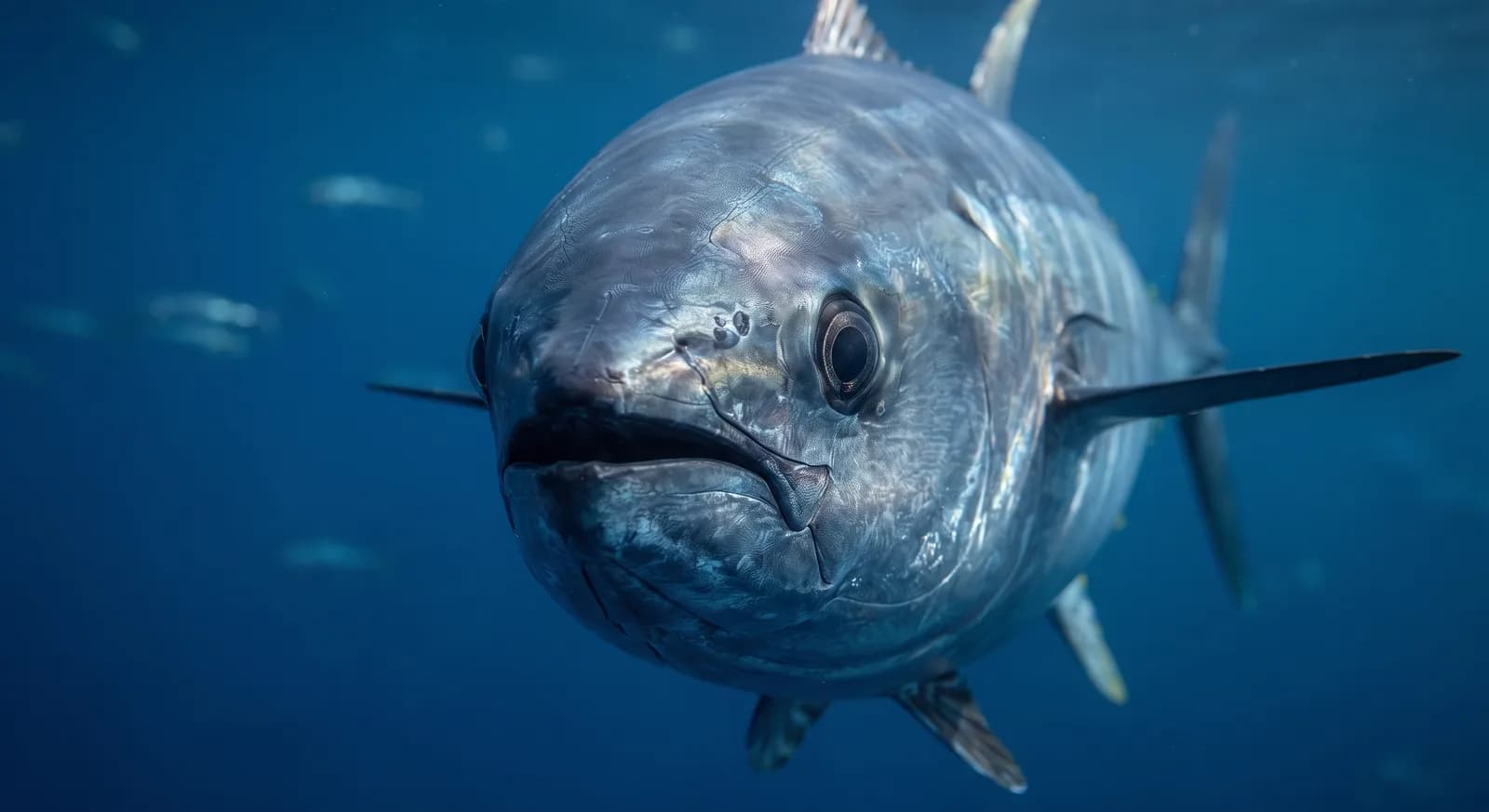 Endangered
Atún rojo
Thunnus thynnus
Aura gallipavo
Cathartes aura
Flora and ecosystems
Ecosystems found in Canada, where Anticosti lies.
Experiences in this park
Similar parks
Which other parks are like this one?
Acantilados fosilíferos de Joggins
Canada
Hylonomus Lyelli (fossil) · Dendrerpeton (fossil)
Junio a septiembre
View parkMismo país: Canada
Miguasha
Canada
Eusthenopteron Foordi (fossil) · Elpistostege (fossil)
Junio a septiembre
View parkMismo país: Canada
Keep exploring
Based on what we already know about Anticosti.
Your rating
How many stars would you give Anticosti?
Comments
Share your experience visiting Anticosti, or a tip for other travellers.
Be the first to comment.