Birds · Passeriformes · Corvidae
Blue Jay
Cyanocitta cristata
The species is abundant and widely distributed; it faces no significant short-term risk. See full glossary
The blue jay is a striking corvid of eastern North America, deep blue above and white below, with a black collar and an erectile crest. It is noisy, intelligent and notably opportunistic. It buries acorns by the thousand every autumn, and those it forgets germinate: it is credited with an important role in the northward spread of oaks after the last glaciation.
Weight
70 g – 100 g
Size
22 cm – 30 cm
Lifespan
17 years
Diet
Omnivore
Combines animal and plant food depending on availability.
Activity
Diurnal
Active mainly during the day.
Social structure
In pairs
Usually lives in pairs, sometimes for life.
Sighting difficulty
Easy
Fun facts
- inteligenciaIt mimics the calls of raptors such as the red-tailed hawk with great accuracy, possibly to scare other birds off a food source.
- Its blue does not exist as a pigment: the feathers contain brown melanin, and the colour comes from light scattering in internal microstructures. A crushed feather stops being blue and turns grey.
- It imitates the cry of the red-tailed hawk to clear the bird feeders or to check whether a raptor is nearby.
- A single jay is reckoned to be able to bury several thousand acorns in one autumn, and its ability to carry them for kilometres made it an engine of the spread of oak woods after the last glaciation.
Life cycle & biology
- Skeleton type
- Vertebrate - internal bony skeleton (bird)
- Habitat & environment
- Deciduous oak and beech woodland, parks and gardens of eastern North America
- Size at birth
- Altricial: born blind, naked or with sparse down and entirely dependent
- Sexual maturity
- 12 months
- Gestation / incubation
- 17 days
- Litter / clutch size
- 4
Sources consulted: https://es.wikipedia.org/wiki/Cyanocitta_cristata
Where to find it
See its range on the interactive mapBest time: All year round in eastern North America, by day; in autumn it is very visible carrying and burying acorns.
Where to watch it
Parques y spots de buceo donde se ha documentado esta especie — se muestran 10 de 38 documentados.
Related species
Other species in the catalogue with the most in common with Blue Jay — same habitat, park, country, tags or family.
Canada Jay
Perisoreus canadensis
 Least Concern
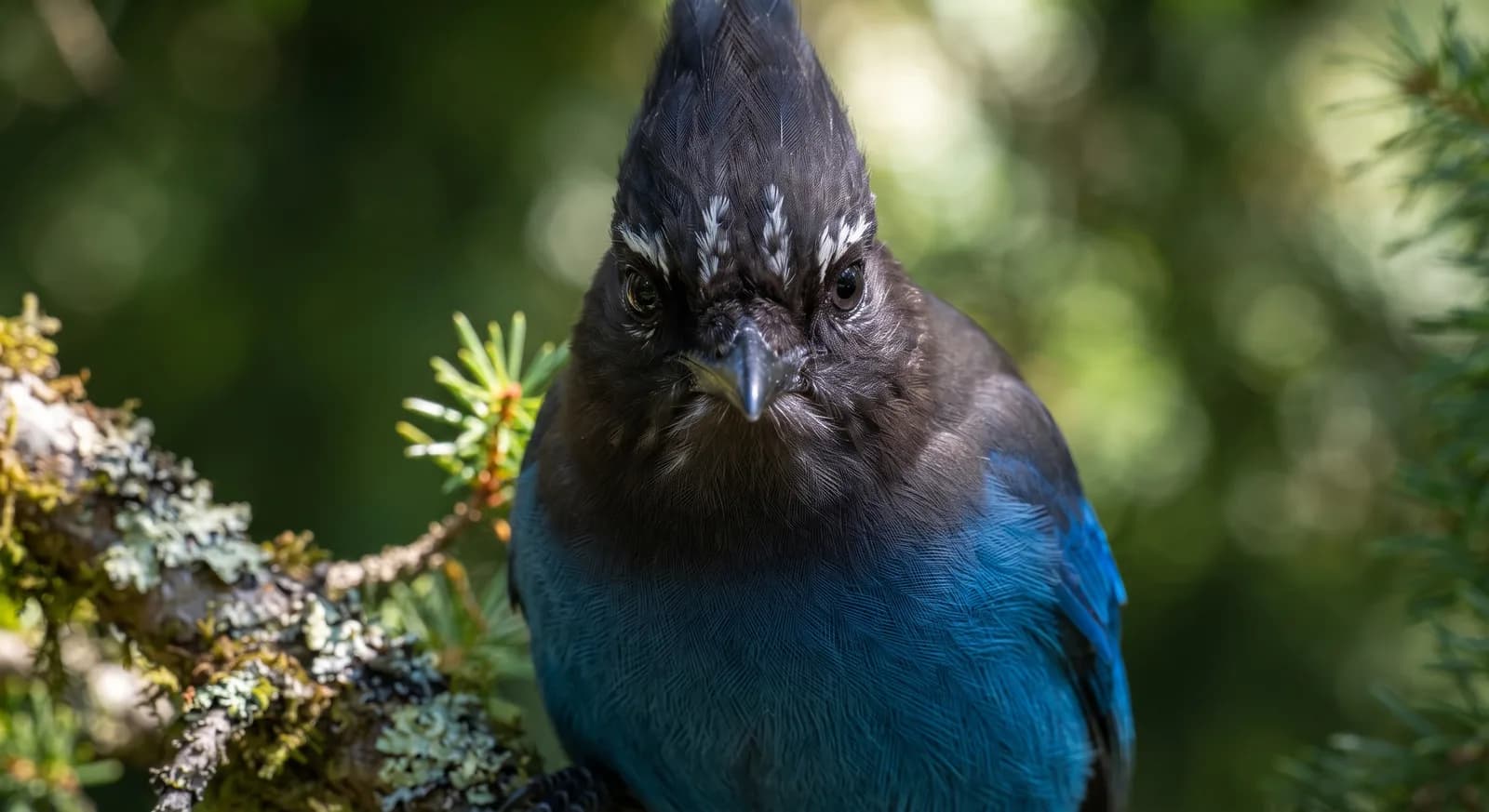
Steller's Jay
Cyanocitta stelleri
Clark's Nutcracker
Nucifraga columbiana
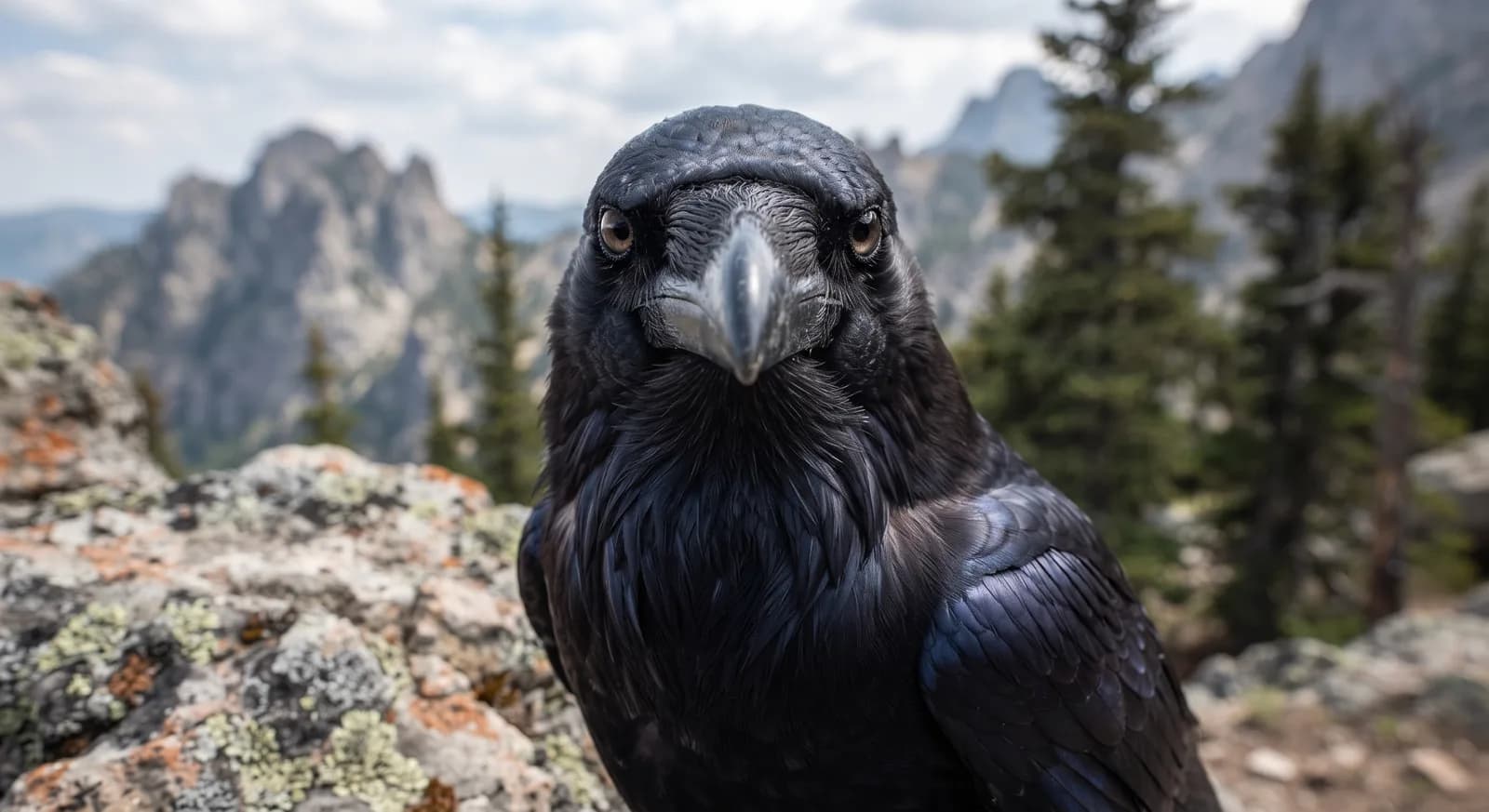 Least Concern
Common Raven
Corvus corax
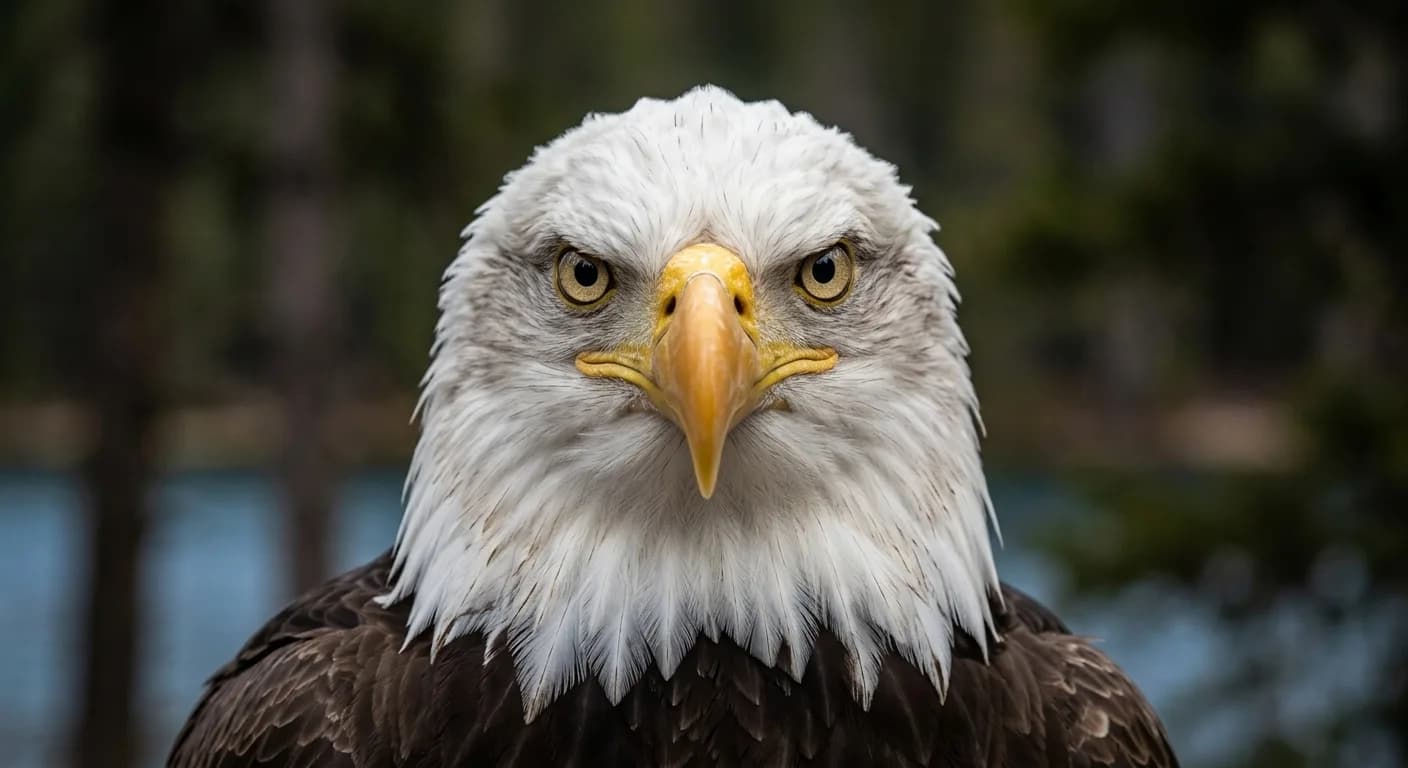 Least Concern
Bald Eagle
Haliaeetus leucocephalus
Wood Duck
Aix sponsa
Keep exploring
Based on what we already know about blue jay.
Comments
Share an experience, a fun fact or a tip for seeing the blue jay.
Be the first to comment.