One of the 8 bears on WAnimals
Mammals · Carnivora · Ursidae
Brown Bear
Ursus arctos horribilis
It has not yet been assessed against the IUCN criteria. See full glossary
The grizzly is the interior subspecies of the brown bear in North America, smaller than the coastal bears of Alaska because it has less salmon available. It is omnivorous and opportunistic: roots, berries, insects, rodents, carrion and ungulates according to the season. It is recognised by the muscular hump over the shoulders and the concave facial profile. It once occupied the whole western half of the United States and today survives in Alaska, western Canada and a few ecosystems of the Rockies.
Weight
130 kg – 360 kg
Size
1.8 m – 2.5 m
Lifespan
25 years
Diet
Omnivore
Combines animal and plant food depending on availability.
Activity
Crepuscular
Active above all at dawn and dusk.
Social structure
Solitary
Lives and hunts alone, joining others only to breed.
Sighting difficulty
Unknown
Fun facts
- GeneralA subspecies of brown bear; it puts on as much as 180 kg before hibernating, on salmon and berries.
- The hump on its back is muscle, not fat: it is what drives the forelimbs when digging, and it is the most reliable feature for telling it apart from the black bear.
- During hibernation it goes for months without eating, drinking or defecating, and even so it barely loses muscle mass or bone density; that mechanism is being studied as a route to treating human osteoporosis and muscle wasting.
Life cycle & biology
- Skeleton type
- Vertebrate - internal bony skeleton (mammal)
- Habitat & environment
- Forest, alpine meadows, tundra and river valleys of western North America
- Birth weight
- 400 - 500 g
- Size at birth
- About 30 cm; born blind and almost hairless, while the mother hibernates
- Sexual maturity
- 5 years
- Gestation / incubation
- 7 months (with delayed implantation)
- Litter / clutch size
- 2
Sources consulted: https://es.wikipedia.org/wiki/Ursus_arctos_horribilis
Where to find it
See its range on the interactive mapBest time: From July to September in Alaska and British Columbia, during the salmon run, when they gather at rivers such as those of Katmai.
Where to watch it
Parques y spots de buceo donde se ha documentado esta especie — se muestran 10 de 26 documentados.
Related species
Other species in the catalogue with the most in common with Brown Bear — same habitat, park, country, tags or family.
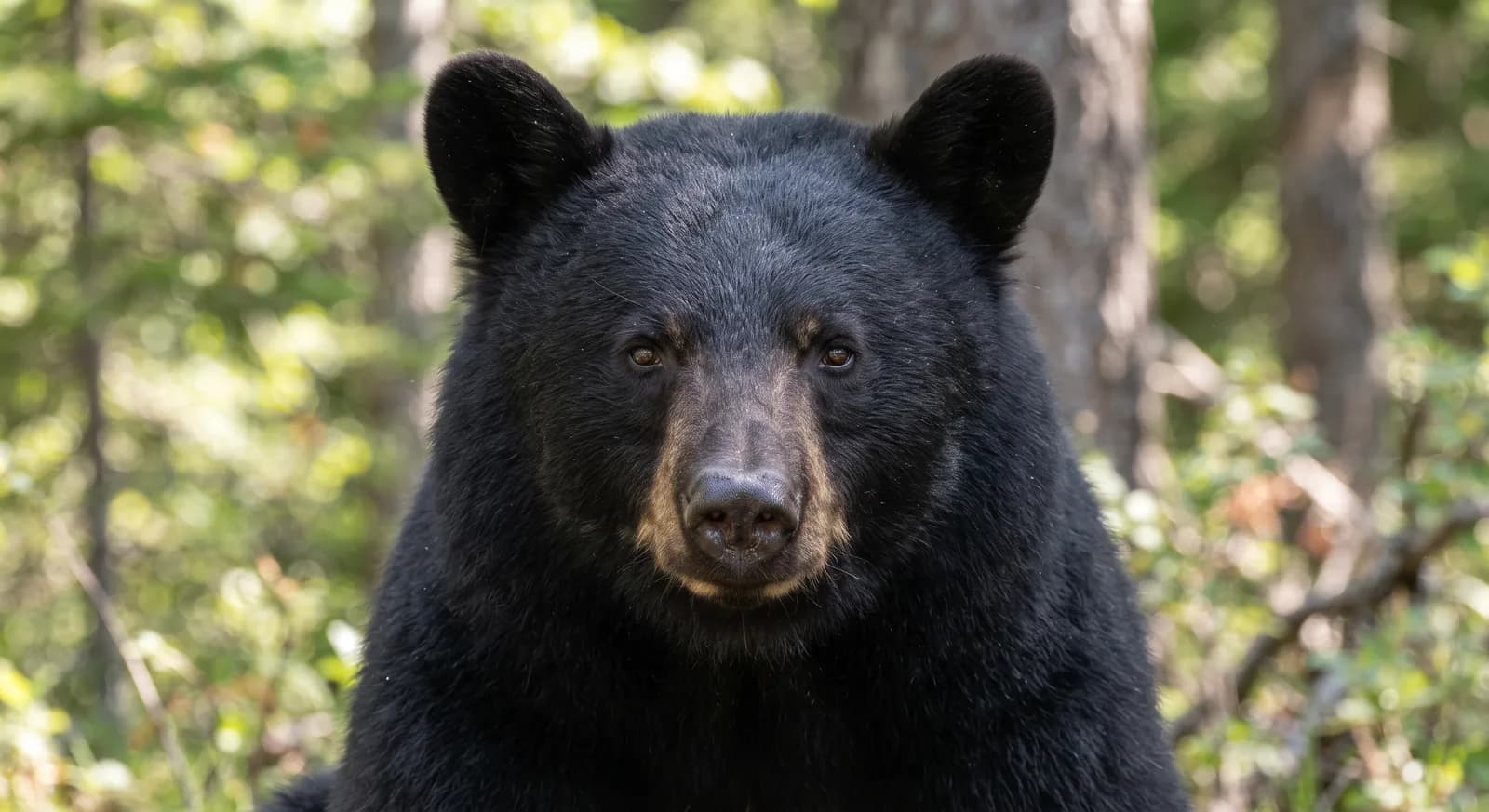 Least Concern
American Black Bear
Ursus americanus
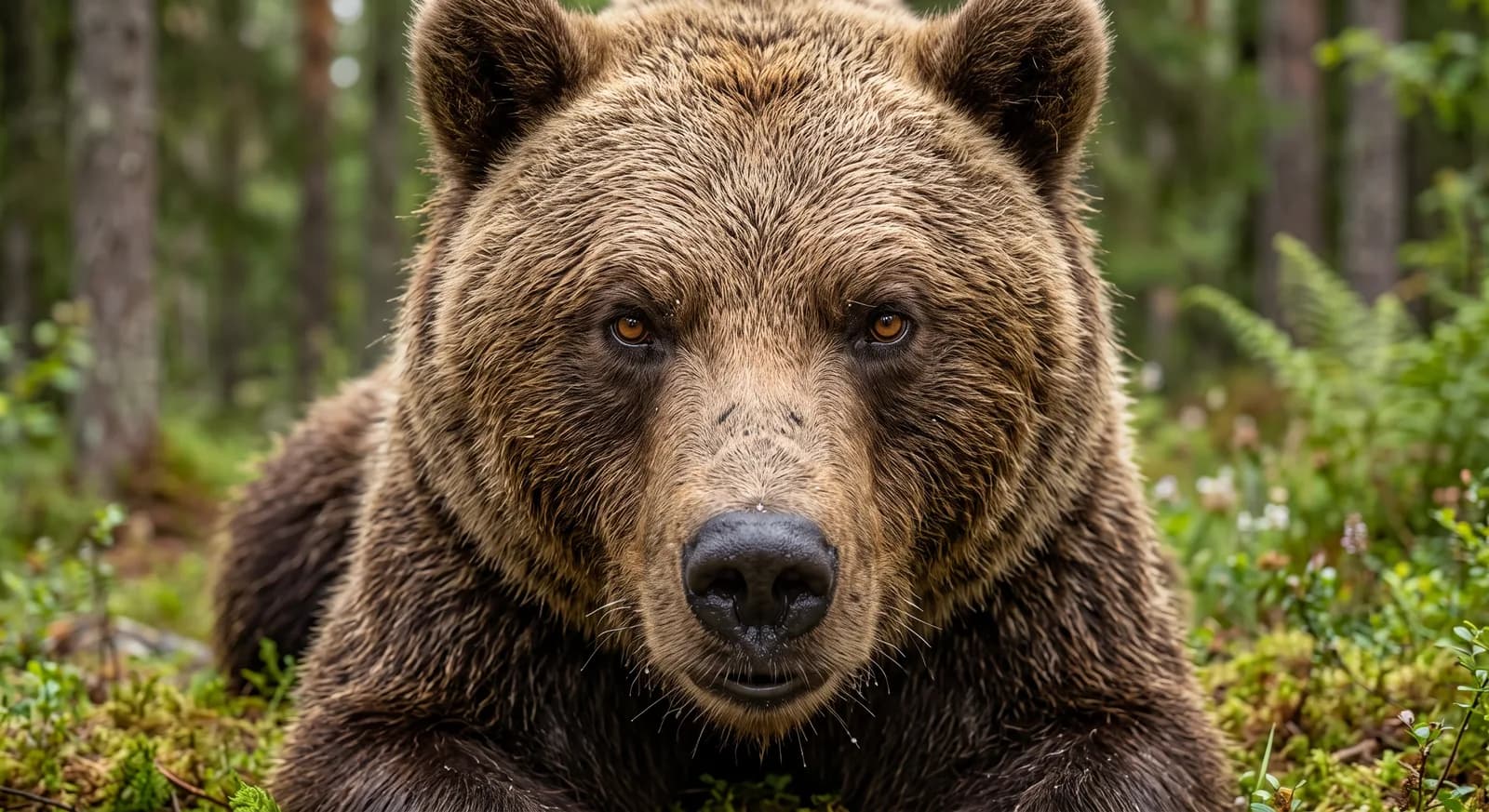 Least Concern
Brown Bear
Ursus arctos
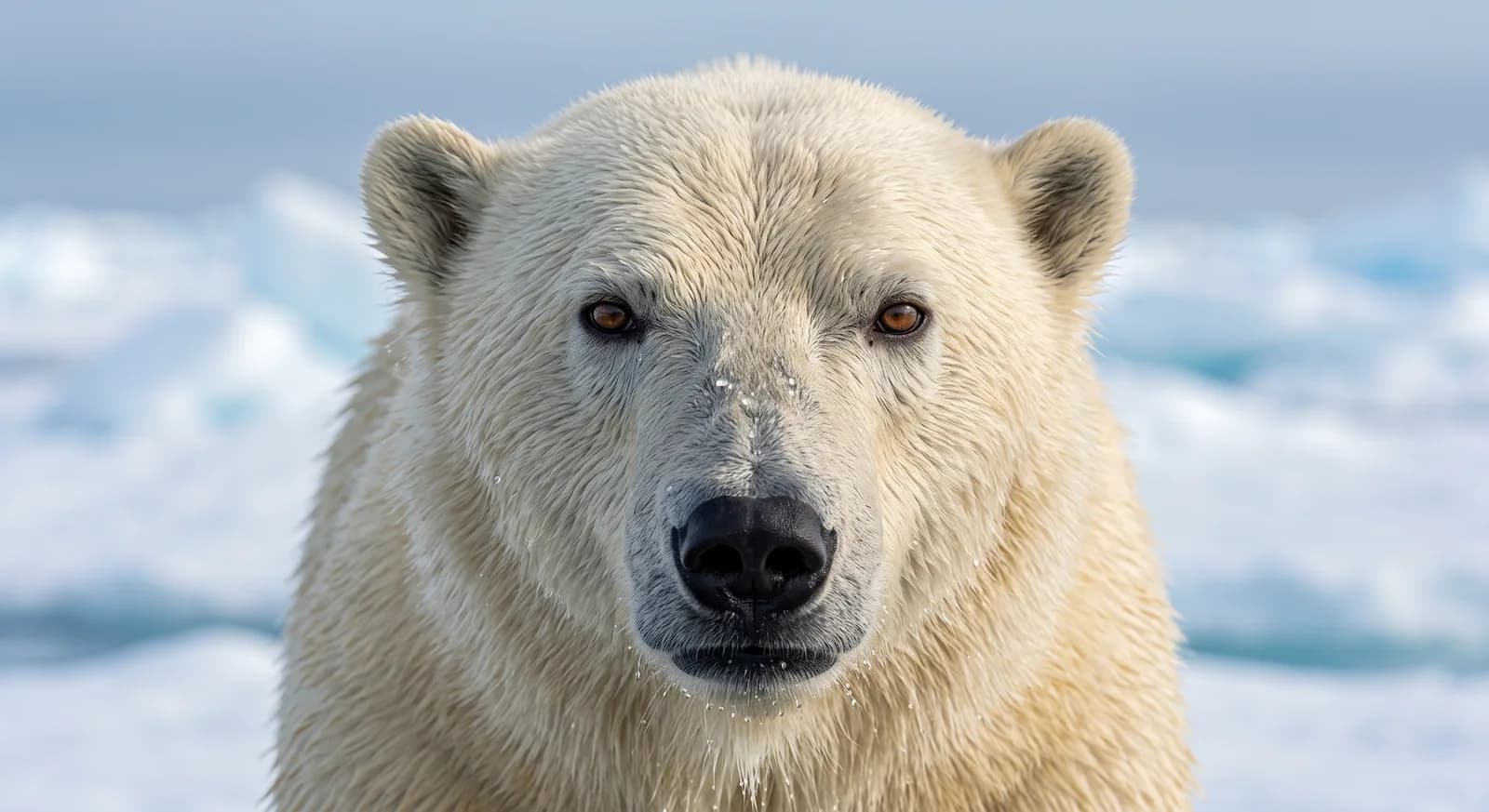 Vulnerable
Polar Bear
Ursus maritimus
Bushy-tailed Woodrat
Neotoma cinerea
North American Porcupine
Erethizon dorsatum
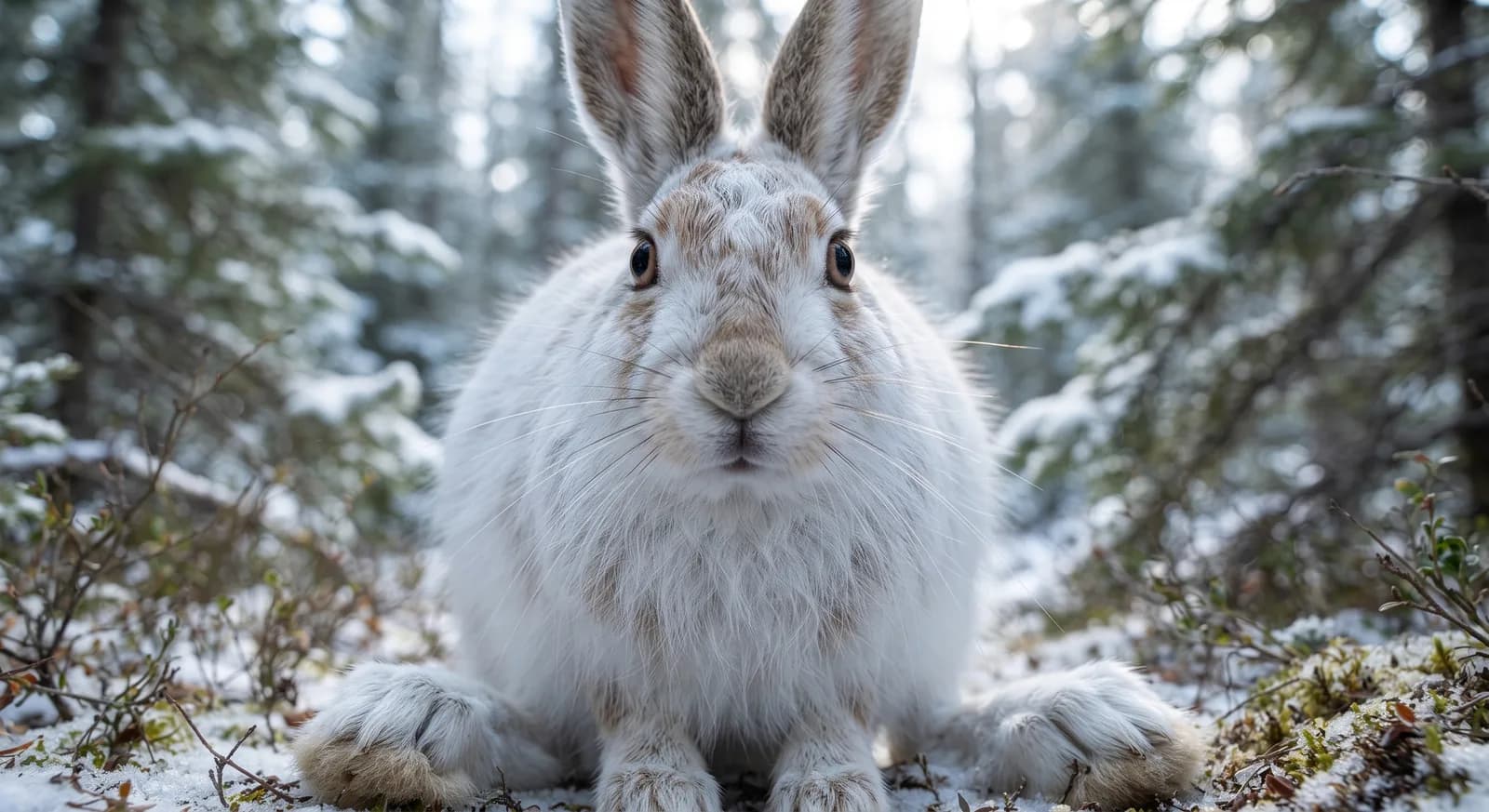 Least Concern
Snowshoe Hare
Lepus americanus
Keep exploring
Based on what we already know about brown bear.
Comments
Share an experience, a fun fact or a tip for seeing the brown bear.
Be the first to comment.