One of the 5 porcupines on WAnimals
Mammals · Rodentia · Erethizontidae
North American Porcupine
Erethizon dorsatum
The species is abundant and widely distributed; it faces no significant short-term risk. See full glossary
It is the second largest rodent in North America after the beaver, and its roughly 30,000 quills detach easily on contact but are never actively fired, contrary to popular belief.
Weight
5 kg – 18 kg
Size
60 cm – 93 cm
Lifespan
6 years
Diet
Herbivore
Feeds mainly on plants.
Activity
Nocturnal
Active mainly at night.
Social structure
Solitary
Lives and hunts alone, joining others only to breed.
Sighting difficulty
Easy
Fun facts
- Its quills are in fact modified hairs with microscopic barbed tips.
- It eats bark, leaves, shoots and herbaceous plants.
- It lives in forest, open tundra and desert scrub across much of North America.
- defensaIts quills carry tiny microscopic barbs at the tip, much like a fish hook, which makes them hard to pull out once lodged in an attacker's skin.
Life cycle & biology
- Skeleton type
- Vertebrate - internal bony skeleton (mammal)
- Habitat & environment
- Forest, open tundra and desert scrub across much of North America
- Birth weight
- ~450 g at birth (about a pound), precocial, eyes open and with soft quills that harden within an hour
- Size at birth
- ~450 g at birth
- Sexual maturity
- 15-16 months (a first litter in its second autumn)
- Gestation / incubation
- 205-217 days (~7 months)
- Litter / clutch size
- 1 young per birth (twins rare)
- Lifespan in captivity
- Documented record of up to 23.4 years
Sources consulted: Animal Diversity Web; PA Game Commission; NHPBS NatureWorks; Zoo New England; AnAge (genomics.senescence.info); Smithsonian National Zoo
Where to find it
See its range on the interactive mapBest time: All year round, at night; it is easiest to find in winter, when its outline stands out against the bare branches as it gnaws at the bark.
Where to watch it
Parques y spots de buceo donde se ha documentado esta especie — se muestran 10 de 57 documentados.
Related species
Other species in the catalogue with the most in common with North American Porcupine — same habitat, park, country, tags or family.
Virginia Opossum
Didelphis virginiana
Bushy-tailed Woodrat
Neotoma cinerea
Southern Flying Squirrel
Glaucomys volans
 Least Concern
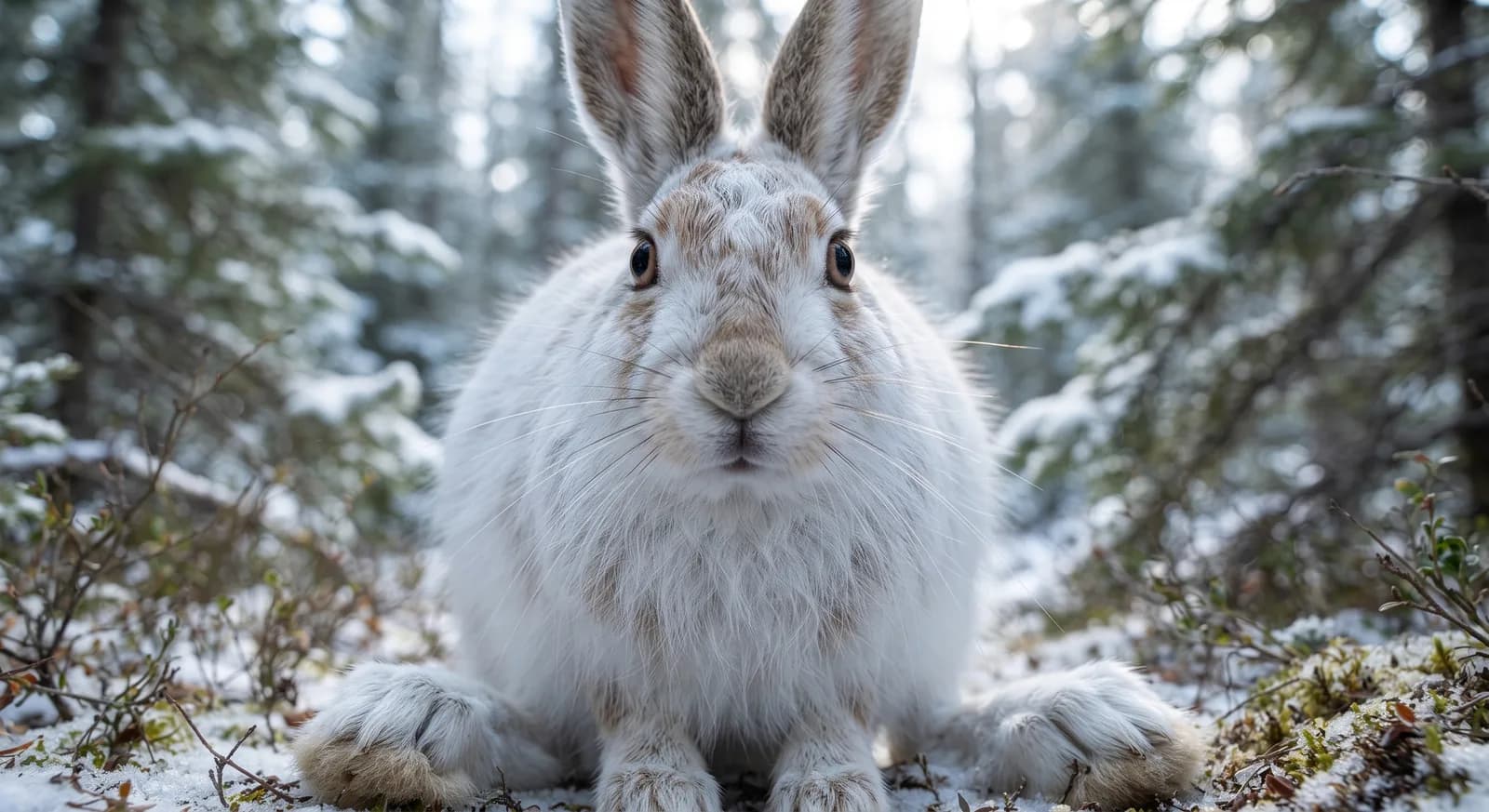
Snowshoe Hare
Lepus americanus
Eastern Cottontail
Sylvilagus floridanus
 Least Concern
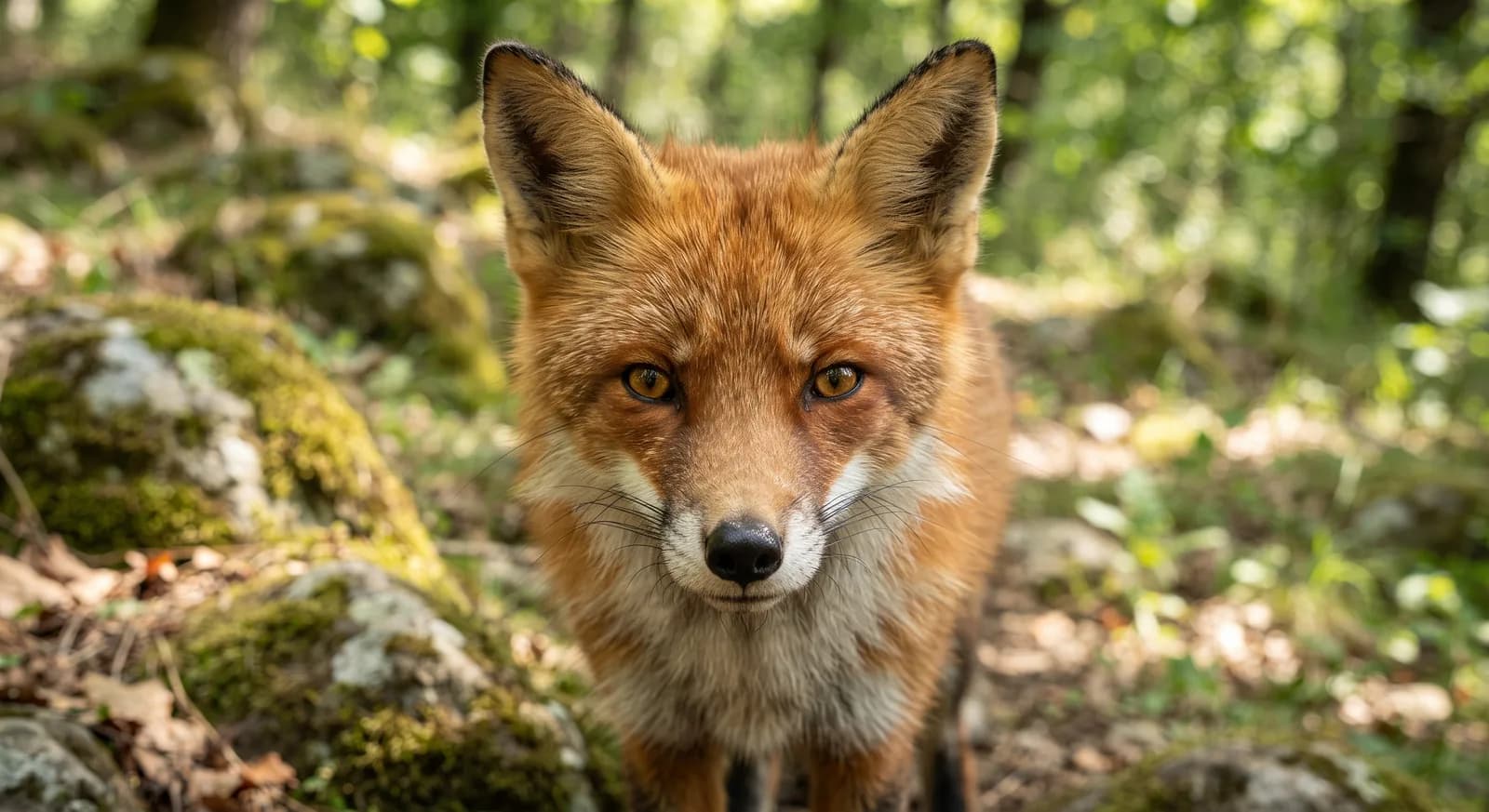
Red Fox
Vulpes vulpes
Keep exploring
Based on what we already know about north american porcupine.
Comments
Share an experience, a fun fact or a tip for seeing the north american porcupine.
Be the first to comment.