One of the 8 bears on WAnimals
Mammals · Carnivora · Ursidae
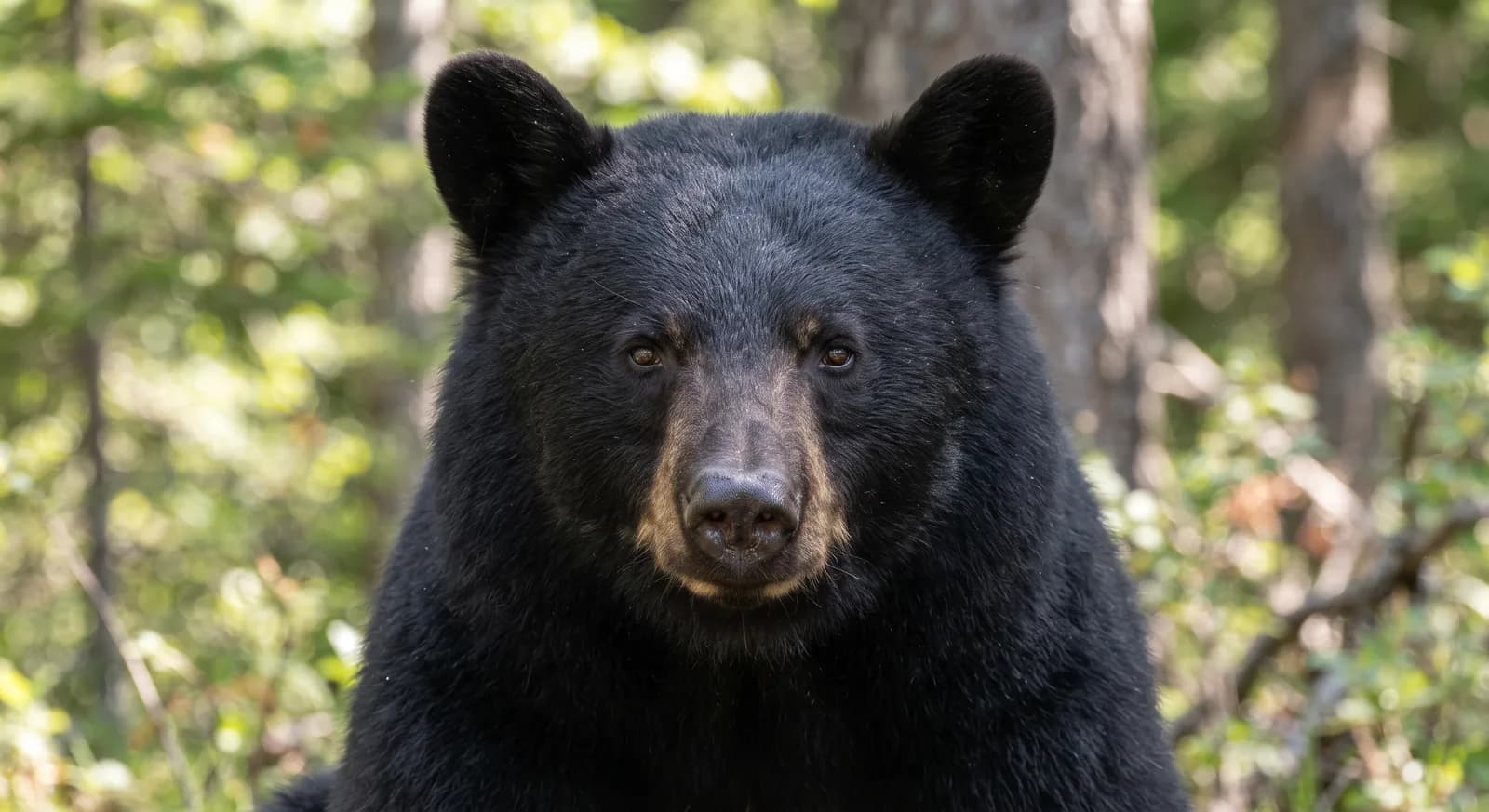
American Black Bear
Ursus americanus
The species is abundant and widely distributed; it faces no significant short-term risk. See full glossary
It gives birth to the smallest young of any placental mammal relative to adult size, a consequence of the birth happening during hibernation.
Weight
40 kg – 300 kg
Size
1.3 m – 1.9 m
Lifespan
20 years
Diet
Omnivore
Combines animal and plant food depending on availability.
Activity
Irregular activity
Active at irregular times, by day or night depending on circumstances.
Social structure
Solitary
Lives and hunts alone, joining others only to breed.
Sighting difficulty
Easy
Fun facts
- Through hibernation the mother neither eats, drinks nor urinates for months.
- It feeds on emerging plants, fruit, nuts, insects, carrion and occasionally small ungulates.
- It lives in forests across much of North America, from Mexico to Canada.
- anatomíaDespite its name its coat comes in a range of colours, including brown and cinnamon and, in particular Canadian populations, an unusual creamy white (the spirit bear).
Life cycle & biology
- Skeleton type
- Vertebrate - internal bony skeleton (mammal)
- Habitat & environment
- Forests across much of North America, from Mexico to Canada
- Birth weight
- 200-450 g at birth, the smallest newborn relative to adult size of any placental mammal
- Size at birth
- 200-450 g at birth
- Sexual maturity
- Female: 2-9 years
- Gestation / incubation
- ~220 days with delayed implantation (only 10 weeks of active embryonic development)
- Litter / clutch size
- 1 to 5 young per litter (most commonly 2-3)
- Lifespan in captivity
- Documented record of up to 40-45 years
Sources consulted: iNaturalist; BioKIDS; AnAge (genomics.senescence.info); International Association for Bear Research and Management; Dimensions.com; A-Z Animals; Britannica
Where to watch it
Parques y spots de buceo donde se ha documentado esta especie — se muestran 10 de 41 documentados.
Related species
Other species in the catalogue with the most in common with American Black Bear — same habitat, park, country, tags or family.
 Least Concern
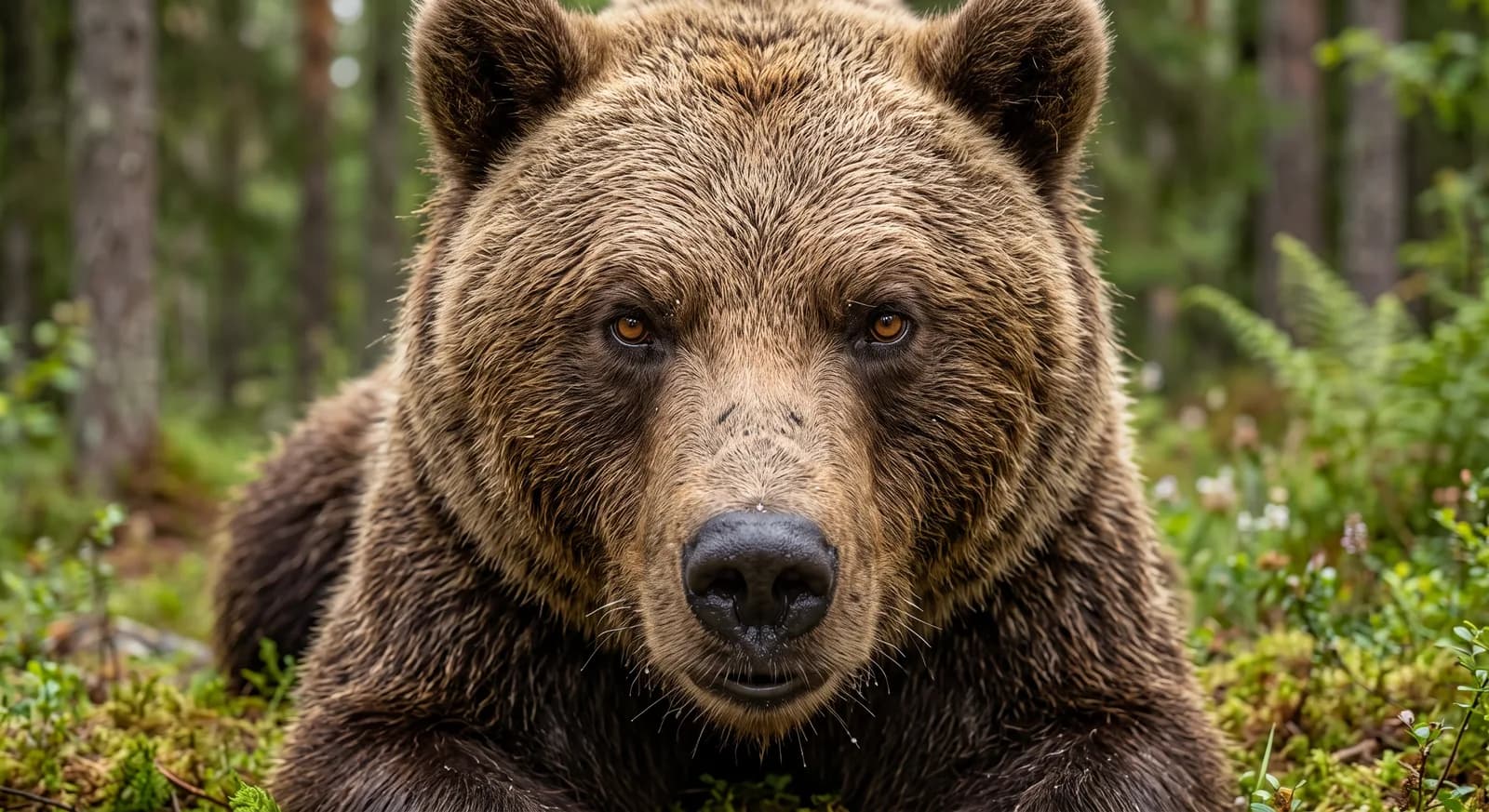
Brown Bear
Ursus arctos
Brown Bear
Ursus arctos horribilis
 Vulnerable
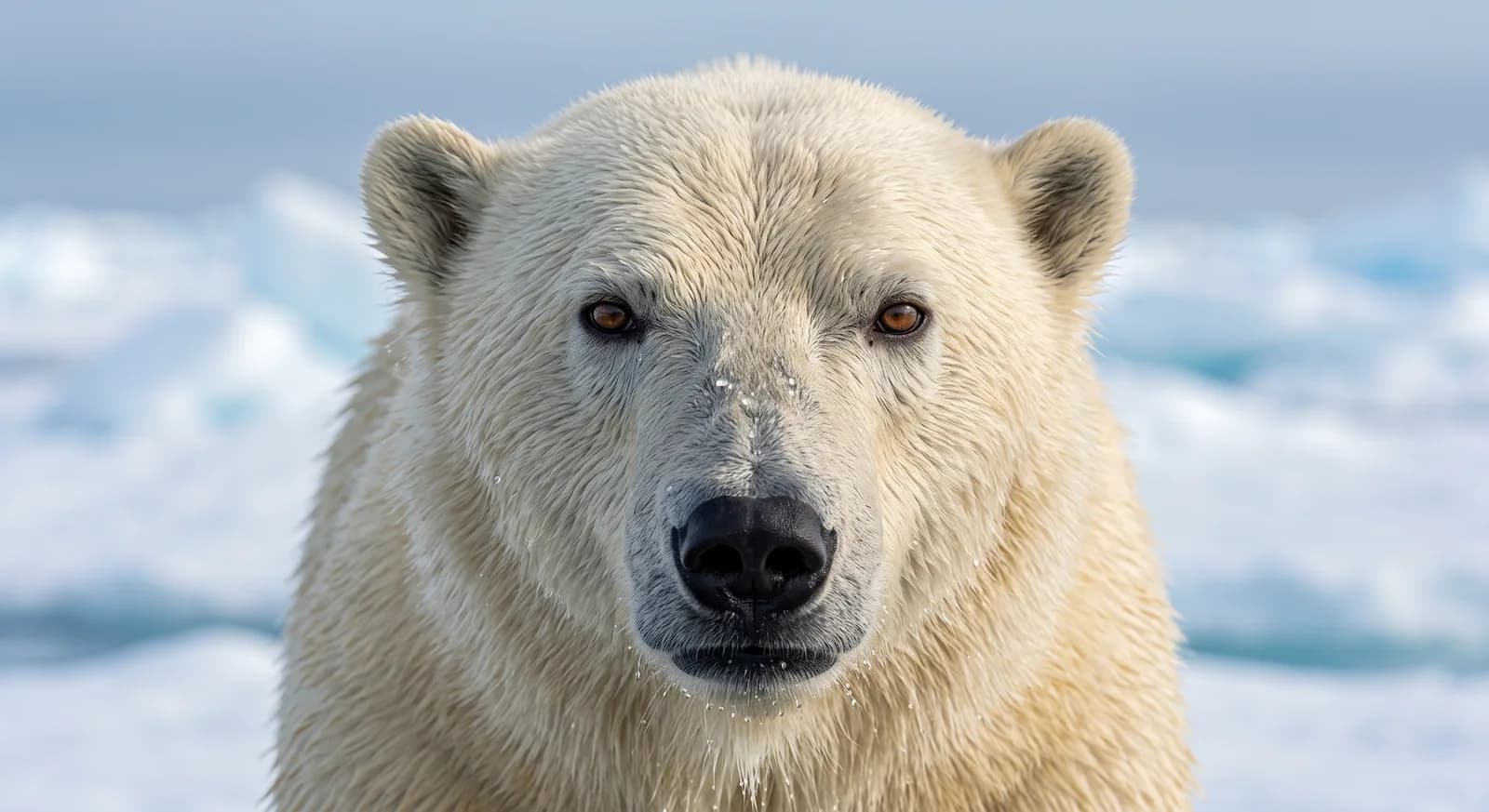
Polar Bear
Ursus maritimus
Virginia Opossum
Didelphis virginiana
Mexican Mouse Opossum
Marmosa mexicana
Star-nosed Mole
Condylura cristata
Keep exploring
Based on what we already know about american black bear.
Comments
Share an experience, a fun fact or a tip for seeing the american black bear.
Be the first to comment.