One of the 5 moles on WAnimals
Mammals · Eulipotyphla · Talpidae
Star-nosed Mole
Condylura cristata
The species is abundant and widely distributed; it faces no significant short-term risk. See full glossary
The star-nosed mole is one of the strangest mammals in the world: around its snout it wears a crown of twenty-two fleshy, mobile appendages forming a star. They are neither antennae nor noses, but a touch organ of extraordinary sensitivity with which it explores the substrate at dizzying speed. Unlike other moles it is semi-aquatic: it swims and dives easily in streams and pools, where it hunts aquatic invertebrates as well as earthworms and soil grubs.
Weight
35 g – 75 g
Size
15 cm – 20 cm
Lifespan
4 years
Diet
Insectivore
Feeds mainly on insects and other invertebrates.
Activity
Irregular activity
Active at irregular times, by day or night depending on circumstances.
Social structure
Solitary
Lives and hunts alone, joining others only to breed.
Sighting difficulty
Easy
Fun facts
- sentidosIt has 22 fleshy rays around its snout covered in thousands of touch receptors, and can identify and swallow prey in a fraction of a second, one of the fastest feeding reactions known in any mammal.
- Its nasal star packs more than 25,000 touch receptors into an area smaller than a human fingertip, the most sensitive touch organ known in any mammal.
- It is the fastest-eating mammal: it can find, identify and swallow a prey item in less than a quarter of a second, below the reaction time of the human nervous system.
Life cycle & biology
- Skeleton type
- Vertebrate - internal bony skeleton (mammal)
- Habitat & environment
- Damp and waterlogged soils, peat bogs, marshes and stream banks of north-eastern North America
- Sexual maturity
- 10 months
- Gestation / incubation
- 40 days
- Litter / clutch size
- 4.4 (average)
Sources consulted: https://www.iucnredlist.org/ | https://animaldiversity.org/ | https://es.wikipedia.org/
Where to watch it
Parques y spots de buceo donde se ha documentado esta especie — se muestran 10 de 30 documentados.
Related species
Other species in the catalogue with the most in common with Star-nosed Mole — same habitat, park, country, tags or family.
Eastern Mole
Scalopus aquaticus
 Least Concern
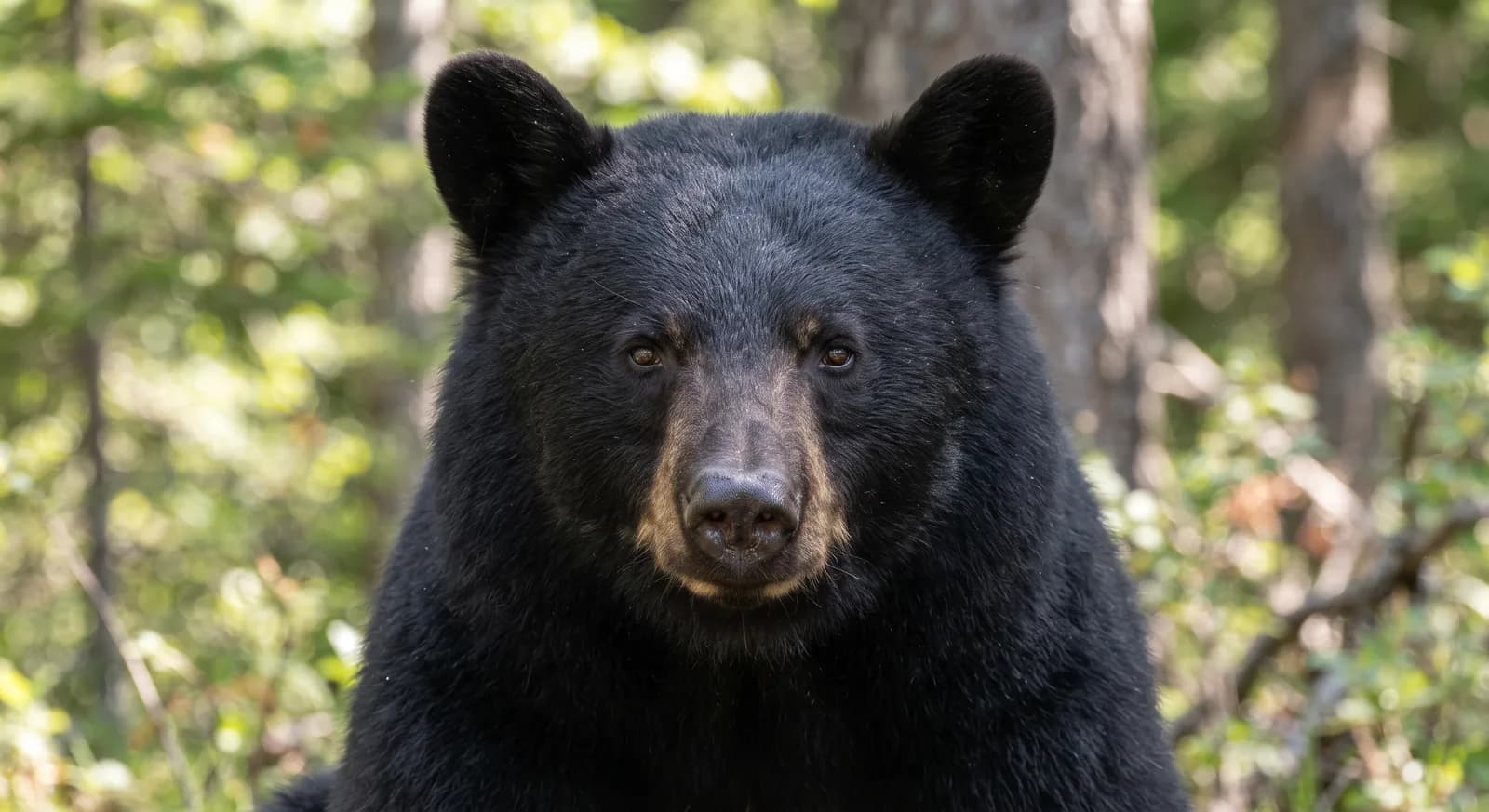
American Black Bear
Ursus americanus
 Least Concern
Moose
Alces alces
American Toad
Anaxyrus americanus
Spotted Salamander
Ambystoma maculatum
Keep exploring
Based on what we already know about star-nosed mole.
Comments
Share an experience, a fun fact or a tip for seeing the star-nosed mole.
Be the first to comment.