One of the 5 moles on WAnimals
Mammals · Eulipotyphla · Talpidae
Eastern Mole
Scalopus aquaticus
The species is abundant and widely distributed; it faces no significant short-term risk. See full glossary
Scalopus aquaticus is the most widespread mole in North America, occurring from southern Canada to northern Mexico. It lives underground in loose, well-drained soils, where it digs two kinds of tunnel: shallow feeding runs that raise the typical ridge of earth across a lawn, and deep galleries where it nests and spends the winter. It feeds on earthworms, grubs and insects. Its hands are enormous, turned outwards like spades, and its eyes are reduced to dots covered by skin.
Weight
30 g – 140 g
Size
11 cm – 17 cm
Lifespan
4 years
Diet
Insectivore
Feeds mainly on insects and other invertebrates.
Activity
Irregular activity
Active at irregular times, by day or night depending on circumstances.
Social structure
Solitary
Lives and hunts alone, joining others only to breed.
Sighting difficulty
Easy
Fun facts
- The epithet aquaticus is a historical mistake: Linnaeus gave it that name because of its webbed forefeet, believing it to be aquatic, when in fact those hands are spades for digging.
- In soft ground it can open more than five metres of tunnel in an hour, pushing the soil upwards rather than hauling it out.
Life cycle & biology
- Skeleton type
- Vertebrate - internal bony skeleton (mammal)
- Habitat & environment
- Loose, damp soils of meadows, fields, gardens and open woodland in eastern North America
- Sexual maturity
- 11 months
- Gestation / incubation
- 36 days
- Litter / clutch size
- 3
Sources consulted: https://es.wikipedia.org/wiki/Scalopus_aquaticus
Where to watch it
Parques y spots de buceo donde se ha documentado esta especie — se muestran 10 de 16 documentados.
Related species
Other species in the catalogue with the most in common with Eastern Mole — same habitat, park, country, tags or family.
Star-nosed Mole
Condylura cristata
Big Brown Bat
Eptesicus fuscus
Eastern Cottontail
Sylvilagus floridanus
 Least Concern
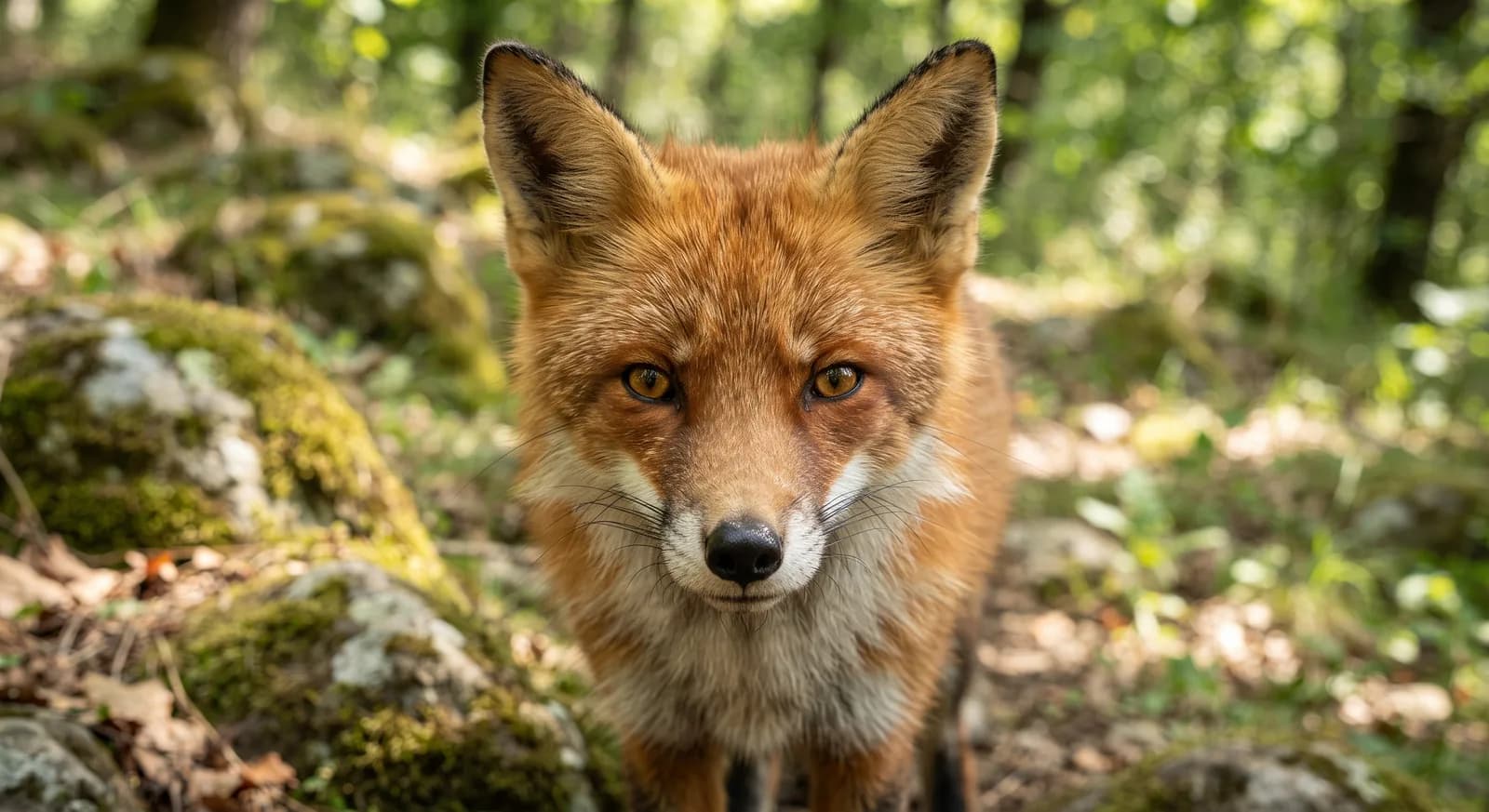
Red Fox
Vulpes vulpes
 Least Concern
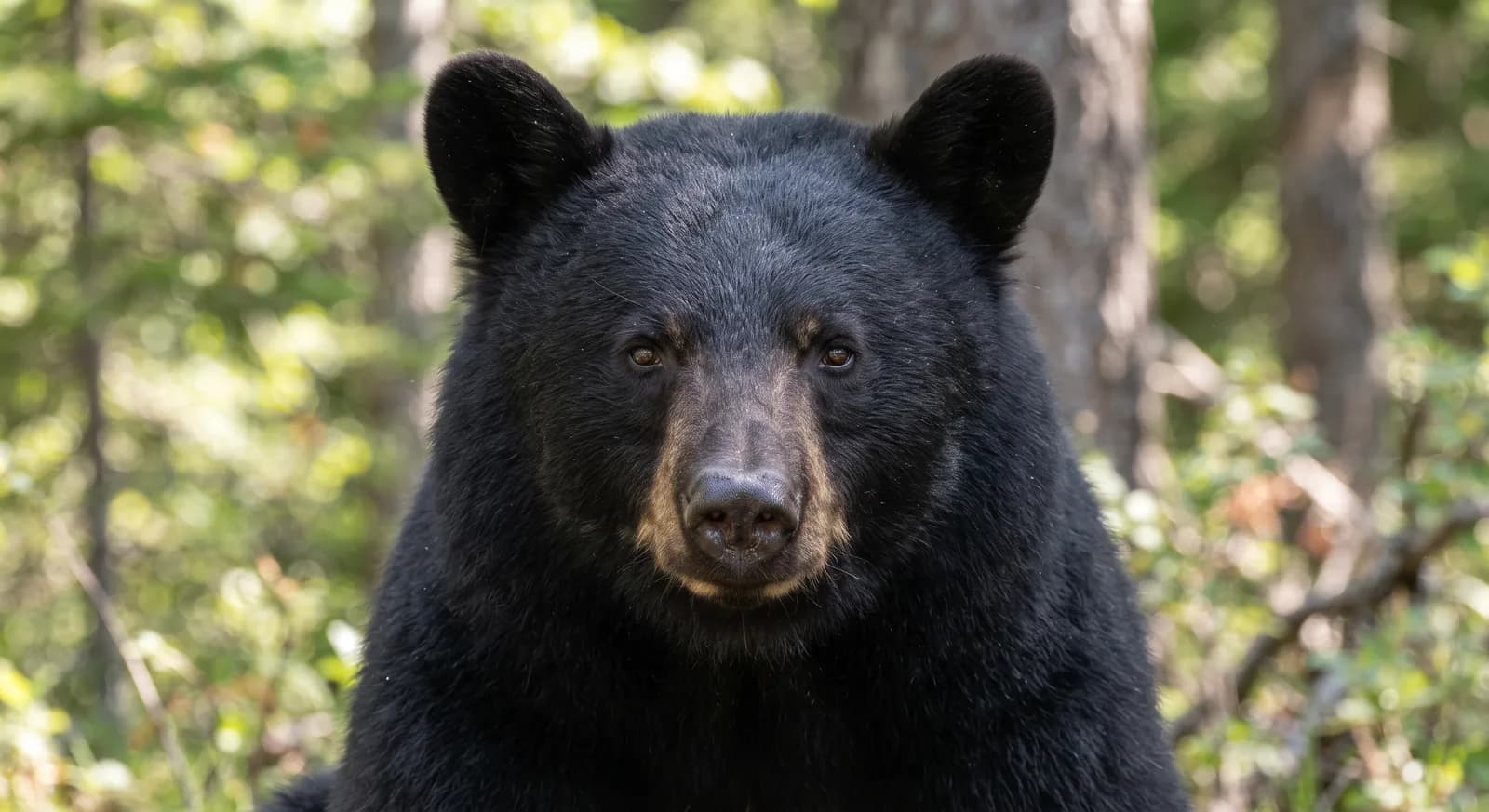
American Black Bear
Ursus americanus
 Least Concern
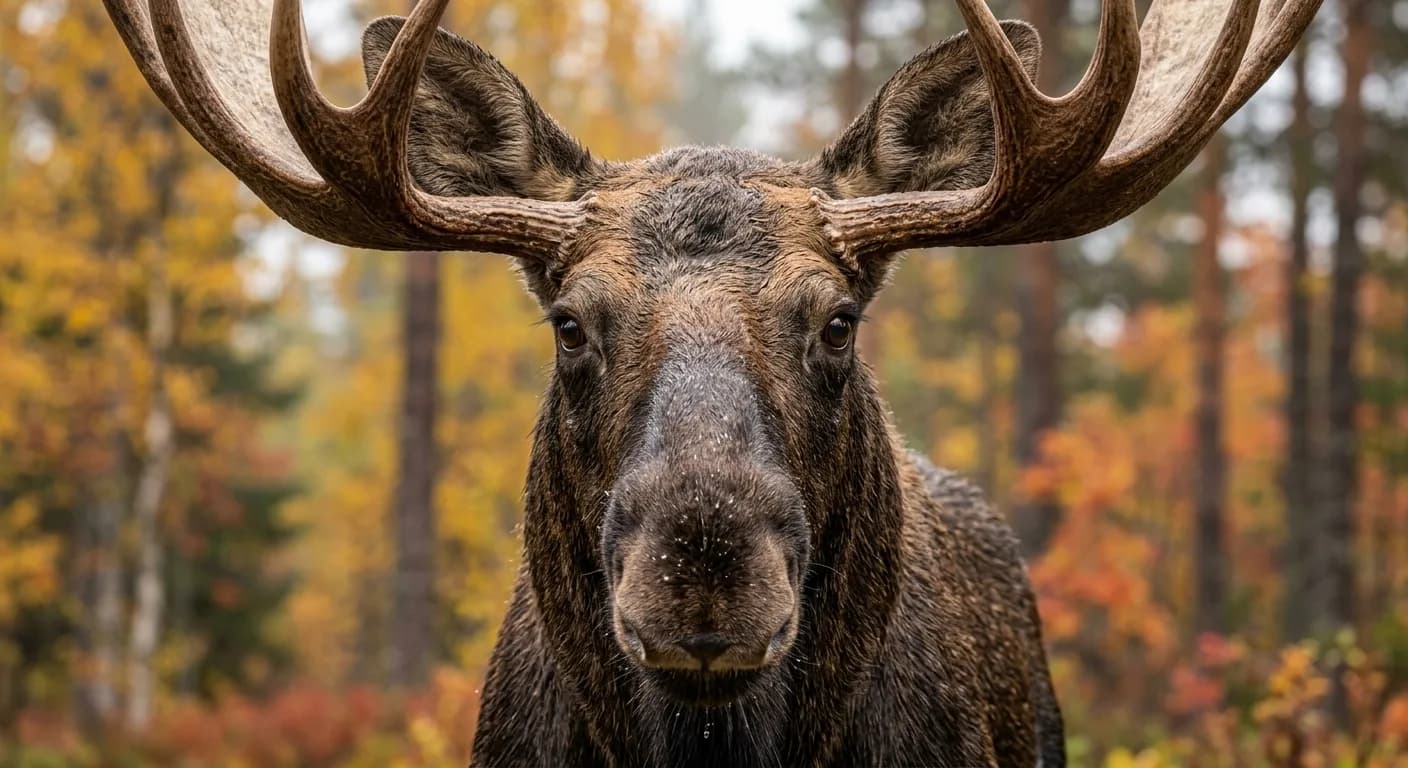
Moose
Alces alces
Keep exploring
Based on what we already know about eastern mole.
Comments
Share an experience, a fun fact or a tip for seeing the eastern mole.
Be the first to comment.