One of the 2 ostriches on WAnimals
Birds · Struthioniformes · Struthionidae
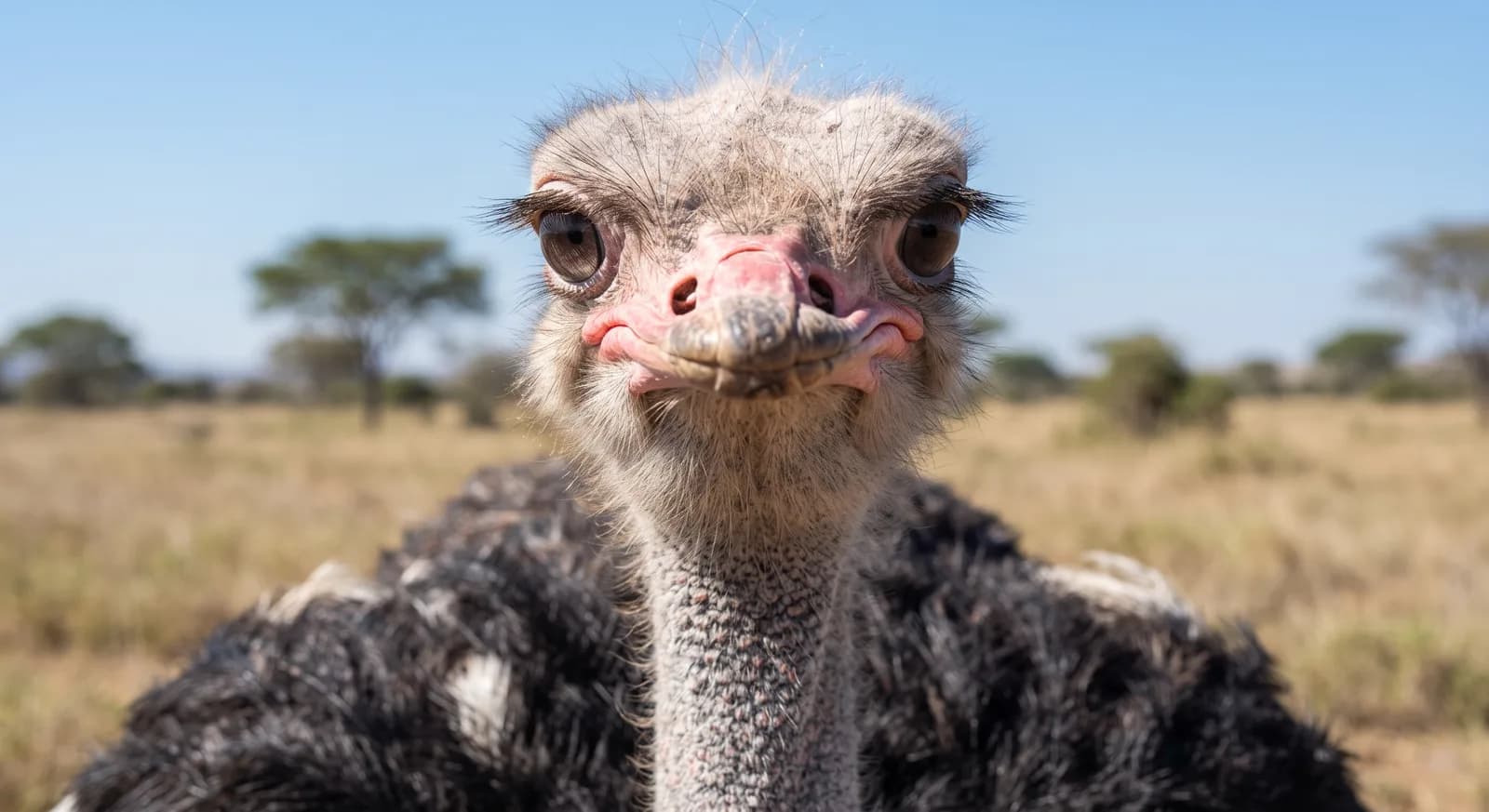
Somali Ostrich
Struthio molybdophanes
It faces a high risk of extinction in the wild over the medium term. See full glossary
The Somali ostrich is a struthioniform bird of the family Struthionidae that was regarded as a subspecies of the common ostrich until studies emphasised the differences between the various subspecies, with S. c. molybdophanes raised to a species of its own by BirdLife International. Others have since followed, among them Clements, the IOC and Zoonomen.
Weight
90 kg – 130 kg
Size
2 m – 2.5 m
Lifespan
40 years
Diet
Omnivore
Combines animal and plant food depending on availability.
Activity
Diurnal
Active mainly during the day.
Sighting difficulty
Moderate
Fun facts
- It was separated from the common ostrich as a species of its own only in 2014: the colour of the neck, blue-grey rather than pink, along with genetic and habitat differences, justified the split.
- Unlike the common ostrich, which prefers open savannah, this one browses among dense thorn scrub and is far less gregarious.
Life cycle & biology
- Skeleton type
- Vertebrate - internal bony skeleton (bird)
- Habitat & environment
- Semi-arid thorn scrub and shrubby savannah of the Horn of Africa
- Sexual maturity
- 4 years
- Gestation / incubation
- 45 days of incubation
- Litter / clutch size
- 10 eggs
Sources consulted: https://es.wikipedia.org/wiki/Struthio_molybdophanes
Where to watch it
Parks and dive sites where this species has been documented.
Related species
Other species in the catalogue with the most in common with Somali Ostrich — same habitat, park, country, tags or family.
Southern Ground-Hornbill
Bucorvus leadbeateri
Soemmerring's Gazelle
Nanger soemmerringii
 Least Concern
Common Ostrich
Struthio camelus
Rufous Elephant Shrew
Elephantulus rufescens
 Vulnerable
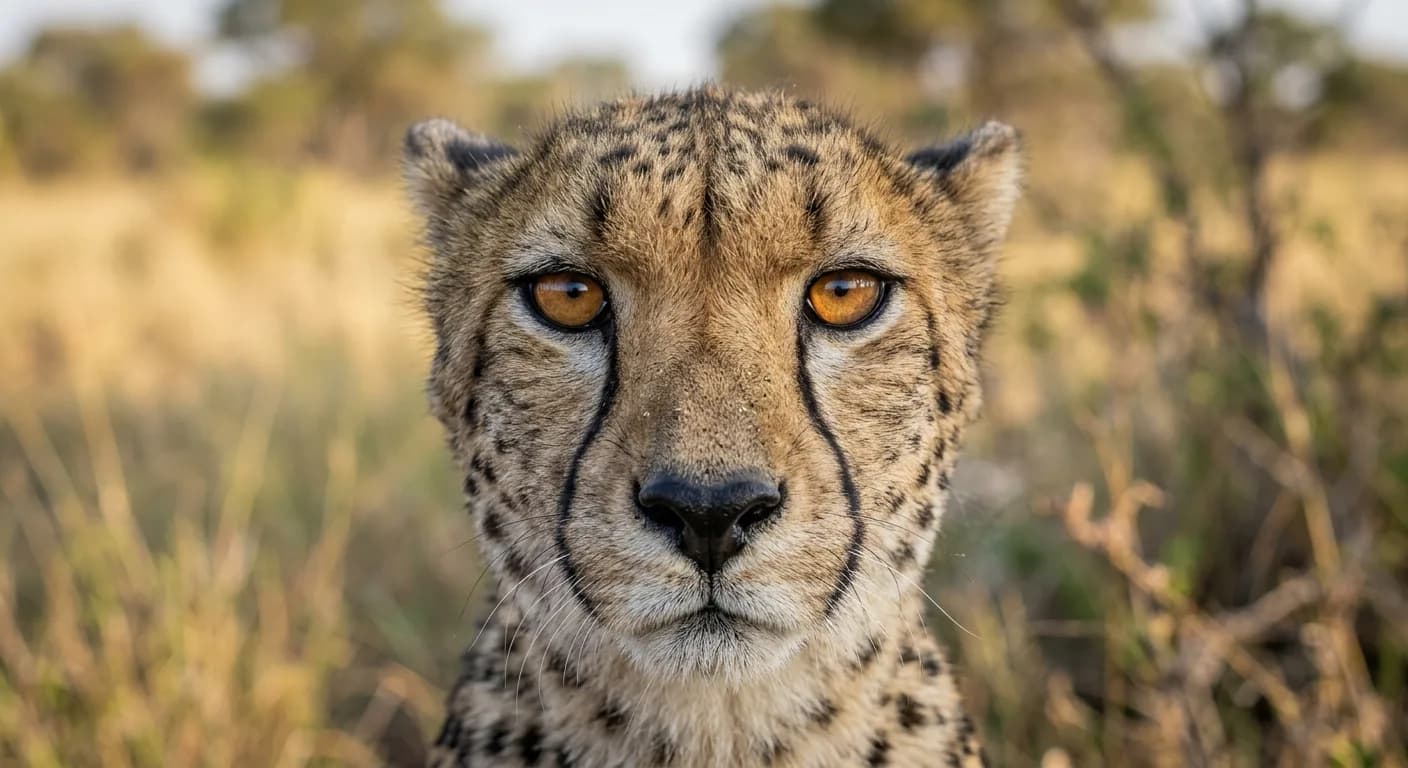
Cheetah
Acinonyx jubatus
Helmeted Guineafowl
Numida meleagris
How to help
The somali ostrich is classified as vulnerable. Organizations such as UICN, WWF y Wildlife Conservation Society work specifically on its conservation and that of its habitat; looking into their programs is a good starting point if you want to get involved.
It's documented in 5 real protected areas — part of why protecting these places matters for its conservation.
Keep exploring
Based on what we already know about somali ostrich.
Comments
Share an experience, a fun fact or a tip for seeing the somali ostrich.
Be the first to comment.