One of the 5 starlings on WAnimals
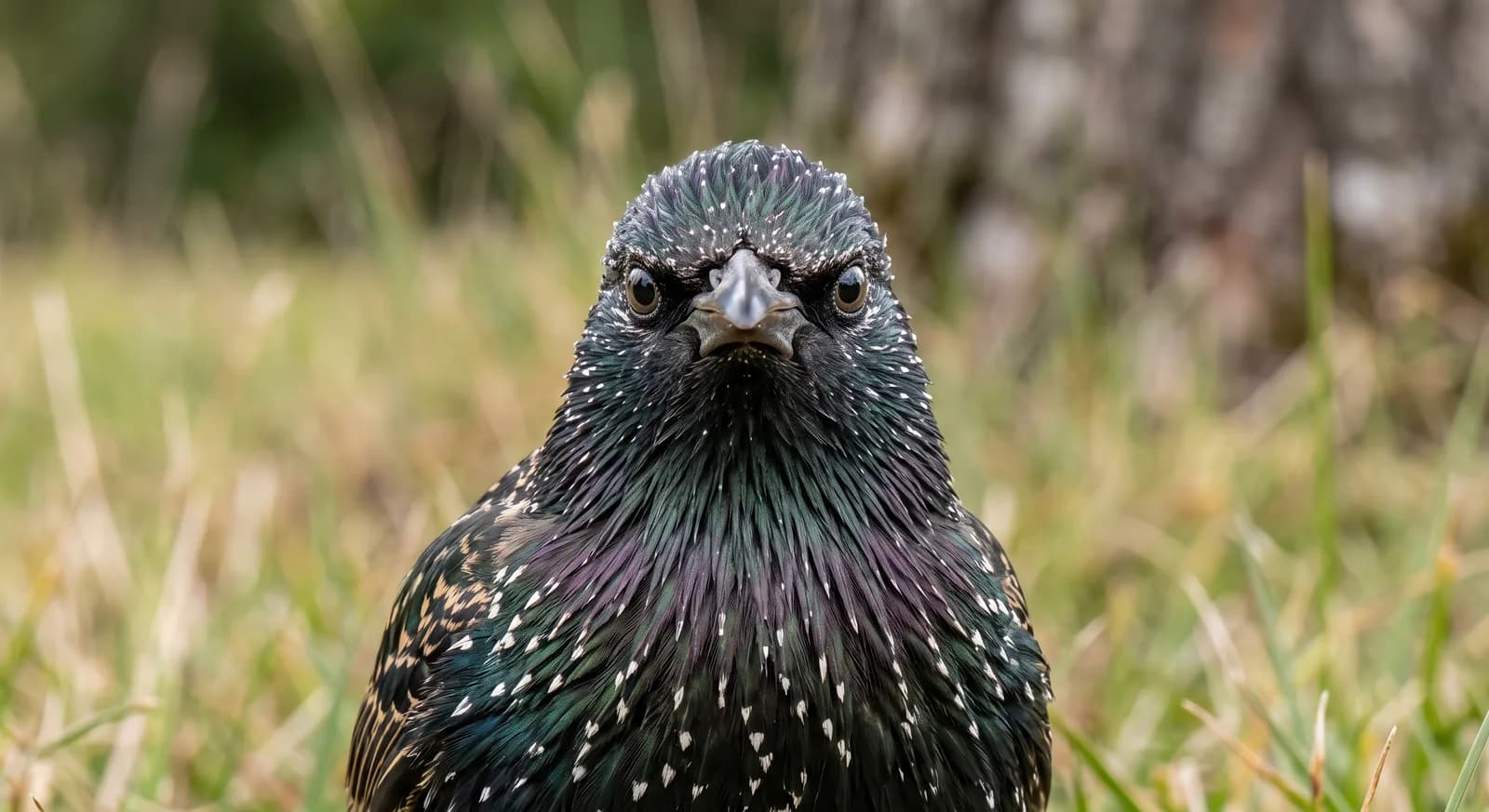
Birds · Passeriformes · Sturnidae
Common Starling
Sturnus vulgaris
The species is abundant and widely distributed; it faces no significant short-term risk. See full glossary
From the 100 birds released in New York in 1890, the population grew to more than 200 million across North America within a century.
Weight
60 g – 101 g
Size
19 cm – 23 cm
Lifespan
3 years
Diet
Omnivore
Combines animal and plant food depending on availability.
Activity
Diurnal
Active mainly during the day.
Social structure
Colony
Lives in large concentrations, often for breeding reasons.
Sighting difficulty
Easy
Fun facts
- From 100 birds released in New York in 1890, its North American population passed 200 million within a century.
- It is known for forming huge coordinated flocks called murmurations.
- It is one of the most successful invasive birds in the world.
- comportamientoIt forms huge flocks called murmurations, in which thousands of birds fly as one because each bird responds only to its nearest neighbours.
Life cycle & biology
- Skeleton type
- Vertebrate - pneumatised bony skeleton (bird)
- Habitat & environment
- Open country, farmland and towns of Eurasia; introduced to North America, Australia and New Zealand
- Birth weight
- No precise figure for hatching weight in the sources consulted
- Size at birth
- Blind and naked on hatching (altricial)
- Sexual maturity
- ~1 year
- Gestation / incubation
- 12-15 days
- Litter / clutch size
- 4 to 6 eggs per clutch (up to 2 broods a year)
Sources consulted: AnAge (genomics.senescence.info); Animal Diversity Web; A-Z Animals; EDDMapS; Animalia.bio; Binocular Base; PMC (telomere loss study)
Where to find it
See its range on the interactive mapWhere to watch it
Parques y spots de buceo donde se ha documentado esta especie — se muestran 10 de 261 documentados.
Related species
Other species in the catalogue with the most in common with Common Starling — same habitat, park, country, tags or family.
Spotless Starling
Sturnus unicolor
Common Myna
Acridotheres tristis
 Least Concern
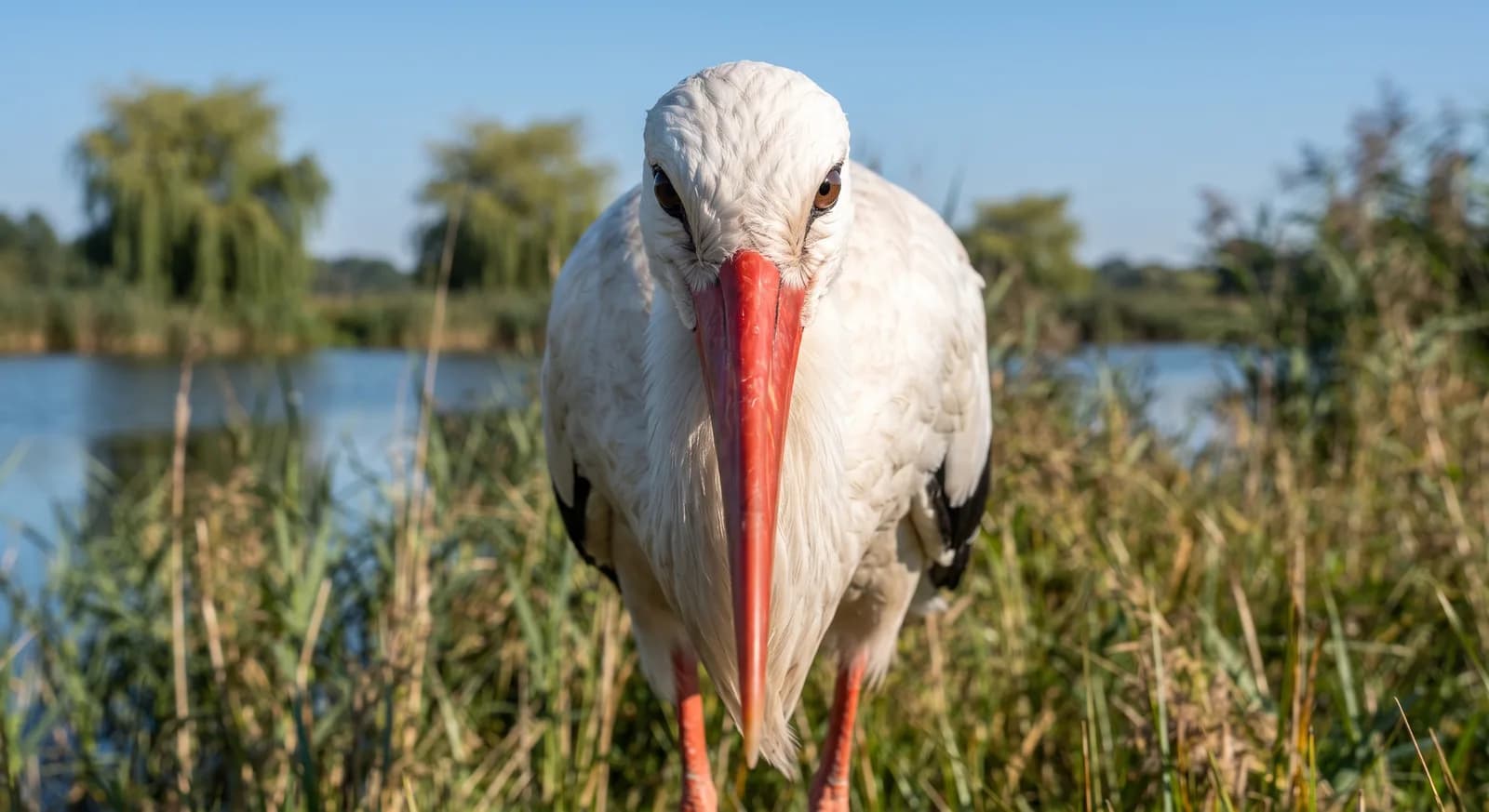
White Stork
Ciconia ciconia
 Least Concern
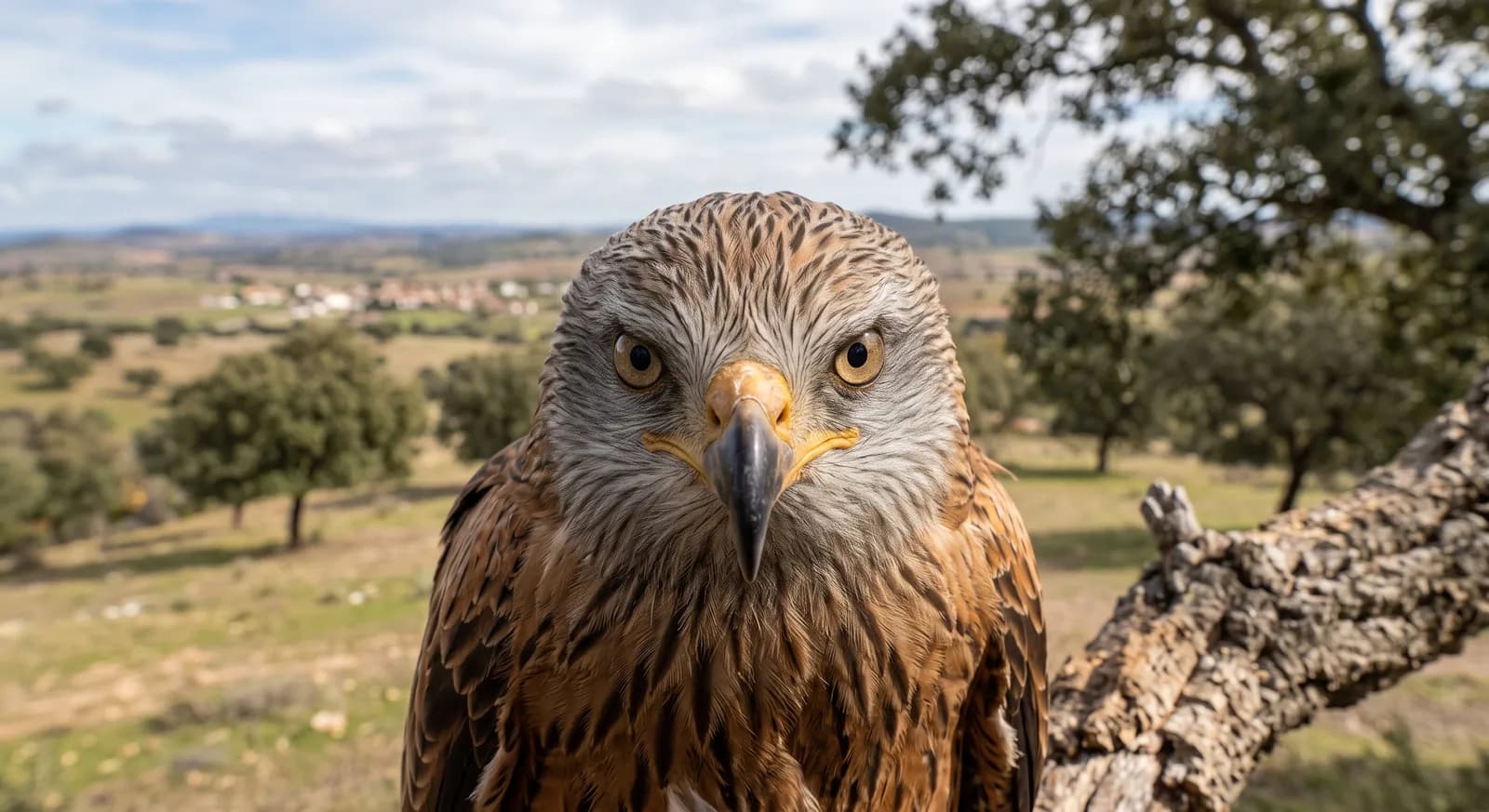
Red Kite
Milvus milvus
Carrion Crow
Corvus corone
Eurasian Magpie
Pica pica
Keep exploring
Based on what we already know about common starling.
Comments
Share an experience, a fun fact or a tip for seeing the common starling.
Be the first to comment.