One of the 3 martins on WAnimals
Birds · Passeriformes · Hirundinidae
Sand Martin
Riparia riparia
The species is abundant and widely distributed; it faces no significant short-term risk. See full glossary
The smallest of the Iberian hirundines and probably the one with the lightest, fastest flight. Earthy brown on the back, head and tail, and white below, with a very characteristic brown breast band. The tail is notched, but less so than that of the house martin or the barn swallow.
Weight
10 g – 15 g
Size
12 cm on average
Diet
Insectivore
Feeds mainly on insects and other invertebrates.
Activity
Diurnal
Active mainly during the day.
Social structure
Colony
Lives in large concentrations, often for breeding reasons.
Sighting difficulty
Easy
Estimated population
Between 13.4 and 19.8 million mature individuals in Europe. In Spain between 20,000 and 100,000 pairs are estimated: the SACRE scheme indicates that the national total is holding, but the northern population fell by more than 80 % between 1998 and 2011
Fun facts
- GeneralIt digs burrows up to 1 m into sandy banks to breed in colonies.
- Its scientific name comes from the Latin ripa, riverbank; in the Americas it is called the bank swallow.
- The chicks gather in crèches during the day and at night may sleep in neighbouring burrows: the parents recognise their own by individual calls.
- It prefers banks subject to natural erosion, such as river meanders; if the bank is stable it is forced to reuse the same burrows year after year, which harms the brood.
- It is the first migratory bird to reach Europe in spring, even before the swallows. It digs its own nesting burrows in earth banks or soft sandstone along riverbanks, and the texture of the soil governs the shape of the tunnel.
Life cycle & biology
- Skeleton type
- Vertebrate - internal bony skeleton (bird)
- Habitat & environment
- Sandy river banks and gravel pits
- Sexual maturity
- 12 months
- Gestation / incubation
- About 14-15 days, with both parents incubating
- Litter / clutch size
- 4-5 white eggs, with two clutches a year from March on. Both sexes dig a tunnel of 50 to 100 cm into clay or sandy banks, ending in a breeding chamber lined with feathers and fine plant matter. The chicks fledge at 20 days and become independent at a month
Sources consulted: IUCN Red List; SEO/BirdLife (ficha y III Atlas: Fernández-García y Ruiz de Azua 2022); Gobierno del Principado de Asturias (Plan de Manejo, BOPA 188); Heneberg, Ibis 145; Herrero y García 2005, Locustella 3; Naturaleza Para Todos; Birding Málaga; Linnaeus 1758; Forster 1817
Where to find it
See its range on the interactive mapBest time: From March to September; it is the first migratory bird to reach Europe in spring, even before the swallows
Where to watch it
Parques y spots de buceo donde se ha documentado esta especie — se muestran 10 de 170 documentados.
Related species
Other species in the catalogue with the most in common with Sand Martin — same habitat, park, country, tags or family.
Barn Swallow
Hirundo rustica
Eurasian Crag Martin
Ptyonoprogne rupestris
Common House Martin
Delichon urbicum
Red-rumped Swallow
Cecropis daurica
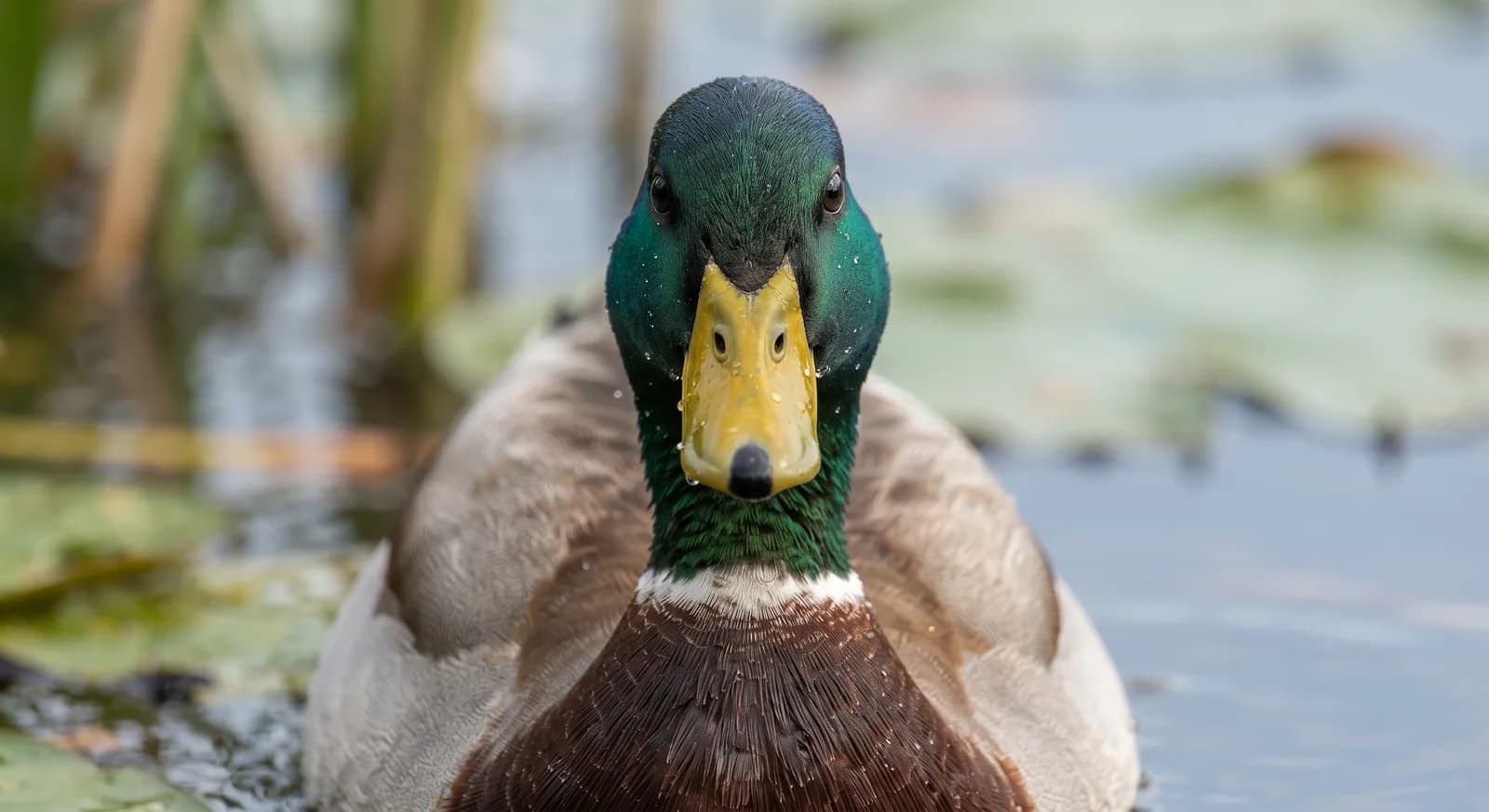 Least Concern
Mallard
Anas platyrhynchos
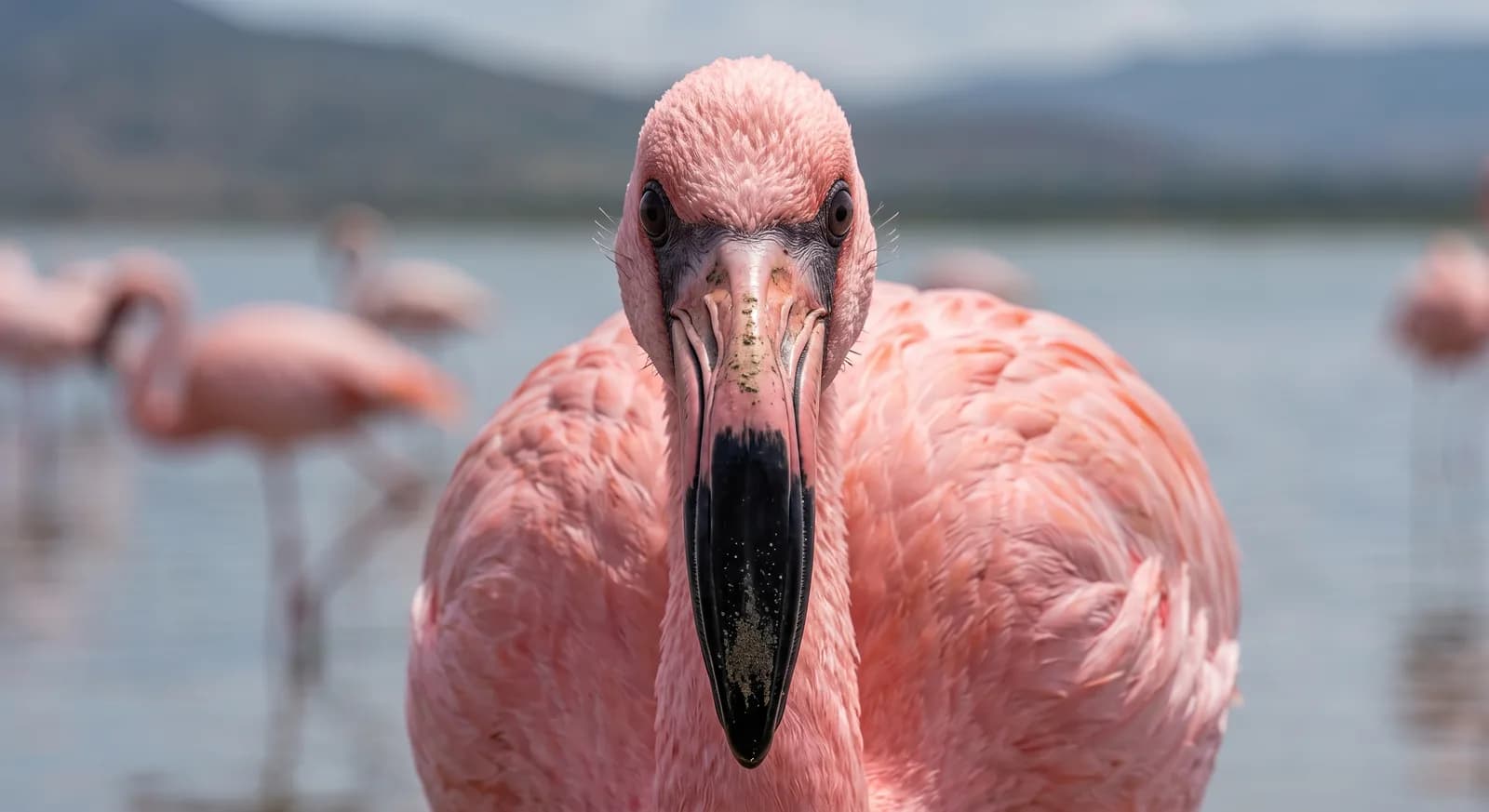 Least Concern
Greater Flamingo
Phoenicopterus roseus
Keep exploring
Based on what we already know about sand martin.
Comments
Share an experience, a fun fact or a tip for seeing the sand martin.
Be the first to comment.