One of the 3 martins on WAnimals
Birds · Passeriformes · Hirundinidae
Eurasian Crag Martin
Ptyonoprogne rupestris
The species is abundant and widely distributed; it faces no significant short-term risk. See full glossary
A hirundine of uniformly brownish appearance, ash brown above and somewhat paler below, without the white contrasts of the house martin. Its tail is short and square, with white spots near the tip of every feather except the central pair and the outermost, very visible when it fans it. It has a broader body, wings and tail than any other European hirundine.
Weight
23 g – 25 g
Size
13 cm – 15 cm
Lifespan
4 years
Diet
Insectivore
Feeds mainly on insects and other invertebrates.
Activity
Diurnal
Active mainly during the day.
Social structure
Colony
Lives in large concentrations, often for breeding reasons.
Sighting difficulty
Easy
Estimated population
The European population is estimated at between 360,000 and 1,110,000 individuals, that is, 120,000 to 370,000 breeding pairs
Fun facts
- GeneralIt is the least migratory of Europe's swallows and martins: many winter in Iberia.
- It is the only hirundine that can be seen on the Iberian Peninsula all year round.
- It flies with remarkable precision close in to vertical rock faces, working along them a few centimetres out and at great speed.
- Despite its name it is not confined to the mountains: in summer it occupies the middle and high mountains, but in winter it comes down to the coast.
Life cycle & biology
- Skeleton type
- Vertebrate - internal bony skeleton (bird)
- Habitat & environment
- Rock faces, gorges and dams
- Birth weight
- Altricial: born blind, naked or with sparse down and entirely dependent
- Size at birth
- Altricial: born blind, naked or with sparse down and entirely dependent
- Sexual maturity
- 1 year
- Gestation / incubation
- 14 days, incubated mostly by the female, relieved briefly by the male when she goes off to feed
- Litter / clutch size
- 3-5 white eggs with small brown blotches, with two clutches a year. The nest is a half-cup of mud mixed with dry grass and stems, stuck to the rock and lined inside with feathers and moss
Sources consulted: IUCN Red List; SEO/BirdLife (III Atlas: Prieta Díaz 2022); Catálogo Nacional de Especies Amenazadas; Sierra de Baza (ficha técnica); Naturaleza Para Todos; Animalia.bio
Where to find it
See its range on the interactive mapBest time: All year round: it is the only swallow that can be seen on the Iberian Peninsula in all twelve months
Where to watch it
Parques y spots de buceo donde se ha documentado esta especie — se muestran 10 de 79 documentados.
Related species
Other species in the catalogue with the most in common with Eurasian Crag Martin — same habitat, park, country, tags or family.
Barn Swallow
Hirundo rustica
Common House Martin
Delichon urbicum
Sand Martin
Riparia riparia
Red-rumped Swallow
Cecropis daurica
 Least Concern
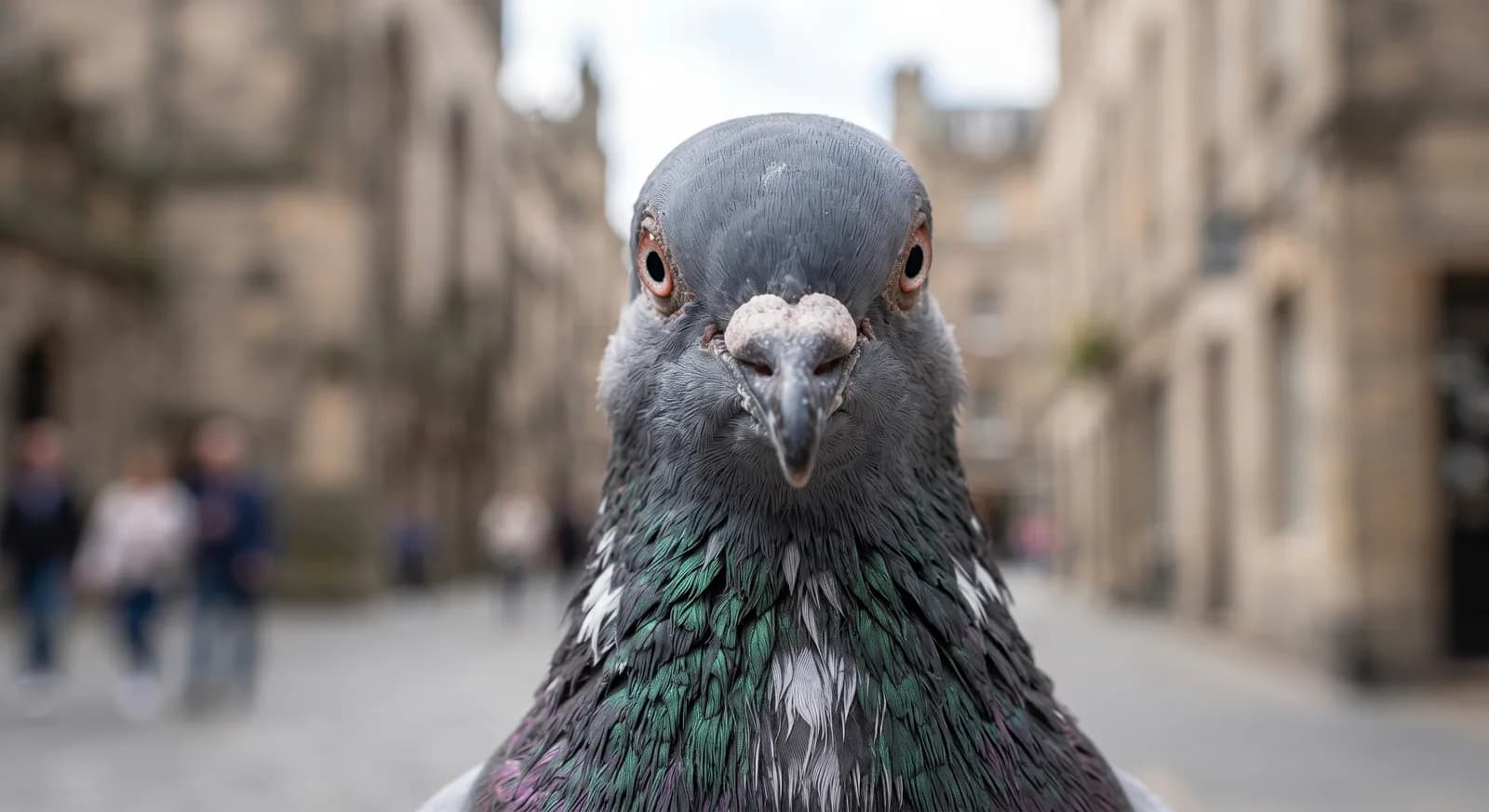
Rock Pigeon
Columba livia
 Least Concern
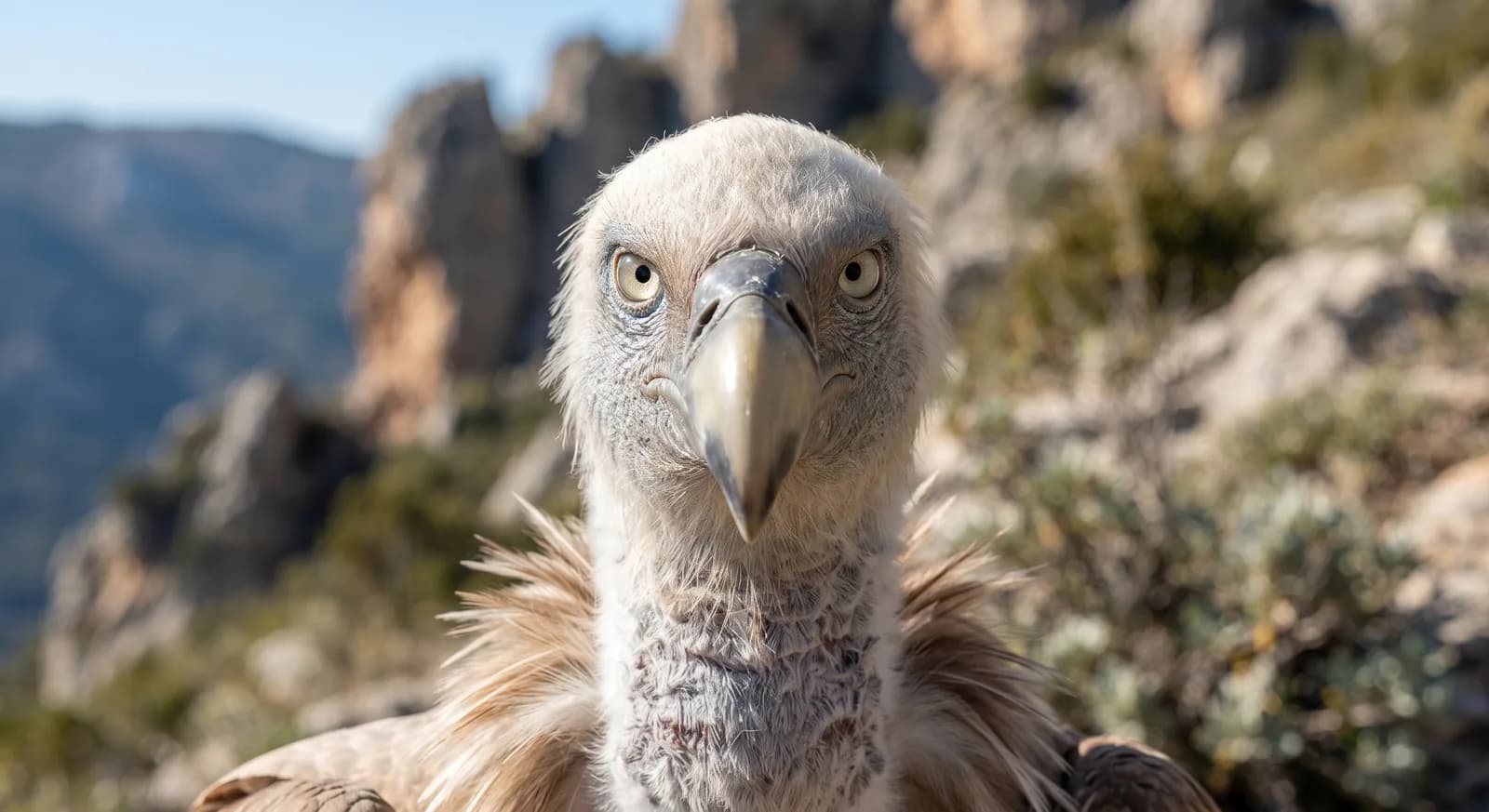
Griffon Vulture
Gyps fulvus
Keep exploring
Based on what we already know about eurasian crag martin.
Comments
Share an experience, a fun fact or a tip for seeing the eurasian crag martin.
Be the first to comment.