Birds · Falconiformes · Falconidae
Eurasian Hobby
Falco subbuteo
The species is abundant and widely distributed; it faces no significant short-term risk. See full glossary
A small, slender falcon, with long, sickle-shaped wings that give it the look of a giant swift. A slate-grey back, whitish underparts with strongly marked black streaks and rusty trousers and undertail coverts. A white face with a large dark mask and moustachial stripe.
Weight
130 g – 340 g
Size
30 cm – 36 cm
Lifespan
5 years
Diet
Carnivore
Feeds mainly on other animals.
Activity
Diurnal
Active mainly during the day.
Social structure
In pairs
Usually lives in pairs, sometimes for life.
Sighting difficulty
Easy
Estimated population
The highest known densities in the peninsula are on the dry farmland of the Lleida plain, with 10 pairs per 100 km²
Fun facts
- GeneralIt takes swifts and swallows in flight, and uses the abandoned nests of crows.
- It builds no nest: more than 90% of those it occupies were put up by carrion crows. In recent years it has increasingly bred in crow nests on electricity pylons.
- It is a raptor that breeds deliberately late, so that its chicks coincide with the peak of dragonflies and of other birds' fledglings.
- The woodpigeon often nests close to its nests: since the hobby is very aggressive towards crows, it serves as an escort.
Life cycle & biology
- Skeleton type
- Vertebrate - internal bony skeleton (bird)
- Habitat & environment
- Copses, riverside woods and open farmland
- Birth weight
- Born semi-altricial, covered in white down and with its eyes already open
- Size at birth
- Semi-altricial: covered in white down, with its eyes open, but dependent for weeks
- Sexual maturity
- 2 years
- Gestation / incubation
- 28-33 days, mainly by the female while the male hunts. The chicks leave the nest at 28-34 days
- Litter / clutch size
- 3 eggs as a rule (occasionally 2, rarely 4), matt yellowish brown and finely speckled. A single clutch a year, usually in June
Sources consulted: SEO/BirdLife (ficha y III Atlas de las aves en época de reproducción en España); IUCN Red List; Asturnatura; Palacín y Sergio 2022, III Atlas; Palacín 2016; Rodríguez y Palacín 2018
Where to find it
See its range on the interactive mapBest time: From April to September; it hunts mainly at dusk, when the insects and the swifts come out
Where to watch it
Parques y spots de buceo donde se ha documentado esta especie — se muestran 10 de 181 documentados.
Related species
Other species in the catalogue with the most in common with Eurasian Hobby — same habitat, park, country, tags or family.
Lesser Kestrel
Falco naumanni
 Least Concern
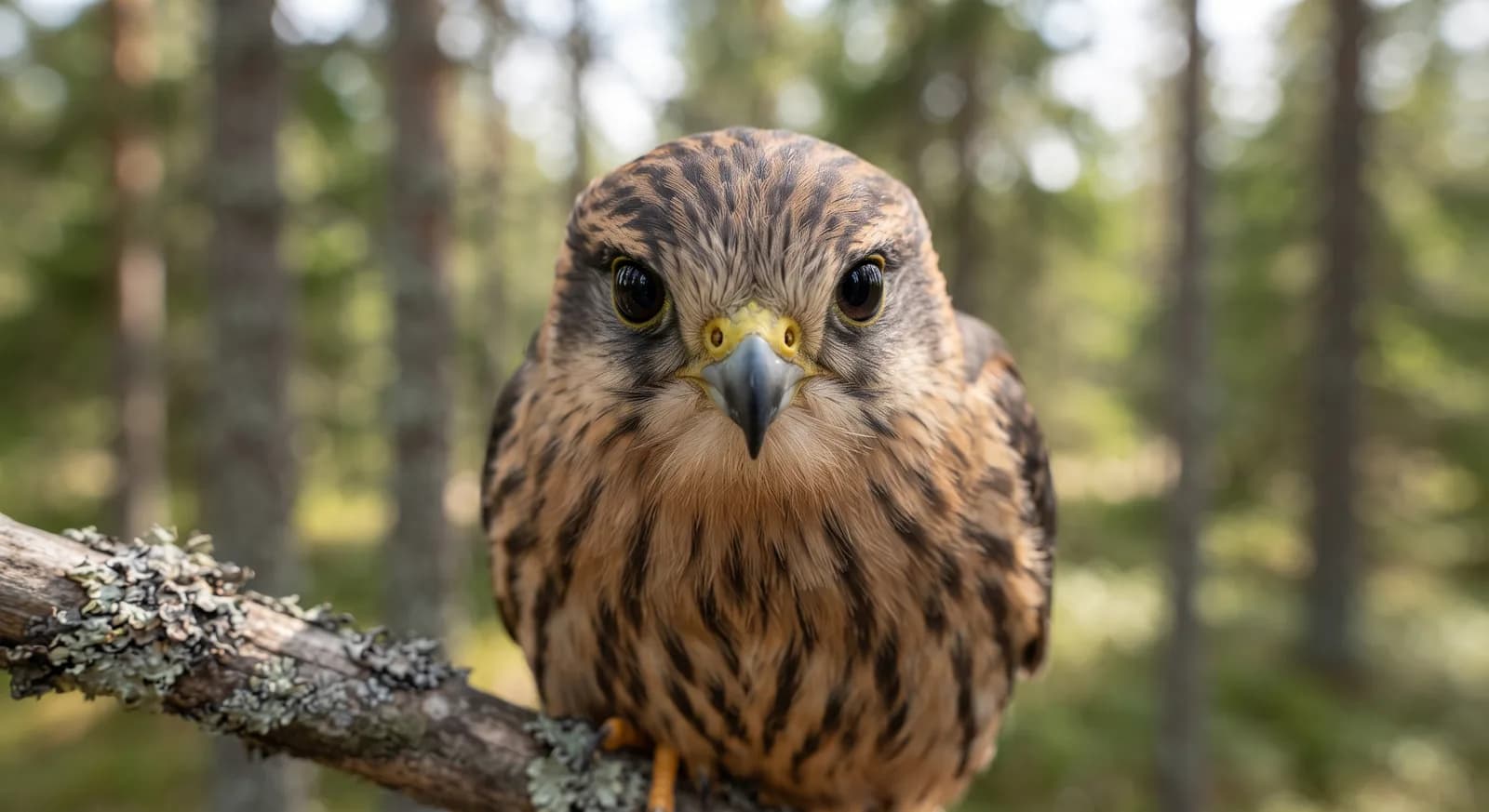
Merlin
Falco columbarius
 Least Concern
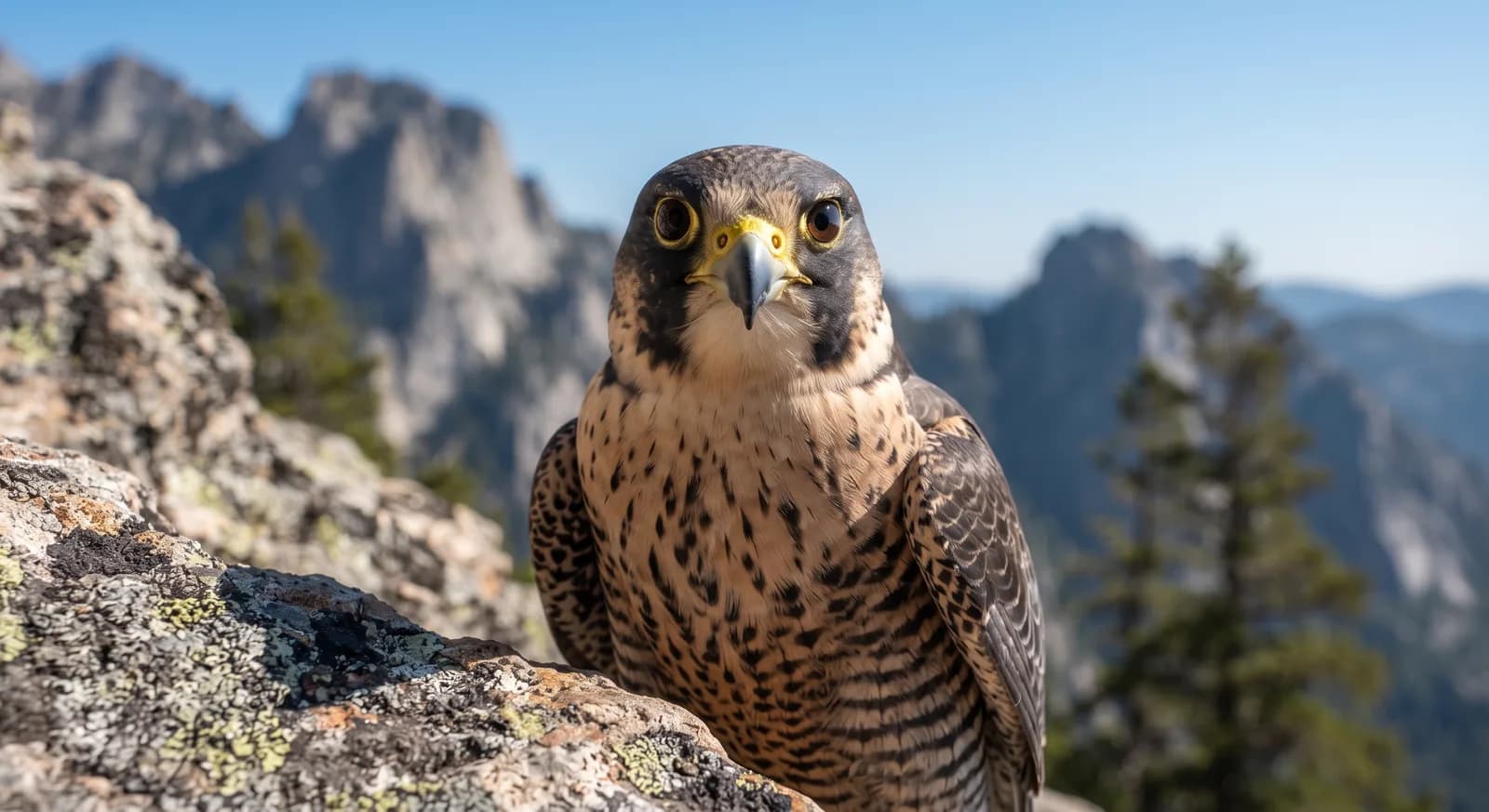
Peregrine Falcon
Falco peregrinus
Eleonora's Falcon
Falco eleonorae
Red-footed Falcon
Falco vespertinus
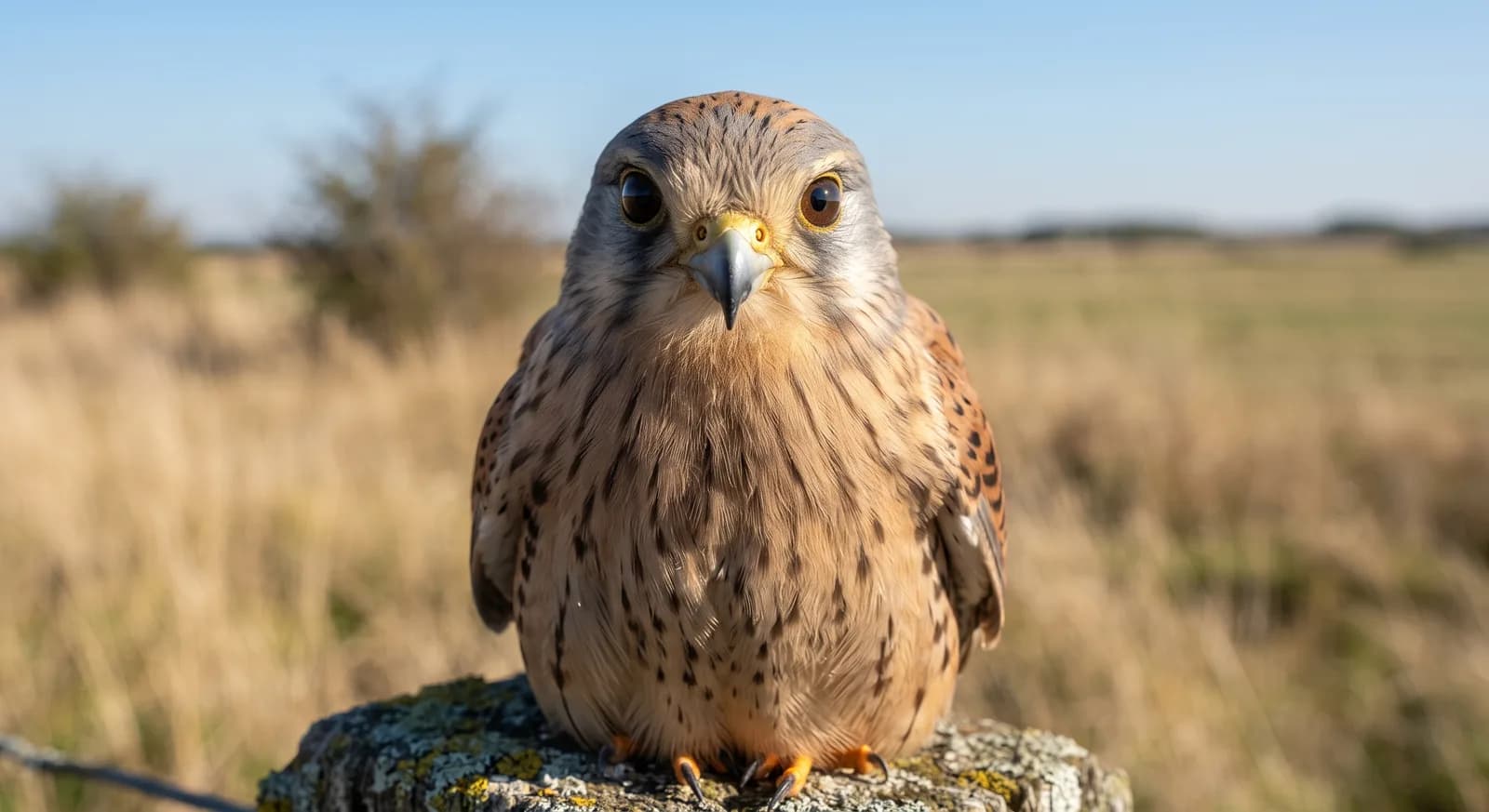 Least Concern
Common Kestrel
Falco tinnunculus
Keep exploring
Based on what we already know about eurasian hobby.
Comments
Share an experience, a fun fact or a tip for seeing the eurasian hobby.
Be the first to comment.