One of the 4 kestrels on WAnimals
Birds · Falconiformes · Falconidae
Lesser Kestrel
Falco naumanni
The species is abundant and widely distributed; it faces no significant short-term risk. See full glossary
The lesser kestrel is a small colonial raptor that breeds on the roofs, towers and churches of villages on the cereal plains, and hunts grasshoppers, crickets and beetles in the surrounding fields. Spain holds a very significant share of the European population. Its decline in the late 20th century was caused by building restorations that sealed up the nest holes and by insecticides, and it has been slowed by the installation of artificial nest towers.
Weight
90 g – 170 g
Size
27 cm – 33 cm
Lifespan
15 years
Diet
Insectivore
Feeds mainly on insects and other invertebrates.
Activity
Diurnal
Active mainly during the day.
Social structure
Colony
Lives in large concentrations, often for breeding reasons.
Sighting difficulty
Easy
Fun facts
- GeneralIt breeds in colonies under the roof tiles of churches and castles, and eats insects.
- comportamientoIt breeds in colonies in town centres and historic buildings, one of the few raptors that depends directly on human structures to nest.
- It breeds inside villages: under the roof tiles of churches, castles and farmsteads in Extremadura, Andalusia and Castile, which is why its conservation depends as much on farming as on how historic buildings are restored.
- It feeds almost entirely on large insects caught on the ground, and a colony of fifty pairs can eat several tonnes of grasshoppers in a season.
- Artificial nest towers, purpose-built structures with breeding cavities, have become a standard conservation tool in Spain and have allowed the species to recolonise villages from which it had disappeared.
Life cycle & biology
- Skeleton type
- Vertebrate - internal bony skeleton (bird)
- Habitat & environment
- Cereal steppe and grassland; breeds colonially in churches, castles, farmsteads and cliffs
- Sexual maturity
- 12 months
- Gestation / incubation
- 28 days of incubation
- Litter / clutch size
- 4 eggs
Sources consulted: https://www.iucnredlist.org/ | https://animaldiversity.org/ | https://es.wikipedia.org/
Where to find it
See its range on the interactive mapWhere to watch it
Parques y spots de buceo donde se ha documentado esta especie — se muestran 10 de 69 documentados.
Related species
Other species in the catalogue with the most in common with Lesser Kestrel — same habitat, park, country, tags or family.
Eurasian Hobby
Falco subbuteo
Red-footed Falcon
Falco vespertinus
Eleonora's Falcon
Falco eleonorae
 Least Concern
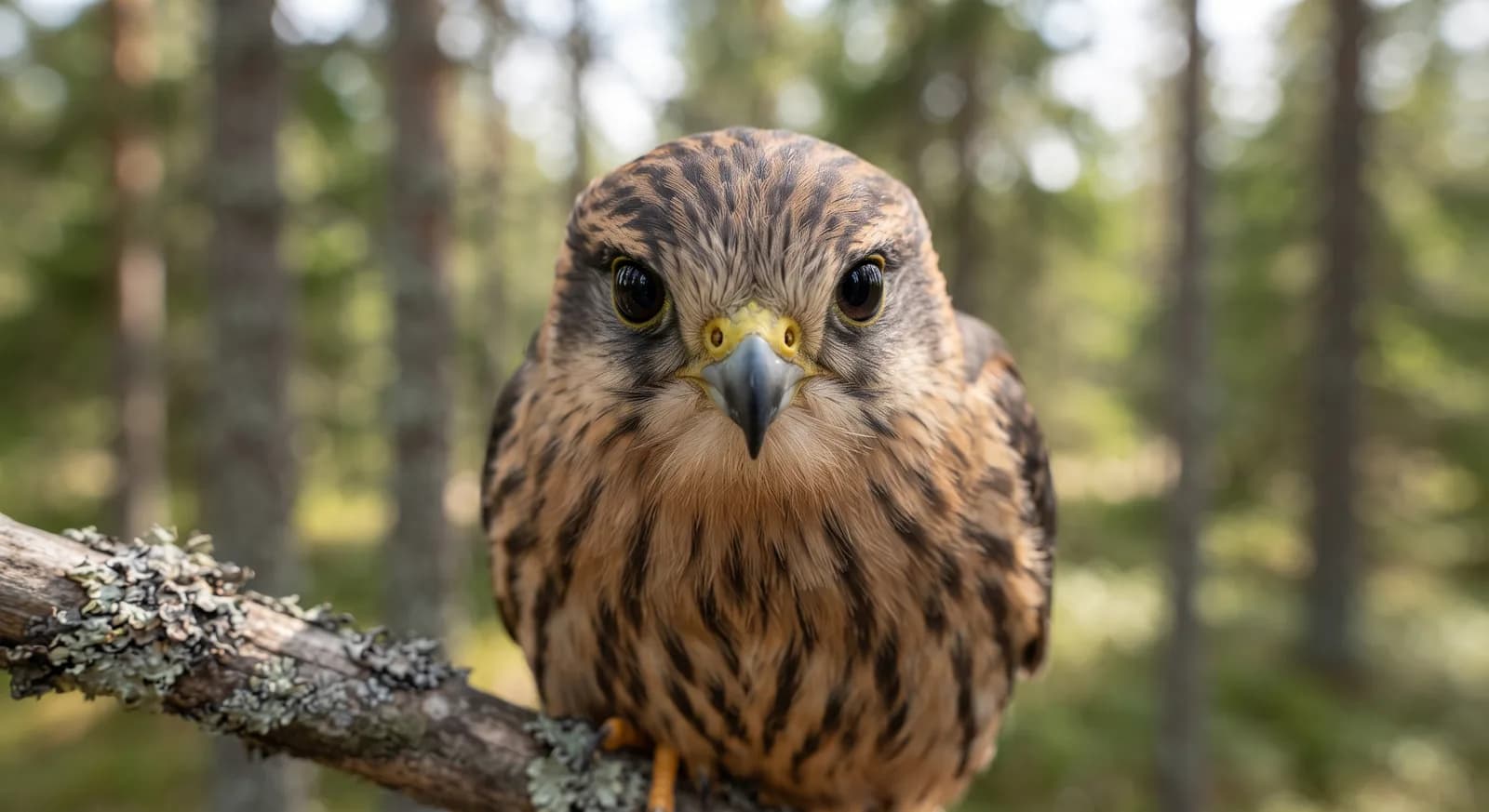
Merlin
Falco columbarius
 Least Concern
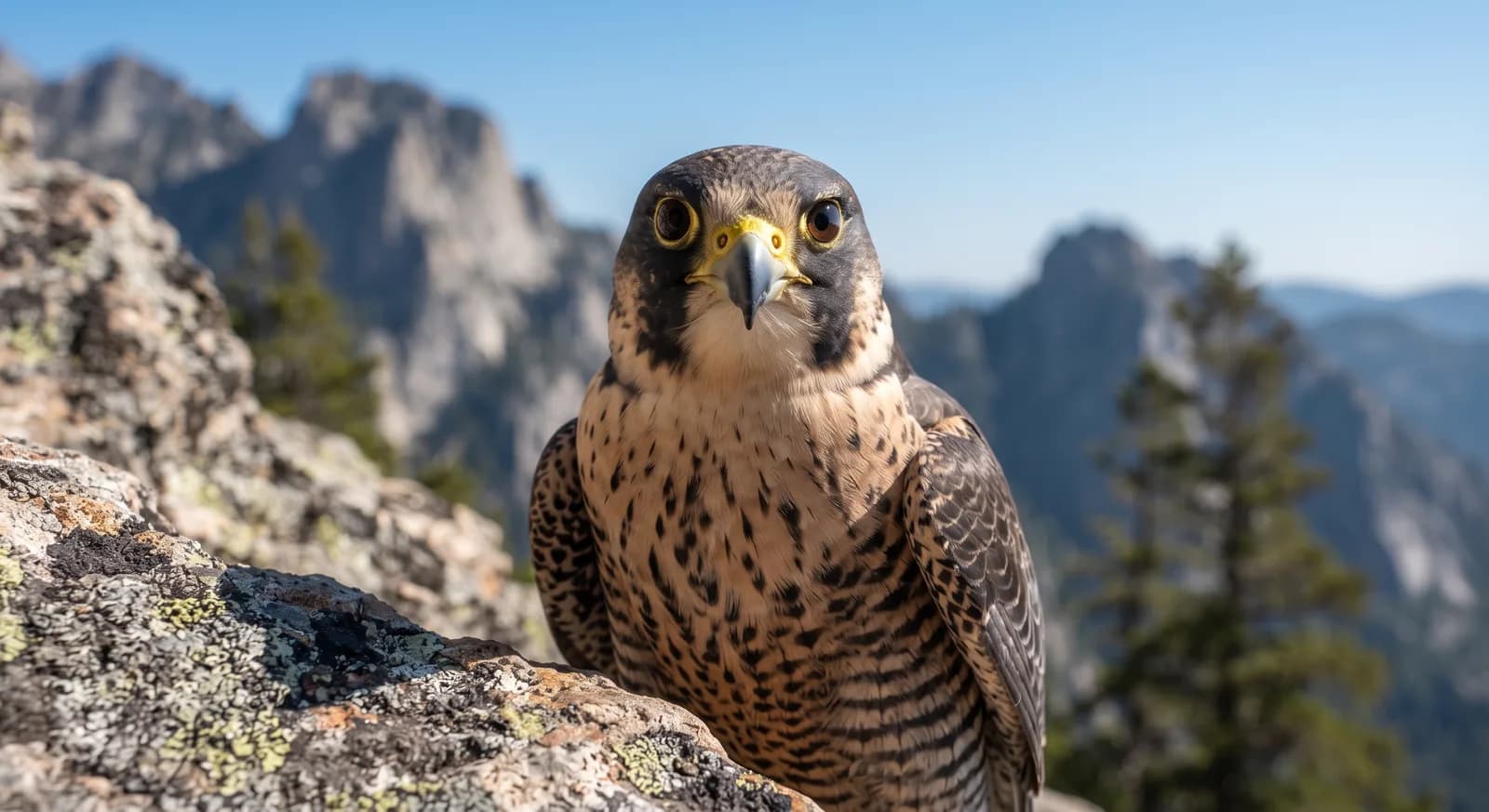
Peregrine Falcon
Falco peregrinus
 Least Concern
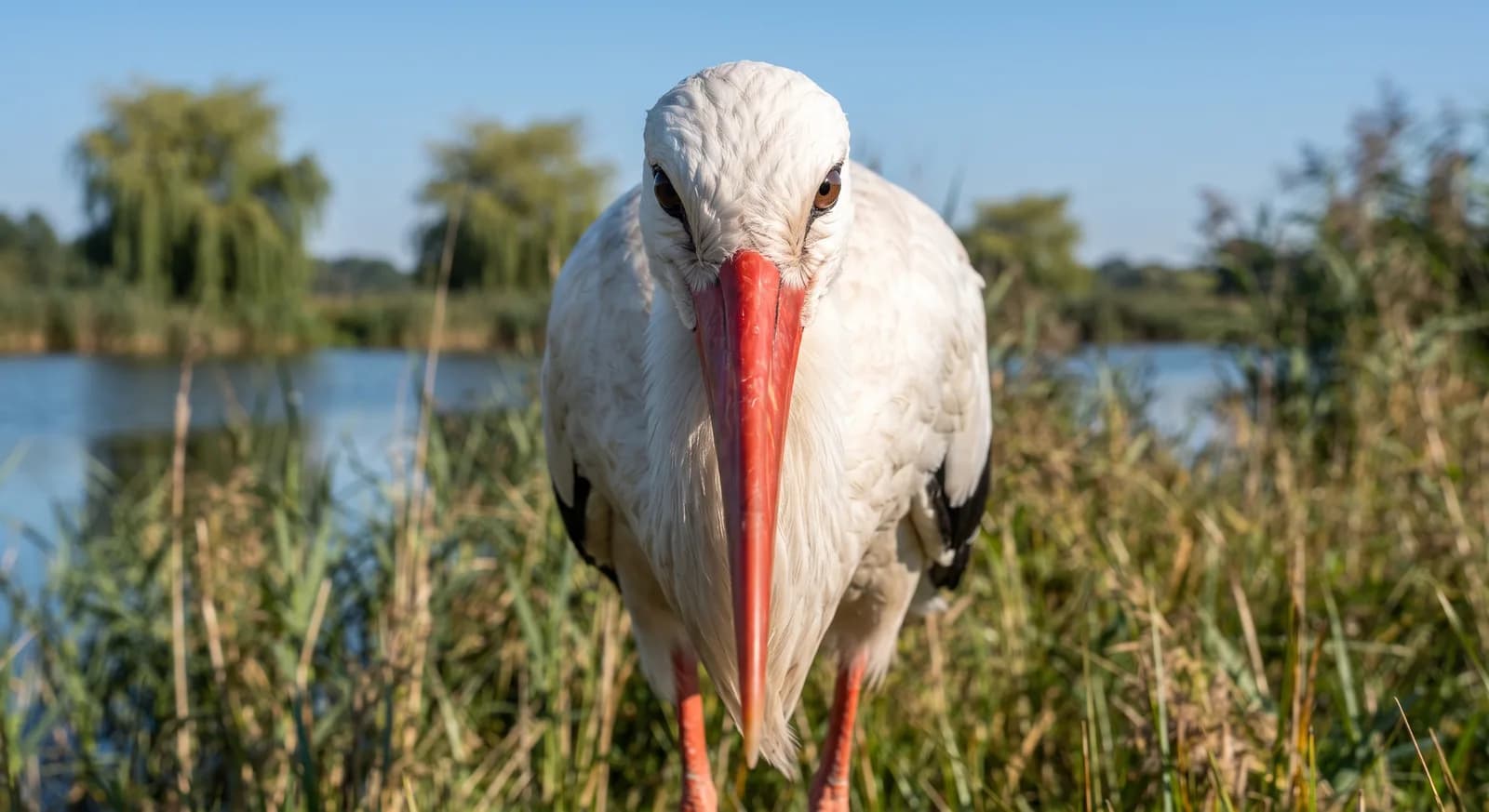
White Stork
Ciconia ciconia
Keep exploring
Based on what we already know about lesser kestrel.
Comments
Share an experience, a fun fact or a tip for seeing the lesser kestrel.
Be the first to comment.