One of the 7 woodpeckers on WAnimals
Birds · Piciformes · Picidae
Great Spotted Woodpecker
Dendrocopos major
The species is abundant and widely distributed; it faces no significant short-term risk. See full glossary
Its distinctive territorial drumming, made by striking its bill against resonant branches as often as 40 times a second, is possible thanks to specialised adaptations of the skull and tongue.
Weight
80 g – 85 g
Size
22 cm – 23 cm
Lifespan
2 years
Diet
Omnivore
Combines animal and plant food depending on availability.
Activity
Diurnal
Active mainly during the day.
Social structure
Solitary
Lives and hunts alone, joining others only to breed.
Sighting difficulty
Easy
Fun facts
- Those adaptations absorb the impact and protect its brain from repeated damage.
- It eats wood-boring insect grubs, seeds and nuts, and occasionally the eggs and chicks of other birds.
- It lives in woodland of every kind, and in parks and gardens with mature trees, across much of the Palaearctic.
- anatomíaIt can strike wood as often as 20 times a second without brain damage, thanks to bone and muscle structures in the skull that cushion the blow.
Life cycle & biology
- Skeleton type
- Vertebrate - pneumatised bony skeleton (bird)
- Habitat & environment
- Woodland of every kind, parks and gardens with mature trees across much of the Palaearctic, North Africa included
- Birth weight
- Weight at hatching not found as a precise figure
- Size at birth
- Born blind and naked
- Sexual maturity
- 1 year
- Gestation / incubation
- 10-15 days (usual reference 10-12 days)
- Litter / clutch size
- 4 to 6 eggs per clutch
Sources consulted: Bird Database; World Species; Wild Online Blog; Binocular Base; AnAge (genomics.senescence.info); Animalia.bio; Wikipedia (Great spotted woodpecker); Birds of the World
Where to find it
See its range on the interactive mapBest time: All year round; from February to May it is easily located by the drumming with which the males mark their territory.
Where to watch it
Parques y spots de buceo donde se ha documentado esta especie — se muestran 10 de 256 documentados.
Related species
Other species in the catalogue with the most in common with Great Spotted Woodpecker — same habitat, park, country, tags or family.
European Green Woodpecker
Picus viridis
Eurasian Wryneck
Jynx torquilla
 Least Concern
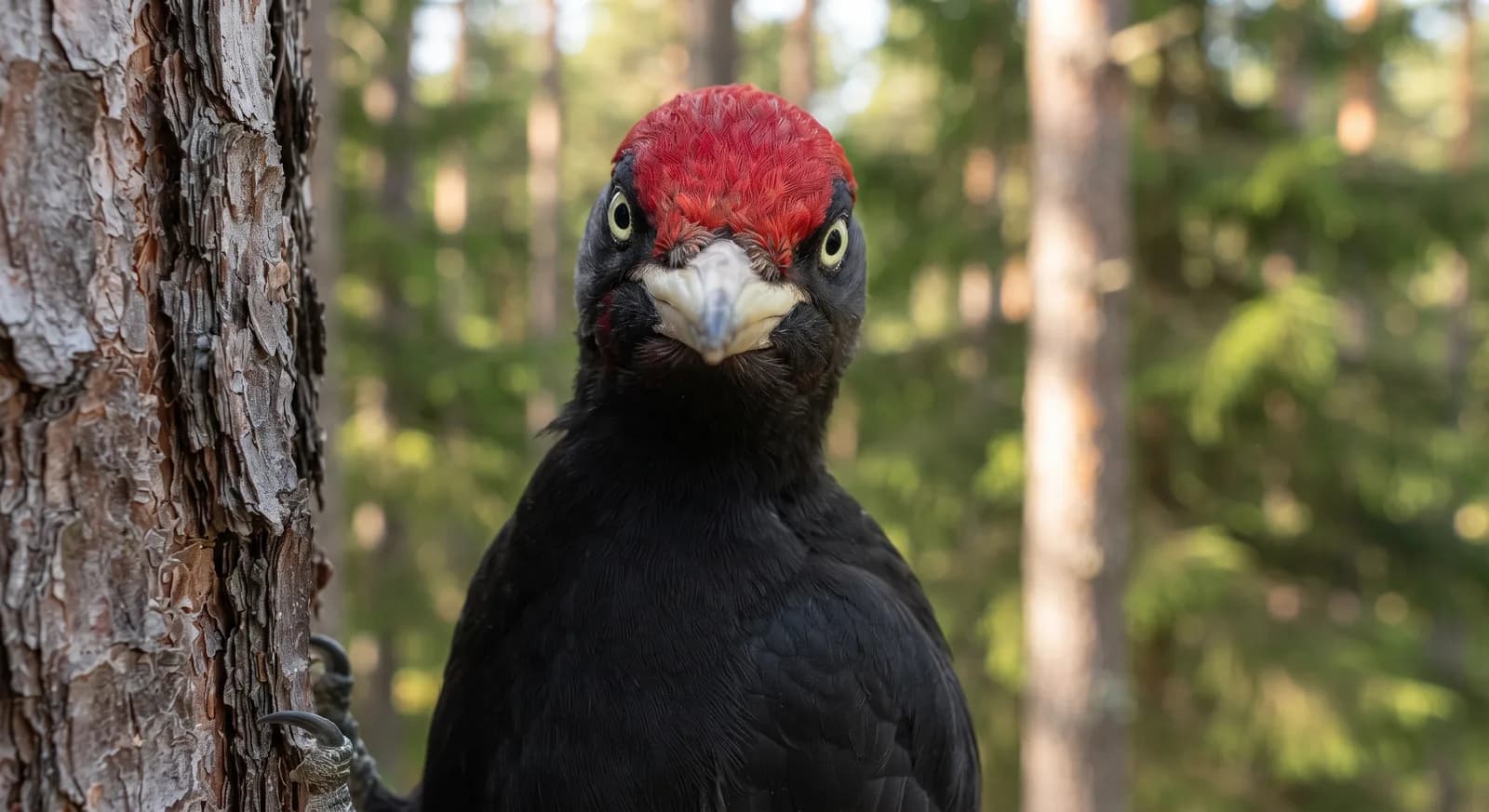
Black Woodpecker
Dryocopus martius
 Least Concern
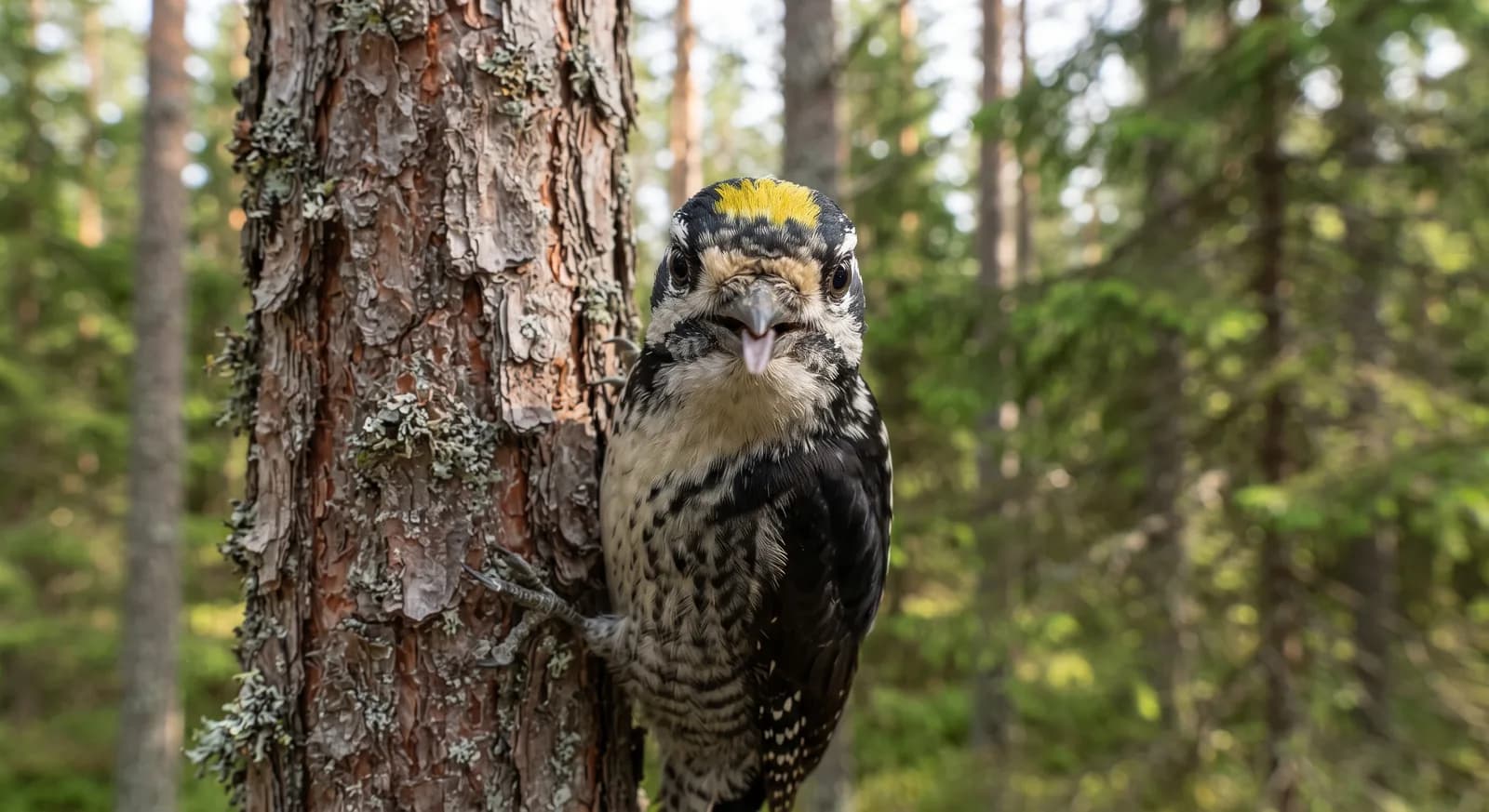
Eurasian Three-toed Woodpecker
Picoides tridactylus
Middle Spotted Woodpecker
Dendrocoptes medius
Lesser Spotted Woodpecker
Dryobates minor
Keep exploring
Based on what we already know about great spotted woodpecker.
Comments
Share an experience, a fun fact or a tip for seeing the great spotted woodpecker.
Be the first to comment.