Birds · Piciformes · Picidae
Eurasian Wryneck
Jynx torquilla
The species is abundant and widely distributed; it faces no significant short-term risk. See full glossary
The most atypical of the European woodpeckers. Small and with cryptic greyish-brown plumage marked with dark streaks and bars, it looks more like a passerine than a woodpecker. It is unable to bore into wood and perches crosswise on branches, although it keeps the zygodactyl toes and a very long tongue with which it raids anthills.
Weight
35 g on average
Size
16 cm – 18 cm
Lifespan
3 years
Diet
Insectivore
Feeds mainly on insects and other invertebrates.
Activity
Diurnal
Active mainly during the day.
Social structure
Solitary
Lives and hunts alone, joining others only to breed.
Sighting difficulty
Easy
Fun facts
- It turns its head almost 180 degrees and, if disturbed at the nest, twists its neck and hisses like a snake: which is why in English it has been called the "snake-bird".
- It is the only migratory woodpecker in Europe, although in Spain the behaviour varies: some populations are resident and others make moderate movements.
- Its main prey is ants, which it extracts from the ground or from rotten wood with its tongue, not by pecking at trunks.
Life cycle & biology
- Skeleton type
- Vertebrate - internal bony skeleton (bird)
- Habitat & environment
- Woodland, parks, orchards, apple orchards and areas with scattered trees. In Spain it breeds mainly in the northern third of the peninsula and along the Mediterranean coast from Girona to Murcia, as well as the Balearics, where it is resident. There are scattered populations in Andalusia, Castilla-La Mancha and Extremadura. Absent as a breeder from the Canaries, Ceuta and Melilla
- Birth weight
- Altricial: born blind, naked or with sparse down and entirely dependent
- Size at birth
- Altricial: born blind, naked or with sparse down and entirely dependent
- Sexual maturity
- 12 months
- Gestation / incubation
- 12-14 days of incubation
- Litter / clutch size
- 7-10 white eggs in May and June. It does not excavate its own nest: it reuses the holes of other woodpeckers
Sources consulted: IUCN Red List; SEO/BirdLife (ficha y III Atlas: López-Jiménez 2022); Carbonell 2013, Atlas de las aves en invierno en España 2007-2010; Weisshaupt et al. 2011, Bird Study 58; Wijk et al. 2013, Ibis 155; Wijk y Tizón 2016, Ardeola 63(2); Linnaeus 1758
Where to find it
See its range on the interactive mapBest time: Spring and summer in the northern third; post-breeding passage between late August and early October
Where to watch it
Parques y spots de buceo donde se ha documentado esta especie — se muestran 10 de 206 documentados.
Related species
Other species in the catalogue with the most in common with Eurasian Wryneck — same habitat, park, country, tags or family.
Great Spotted Woodpecker
Dendrocopos major
European Green Woodpecker
Picus viridis
 Least Concern
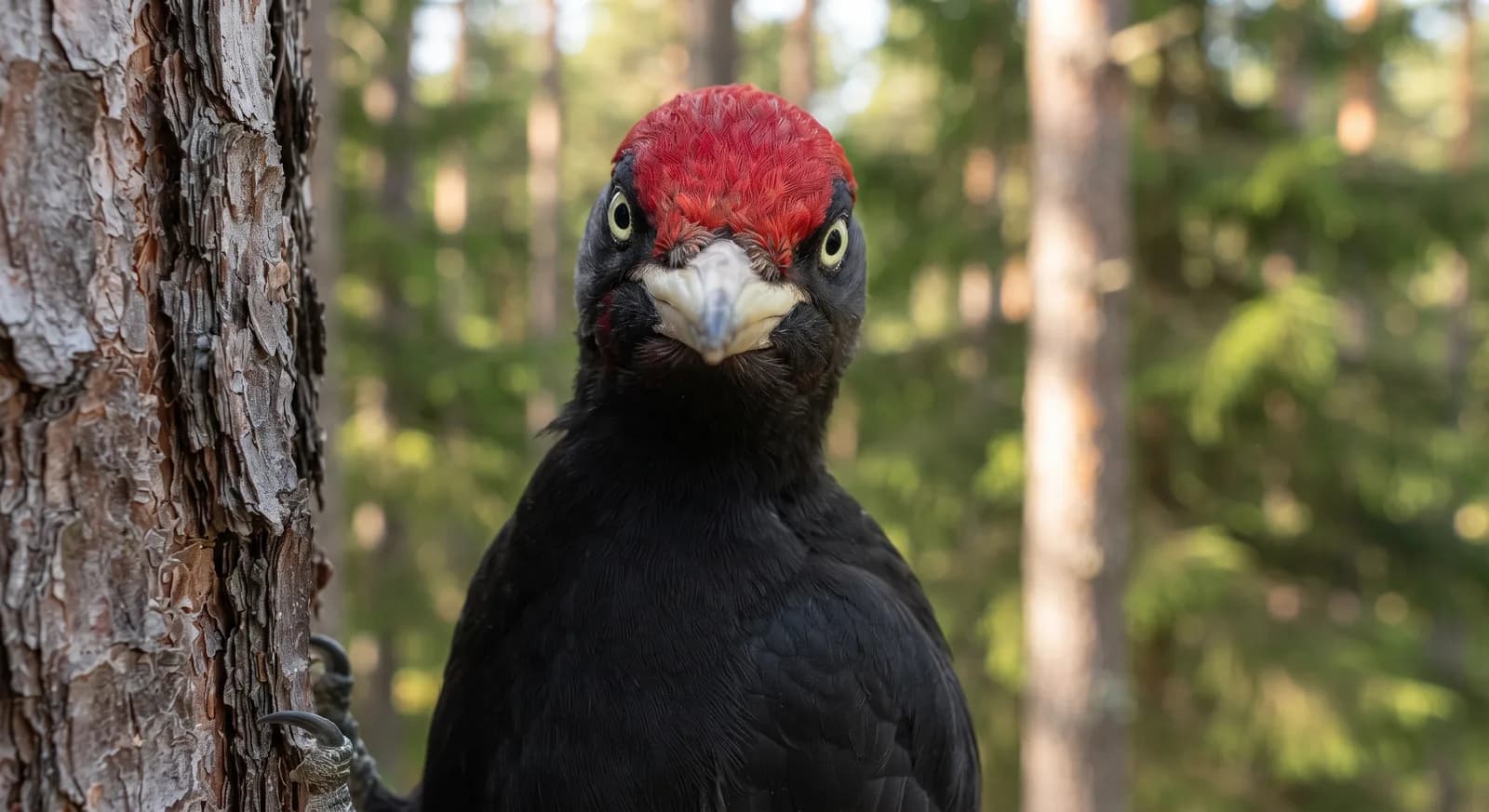
Black Woodpecker
Dryocopus martius
 Least Concern
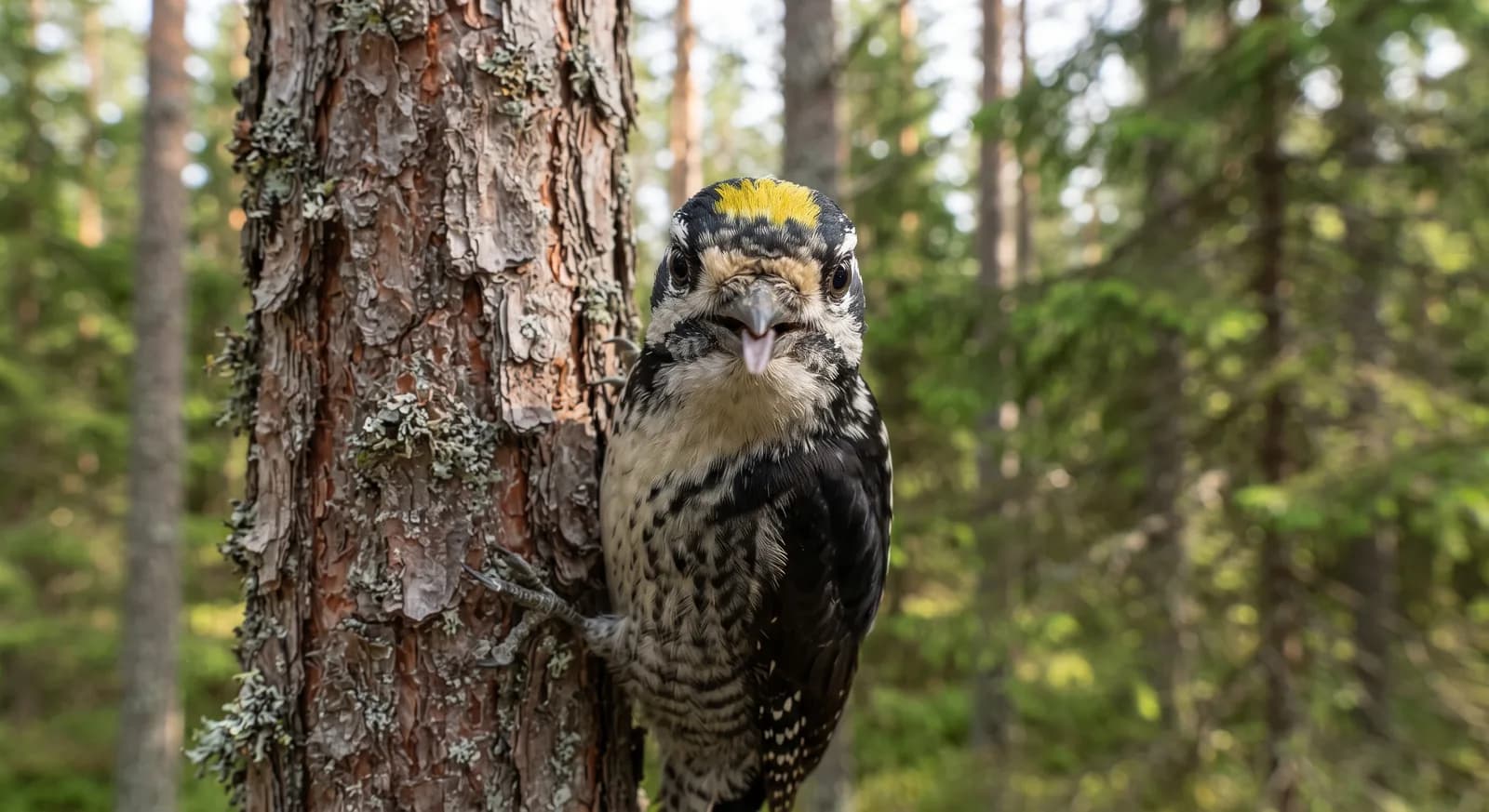
Eurasian Three-toed Woodpecker
Picoides tridactylus
Middle Spotted Woodpecker
Dendrocoptes medius
Lesser Spotted Woodpecker
Dryobates minor
Keep exploring
Based on what we already know about eurasian wryneck.
Comments
Share an experience, a fun fact or a tip for seeing the eurasian wryneck.
Be the first to comment.