Mammals · Tubulidentata · Orycteropodidae
Aardvark
Orycteropus afer
The species is abundant and widely distributed; it faces no significant short-term risk. See full glossary
Its evolutionary lineage is so distinctive that it makes up an order of mammals all of its own (Tubulidentata), of which it is the only living member.
Weight
39 kg – 82 kg
Size
1.1 m – 2.2 m
Lifespan
18 years
Diet
Insectivore
Feeds mainly on insects and other invertebrates.
Activity
Nocturnal
Active mainly at night.
Social structure
Solitary
Lives and hunts alone, joining others only to breed.
Sighting difficulty
Easy
Fun facts
- It can dig almost a metre of tunnel in barely 15 seconds with its powerful front claws.
- It can eat as many as 50,000 ants and termites in a single night's foraging, found by smell and hooked out with a tongue up to 30 cm long.
- It lives in savannah, grassland, woodland and scrub across much of sub-Saharan Africa.
- comportamientoIt is strictly nocturnal and may cover several kilometres a night following the trails of ant and termite colonies.
- comportamientoIt can dig a complete burrow in a few minutes with its powerful claws, and other species regularly take over the tunnels it abandons.
- anatomíaIts teeth have no enamel and grow continuously throughout its life, a very unusual trait among placental mammals.
- alimentaciónIt can eat tens of thousands of ants and termites in a single night, using its long sticky tongue to take them from inside the nest tunnels.
Life cycle & biology
- Skeleton type
- Vertebrate - internal bony skeleton (mammal)
- Habitat & environment
- Savannah, grassland, woodland and scrub across much of sub-Saharan Africa, avoiding rocky ground
- Birth weight
- ~1.8 kg at birth
- Size at birth
- Born naked and hairless, with its eyes open
- Sexual maturity
- 2 years
- Gestation / incubation
- ~7 months (225 days)
- Litter / clutch size
- 1 young per litter (occasionally 2)
- Lifespan in captivity
- Documented record of up to 29.8 years in captivity
Sources consulted: AnAge (genomics.senescence.info); SANBI; Nature Table (WordPress); African Wildlife Foundation; A-Z Animals; Animal Diversity Web; Animalia.bio; AnimalHub
Where to find it
See its range on the interactive mapBest time: All year round, but only at night; it is easily detected by its large burrows and by termite mounds torn open with its claws.
Where to watch it
Parques y spots de buceo donde se ha documentado esta especie — se muestran 10 de 11 documentados.
Related species
Other species in the catalogue with the most in common with Aardvark — same habitat, park, country, tags or family.
Aardwolf
Proteles cristata
 Least Concern
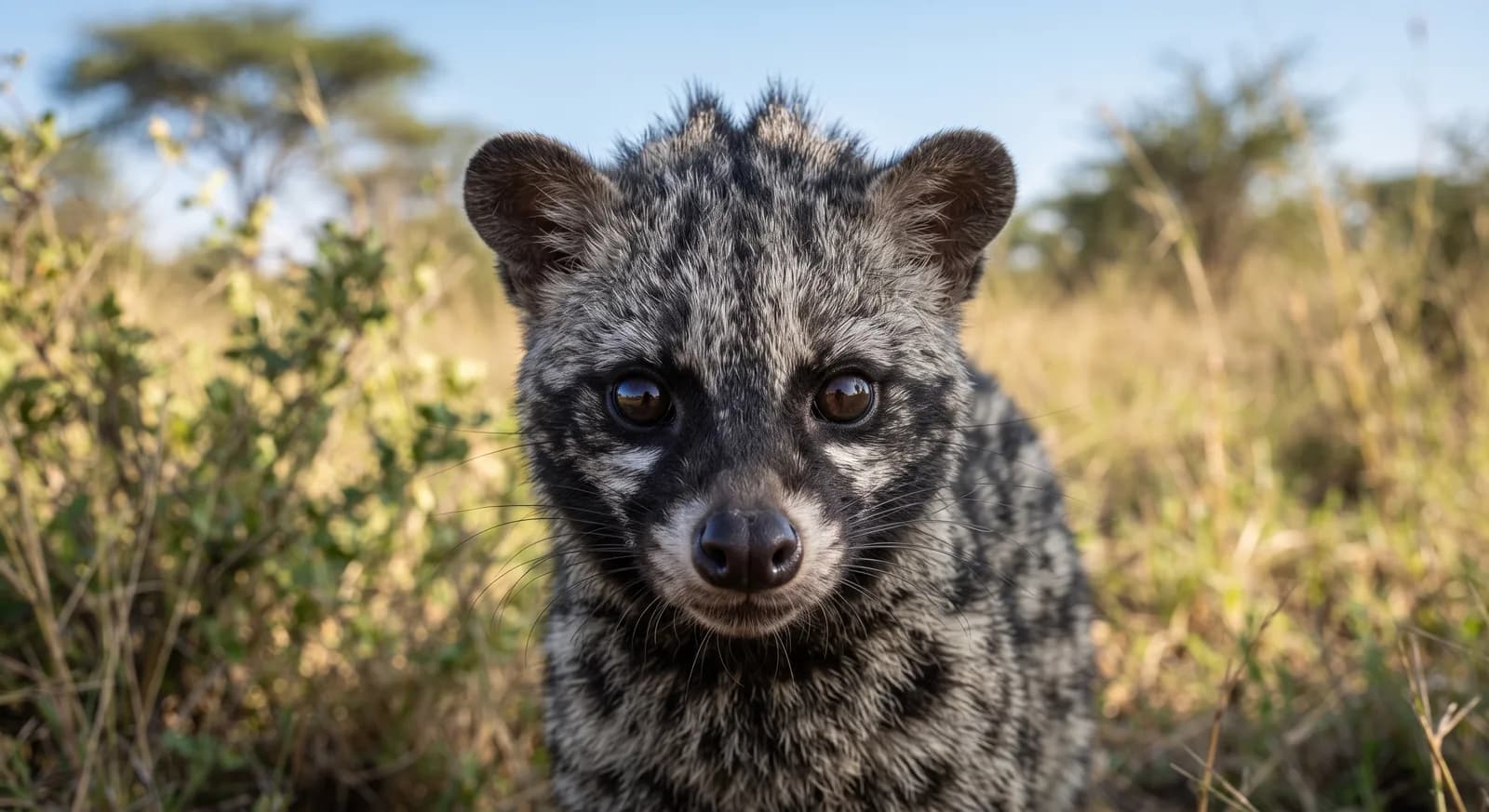
African Civet
Civettictis civetta
 Least Concern
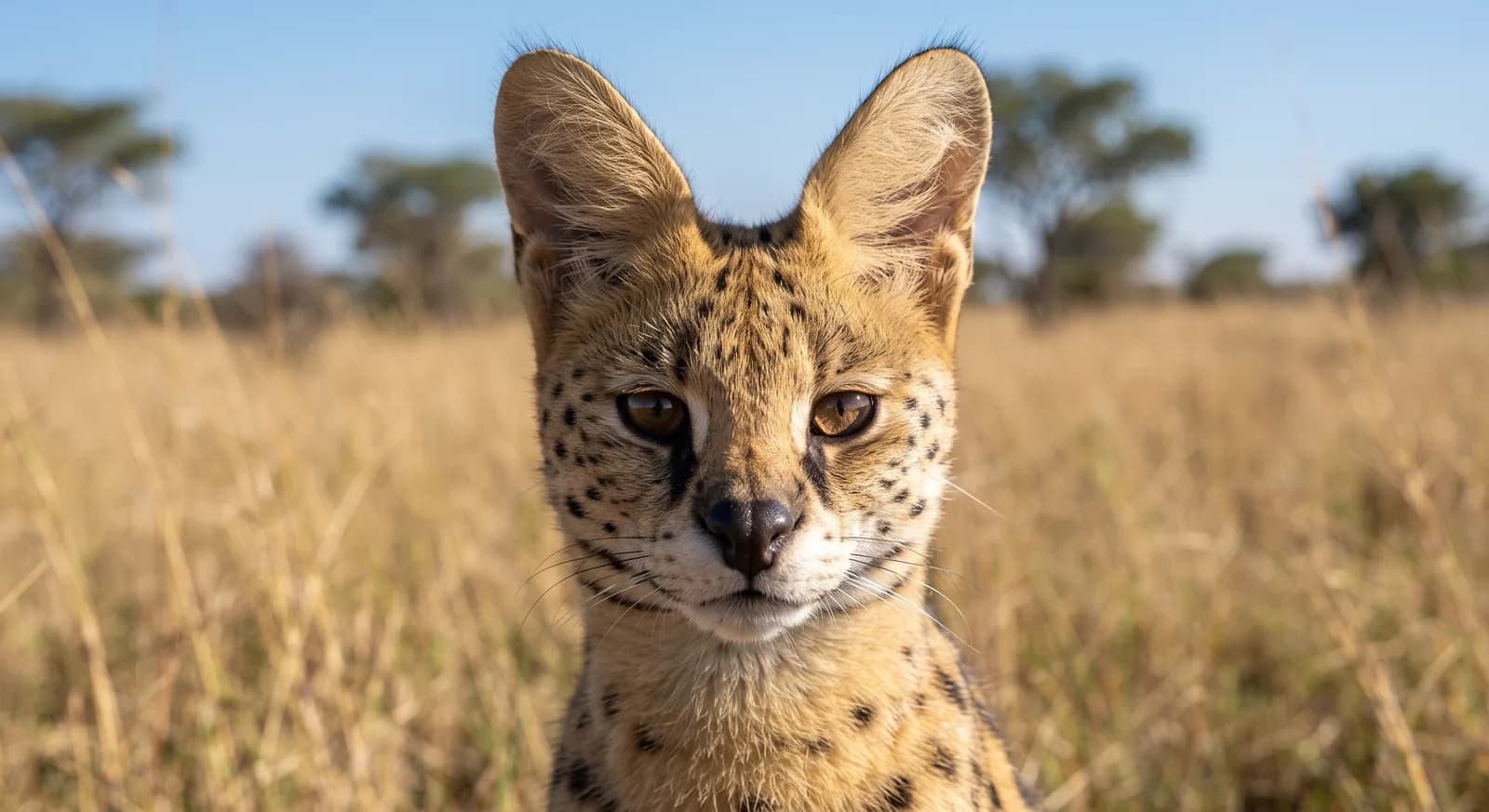
Serval
Leptailurus serval
Northern Giant Pouched Rat
Cricetomys gambianus
Honey Badger
Mellivora capensis
Keep exploring
Based on what we already know about aardvark.
Comments
Share an experience, a fun fact or a tip for seeing the aardvark.
Be the first to comment.