Mammals · Carnivora · Mustelidae
Honey Badger
Mellivora capensis
The species is abundant and widely distributed; it faces no significant short-term risk. See full glossary
It is famous for its remarkable resistance to snake venom and for being extraordinarily aggressive despite its modest size. Its loose, thick skin lets it twist round inside it to bite an attacker that has it by the neck.
Weight
6 kg – 16 kg
Size
60 cm – 77 cm
Lifespan
15 years
Diet
Omnivore
Combines animal and plant food depending on availability.
Activity
Nocturnal
Active mainly at night.
Social structure
Solitary
Lives and hunts alone, joining others only to breed.
Sighting difficulty
Easy
Fun facts
- It is all but immune to the venom of many snakes.
- Its loose skin lets it twist round inside it to bite an attacker holding it by the neck.
- It will take on predators far larger than itself without hesitation.
- defensaIt is reckoned one of the most fearless mammals in the world for the way it takes on far larger predators, and its unusually thick, loose skin lets it shrug off bites.
Life cycle & biology
- Skeleton type
- Vertebrate - internal bony skeleton (mammal)
- Habitat & environment
- A wide range of habitats across Africa, the Middle East and the Indian subcontinent: savanna, forest, desert and grassland
- Birth weight
- 210 grams (from one source); other field studies describe litters of a single cub
- Size at birth
- Blind and helpless at birth
- Sexual maturity
- Not precisely known (field studies suggest it may be delayed until the animal wins a territory of its own)
- Gestation / incubation
- 50-70 days according to field studies (other zoo sources give as much as 180 days)
- Litter / clutch size
- 1 cub per litter according to field studies in the wild (though litters of 2 have been described in captivity)
- Lifespan in captivity
- Documented record of 31.3 years in captivity
Sources consulted: AnAge; ResearchGate; Wikipedia; SDZWA Library Fact Sheet; Animal Diversity Web
Where to find it
See its range on the interactive mapBest time: All year round in Africa, the Middle East and southern Asia, mostly at night; where it is not persecuted it also comes out by day.
Where to watch it
Parques y spots de buceo donde se ha documentado esta especie — se muestran 10 de 16 documentados.
Related species
Other species in the catalogue with the most in common with Honey Badger — same habitat, park, country, tags or family.
Zorilla
Ictonyx striatus
Rufous Elephant Shrew
Elephantulus rufescens
Aardvark
Orycteropus afer
 Least Concern
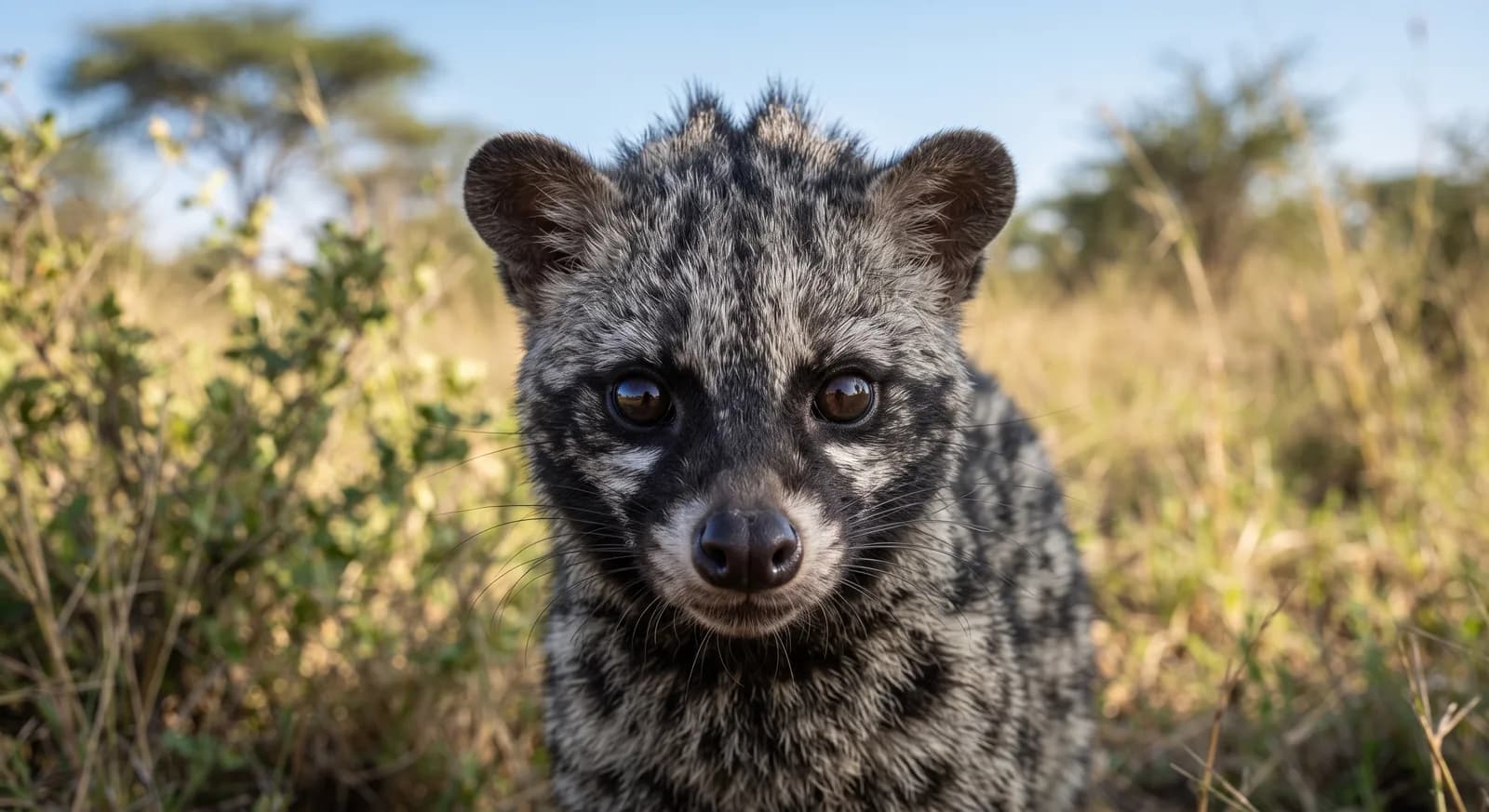
African Civet
Civettictis civetta
Black-necked Spitting Cobra
Naja nigricollis
Keep exploring
Based on what we already know about honey badger.
Comments
Share an experience, a fun fact or a tip for seeing the honey badger.
Be the first to comment.