Mammals · Carnivora · Mustelidae
Zorilla
Ictonyx striatus
The species is abundant and widely distributed; it faces no significant short-term risk. See full glossary
Its Spanish name, zorrilla, comes from zorrillo, 'little skunk'. It is not related to the true skunks, but convergent evolution has given it an almost identical defence: foul-smelling secretions it sprays at predators.
Weight
600 g – 1.5 kg
Size
60 cm – 70 cm
Lifespan
10 years
Diet
Carnivore
Feeds mainly on other animals.
Activity
Nocturnal
Active mainly at night.
Social structure
Solitary
Lives and hunts alone, joining others only to breed.
Sighting difficulty
Easy
Fun facts
- Though not related to the skunks, convergent evolution has given it an almost identical defence.
- It can spray foul-smelling secretions from its anal glands at a predator.
- It eats small rodents, snakes, birds and insects.
- defensaDespite its Spanish name it is not a fox but a mustelid, and it can release an extremely foul-smelling secretion in defence, much as the American skunks do.
Life cycle & biology
- Skeleton type
- Vertebrate - internal bony skeleton (mammal)
- Habitat & environment
- Savannah, grassland and semi-arid country of central, southern and sub-Saharan Africa, avoiding the Congo Basin
- Birth weight
- 15 grams
- Size at birth
- Blind and helpless at birth
- Sexual maturity
- Female: ~10 months | Male: ~2 years (though physiological maturity may come earlier)
- Gestation / incubation
- 36 days (some sources give ~4 weeks more loosely)
- Litter / clutch size
- 1 to 5 young per litter (most commonly 2)
- Lifespan in captivity
- Documented record of up to 13-14 years in captivity
Sources consulted: AnAge; Earthpedia; Dimensions.com; BioDB; Critter Science; Wikipedia; Animalia.bio; Animal Diversity Web
Where to find it
See its range on the interactive mapBest time: All year round in sub-Saharan Africa, at night; faced with a threat it raises its tail and sprays a fluid as foul as a skunk's.
Where to watch it
Parques y spots de buceo donde se ha documentado esta especie — se muestran 10 de 18 documentados.
Related species
Other species in the catalogue with the most in common with Zorilla — same habitat, park, country, tags or family.
Honey Badger
Mellivora capensis
Spotted-necked Otter
Hydrictis maculicollis
Aardvark
Orycteropus afer
 Least Concern
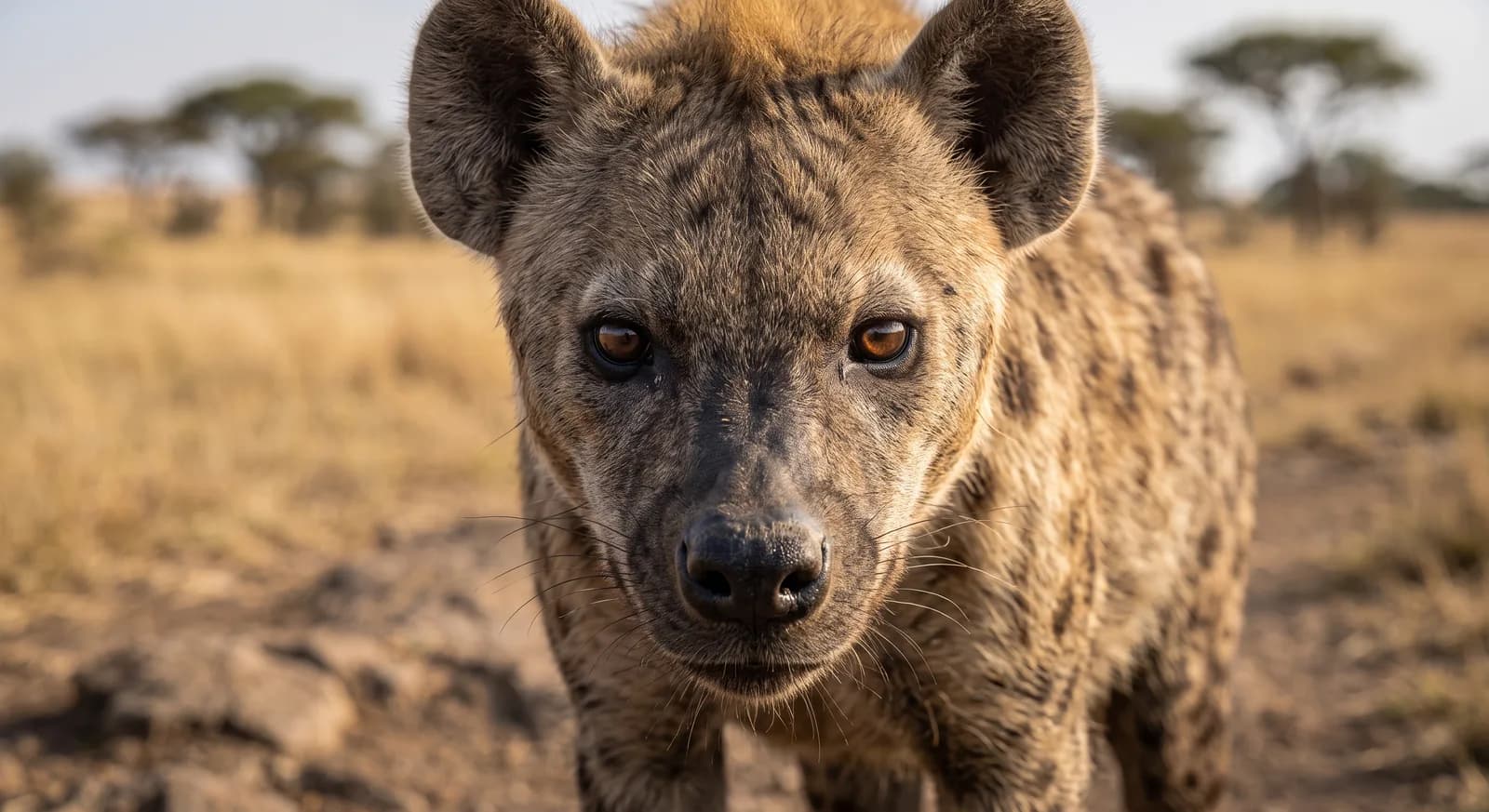
Spotted Hyaena
Crocuta crocuta
 Least Concern
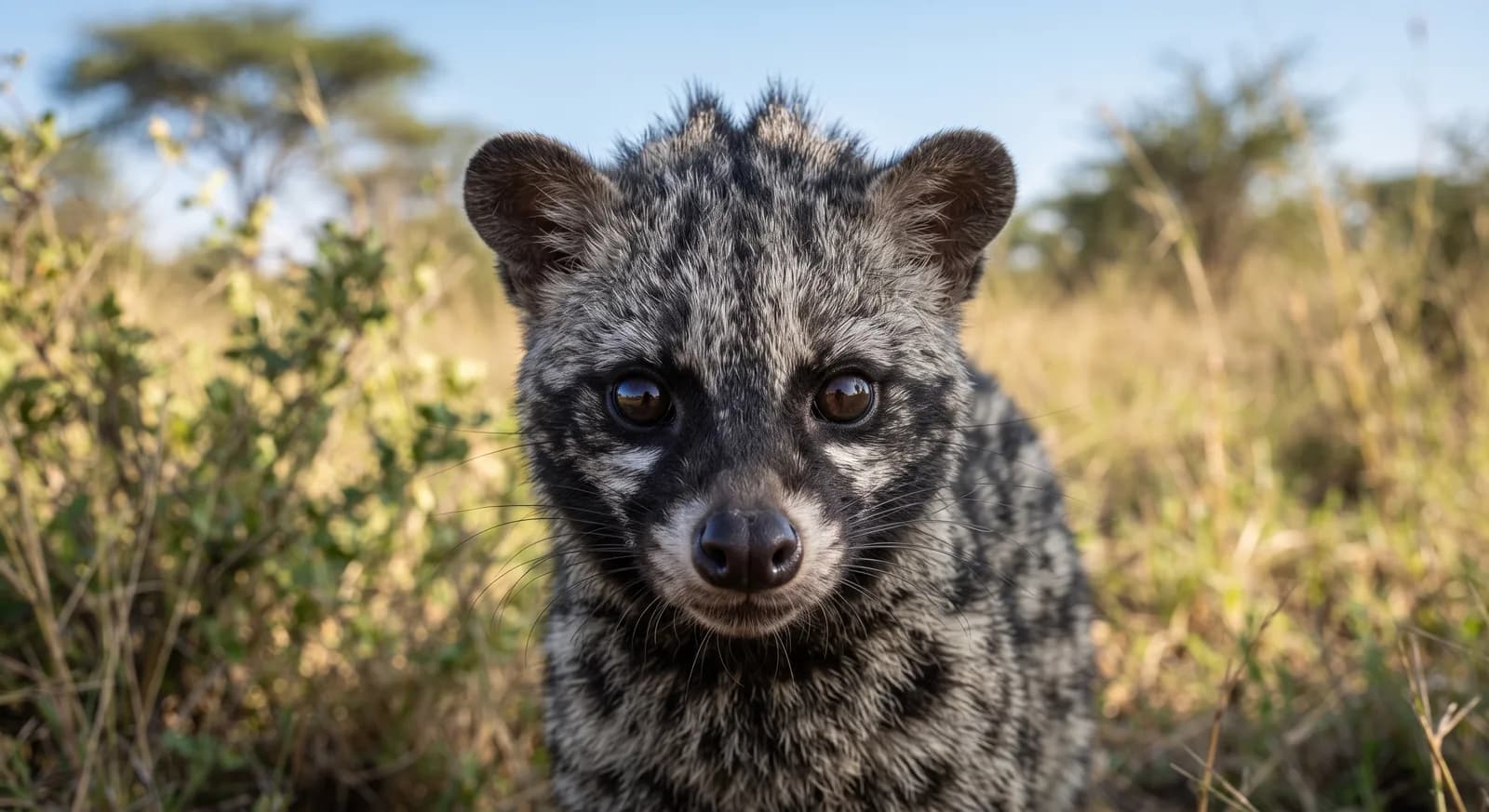
African Civet
Civettictis civetta
Keep exploring
Based on what we already know about zorilla.
Comments
Share an experience, a fun fact or a tip for seeing the zorilla.
Be the first to comment.