One of the 2 civets on WAnimals
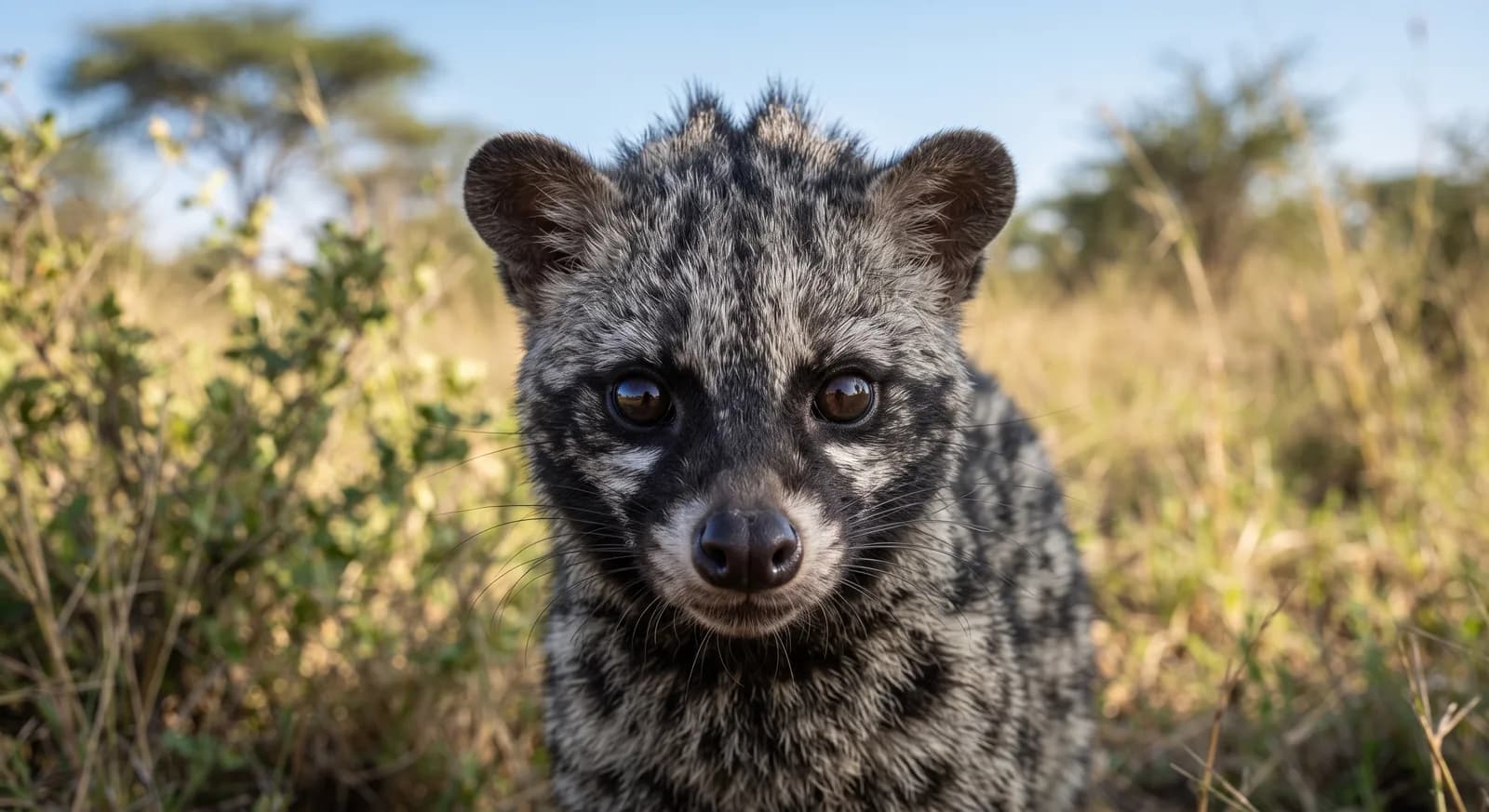
Mammals · Carnivora · Viverridae
African Civet
Civettictis civetta
The species is abundant and widely distributed; it faces no significant short-term risk. See full glossary
Its perineal gland secretion, known as civetone, was used for centuries as a fixative in the luxury perfume industry.
Weight
7 kg – 20 kg
Size
67 cm – 84 cm
Lifespan
11 years
Diet
Omnivore
Combines animal and plant food depending on availability.
Activity
Nocturnal
Active mainly at night.
Social structure
Solitary
Lives and hunts alone, joining others only to breed.
Sighting difficulty
Easy
Fun facts
- It is the largest civet in Africa.
- It eats small vertebrates, insects, carrion, eggs and fruit.
- It lives in savannah and woodland across much of sub-Saharan Africa, near permanent water.
- utilidadIt produces a musky glandular secretion historically used as a fixative in perfumery, before synthetic substitutes were developed.
Life cycle & biology
- Skeleton type
- Vertebrate - internal bony skeleton (mammal)
- Habitat & environment
- Savannah and woodland across much of sub-Saharan Africa, generally near permanent water
- Birth weight
- Born blind and helpless in a hidden burrow
- Size at birth
- Born blind and helpless
- Sexual maturity
- ~1 year
- Gestation / incubation
- 60-80 days
- Litter / clutch size
- 1 to 4 young per litter (2-3 most often), with 2-3 litters a year
- Lifespan in captivity
- Documented record of up to 28 years
Sources consulted: A-Z Animals; Animal Diversity Web; Critter Science; All Uganda Safaris; Animalia.bio; AnAge (genomics.senescence.info)
Where to find it
See its range on the interactive mapWhere to watch it
Parques y spots de buceo donde se ha documentado esta especie — se muestran 10 de 36 documentados.
Related species
Other species in the catalogue with the most in common with African Civet — same habitat, park, country, tags or family.
Aardvark
Orycteropus afer
Northern Lesser Galago
Galago senegalensis
 Least Concern
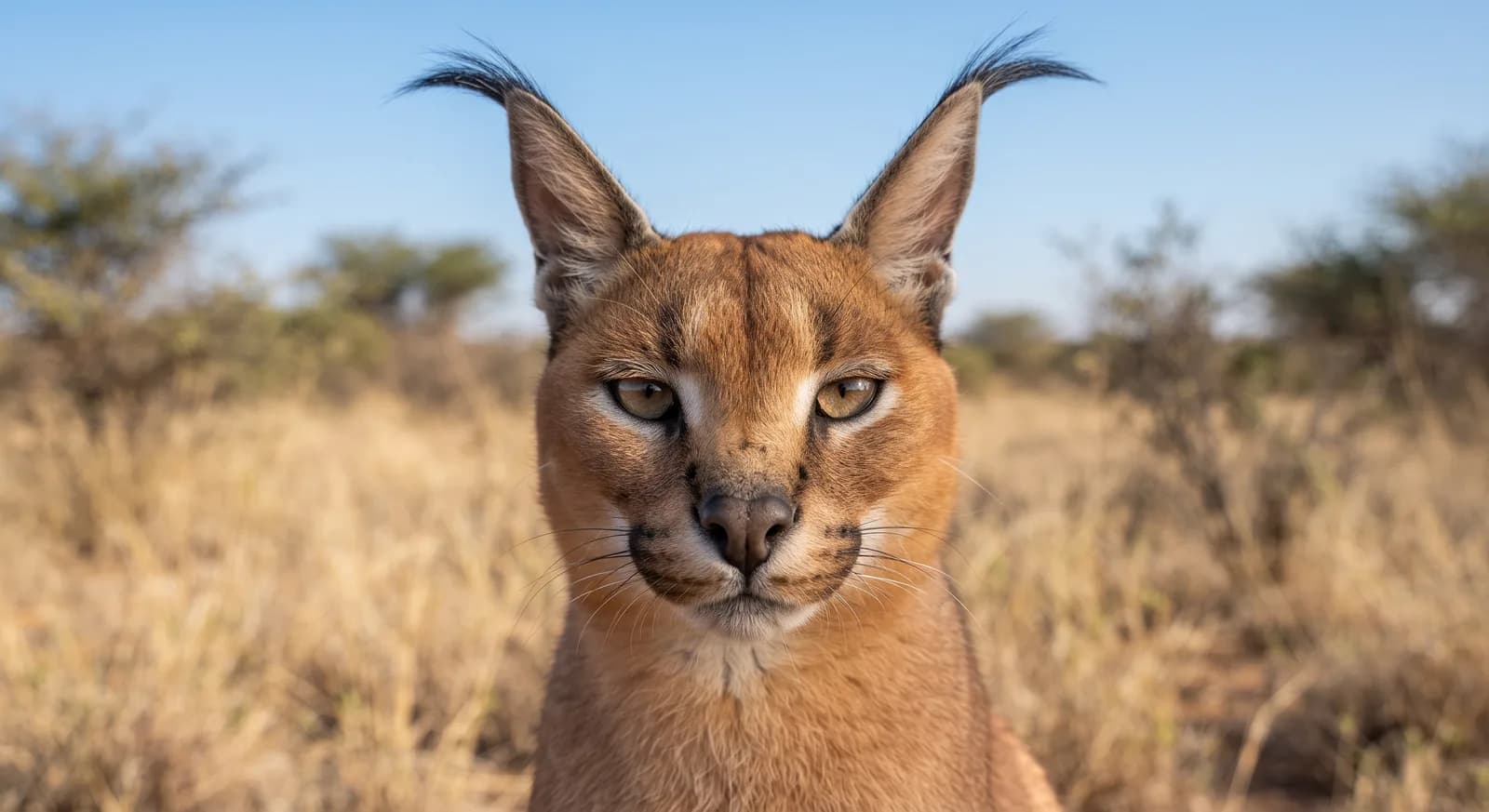
Caracal
Caracal caracal
 Least Concern
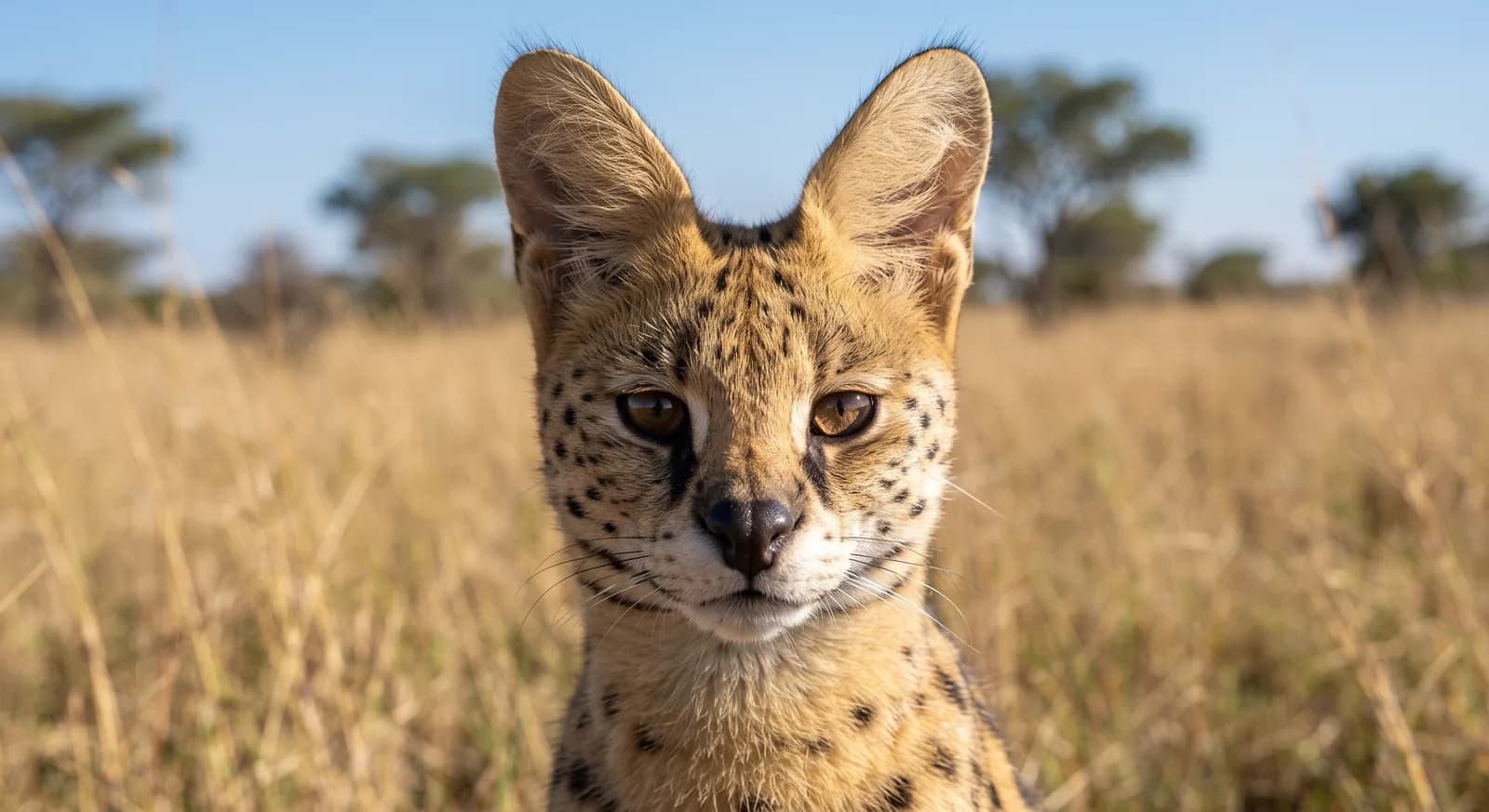
Serval
Leptailurus serval
Northern Giant Pouched Rat
Cricetomys gambianus
Keep exploring
Based on what we already know about african civet.
Comments
Share an experience, a fun fact or a tip for seeing the african civet.
Be the first to comment.