One of the 6 chameleons on WAnimals
Reptiles · Squamata · Chamaeleonidae
Veiled Chameleon
Chamaeleo calyptratus
It has not yet been assessed against the IUCN criteria. See full glossary
It is one of the most popular reptiles in the exotic pet trade, thanks to how readily it breeds and to its striking casque, which grows with age.
Weight
90 g – 200 g
Size
35 cm – 61 cm
Lifespan
6 years
Diet
Insectivore
Feeds mainly on insects and other invertebrates.
Activity
Diurnal
Active mainly during the day.
Social structure
Solitary
Lives and hunts alone, joining others only to breed.
Sighting difficulty
Unknown
Fun facts
- Its striking casque grows with age and helps channel rainwater to its mouth.
- Unlike most chameleons it also eats plant matter, which is unusual.
- It reaches sexual maturity very young, at 4 to 5 months.
- fisiologíaIt can get by on very little standing water, taking much of the moisture it needs from dew condensed on leaves at dawn.
Life cycle & biology
- Skeleton type
- Vertebrate - internal bony skeleton (reptile)
- Habitat & environment
- Highlands and humid valleys of Yemen and south-western Saudi Arabia
- Birth weight
- Hatches from an egg; no reference weight for the newly hatched young in the sources consulted
- Size at birth
- Pastel green on hatching, developing colour bands with age
- Sexual maturity
- 4-5 months, very early compared with other reptiles
- Gestation / incubation
- 20-30 days from mating to laying; then 6-8 months of egg incubation
- Litter / clutch size
- 35 to 85 eggs per clutch
Sources consulted: Creatures of the World Wiki; Animal Diversity Web; AnimalSpot; EDDMapS; ReptileDirect; PMC (GnRH reproductive study)
Where to find it
See its range on the interactive mapWhere to watch it
Parks and dive sites where this species has been documented.
Related species
Other species in the catalogue with the most in common with Veiled Chameleon — same habitat, park, country, tags or family.
Jackson’s Three-horned Chameleon
Trioceros jacksonii
Hamadryas Baboon
Papio hamadryas
 Vulnerable
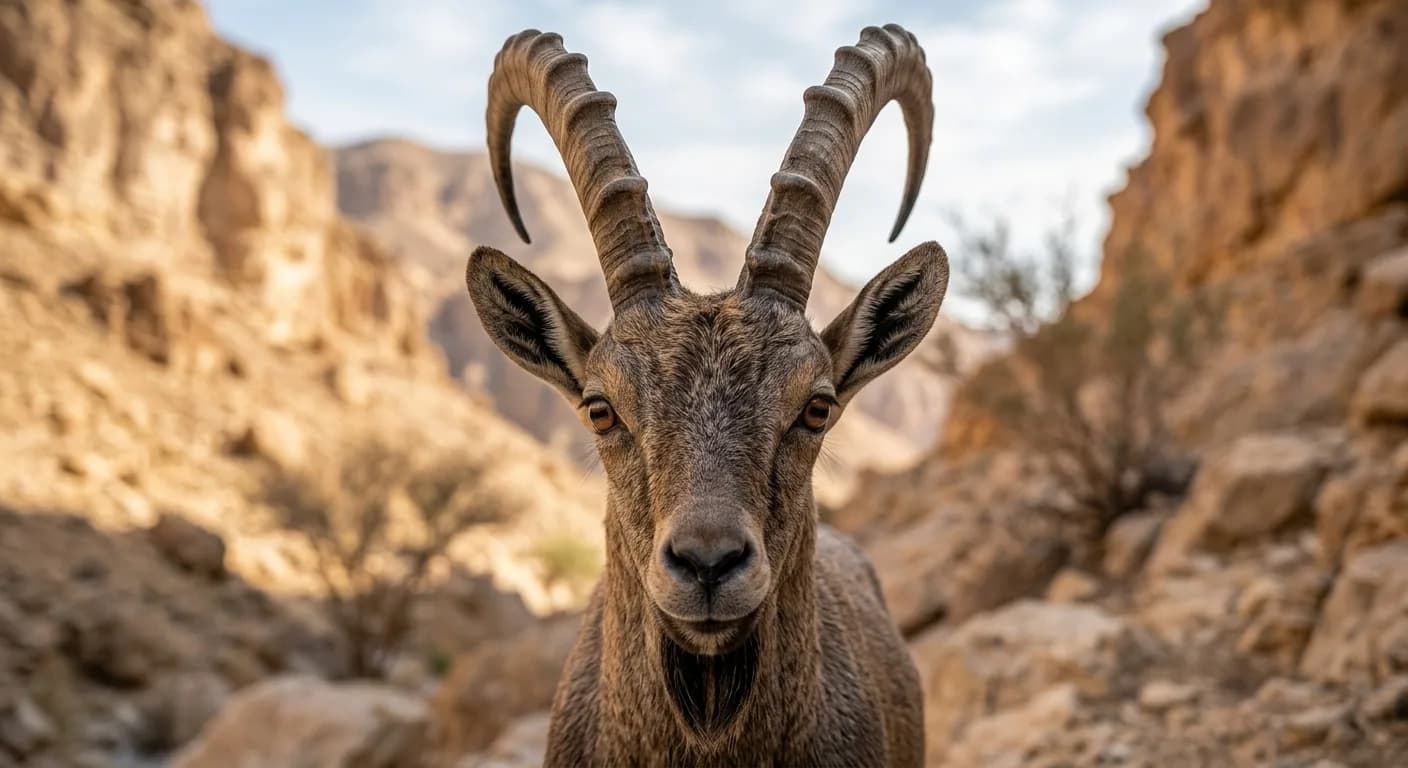
Nubian Ibex
Capra nubiana
 Least Concern
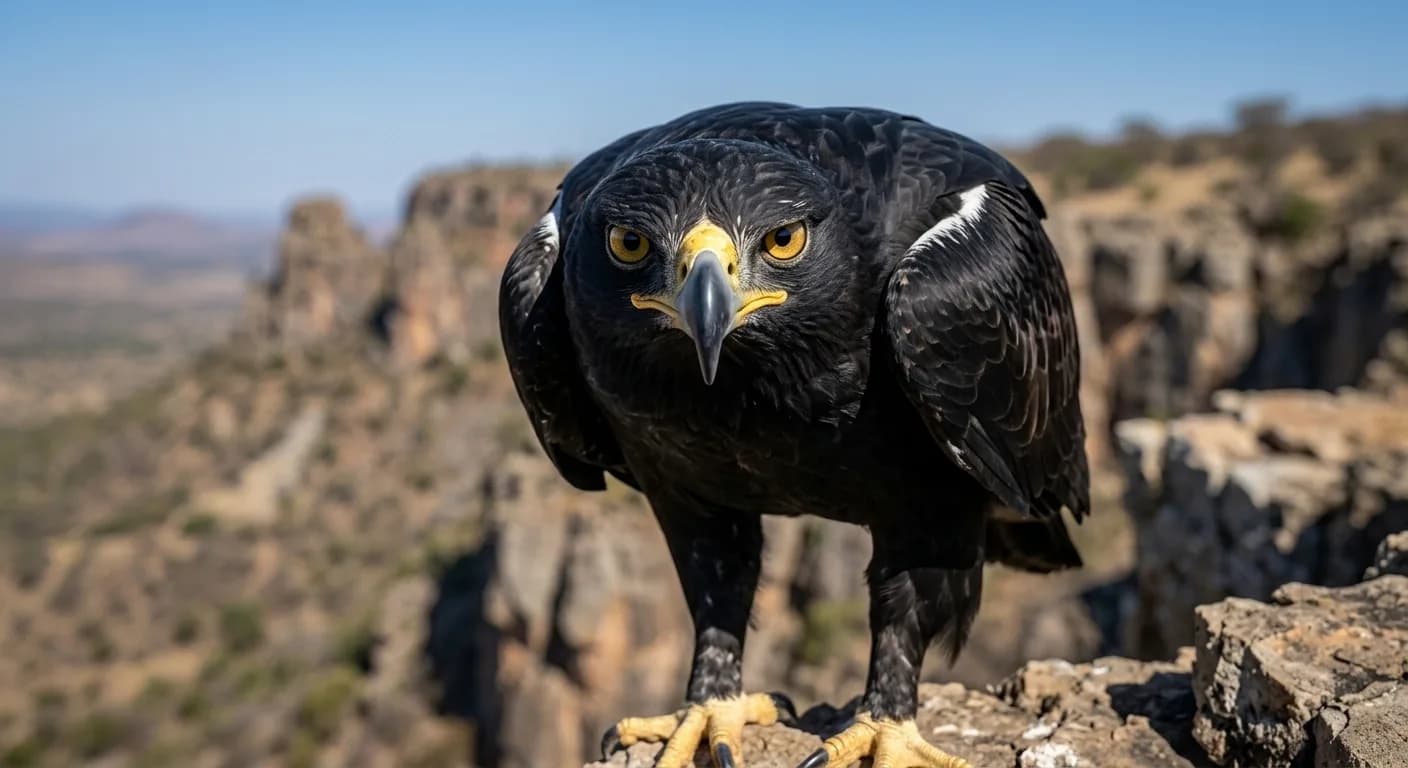
Verreaux's Eagle
Aquila verreauxii
Sinai Rosefinch
Carpodacus synoicus
 Least Concern
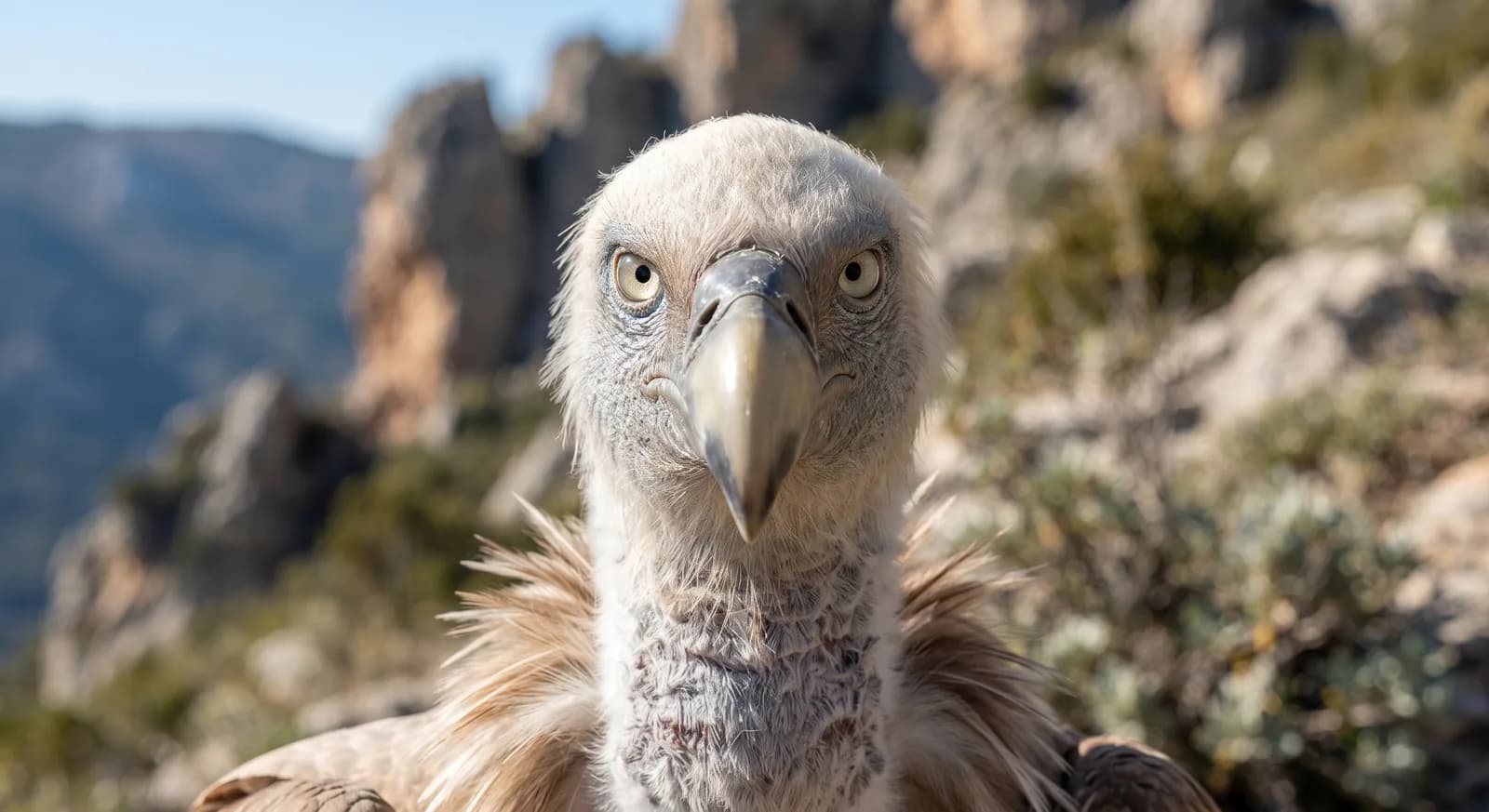
Griffon Vulture
Gyps fulvus
Keep exploring
Based on what we already know about veiled chameleon.
Comments
Share an experience, a fun fact or a tip for seeing the veiled chameleon.
Be the first to comment.