One of the 2 baboons on WAnimals
Mammals · Primates · Cercopithecidae
Hamadryas Baboon
Papio hamadryas
The species is abundant and widely distributed; it faces no significant short-term risk. See full glossary
The hamadryas baboon, also known as the sacred baboon or the Egyptian sacred baboon, is a catarrhine primate of the family Cercopithecidae that lives in the semi-deserts, dry savannas and rocky areas of Egypt, Sudan, Eritrea, Ethiopia and Somalia. There are also small populations on the Arabian Peninsula, near the shores of the Red Sea, which may be of natural origin or may have been introduced by people.
Weight
10 kg – 30 kg
Size
60 cm – 70 cm
Lifespan
35 years
Diet
Omnivore
Combines animal and plant food depending on availability.
Activity
Diurnal
Active mainly during the day.
Social structure
Hierarchical pack
Lives in an organised hierarchical group, typical of cooperative hunters.
Sighting difficulty
Easy
Fun facts
- Its society has four nested levels: the one-male unit with several females, the clan, the band and the troop, which can gather several hundred animals on the same cliff at nightfall.
- It was a sacred animal in Ancient Egypt, associated with Thoth, god of writing and knowledge, and tens of thousands of individuals were mummified.
Life cycle & biology
- Skeleton type
- Vertebrate - internal bony skeleton (mammal)
- Habitat & environment
- Arid savanna, semi-desert and rocky cliffs of the Horn of Africa and south-western Arabia
- Size at birth
- Born with its eyes open, clinging to its mother's fur from the first day
- Sexual maturity
- 4.1 years
- Gestation / incubation
- 5.6 months
- Litter / clutch size
- 1
Sources consulted: https://es.wikipedia.org/wiki/Papio_hamadryas
Where to find it
See its range on the interactive mapBest time: All year round in Ethiopia, Eritrea, Djibouti and south-western Arabia, by day; at dusk hundreds gather at cliff roosts.
Where to watch it
Parks and dive sites where this species has been documented.
Related species
Other species in the catalogue with the most in common with Hamadryas Baboon — same habitat, park, country, tags or family.
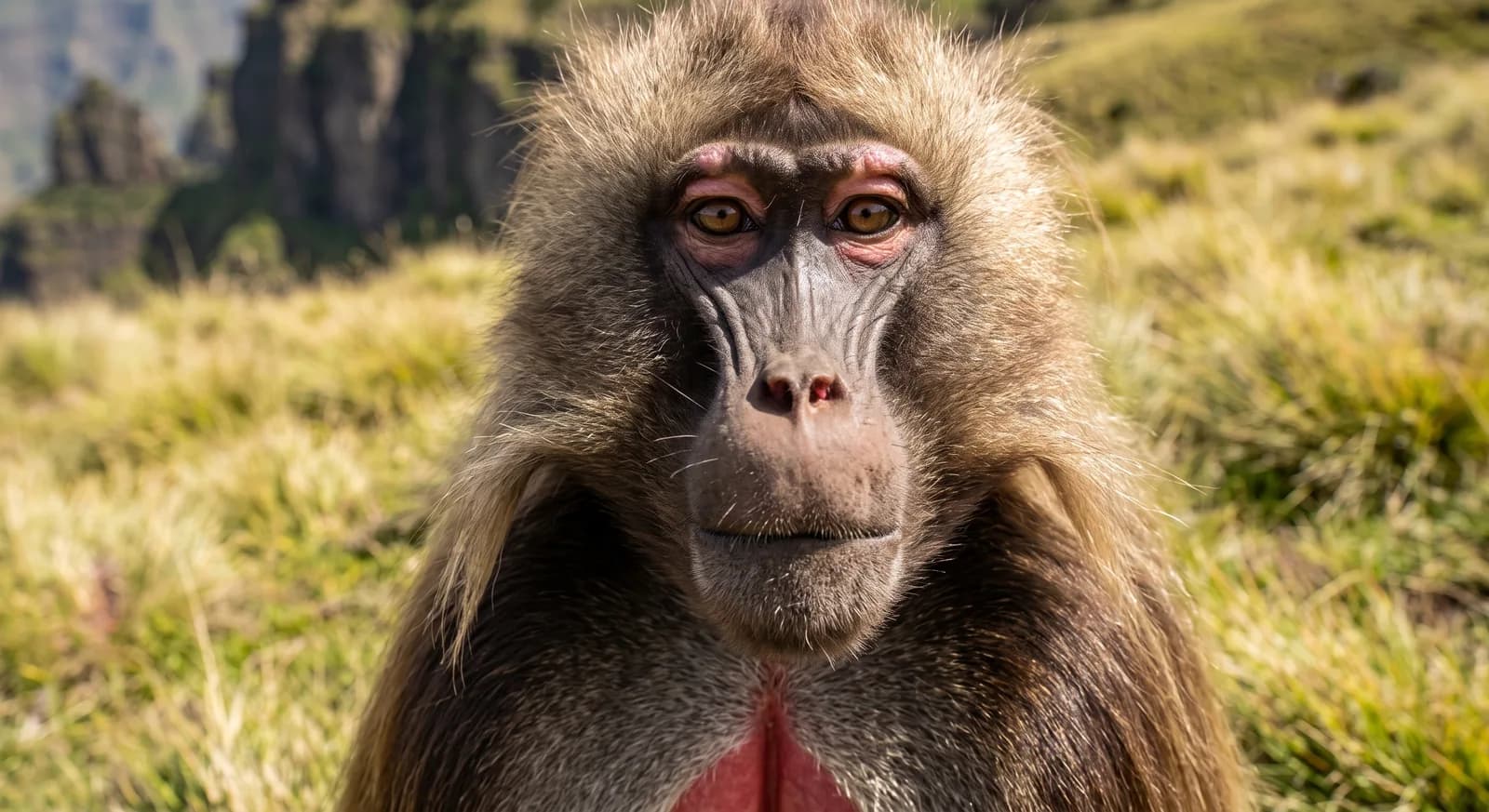 Least Concern
Gelada
Theropithecus gelada
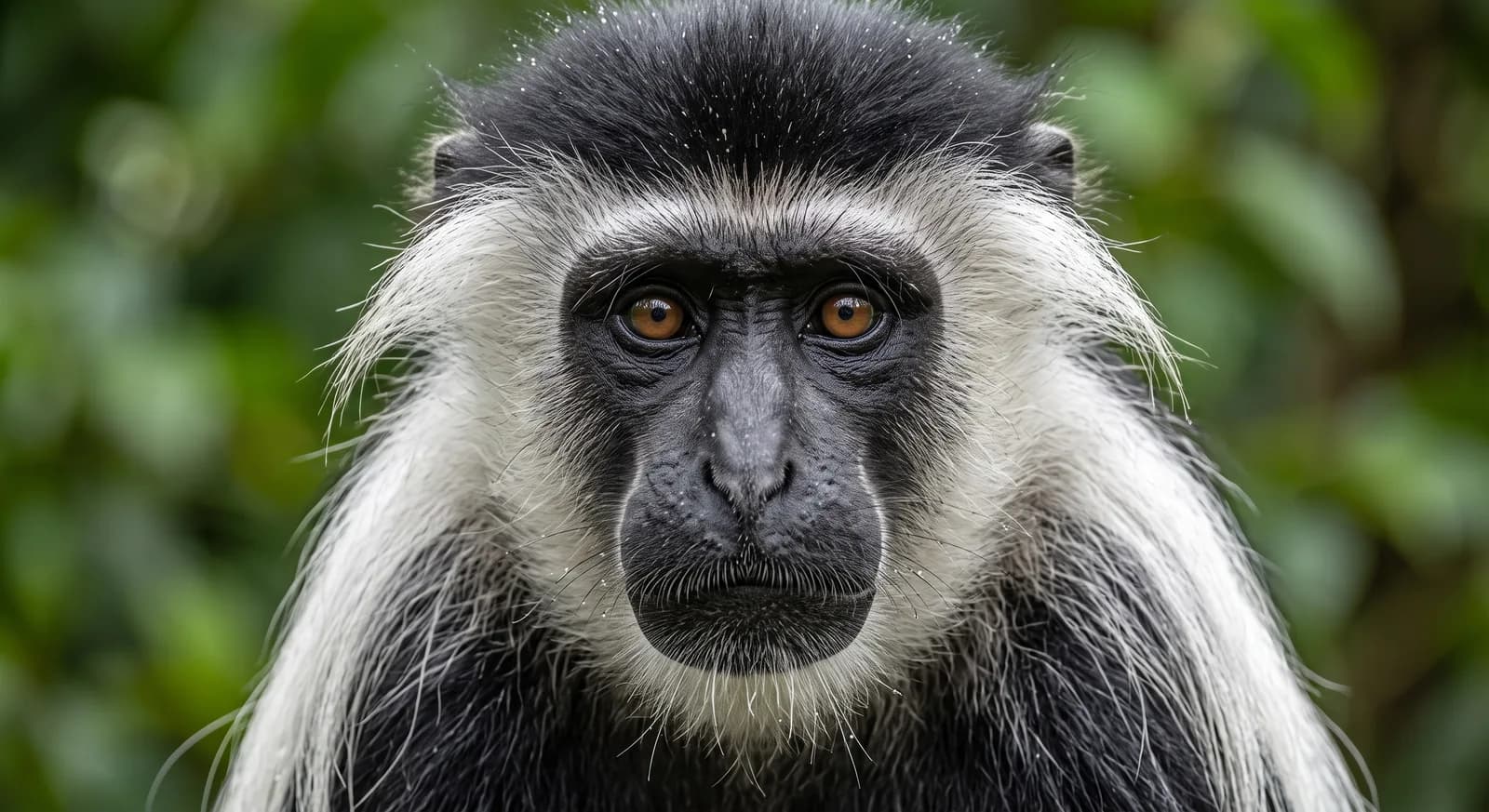 Least Concern
Guereza
Colobus guereza
Olive Baboon
Papio anubis
Patas Monkey
Erythrocebus patas
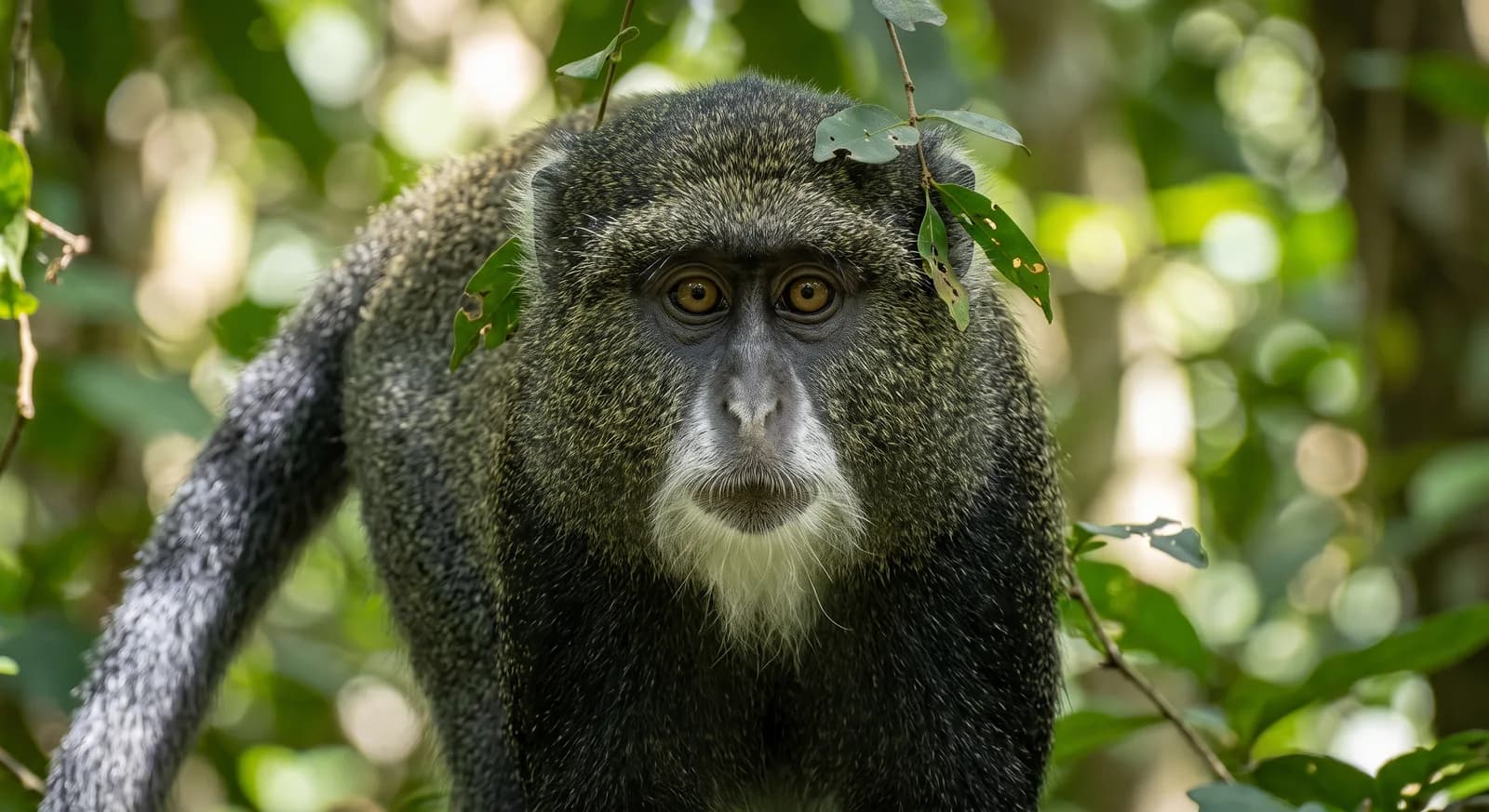 Least Concern
Blue Monkey
Cercopithecus mitis
Yellow Baboon
Papio cynocephalus
Keep exploring
Based on what we already know about hamadryas baboon.
Comments
Share an experience, a fun fact or a tip for seeing the hamadryas baboon.
Be the first to comment.