One of the 18 monkeys on WAnimals
Mammals · Primates · Cercopithecidae
Patas Monkey
Erythrocebus patas
The species is abundant and widely distributed; it faces no significant short-term risk. See full glossary
The patas monkey is the most terrestrial primate in Africa after the baboons, and the one best adapted to open savanna. It has very long, slender limbs, a lean body and a reddish coat. It lives in groups of related females with a single adult male, who acts as a sentinel on the fringes. When a predator appears, the male usually moves away making a noise to draw it off while the females and young hide in the tall grass.
Weight
4 kg – 13 kg
Size
60 cm – 88 cm
Lifespan
20 years
Diet
Omnivore
Combines animal and plant food depending on availability.
Activity
Diurnal
Active mainly during the day.
Social structure
Herd
Lives in large groups as a strategy against predators.
Sighting difficulty
Easy
Fun facts
- It is the fastest primate in the world: it reaches more than 50 kilometres an hour at a run over open ground.
- At night the group disperses and each animal chooses a different tree rather than bunching together: that way a nocturnal predator cannot surprise them all at once.
Life cycle & biology
- Skeleton type
- Vertebrate - internal bony skeleton (mammal)
- Habitat & environment
- Open savanna, wooded steppe and semi-desert of the Sahelo-Sudanian belt and East Africa
- Size at birth
- Born with its eyes open, clinging to its mother's fur from the first day
- Sexual maturity
- 2.6 years
- Gestation / incubation
- 5.5 months
- Litter / clutch size
- 1
Sources consulted: https://es.wikipedia.org/wiki/Erythrocebus_patas
Where to find it
See its range on the interactive mapBest time: All year round in the savannahs of the Sahel and East Africa, by day; it is the fastest primate on the ground and is seen sprinting across open country.
Where to watch it
Parques y spots de buceo donde se ha documentado esta especie — se muestran 10 de 11 documentados.
Related species
Other species in the catalogue with the most in common with Patas Monkey — same habitat, park, country, tags or family.
Yellow Baboon
Papio cynocephalus
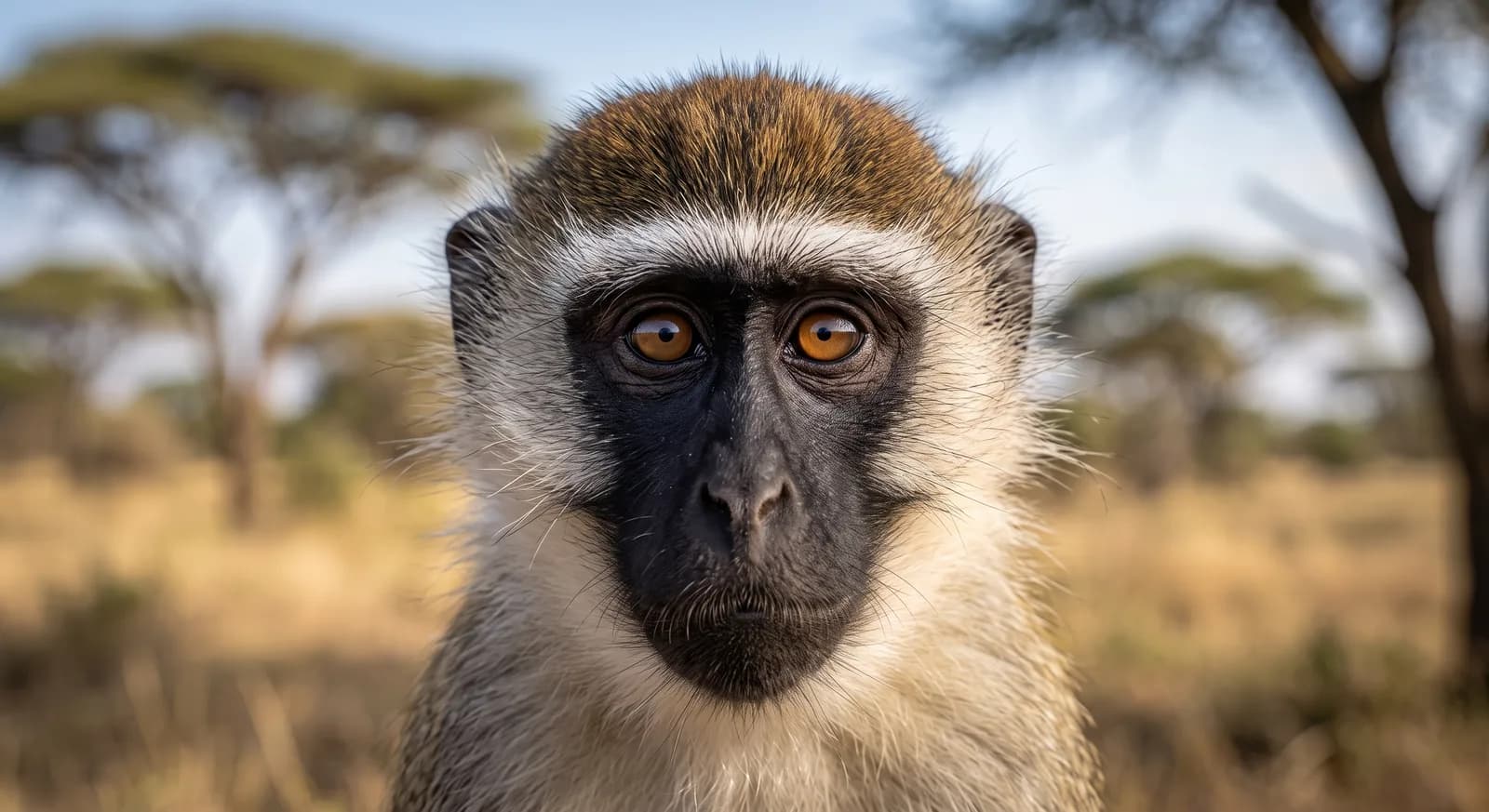 Least Concern
Grivet
Chlorocebus aethiops
Vervet Monkey
Chlorocebus pygerythrus
De Brazza’s Monkey
Cercopithecus neglectus
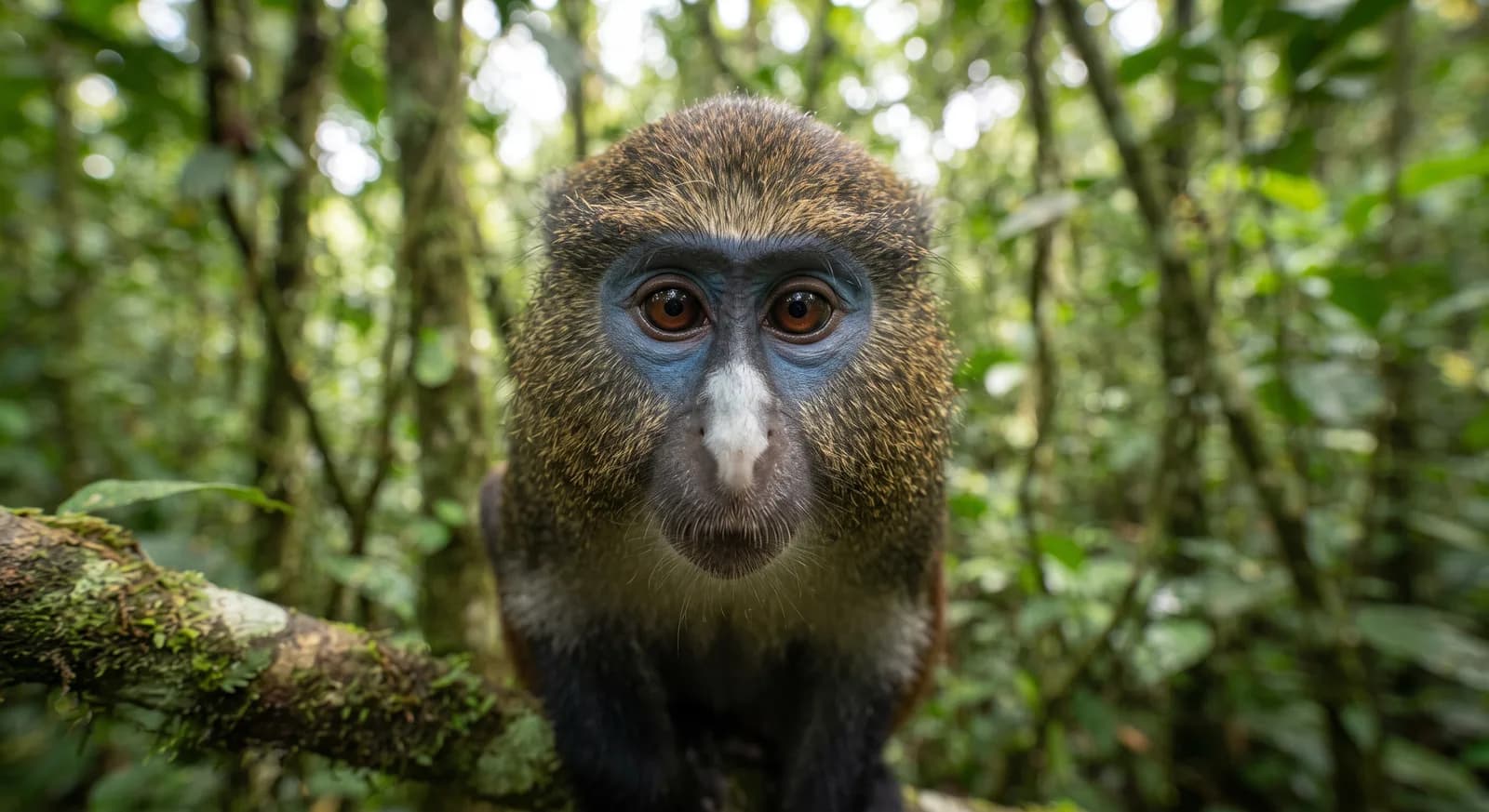 Least Concern
Red-tailed Monkey
Cercopithecus ascanius
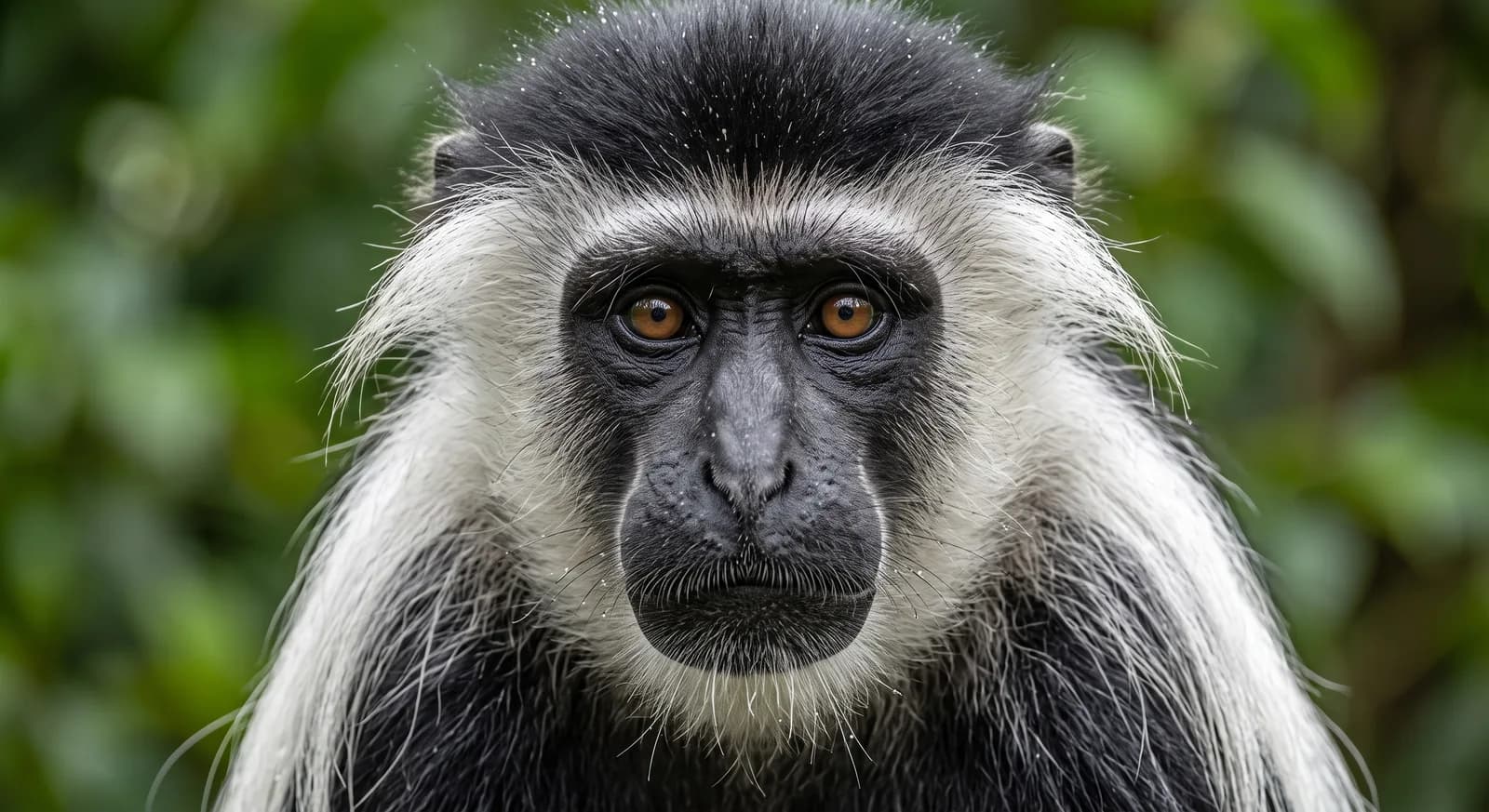 Least Concern
Guereza
Colobus guereza
Keep exploring
Based on what we already know about patas monkey.
Comments
Share an experience, a fun fact or a tip for seeing the patas monkey.
Be the first to comment.