One of the 2 baboons on WAnimals
Mammals · Primates · Cercopithecidae
Yellow Baboon
Papio cynocephalus
The species is abundant and widely distributed; it faces no significant short-term risk. See full glossary
The yellow baboon is the baboon of the East African savannahs, more slender and longer-legged than the chacma, with a yellowish coat and an elongated face. It lives in troops of several dozen animals with adult males and females, structured by stable matrilineal hierarchies. It is omnivorous and highly adaptable: grasses, seeds, roots, fruit, insects and occasionally antelope calves. Its combination of abundance, visibility and social complexity has made it one of the best-studied primates in the world.
Weight
11 kg – 26 kg
Size
60 cm – 1 m
Lifespan
30 years
Diet
Omnivore
Combines animal and plant food depending on availability.
Activity
Diurnal
Active mainly during the day.
Sighting difficulty
Easy
Fun facts
- GeneralThe subject of over 50 years of social-behaviour research at Amboseli, in Kenya.
- The population of the Amboseli basin in Kenya has been followed continuously since 1971 and is one of the longest-running studies of wild primates in existence, with individual pedigrees spanning more than half a century.
- Females inherit their mother's social rank: the daughter of a dominant female will hold a high position from a young age, and the hierarchy is thus passed down the female line for generations.
Life cycle & biology
- Skeleton type
- Vertebrate - internal bony skeleton (mammal)
- Habitat & environment
- Wooded savannah, open forest and scrub of eastern and south-central Africa
- Sexual maturity
- 5 years
- Gestation / incubation
- 6 months
- Litter / clutch size
- 1
Sources consulted: https://es.wikipedia.org/wiki/Papio_cynocephalus
Where to find it
See its range on the interactive mapWhere to watch it
Parques y spots de buceo donde se ha documentado esta especie — se muestran 10 de 30 documentados.
Related species
Other species in the catalogue with the most in common with Yellow Baboon — same habitat, park, country, tags or family.
Olive Baboon
Papio anubis
Patas Monkey
Erythrocebus patas
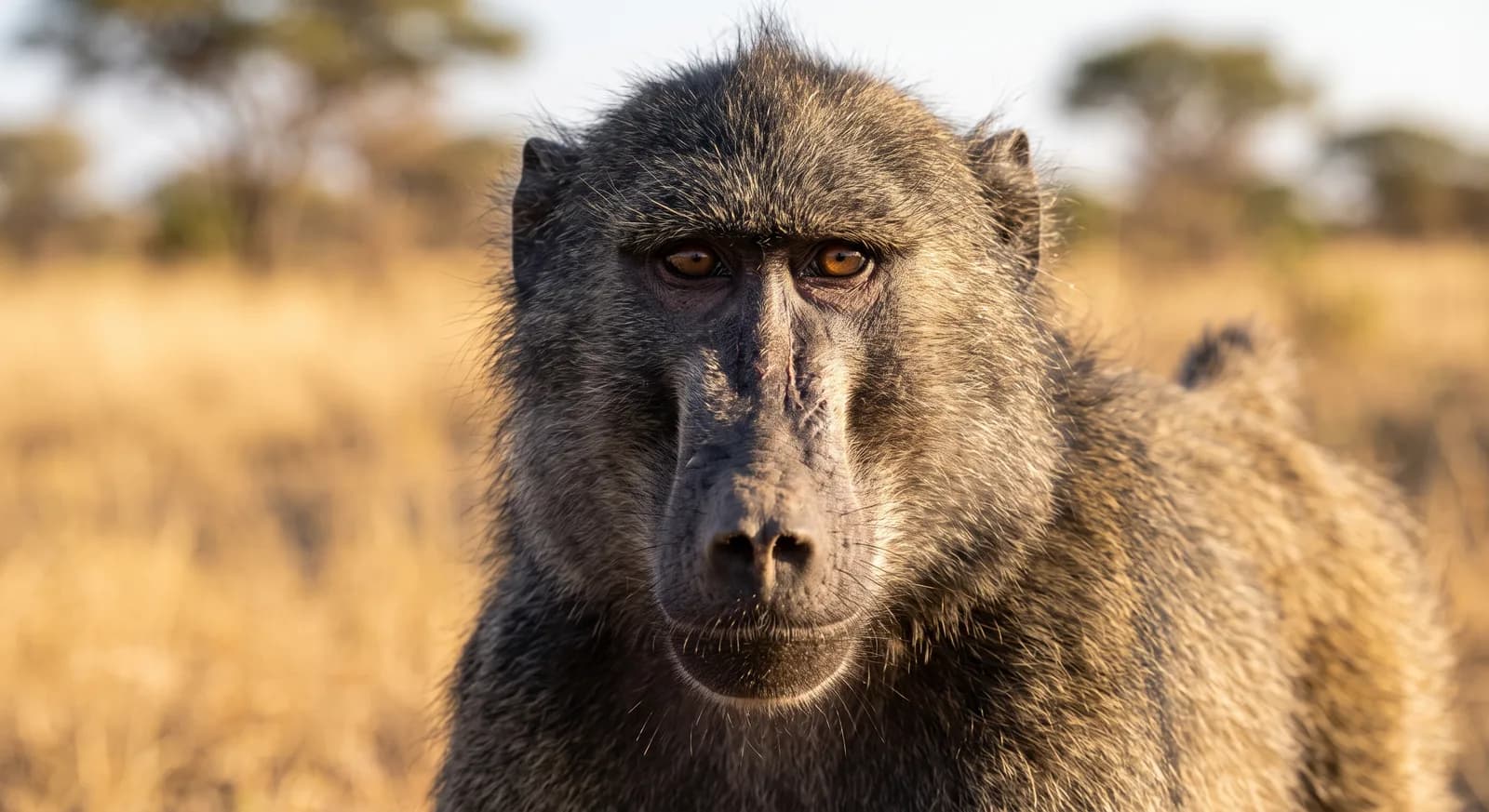 Least Concern
Chacma Baboon
Papio ursinus
Vervet Monkey
Chlorocebus pygerythrus
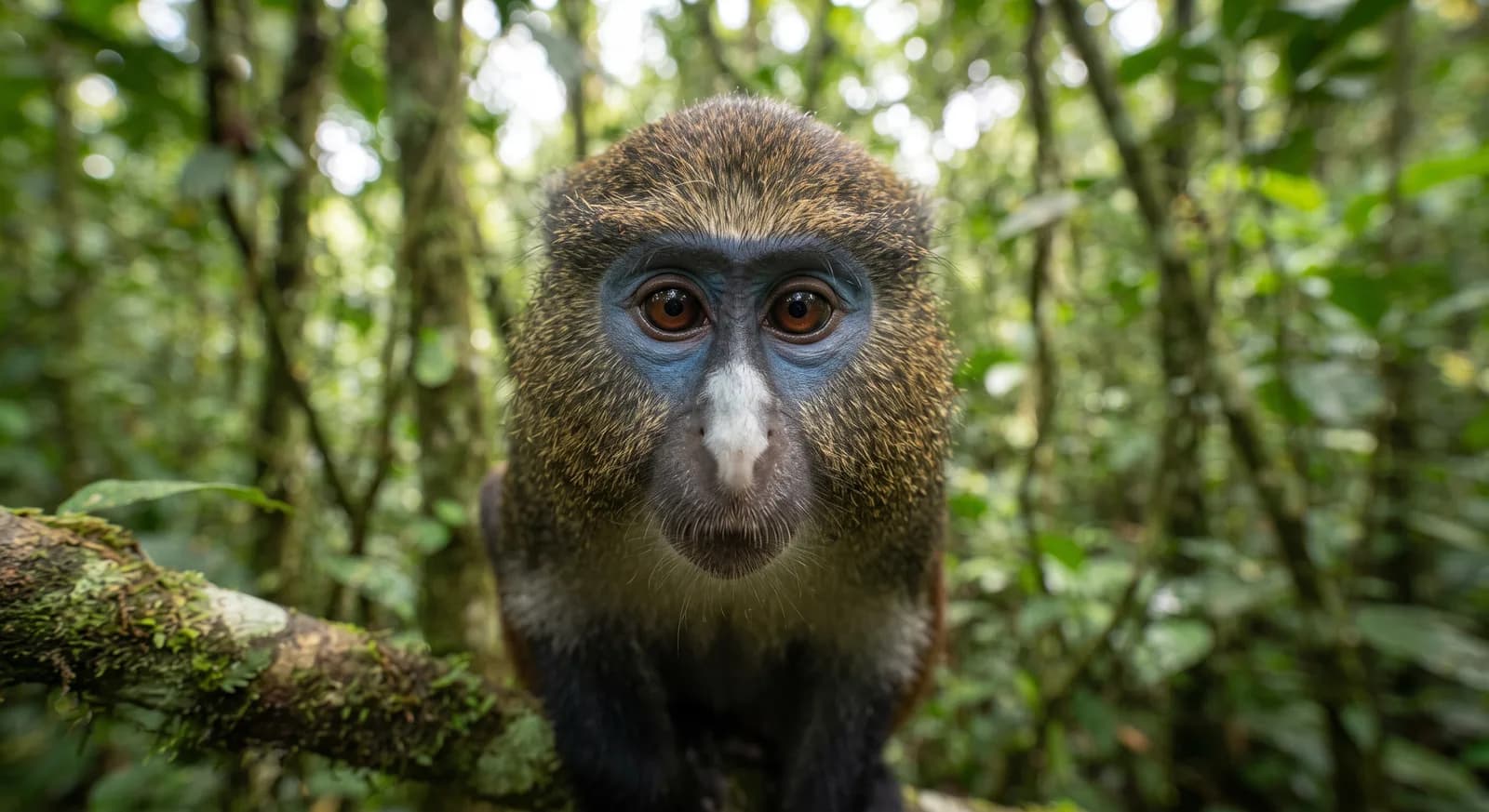 Least Concern
Red-tailed Monkey
Cercopithecus ascanius
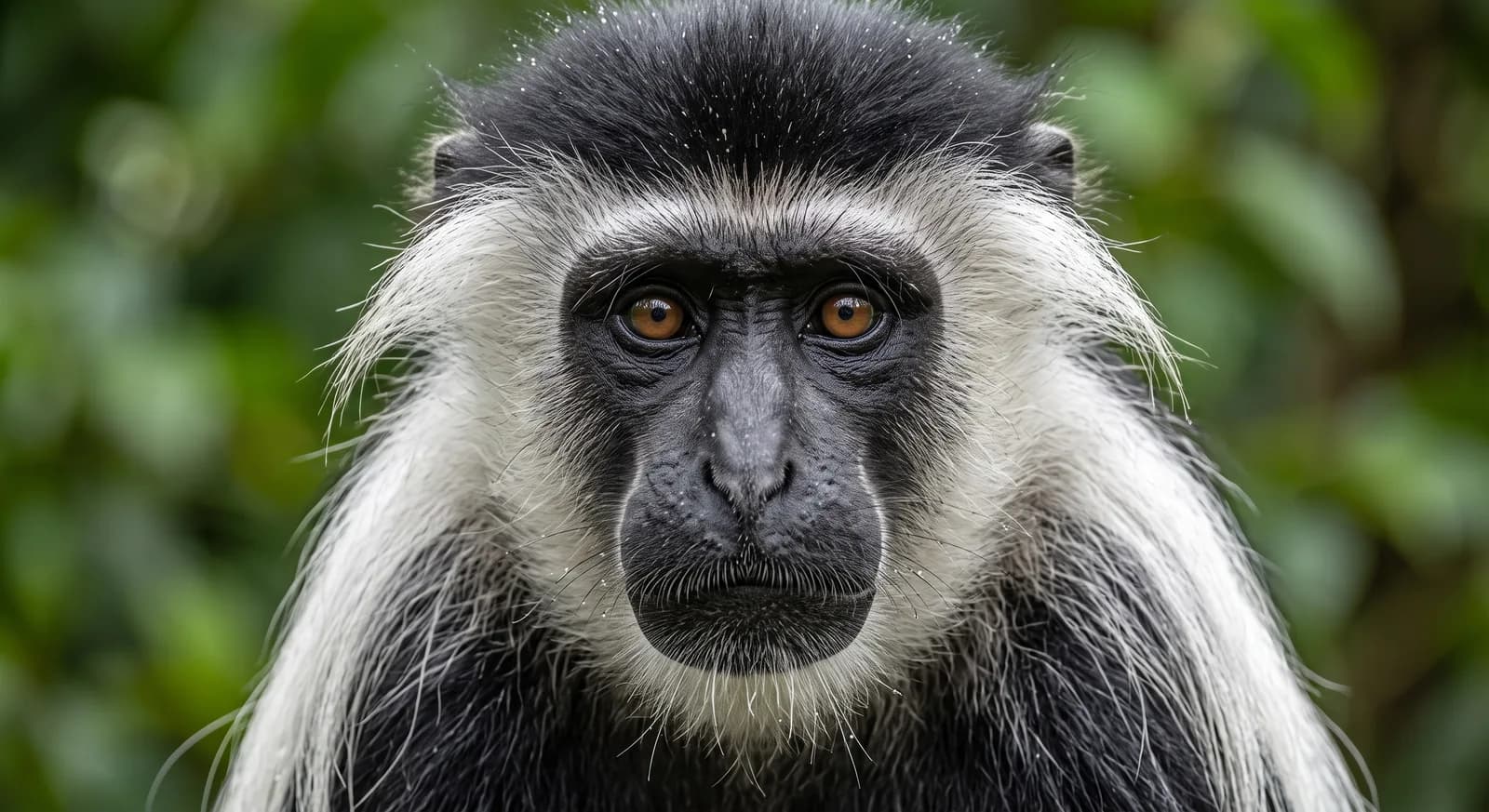 Least Concern
Guereza
Colobus guereza
Keep exploring
Based on what we already know about yellow baboon.
Comments
Share an experience, a fun fact or a tip for seeing the yellow baboon.
Be the first to comment.