One of the 13 ants on WAnimals
Insects · Hymenoptera · Formicidae
Red Wood Ant
Formica rufa
It could become endangered in the near future if current threats go unchecked. See full glossary
A single mound can hold as many as 500,000 ants and up to 100 working queens at the same time.
Size
0.5 cm – 1.2 cm
Lifespan
10 years
Diet
Omnivore
Combines animal and plant food depending on availability.
Activity
Diurnal
Active mainly during the day.
Social structure
Colony
Lives in large concentrations, often for breeding reasons.
Sighting difficulty
Moderate
Fun facts
- New queens practise social parasitism: they slip into the nest of another ant species, kill its queen and take over the existing workers.
- It eats other insects and invertebrates, supplemented with honeydew from aphids it actively milks.
- It builds large mound nests in the coniferous and broadleaf woodland of Europe.
- comportamientoA single colony can hold several million ants and several queens spread across interconnected mounds.
- It fires formic acid. It has no sting: it bites and sprays acid from the tip of the abdomen, and can hit an attacker several centimetres away. The smell of vinegar is noticeable when approaching a disturbed nest.
- Their mounds are sophisticated thermoregulation structures: the dome of conifer needles is oriented towards the sun, and the workers open and close galleries to regulate the internal temperature, which they keep far higher and more stable than that outside.
- They also warm the nest with their own bodies: in spring they come out to sunbathe en masse on the dome and return inside to release the stored heat.
- A colony can consume millions of insects a year, and in several European countries it has been regarded as an agent of forest pest control; in Germany and Italy its mounds are protected.
- It milks aphids: it protects aphid colonies in the trees in exchange for their honeydew, which is the colony's main source of energy.
- Its nests can last for decades and house several hundred thousand workers.
Life cycle & biology
- Skeleton type
- Invertebrate - chitin exoskeleton (insect)
- Habitat & environment
- Coniferous and broadleaf woodland of Europe and Anatolia, building large mound nests
- Birth weight
- Egg laid by the queen
- Size at birth
- A larva fed by the workers
- Sexual maturity
- Mature colonies, often at least 5 years old, produce queens and breeding males
- Gestation / incubation
- Full development from egg through larva and pupa to worker over several weeks
- Litter / clutch size
- The queen can lay 80-100 eggs a day in ideal conditions
Sources consulted: Best Ants UK; AntKeepers; GBIF; UK Wood Ants; Grokipedia (Formica rufa); Ant-Shack; Antark.net; Wikipedia (Formica rufa species group)
Where to find it
See its range on the interactive mapWhere to watch it
Parques y spots de buceo donde se ha documentado esta especie — se muestran 10 de 196 documentados.
Related species
Other species in the catalogue with the most in common with Red Wood Ant — same habitat, park, country, tags or family.
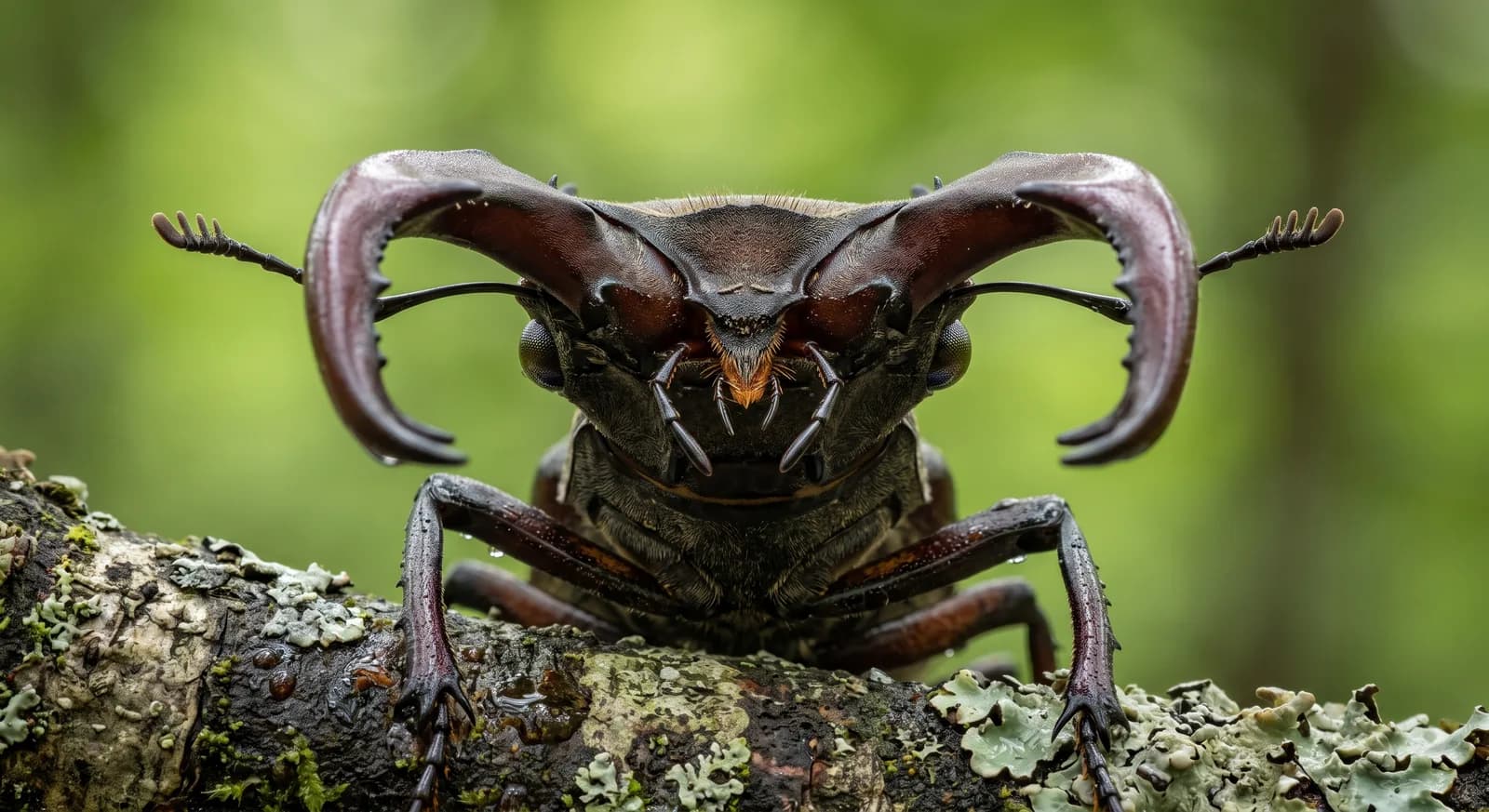 Near Threatened
Stag Beetle
Lucanus cervus
Red-footed Falcon
Falco vespertinus
Hercules Ant
Camponotus herculeanus
West European Hedgehog
Erinaceus europaeus
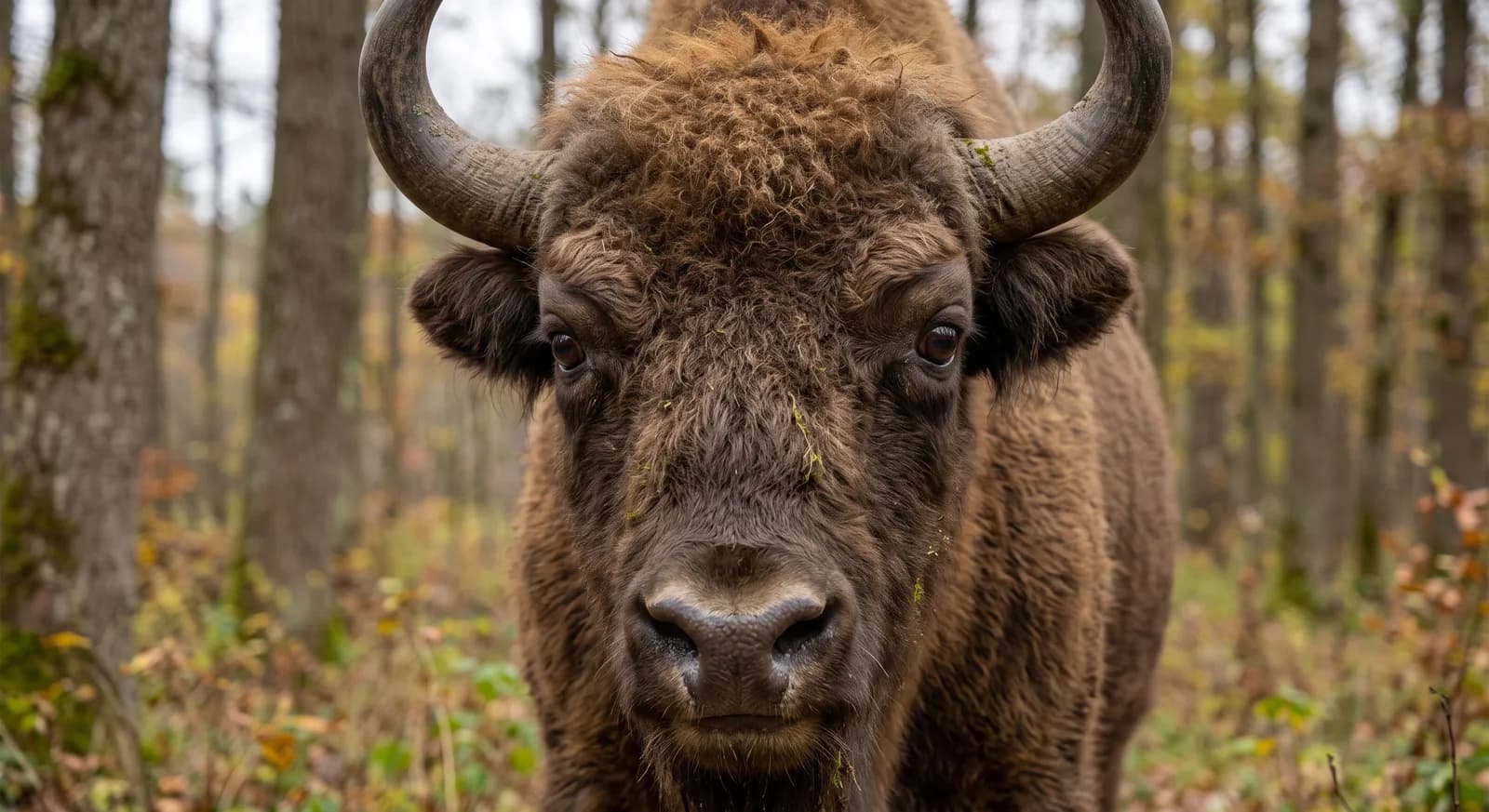 Near Threatened
European Bison
Bison bonasus
Hermann's Tortoise
Testudo hermanni
Keep exploring
Based on what we already know about red wood ant.
Comments
Share an experience, a fun fact or a tip for seeing the red wood ant.
Be the first to comment.