One of the 15 penguins on WAnimals
Birds · Sphenisciformes · Spheniscidae
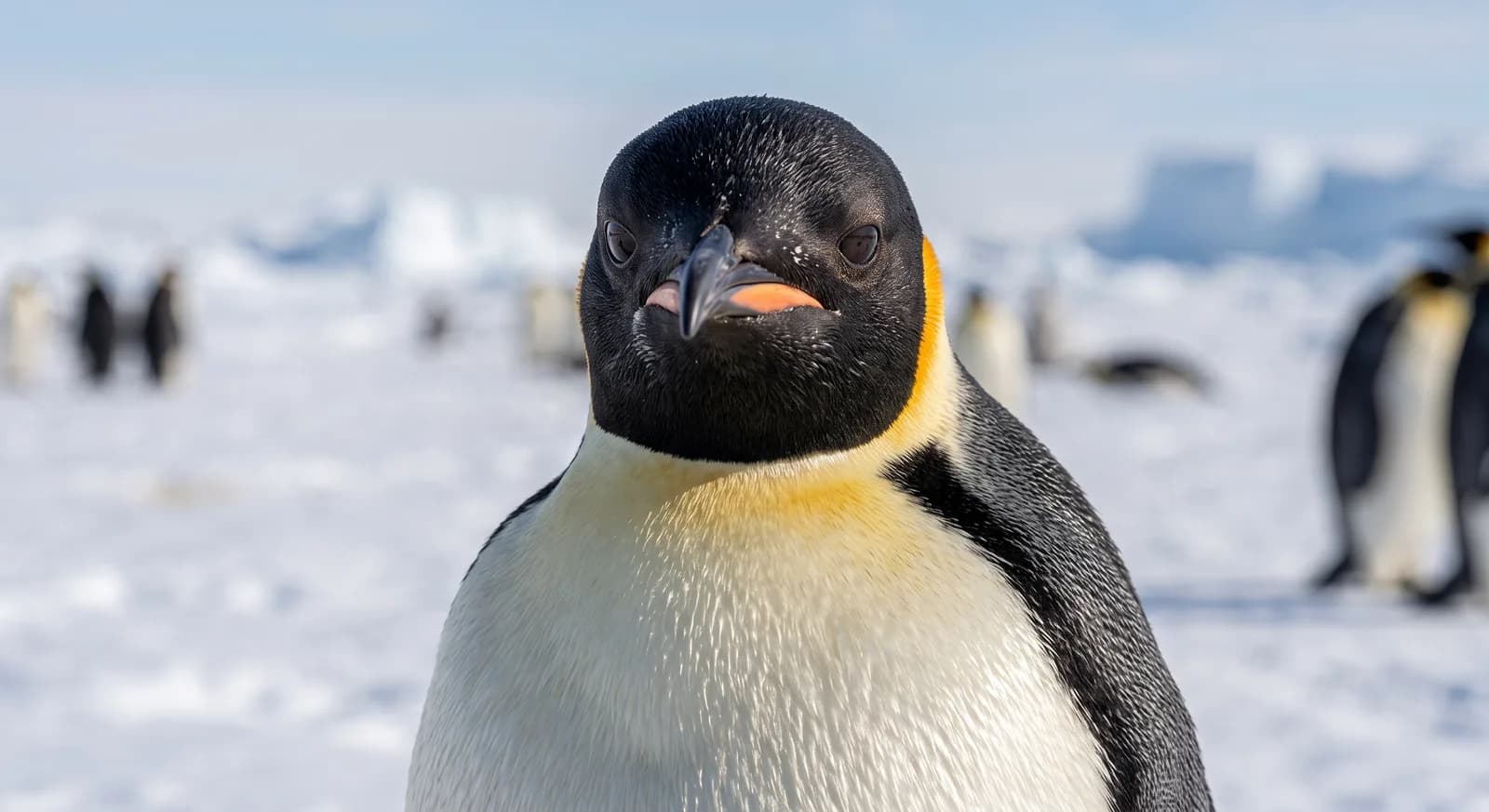
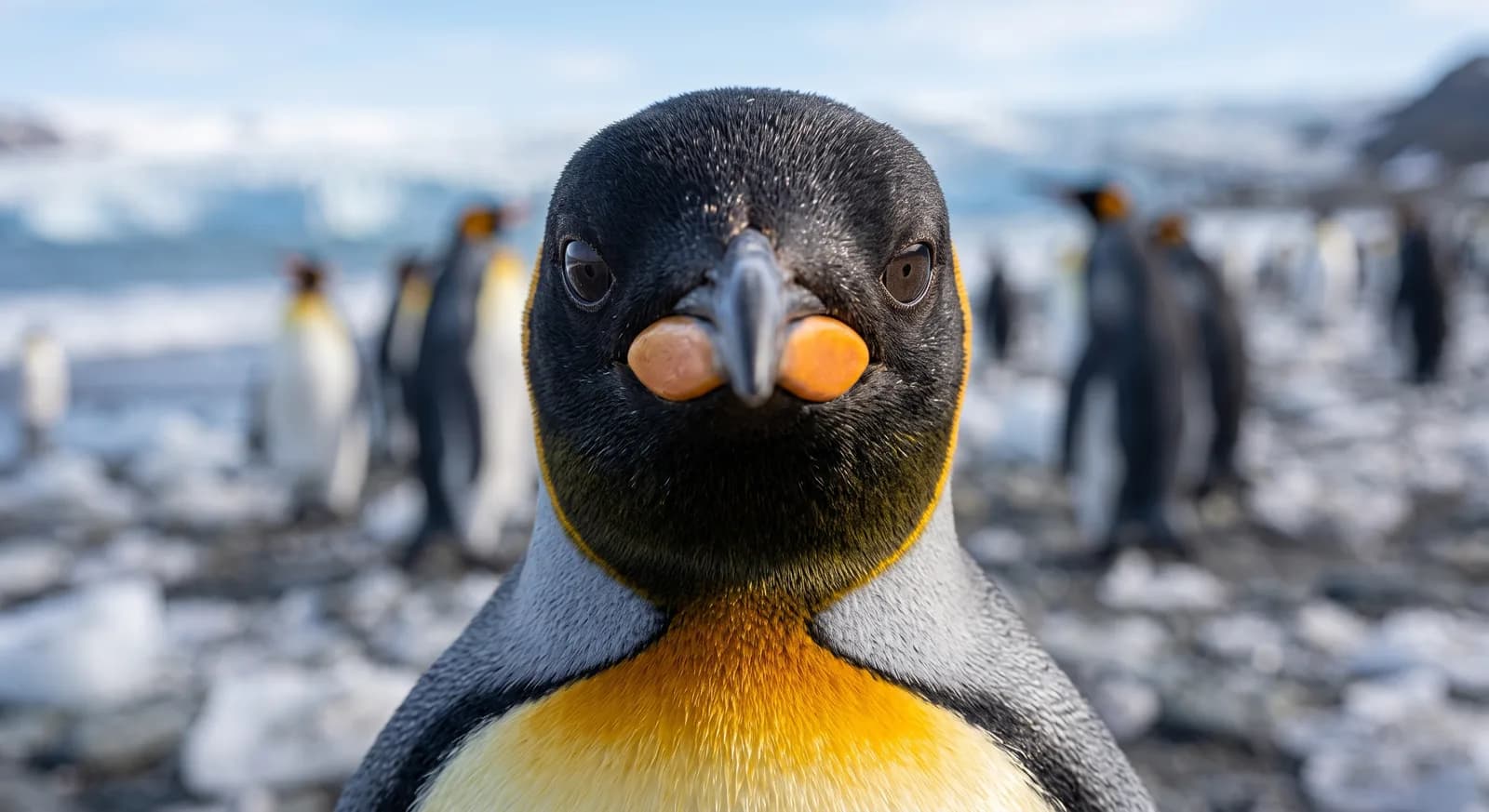
Emperor Penguin
Aptenodytes forsteri
It faces a very high risk of extinction in the wild in the near future. See full glossary
The largest of all the penguins, it incubates its egg on its feet through the Antarctic winter, enduring temperatures as low as -60 °C.
Weight
22 kg – 45 kg
Size
1.1 m – 1.3 m
Lifespan
20 years
Diet
Piscivore
Feeds mainly on fish.
Activity
Diurnal
Active mainly during the day.
Social structure
Colony
Lives in large concentrations, often for breeding reasons.
Sighting difficulty
Hard
Estimated population
Some 238,000 breeding pairs spread across 46 colonies according to the first global satellite survey (2009 season); the IUCN projects that the population will halve by the 2080s
Fun facts
- The males incubate the egg for over two months without eating.
- It can dive to over 500 metres.
- It gathers in colonies of thousands to conserve heat.
Life cycle & biology
- Skeleton type
- Vertebrate - dense bony skeleton adapted for diving, flightless bird
- Habitat & environment
- Coasts and sea ice of Antarctica, in a circumpolar distribution
- Birth weight
- ~315 grams at hatching
- Size at birth
- Covered in pale grey down, unable to regulate their own body temperature
- Sexual maturity
- Female: ~5 years | Male: ~5-6 years
- Gestation / incubation
- 62 - 66 days of incubation (the male incubates the egg alone, held between his feet)
- Litter / clutch size
- 1 egg per clutch
- Lifespan in captivity
- Up to 50 years (anecdotal observations)
Sources consulted: SeaWorld/Busch Gardens; AnAge (genomics.senescence.info); Animal Diversity Web; Global Penguin Society; Encyclopedia Westarctica; Wildlife Free; IUCN, comunicado de 9 de abril de 2026: las imágenes de satélite desde 2009 muestran descenso continuado y se proyecta que la población se reduzca a la mitad en la década de 2080 || Fretwell et al. 2012, PLOS ONE (censo global por satélite); IUCN, comunicado de 9 de abril de 2026 || IUCN, comunicado de 9 de abril de 2026: pasa de Casi amenazado a En peligro por la pérdida de hielo marino
Where to find it
See its range on the interactive mapBest time: November to March
Where to watch it
Parks and dive sites where this species has been documented.
Related species
Other species in the catalogue with the most in common with Emperor Penguin — same habitat, park, country, tags or family.
 Least Concern
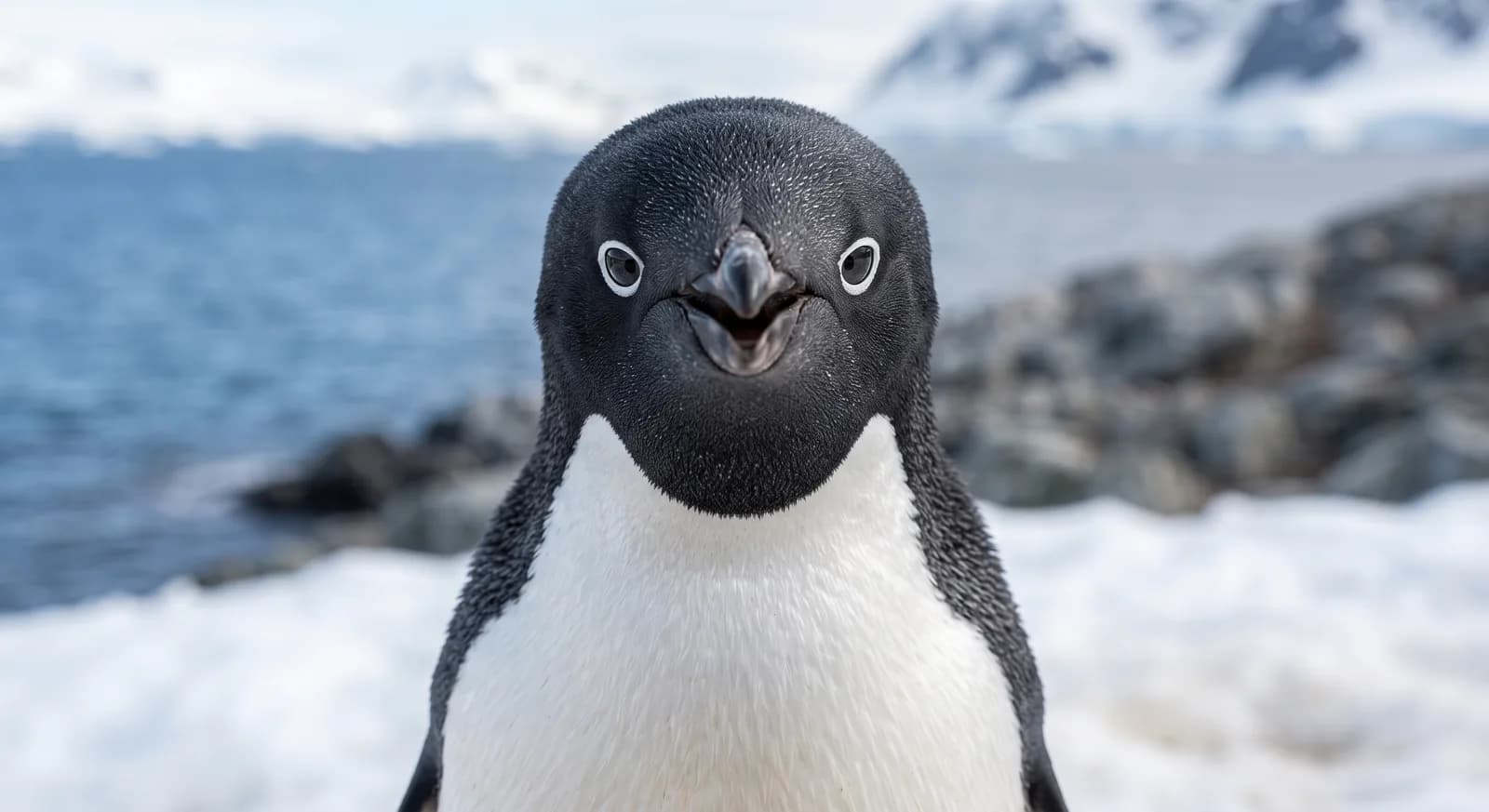
Adelie Penguin
Pygoscelis adeliae
Grey-Headed Albatross
Thalassarche chrysostoma
 Least Concern
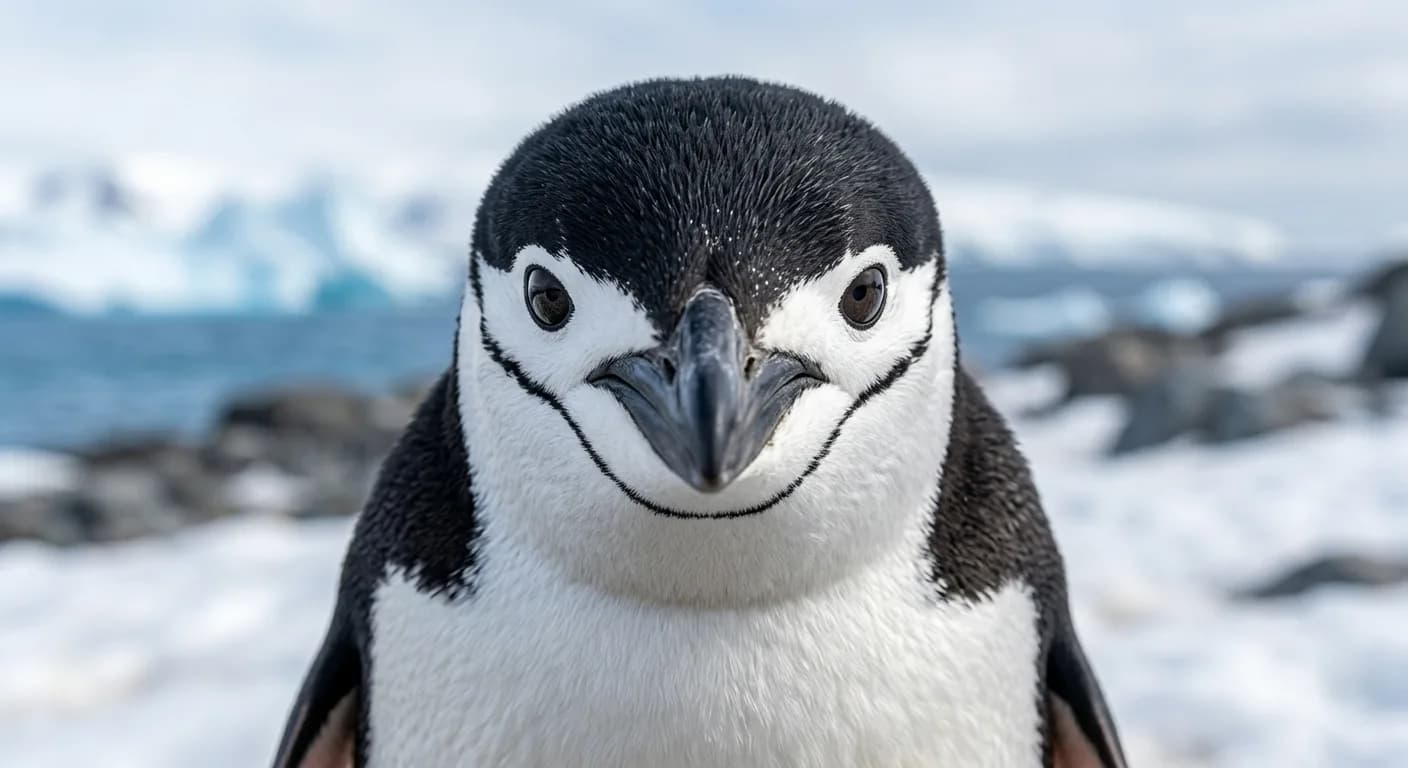
Chinstrap Penguin
Pygoscelis antarcticus
 Vulnerable
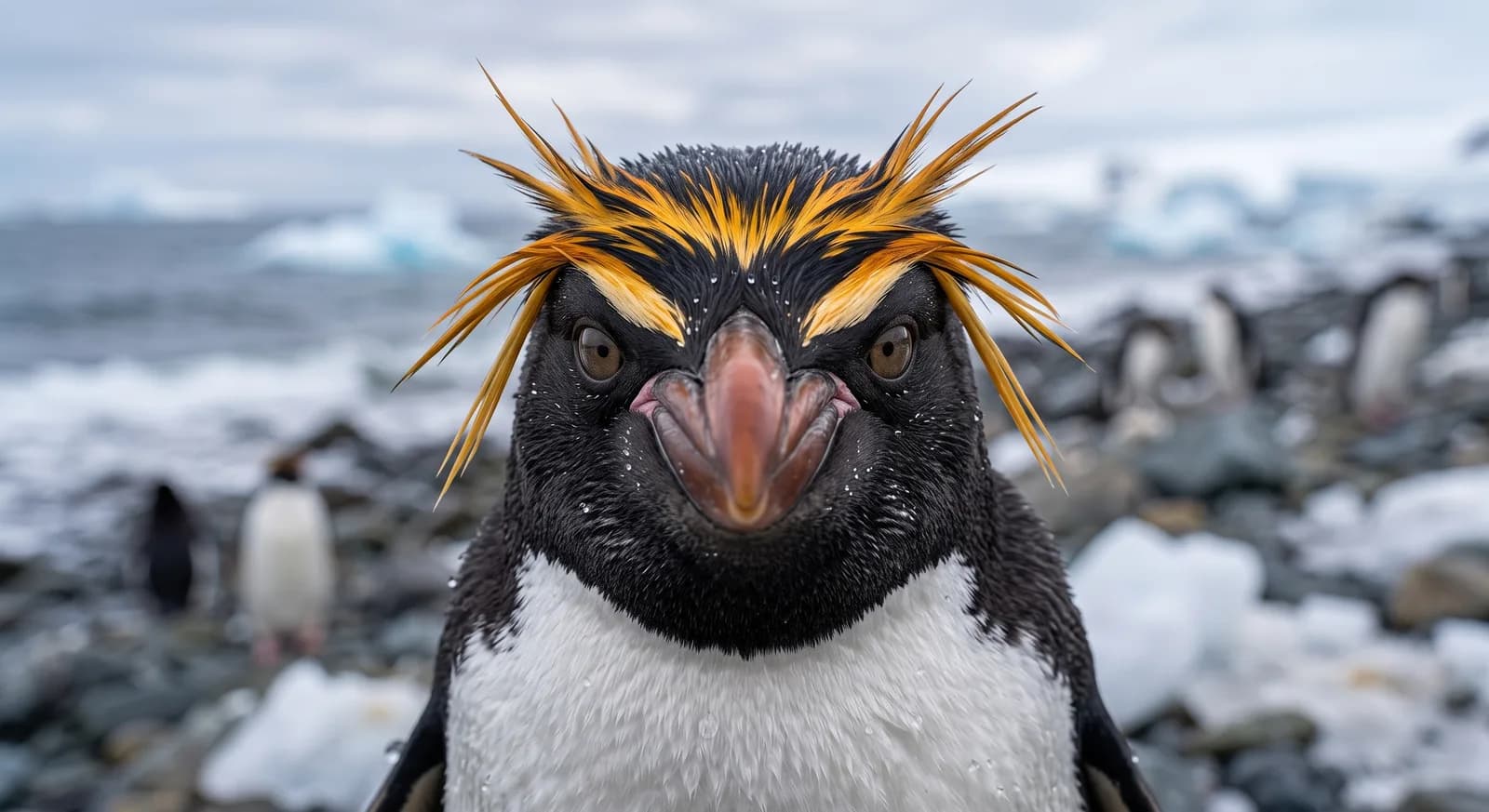
Macaroni Penguin
Eudyptes chrysolophus
 Least Concern
King Penguin
Aptenodytes patagonicus
Southern Rockhopper Penguin
Eudyptes chrysocome
How to help
The emperor penguin is classified as endangered. Organizations such as UICN, WWF y Wildlife Conservation Society work specifically on its conservation and that of its habitat; looking into their programs is a good starting point if you want to get involved.
Keep exploring
Based on what we already know about emperor penguin.
Comments
Share an experience, a fun fact or a tip for seeing the emperor penguin.
Be the first to comment.