One of the 7 fur seals on WAnimals
Mammals · Carnivora · Otariidae
Galapagos Sea Lion
Zalophus wollebaeki
It faces a very high risk of extinction in the wild in the near future. See full glossary
The Galápagos sea lion is a carnivorous mammal of the family Otariidae that lives only in the Galápagos Islands and occasionally on the islands of Malpelo and Gorgona. The local population now numbers 50,000 animals. It has long been debated whether it is a subspecies of the California sea lion, in which case its scientific name would be Zalophus californianus wollebaeki.
Weight
50 kg – 250 kg
Size
1.5 m – 2.5 m
Lifespan
20 years
Diet
Carnivore
Feeds mainly on other animals.
Activity
Diurnal
Active mainly during the day.
Social structure
Colony
Lives in large concentrations, often for breeding reasons.
Sighting difficulty
Hard
Fun facts
- comportamientoIt is endemic to the archipelago, genetically distinct from the California sea lion, and often extremely unwary around people.
- It is one of the emblematic species of the archipelago Darwin visited, and its lack of fear of people, the same thing that struck him in other species, remains one of the islands' great tourist attractions today.
- El Niño events hit it brutally: as the water warms the surface fish disappear, and in the strongest episodes virtually the whole of that year's pup crop can die.
Life cycle & biology
- Skeleton type
- Vertebrate - internal bony skeleton (mammal)
- Habitat & environment
- Sandy beaches, rocky shores and shallow waters of the Galápagos archipelago
- Sexual maturity
- 5 years
- Gestation / incubation
- 11.5 months
- Litter / clutch size
- 1
Sources consulted: https://es.wikipedia.org/wiki/Zalophus_wollebaeki
Where to watch it
Parks and dive sites where this species has been documented.
Related species
Other species in the catalogue with the most in common with Galapagos Sea Lion — same habitat, park, country, tags or family.
Galapagos Fur Seal
Arctocephalus galapagoensis
Galapagos Penguin
Spheniscus mendiculus
 Least Concern
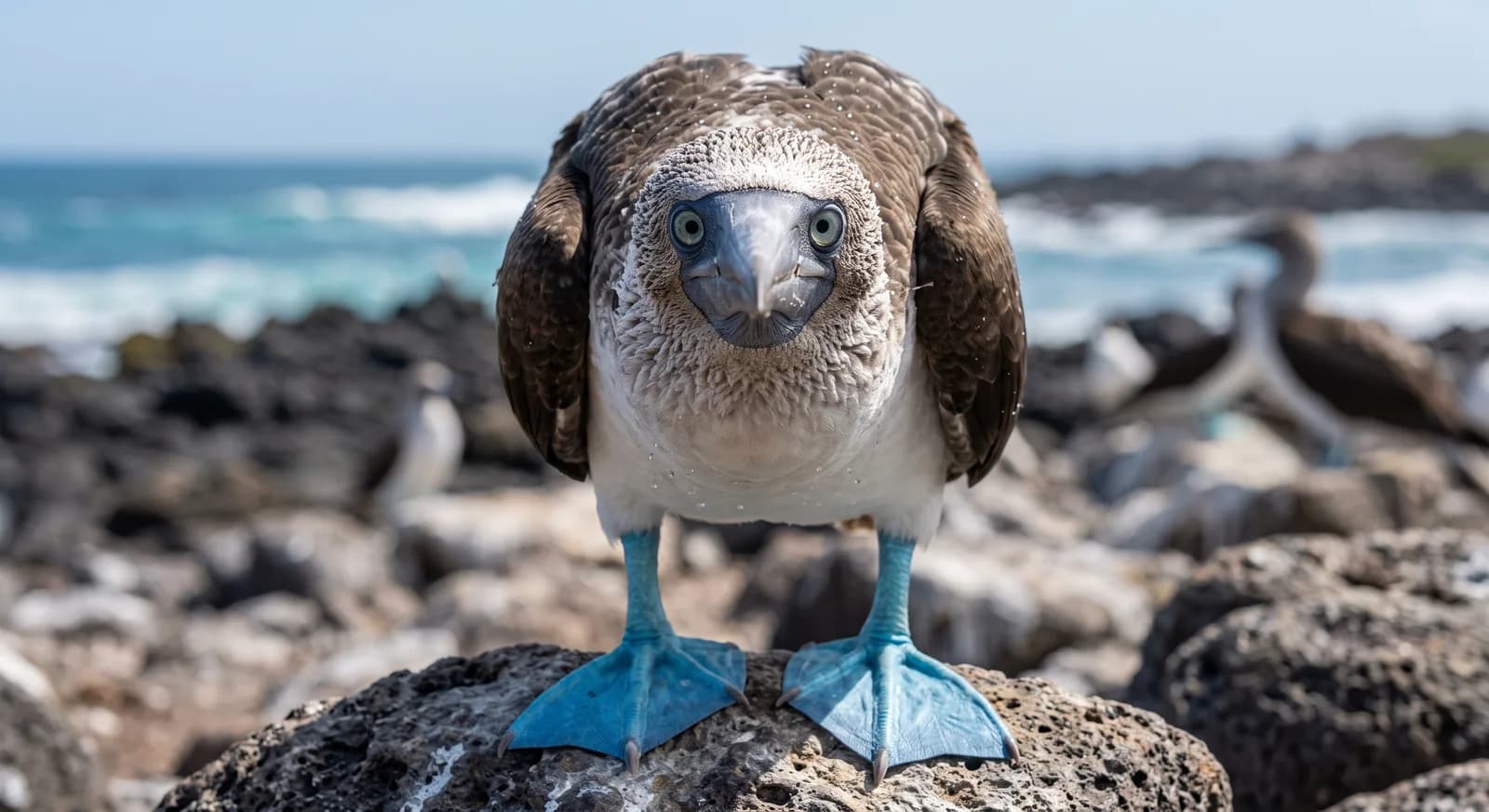
Blue-footed Booby
Sula nebouxii
 Least Concern
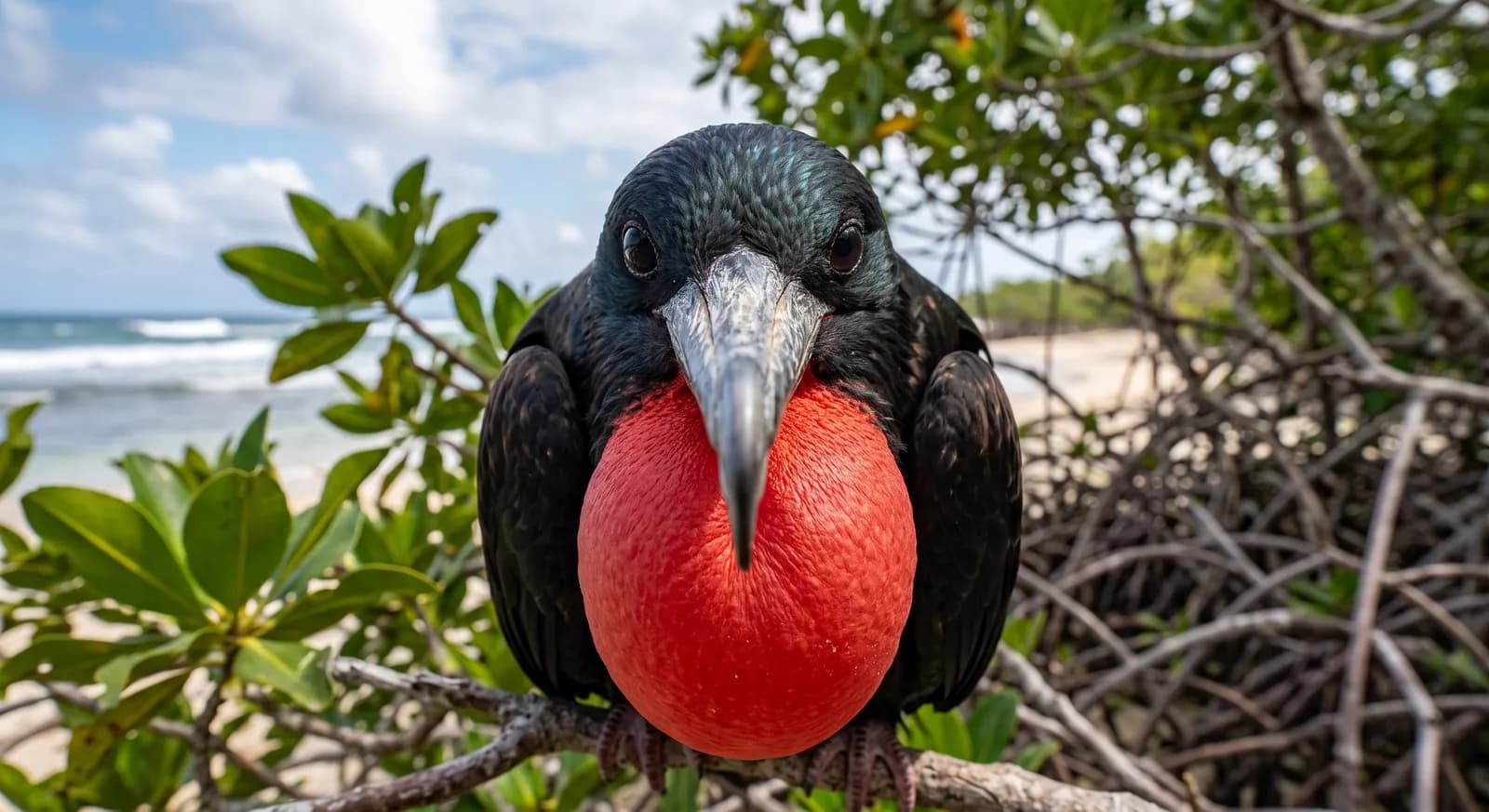
Magnificent Frigatebird
Fregata magnificens
 Endangered
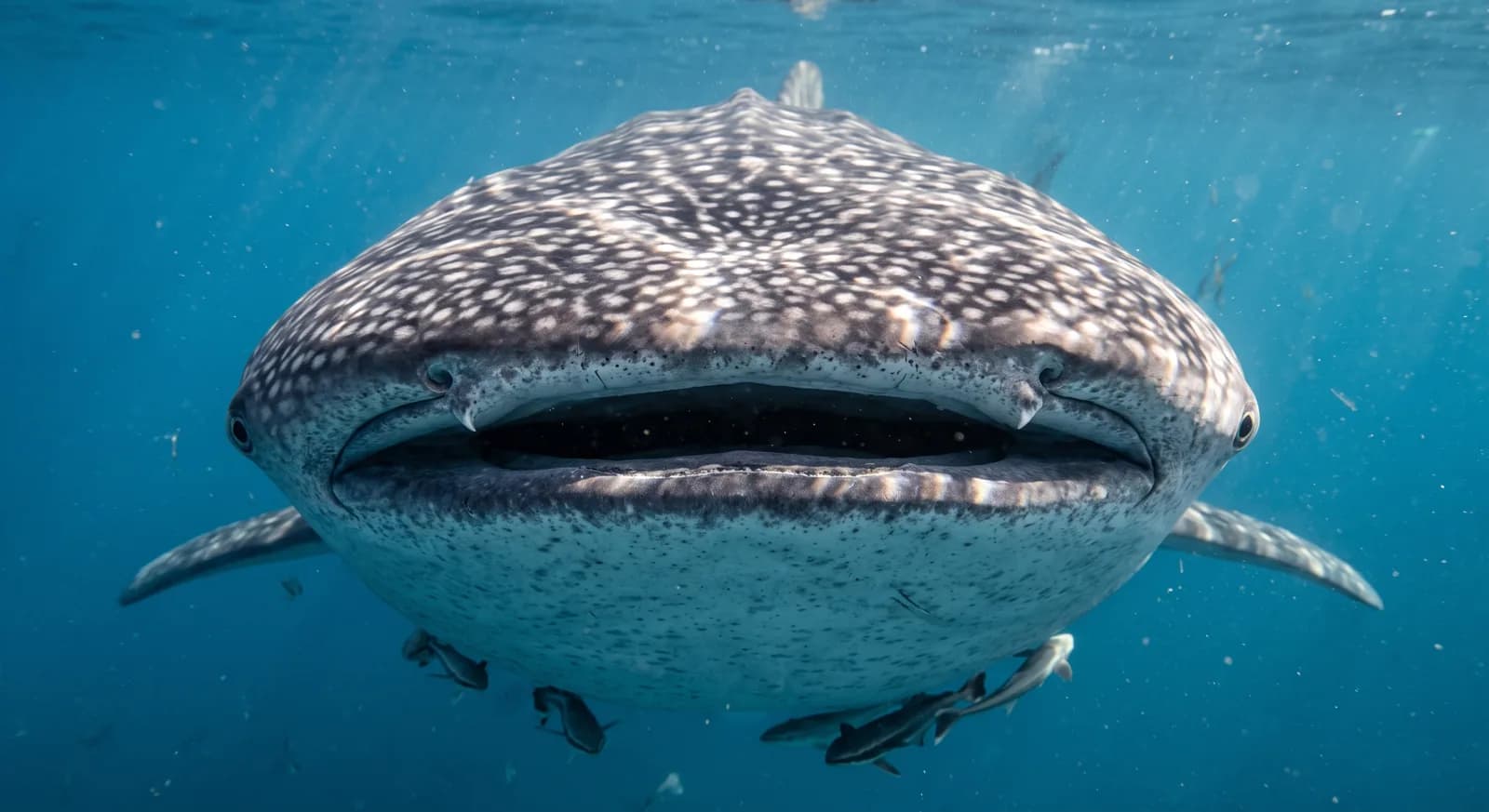
Whale Shark
Rhincodon typus
 Vulnerable
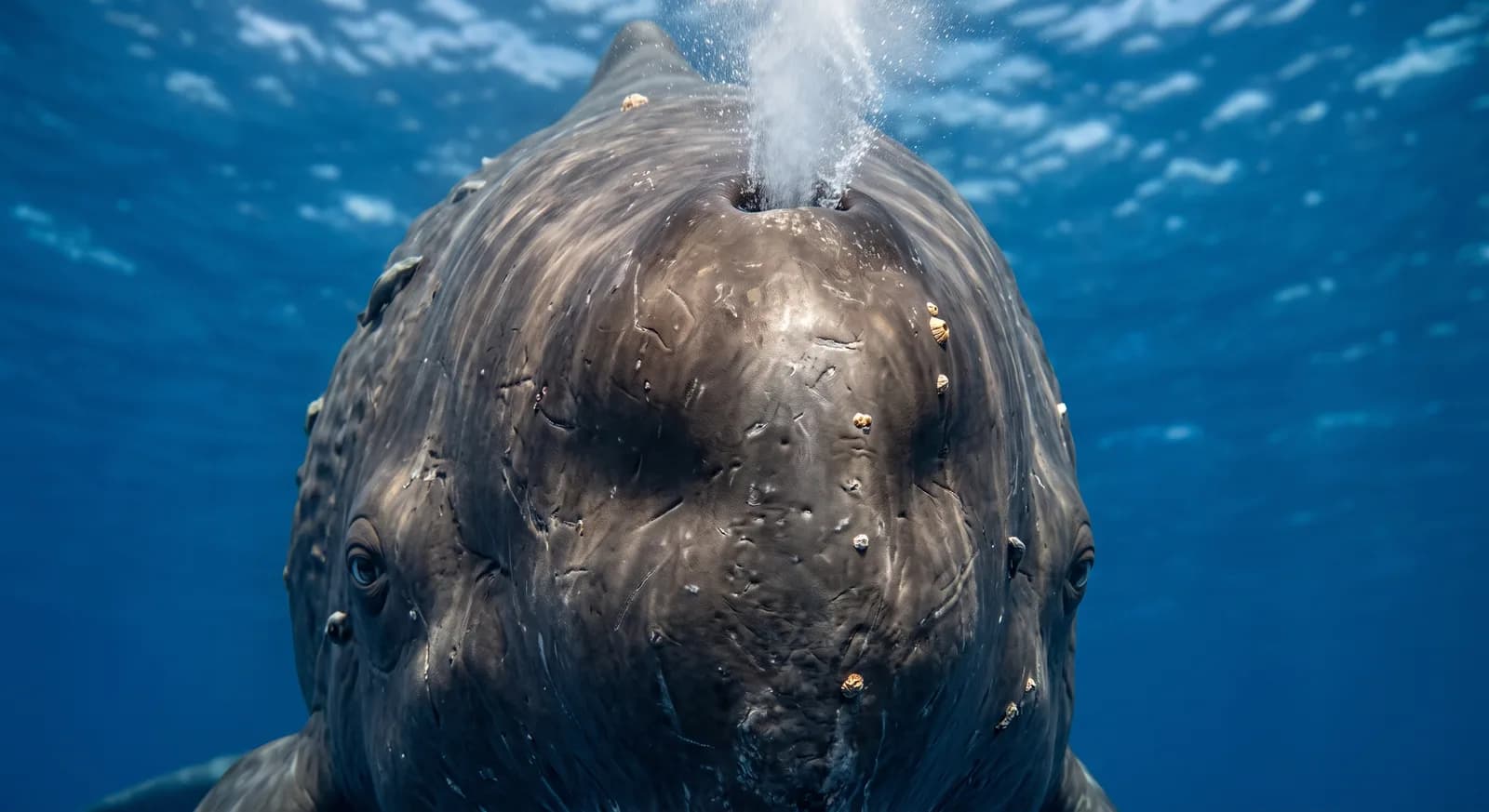
Sperm Whale
Physeter macrocephalus
How to help
The galapagos sea lion is classified as endangered. Organizations such as UICN, WWF y Wildlife Conservation Society work specifically on its conservation and that of its habitat; looking into their programs is a good starting point if you want to get involved.
It's documented in 7 real protected areas — part of why protecting these places matters for its conservation.
Keep exploring
Based on what we already know about galapagos sea lion.
Comments
Share an experience, a fun fact or a tip for seeing the galapagos sea lion.
Be the first to comment.