One of the 10 crocodiles on WAnimals
Reptiles · Crocodilia · Crocodylidae
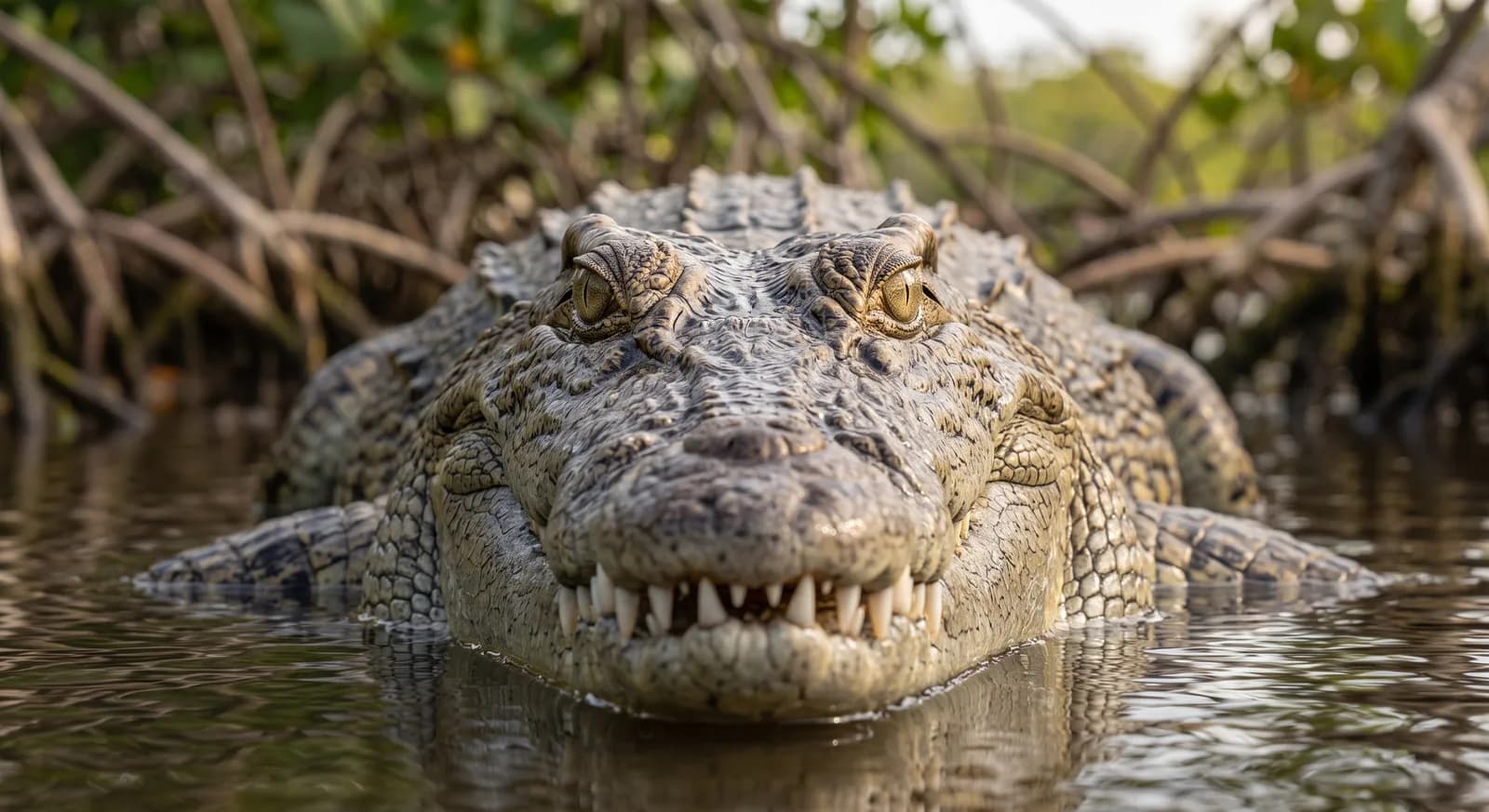
Cuban Crocodile
Crocodylus rhombifer
It faces an extremely high risk of imminent extinction in the wild. See full glossary
It has the smallest range of any crocodile in the world, confined entirely to two Cuban wetlands. It is one of the few crocodilians recorded hunting cooperatively as a group.
Weight
70 kg – 215 kg
Size
2.1 m – 5 m
Lifespan
60 years
Diet
Carnivore
Feeds mainly on other animals.
Activity
Diurnal
Active mainly during the day.
Social structure
Hierarchical pack
Lives in an organised hierarchical group, typical of cooperative hunters.
Sighting difficulty
Very hard
Estimated population
Fewer than 3,000 animals in the wild, restricted to the Zapata and Lanier swamps, in Cuba.
Fun facts
- It has the smallest range of any crocodile in the world.
- It is one of the few crocodilians recorded hunting cooperatively as a group.
- Its long, powerful legs make it the most terrestrial of all living crocodiles.
Life cycle & biology
- Skeleton type
- Vertebrate - internal bony skeleton with osteoderms (crocodilian reptile)
- Habitat & environment
- Freshwater marshes confined to the Zapata Swamp and the Isla de la Juventud in Cuba
- Birth weight
- Exact weight at hatching not found as a precise figure
- Size at birth
- Precocial at hatching
- Sexual maturity
- 5-7 years by current estimates (slower in the wild than in captivity)
- Gestation / incubation
- 58-70 days
- Litter / clutch size
- 8 to 51 eggs per clutch (25.4 on average in captivity, 14.5 in the wild)
- Lifespan in captivity
- Documented record of up to 48 years in captivity
Sources consulted: AnAge (genomics.senescence.info); Dimensions.com; Animal-pedia; About Animals; Animal Diversity Web; Wikipedia (Cuban crocodile); Animalia.bio; IUCN CSG species account
Where to find it
See its range on the interactive mapBest time: All year round in the Zapata Swamp, in Cuba, by day; it is the most terrestrial and agile of the crocodiles, able to leap clear of the water.
Where to watch it
Parks and dive sites where this species has been documented.
Related species
Other species in the catalogue with the most in common with Cuban Crocodile — same habitat, park, country, tags or family.
 Vulnerable
American Crocodile
Crocodylus acutus
Zapata Rail
Mustelirallus cerverai
 Critically Endangered
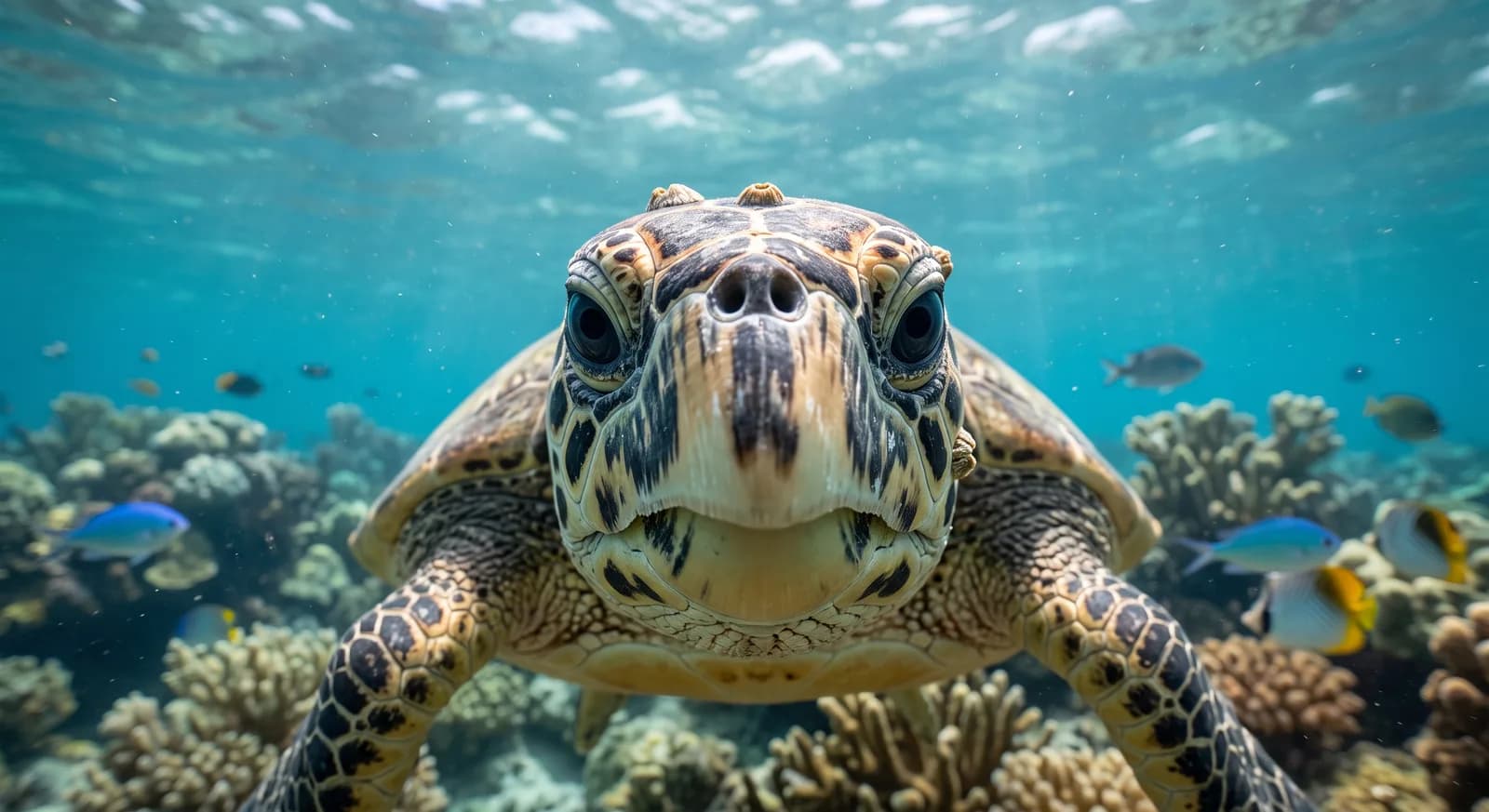
Hawksbill Turtle
Eretmochelys imbricata
Slender-snouted Crocodile
Mecistops cataphractus
Orinoco Crocodile
Crocodylus intermedius
Cuban Brown Anole
Anolis sagrei
How to help
The cuban crocodile is classified as critically endangered. Organizations such as UICN, WWF y Wildlife Conservation Society work specifically on its conservation and that of its habitat; looking into their programs is a good starting point if you want to get involved.
It's documented in 2 real protected areas — part of why protecting these places matters for its conservation.
Keep exploring
Based on what we already know about cuban crocodile.
Comments
Share an experience, a fun fact or a tip for seeing the cuban crocodile.
Be the first to comment.