Birds · Gruiformes · Rallidae
Zapata Rail
Mustelirallus cerverai
It faces an extremely high risk of imminent extinction in the wild. See full glossary
The Zapata rail, or gallinuela de Santo Tomás, is a rallid endemic to the Zapata Swamp, the largest wetland in the Caribbean, in southern Cuba. It is practically unable to fly and lives hidden in the densest marsh vegetation. It is one of the most threatened birds in the Caribbean: fewer than a thousand individuals are thought to remain and finding it requires dedicated searches.
Weight
50 g – 70 g
Size
25 cm – 29 cm
Lifespan
8 years
Diet
Omnivore
Combines animal and plant food depending on availability.
Activity
Diurnal
Active mainly during the day.
Social structure
Solitary
Lives and hunts alone, joining others only to breed.
Sighting difficulty
Very hard
Estimated population
Fewer than 1,000 mature individuals
Fun facts
- Its epithet honours Fermín Zanón Cervera, a Spanish soldier who stayed on in Cuba after the Spanish-American War and became a professional naturalist: he was the one who discovered it.
- Its short wings leave it with almost no power of flight, the same evolutionary fate as so many isolated rails.
- Barbour and Peters thought it so distinctive that they created a genus of its own for it, Cyanolimnas, from the Greek kuanos, dark blue, and limnas, rail.
- It is almost unable to fly and lives in a single wetland in the world: the Zapata Swamp, a place that holds several species found nowhere else, among them Fernandina's flicker and a Zapata wren of its own.
- Its main threats are introduced mongooses and rats and the African catfish, an invasive fish that eats the chicks, as well as the burning of the marsh vegetation.
- It was discovered in 1927 and for decades there were stretches of years without a single confirmed record, which led on several occasions to fears that it had gone extinct.
Life cycle & biology
- Skeleton type
- Vertebrate - internal bony skeleton (bird)
- Habitat & environment
- Freshwater marshes with dense vegetation of the Zapata Swamp, in Cuba
- Sexual maturity
- 12 months
- Gestation / incubation
- 20 days of incubation
- Litter / clutch size
- 3 eggs
Sources consulted: IUCN Red List; DiBird (familia Rallidae); Wikipedia (Zapata rail); Barbour y Peters 1927; IOC World Bird List 2023
Where to find it
See its range on the interactive mapBest time: All year round in the Zapata Swamp, though it is extremely hard to see
Where to watch it
Parks and dive sites where this species has been documented.
Related species
Other species in the catalogue with the most in common with Zapata Rail — same habitat, park, country, tags or family.
Cuban Crocodile
Crocodylus rhombifer
Cuban Trogon
Priotelus temnurus
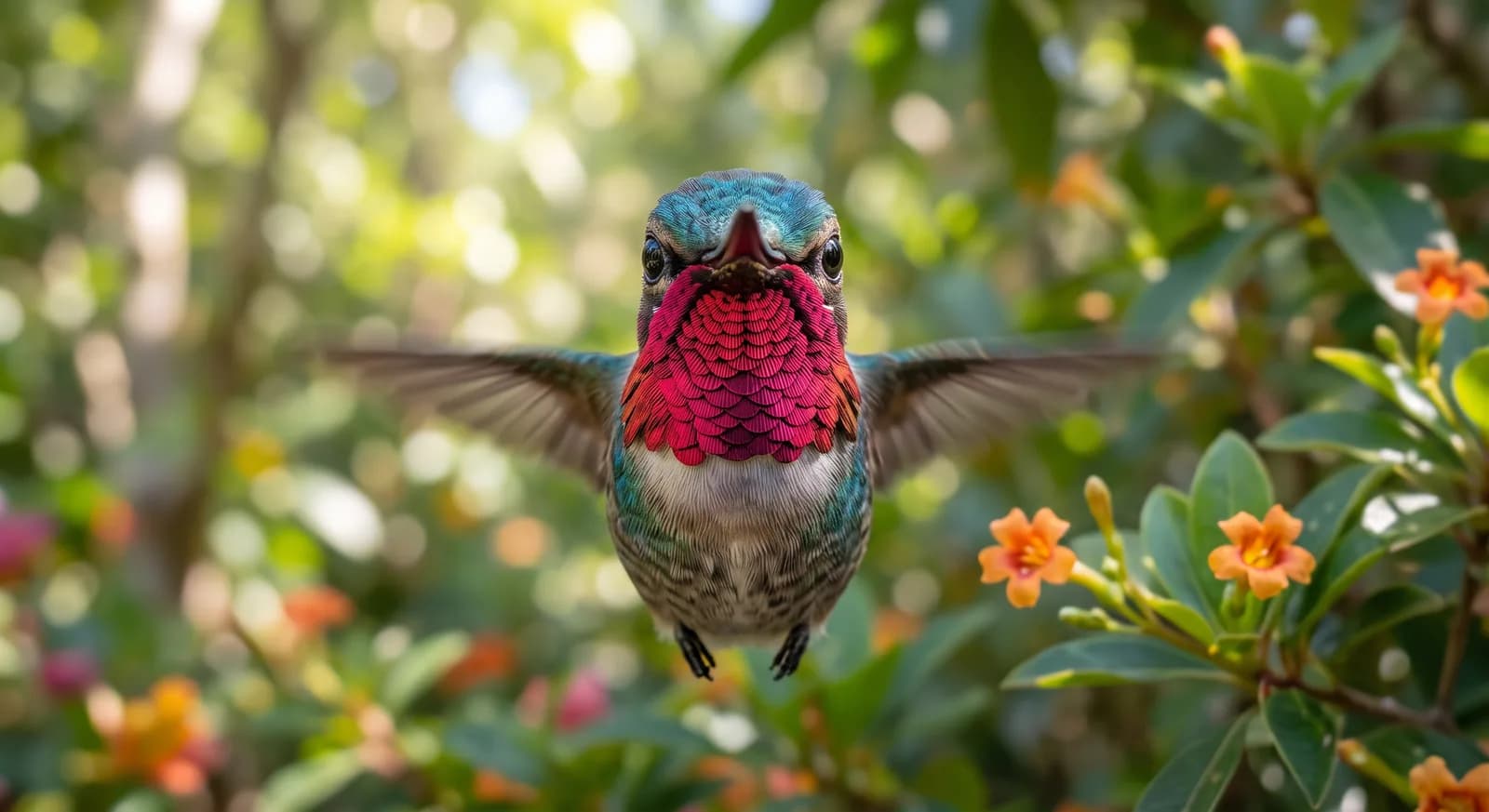 Near Threatened
Bee Hummingbird
Mellisuga helenae
Cuban Brown Anole
Anolis sagrei
Wood Stork
Mycteria americana
Little Blue Heron
Egretta caerulea
How to help
The zapata rail is classified as critically endangered. Organizations such as UICN, WWF y Wildlife Conservation Society work specifically on its conservation and that of its habitat; looking into their programs is a good starting point if you want to get involved.
It's documented in 1 real protected area — part of why protecting these places matters for its conservation.
Keep exploring
Based on what we already know about zapata rail.
Comments
Share an experience, a fun fact or a tip for seeing the zapata rail.
Be the first to comment.