Mammals · Artiodactyla · Camelidae
Llama
Lama glama
It has not yet been assessed against the IUCN criteria. See full glossary
The llama is a South American camelid domesticated from the guanaco between four and five thousand years ago on the Andean altiplano. It was the only large pack animal of pre-Columbian America and sustained the road and warehouse system of the Inca empire. An adult male carries between 25 and 45 kilos over long days, although it will refuse to move if overloaded. It is adapted to altitude with a haemoglobin of high oxygen affinity and elliptical red blood cells, uncommon among mammals.
Weight
130 kg – 200 kg
Size
1.2 m – 2 m
Lifespan
20 years
Diet
Herbivore
Feeds mainly on plants.
Activity
Diurnal
Active mainly during the day.
Sighting difficulty
Unknown
Fun facts
- Its antibodies include a special, very small type known as a nanobody, used today in biomedical research and drug development because it reaches places conventional antibodies cannot.
- It spits stomach contents, but almost always at other llamas and to settle disputes over rank or food; doing it to a person is a sign that the animal has been badly handled.
Life cycle & biology
- Skeleton type
- Vertebrate - internal bony skeleton (mammal)
- Habitat & environment
- Andean altiplano and puna, between 2,300 and 4,500 metres in altitude
- Sexual maturity
- 2.2 years
- Gestation / incubation
- 10.8 months
- Litter / clutch size
- 1
Sources consulted: https://es.wikipedia.org/wiki/Lama_glama
Where to find it
See its range on the interactive mapRelated species
Other species in the catalogue with the most in common with Llama — same habitat, park, country, tags or family.
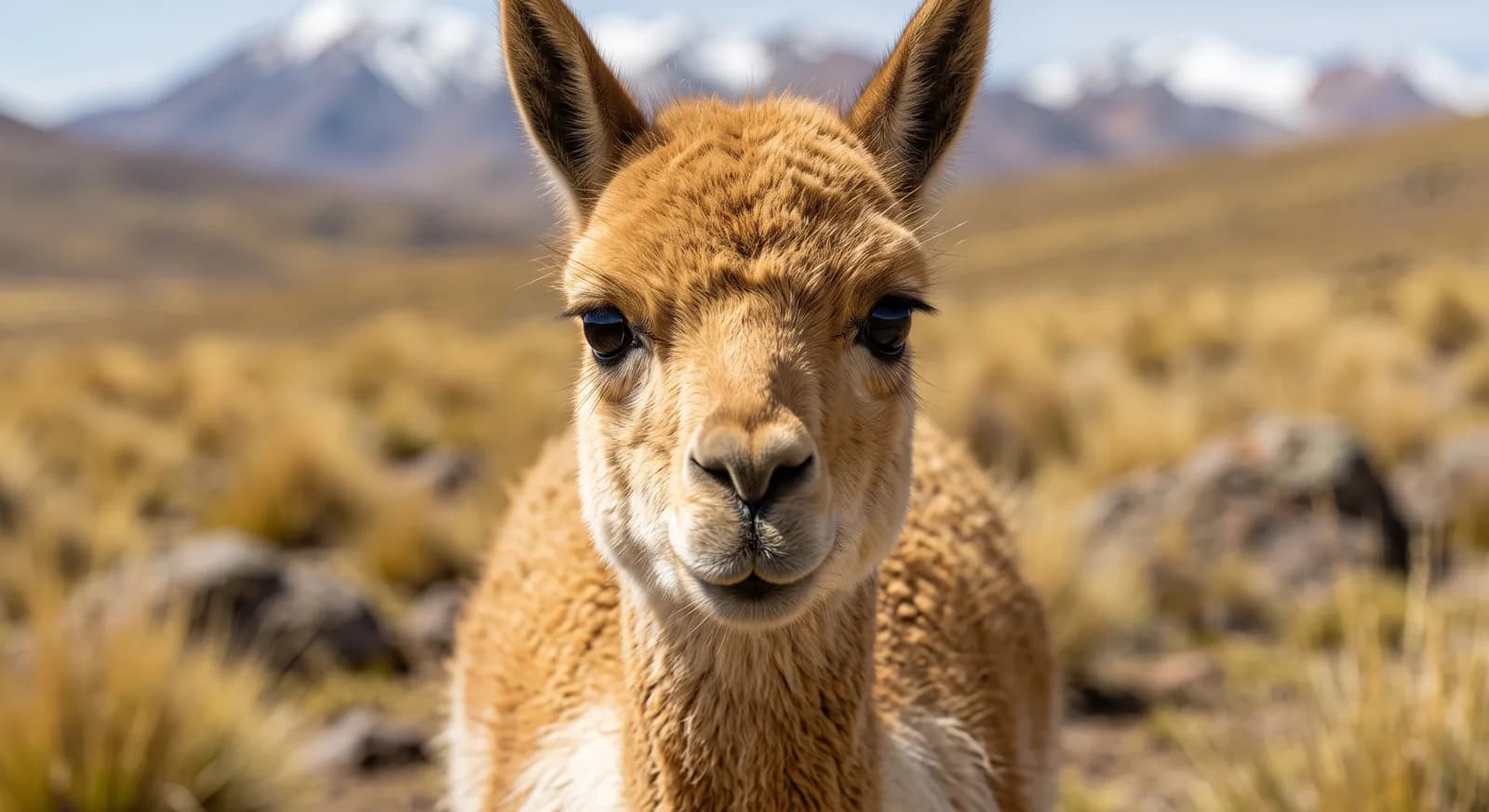 Least Concern
Vicuna
Vicugna vicugna
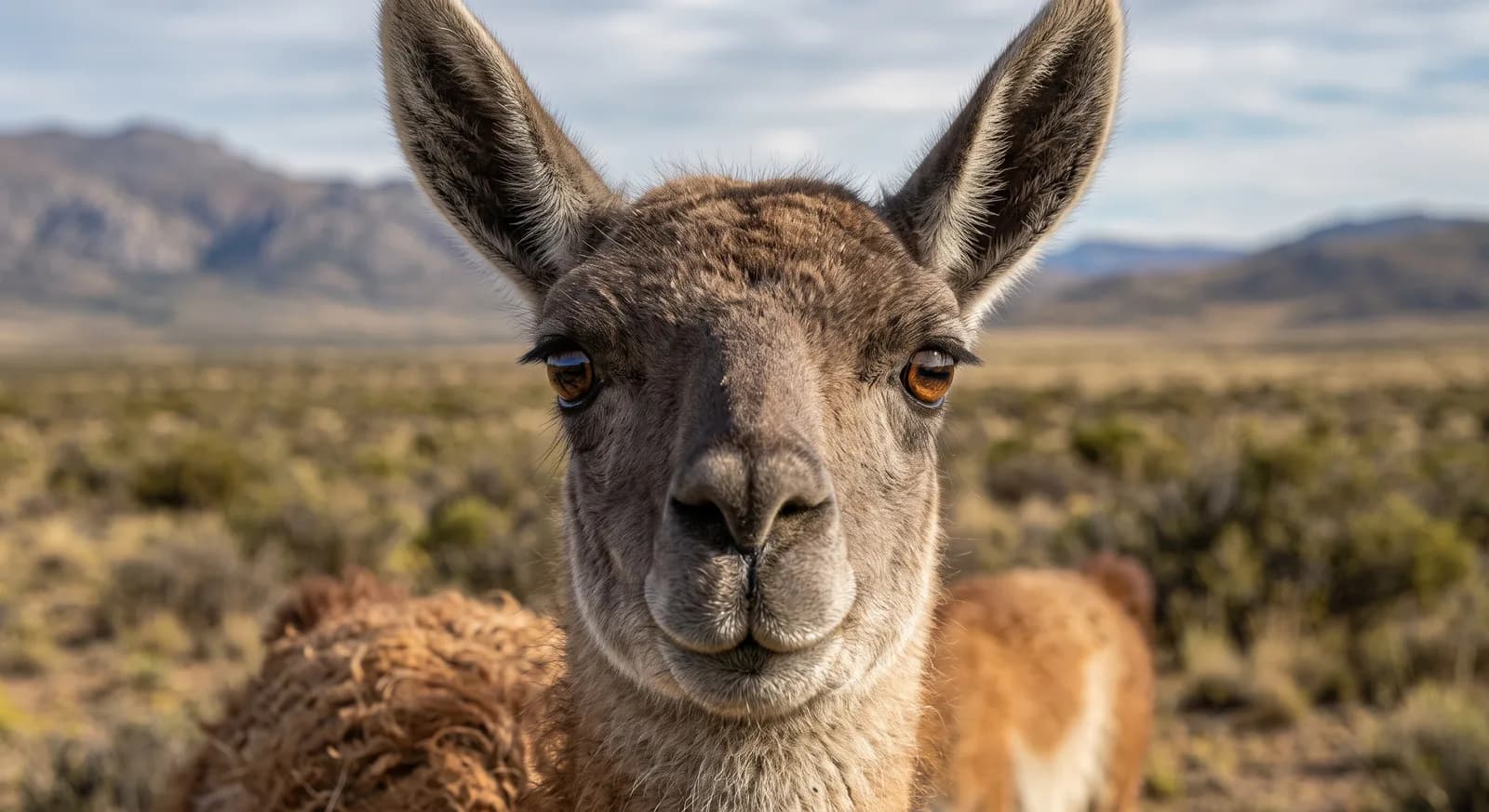 Least Concern
Guanaco
Lama guanicoe
Alpaca
Vicugna pacos
One-Humped Camel
Camelus dromedarius
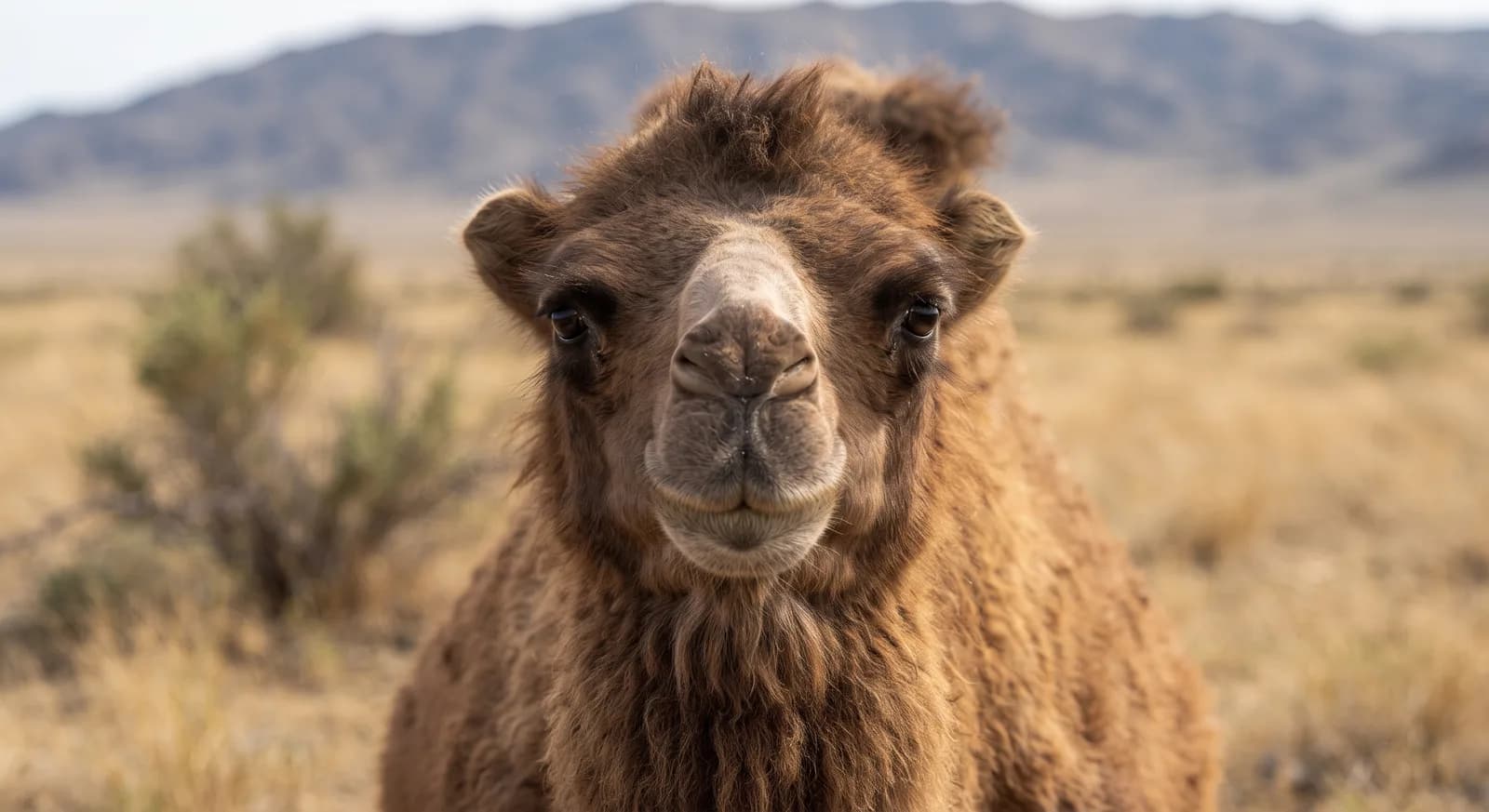 Critically Endangered
Bactrian Camel
Camelus bactrianus
 Near Threatened
Patagonian Mara
Dolichotis patagonum
Keep exploring
Based on what we already know about llama.
Comments
Share an experience, a fun fact or a tip for seeing the llama.
Be the first to comment.