
Mammals · Artiodactyla · Bovidae
Takin
Budorcas taxicolor
It faces a high risk of extinction in the wild over the medium term. See full glossary
It is the national animal of Bhutan, where Buddhist legend attributes its curious shape — the body of a cow and the head of a goat — to a miracle worked by the saint Drukpa Kunley.
Weight
240 kg – 350 kg
Size
1.7 m – 2.2 m
Lifespan
12 years
Diet
Herbivore
Feeds mainly on plants.
Activity
Diurnal
Active mainly during the day.
Social structure
Herd
Lives in large groups as a strategy against predators.
Sighting difficulty
Moderate
Fun facts
- It lives in the dense bamboo and rhododendron forest and alpine meadows of the eastern Himalaya.
- It feeds on bamboo leaves, shrubs, grasses and flowers.
- One animal reached a record 21.9 years in captivity.
- fisiologíaA thick layer of fat under its skin lets it endure the extreme weather of the eastern Himalayan mountains where it lives.
Life cycle & biology
- Skeleton type
- Vertebrate - internal bony skeleton (mammal)
- Habitat & environment
- Dense bamboo and rhododendron forest and alpine meadow of the eastern Himalaya, between 1,000 and 4,250 m
- Birth weight
- ~6 kg at birth, able to follow its mother shortly afterwards
- Size at birth
- ~6 kg at birth
- Sexual maturity
- ~2 years
- Gestation / incubation
- 200-220 days (~7 months)
- Litter / clutch size
- 1 young per birth
- Lifespan in captivity
- Documented record of up to 21.9 years
Sources consulted: Dimensions.com; AnAge (genomics.senescence.info); A-Z Animals (Bhutan Takin); A-Z Animals (Takin); Zoo-guide.com; Grokipedia (Bhutan takin); AnimalHub; Biodiversity of India; PMC (reproductive seasonality golden takins study); Animal Diversity Web
Where to find it
See its range on the interactive mapWhere to watch it
Parks and dive sites where this species has been documented.
Related species
Other species in the catalogue with the most in common with Takin — same habitat, park, country, tags or family.
Himalayan Tahr
Hemitragus jemlahicus
Himalayan Goral
Naemorhedus goral
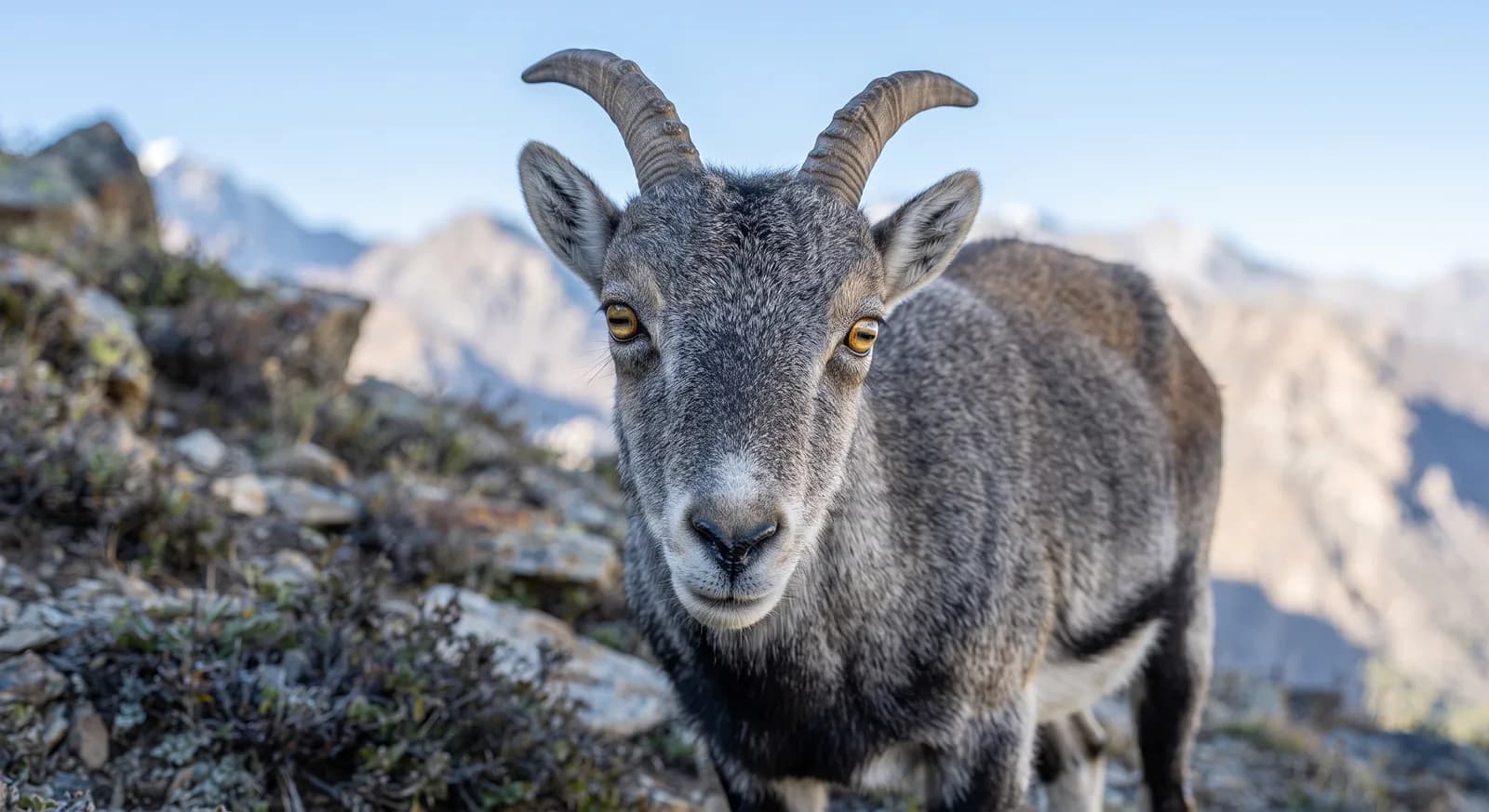 Least Concern
Blue Sheep
Pseudois nayaur
Long-tailed Goral
Naemorhedus caudatus
Urial
Ovis vignei
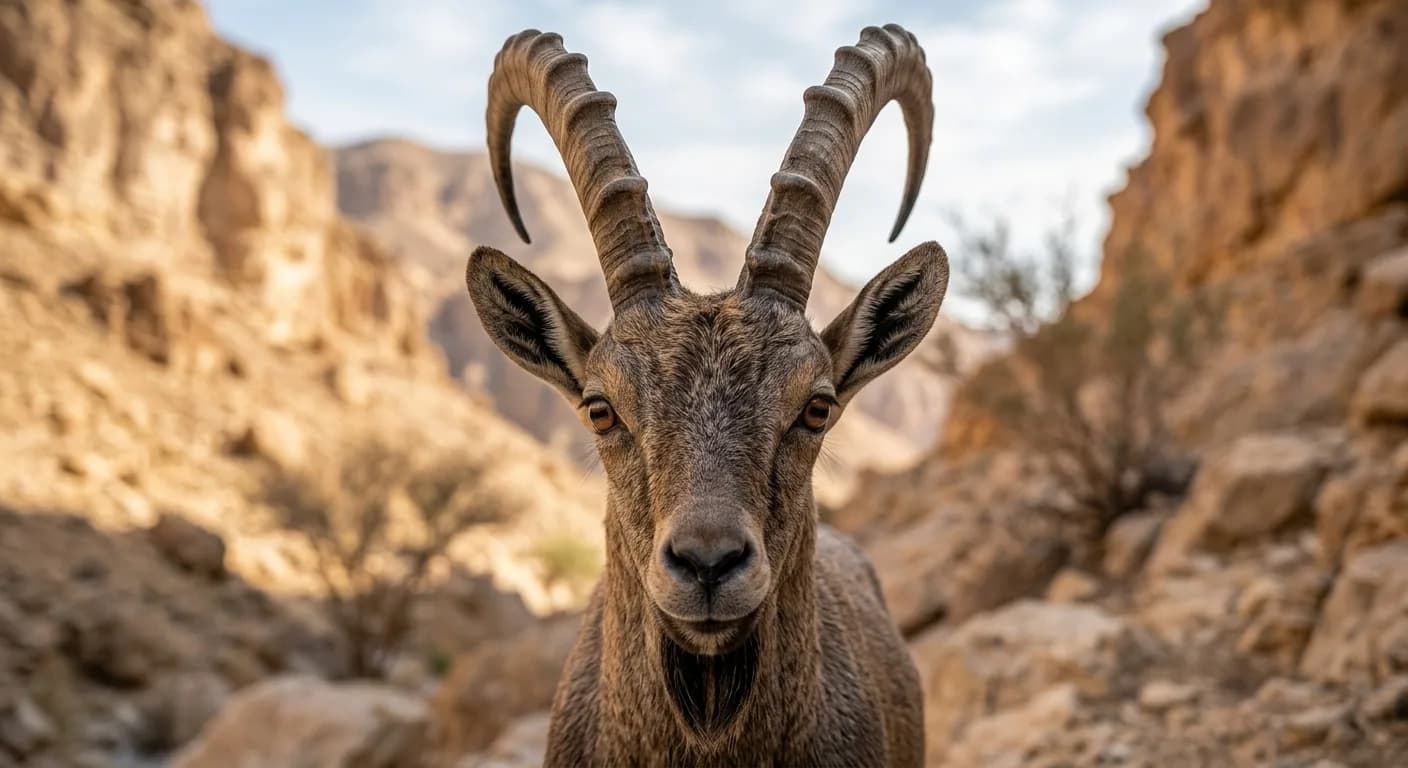 Vulnerable
Nubian Ibex
Capra nubiana
How to help
The takin is classified as vulnerable. Organizations such as UICN, WWF y Wildlife Conservation Society work specifically on its conservation and that of its habitat; looking into their programs is a good starting point if you want to get involved.
It's documented in 5 real protected areas — part of why protecting these places matters for its conservation.
Keep exploring
Based on what we already know about takin.
Comments
Share an experience, a fun fact or a tip for seeing the takin.
Be the first to comment.