One of the 9 antelopes on WAnimals
Mammals · Artiodactyla · Bovidae
Four-horned Antelope
Tetracerus quadricornis
It faces a high risk of extinction in the wild over the medium term. See full glossary
The four-horned antelope, or chousingha, is the only bovid in the world with four horns: the males carry a normal pair between the ears and a much shorter pair, sometimes barely two centimetres long, on the forehead. It is small, shy and solitary, and lives in open woodland of the Indian subcontinent always near a water source, on which it depends daily. Forest fragmentation and hunting have reduced it to isolated populations.
Weight
17 kg – 25 kg
Size
80 cm – 1.1 m
Lifespan
10 years
Diet
Herbivore
Feeds mainly on plants.
Activity
Diurnal
Active mainly during the day.
Social structure
Solitary
Lives and hunts alone, joining others only to breed.
Sighting difficulty
Moderate
Fun facts
- GeneralThe only bovid in the world with four horns rather than two.
- It is the only living bovid with four horns: the front pair, shorter and sometimes reduced to two bumps, has no equivalent in any other antelope or bovine in the world.
- It needs water daily, which keeps it always close to streams and pools and leaves it very vulnerable when those sources dry up or are fenced off for livestock.
Life cycle & biology
- Skeleton type
- Vertebrate - internal bony skeleton (mammal)
- Habitat & environment
- Open dry forest with scrub and water nearby
- Sexual maturity
- 12 months
- Gestation / incubation
- 7 months
- Litter / clutch size
- 1.5 (average)
Sources consulted: https://en.wikipedia.org/wiki/Four-horned_antelope
Where to watch it
Parques y spots de buceo donde se ha documentado esta especie — se muestran 10 de 15 documentados.
Related species
Other species in the catalogue with the most in common with Four-horned Antelope — same habitat, park, country, tags or family.
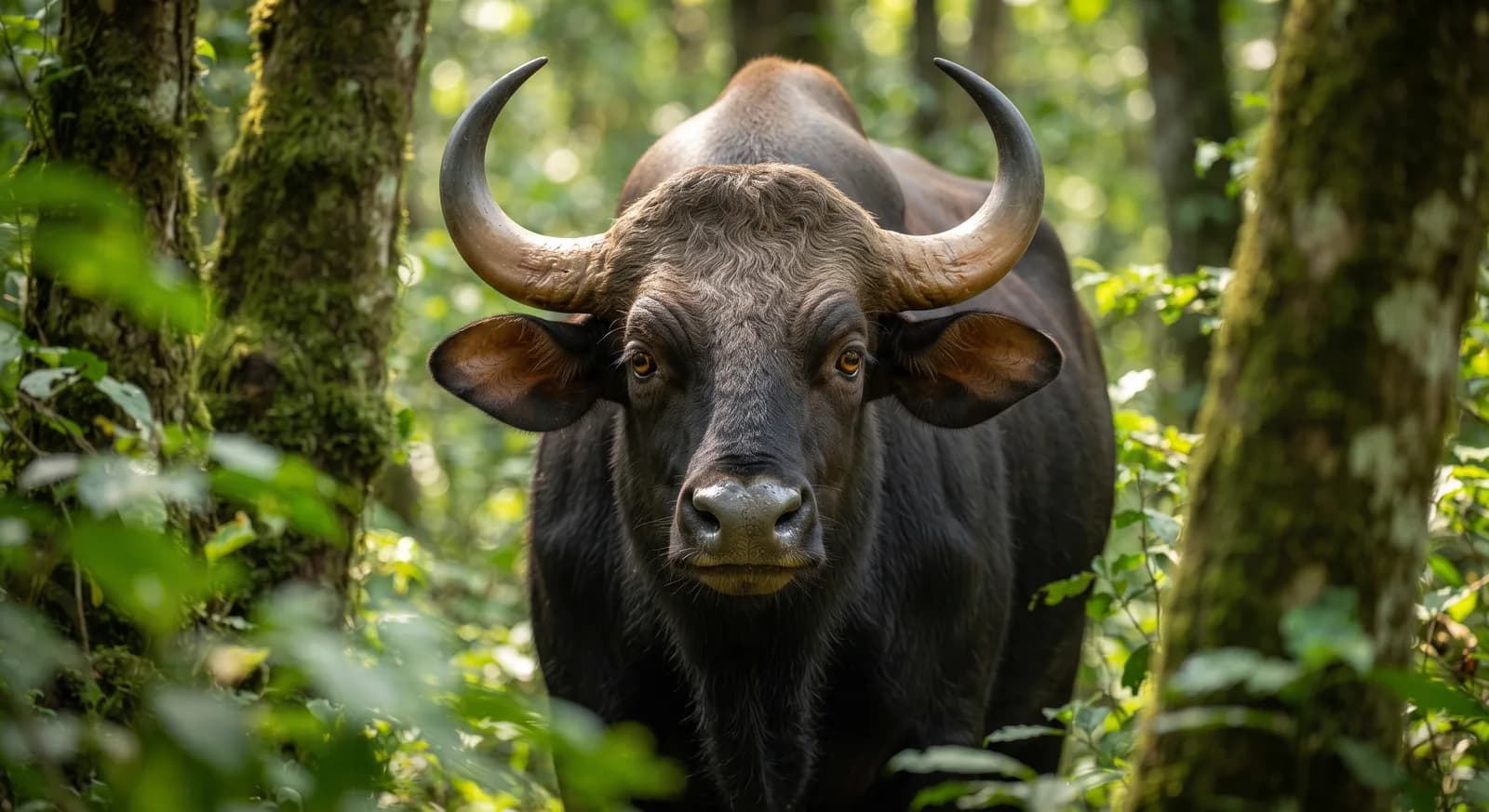 Vulnerable
Gaur
Bos gaurus
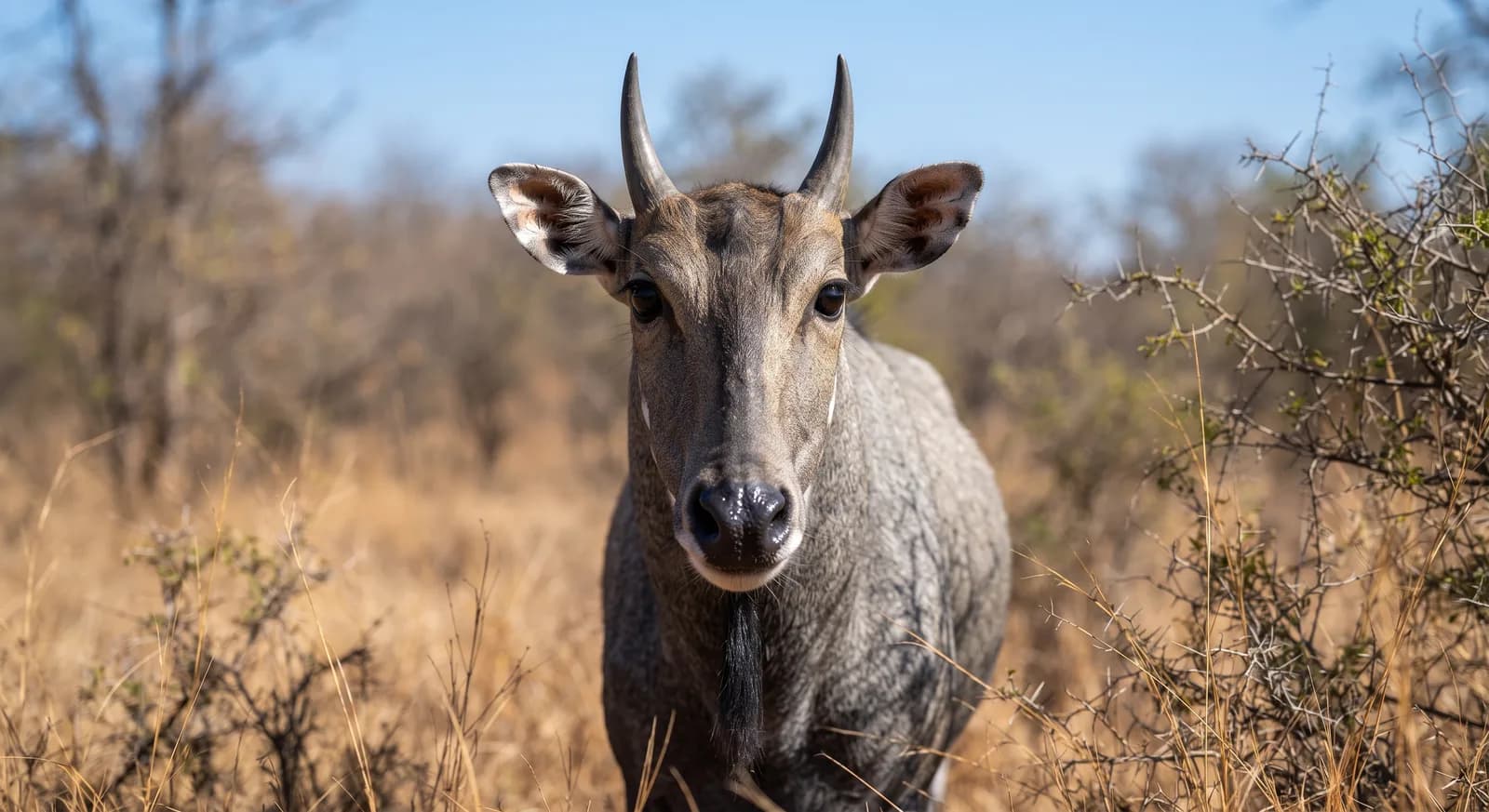 Least Concern
Nilgai
Boselaphus tragocamelus
Blackbuck
Antilope cervicapra
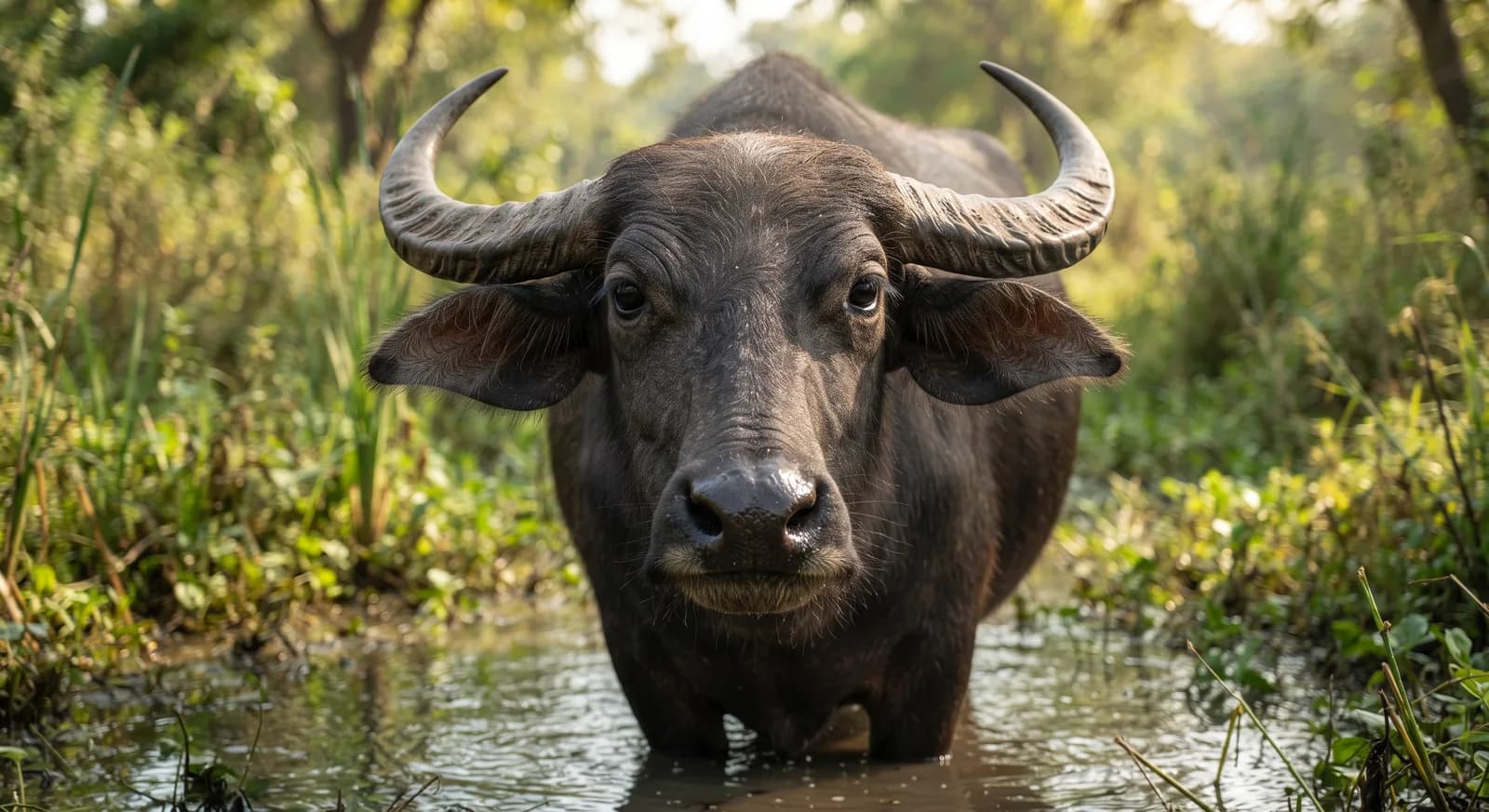 Not Evaluated
Water Buffalo
Bubalus bubalis
Urial
Ovis vignei
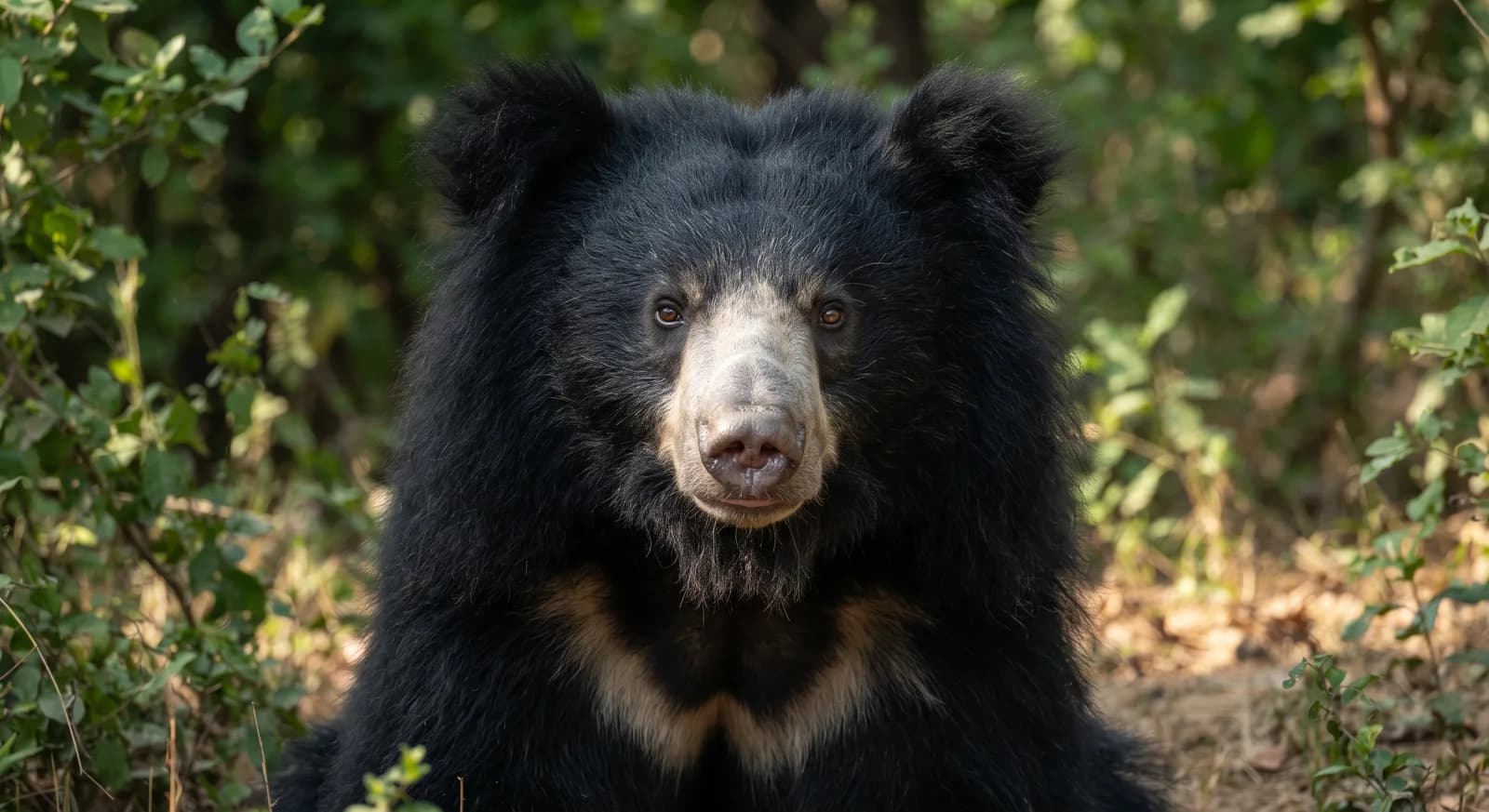 Vulnerable
Sloth Bear
Melursus ursinus
How to help
The four-horned antelope is classified as vulnerable. Organizations such as UICN, WWF y Wildlife Conservation Society work specifically on its conservation and that of its habitat; looking into their programs is a good starting point if you want to get involved.
It's documented in 10 real protected areas — part of why protecting these places matters for its conservation.
Keep exploring
Based on what we already know about four-horned antelope.
Comments
Share an experience, a fun fact or a tip for seeing the four-horned antelope.
Be the first to comment.