One of the 2 pandas on WAnimals
Mammals · Carnivora · Ursidae
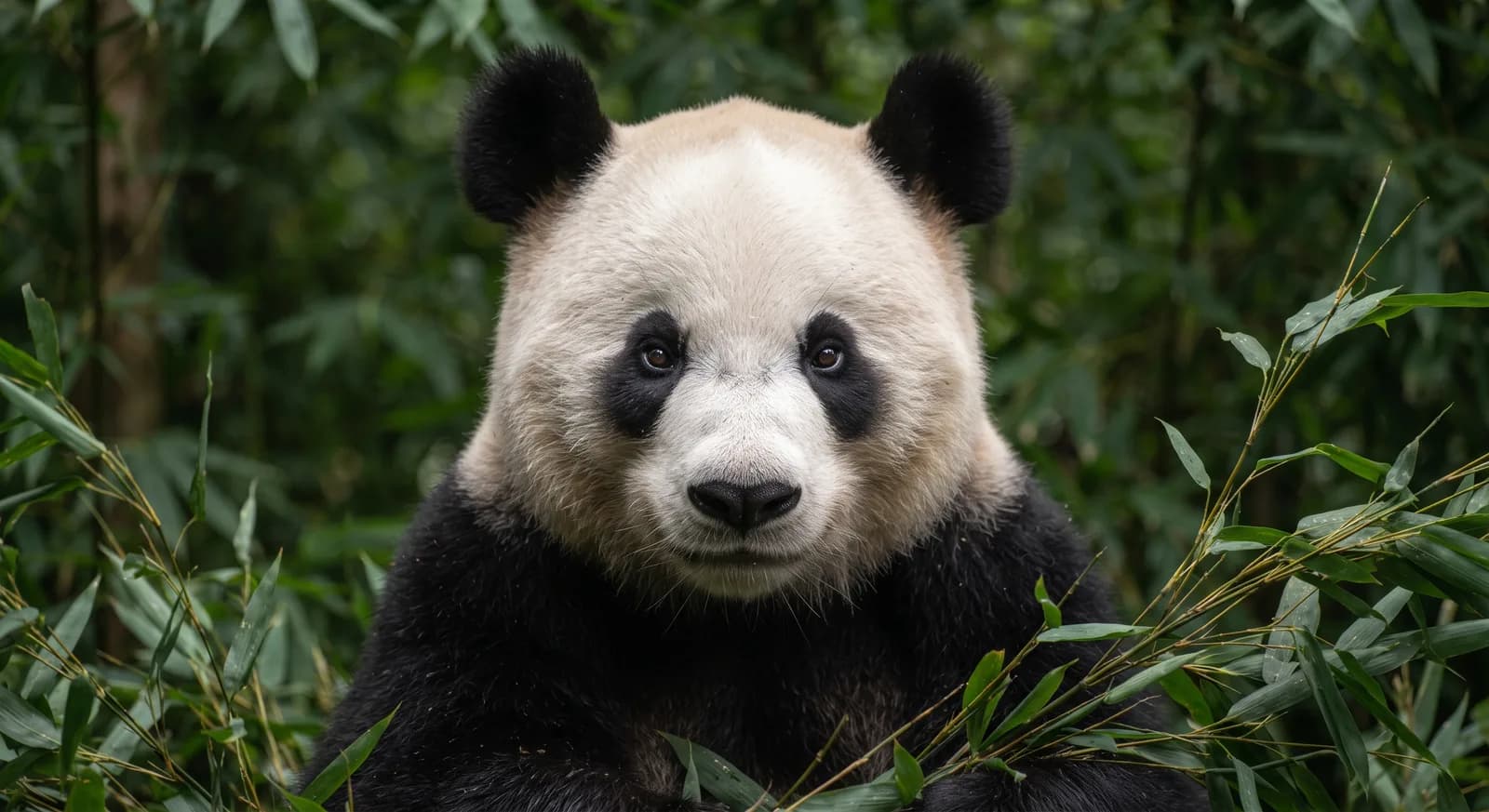
Giant Panda
Ailuropoda melanoleuca
It faces a high risk of extinction in the wild over the medium term. See full glossary
A worldwide symbol of conservation, this bear eats almost nothing but bamboo despite belonging to the order of carnivores.
Weight
70 kg – 125 kg
Size
1.2 m – 1.9 m
Lifespan
20 years
Diet
Herbivore
Feeds mainly on plants.
Activity
Irregular activity
Active at irregular times, by day or night depending on circumstances.
Social structure
Solitary
Lives and hunts alone, joining others only to breed.
Sighting difficulty
Moderate
Estimated population
1,864 animals in the wild according to the Fourth National Giant Panda Survey (2011-2014), spread across 33 local populations; some 1,040 of them are adults and 71% live within the reserve network
Fun facts
- It can eat for up to 12 hours a day and get through 18 kg of bamboo.
- Cubs are born blind and weigh barely 100 grams.
- Thanks to conservation work, it was taken off the endangered list in 2016.
Life cycle & biology
- Skeleton type
- Vertebrate - internal bony skeleton (mammal)
- Habitat & environment
- Mountain bamboo forest in central China (Sichuan, Shaanxi, Gansu)
- Birth weight
- 90-130 grams (among the placental mammals with the lowest birth weight relative to the mother: ~1/800 of her weight)
- Size at birth
- Blind and hairless at birth; the eyes open at 6-8 weeks
- Sexual maturity
- 4-8 years (effective breeding maturity most often between 5 and 7)
- Gestation / incubation
- Highly variable through delayed implantation: 85-185 days from mating to birth
- Litter / clutch size
- 1 to 2 young (both rarely survive; in captivity both can be reared)
- Lifespan in captivity
- Up to 30-35 years in captivity
Sources consulted: AnAge (genomics.senescence.info); U.S. Fish & Wildlife Service; Sciencing; Animalia.bio; Smithsonian National Zoo; International Association for Bear Research and Management; Swaisgood, Wang y Wei 2016, IUCN Red List; el censo nacional chino pasó de 1.596 a 1.864 ejemplares silvestres entre 1999 y 2014 || State Forestry Administration of China 2015 (IV Censo Nacional); Swaisgood, Wang y Wei 2016, IUCN Red List
Where to find it
See its range on the interactive mapBest time: March to May and September to November
Where to watch it
Parks and dive sites where this species has been documented.
Related species
Other species in the catalogue with the most in common with Giant Panda — same habitat, park, country, tags or family.
 Vulnerable
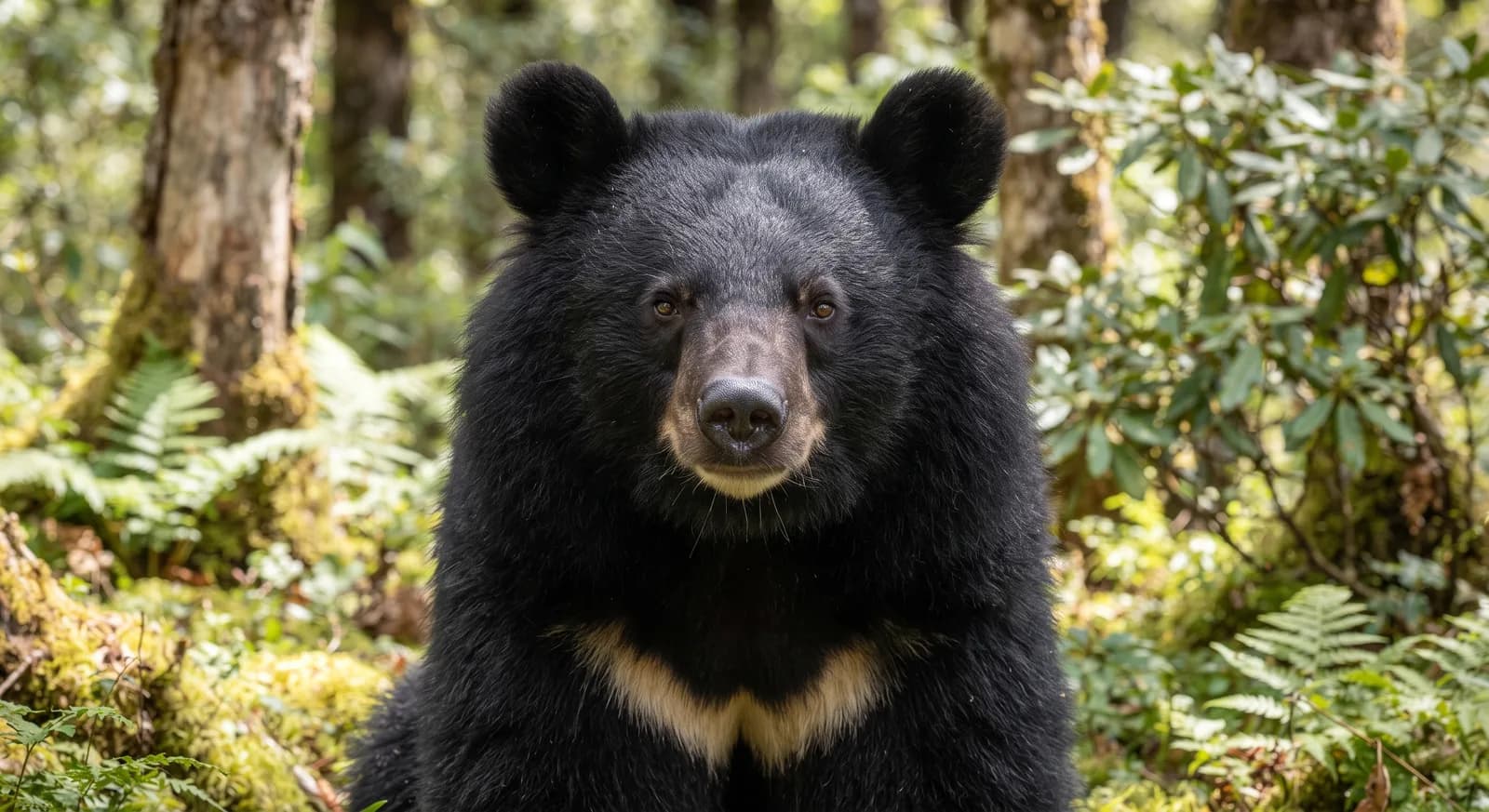
Asiatic Black Bear
Ursus thibetanus
 Least Concern
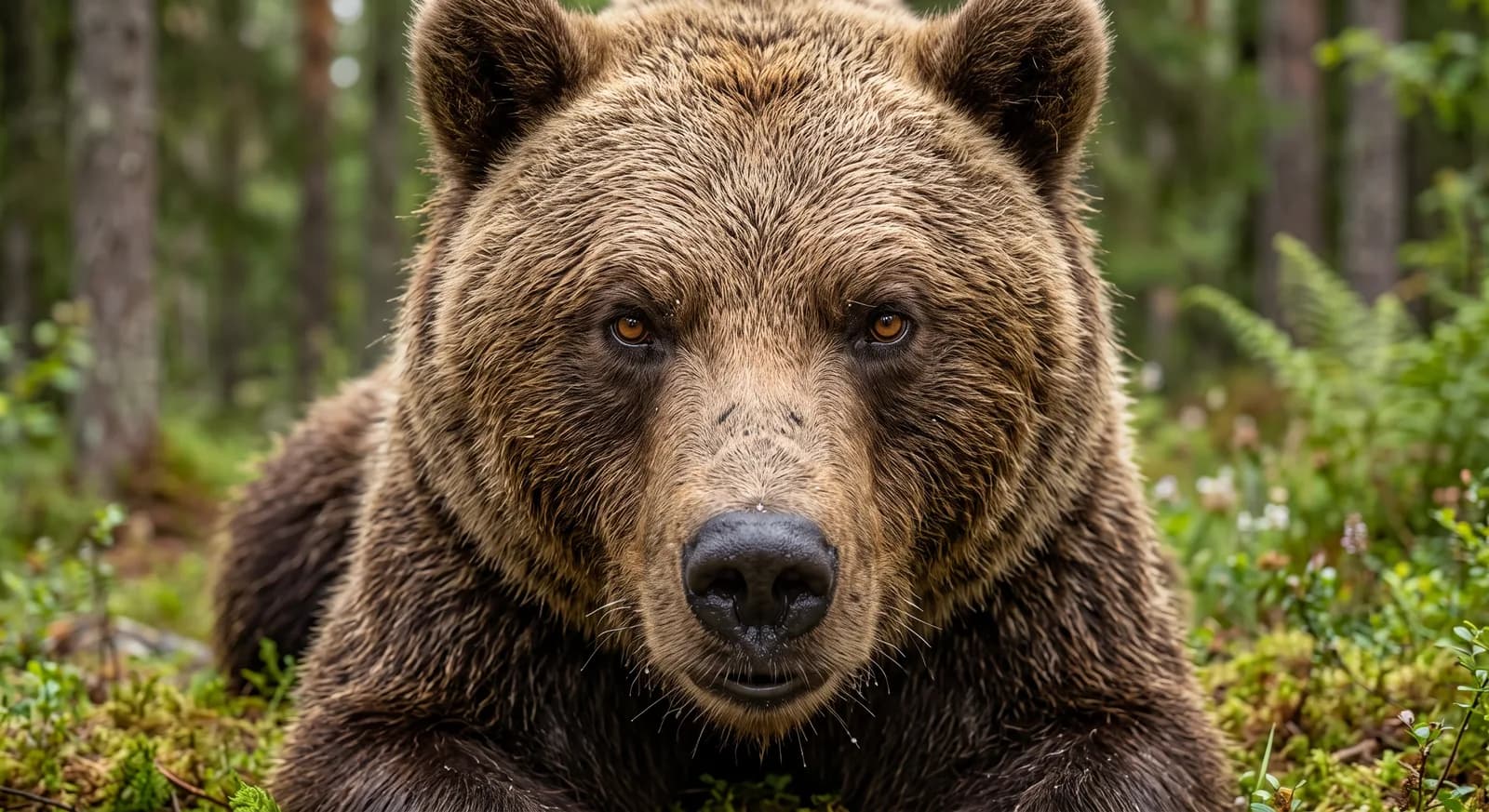
Brown Bear
Ursus arctos
Reeves' Muntjac
Muntiacus reevesi
 Vulnerable
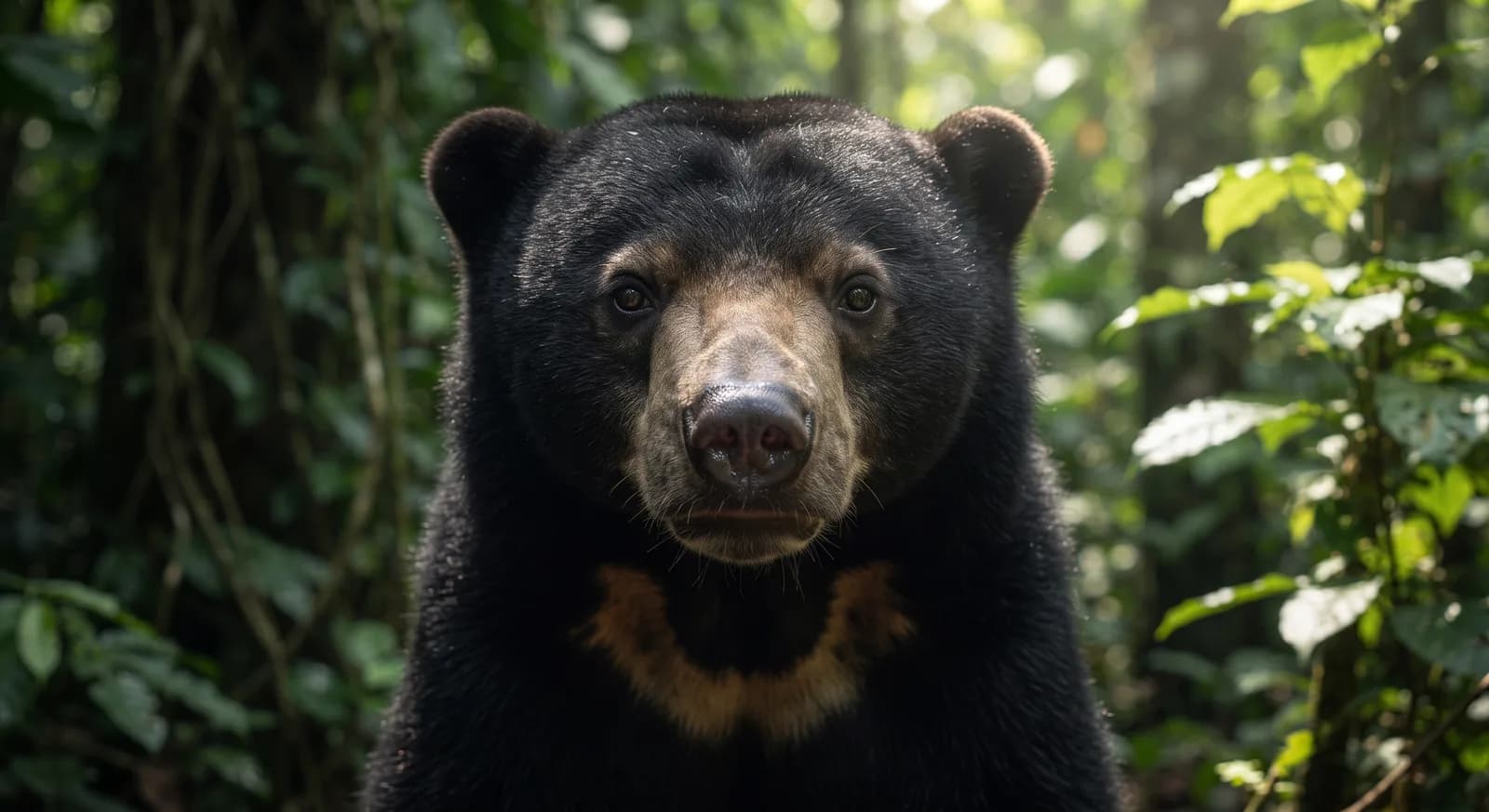
Sun Bear
Helarctos malayanus
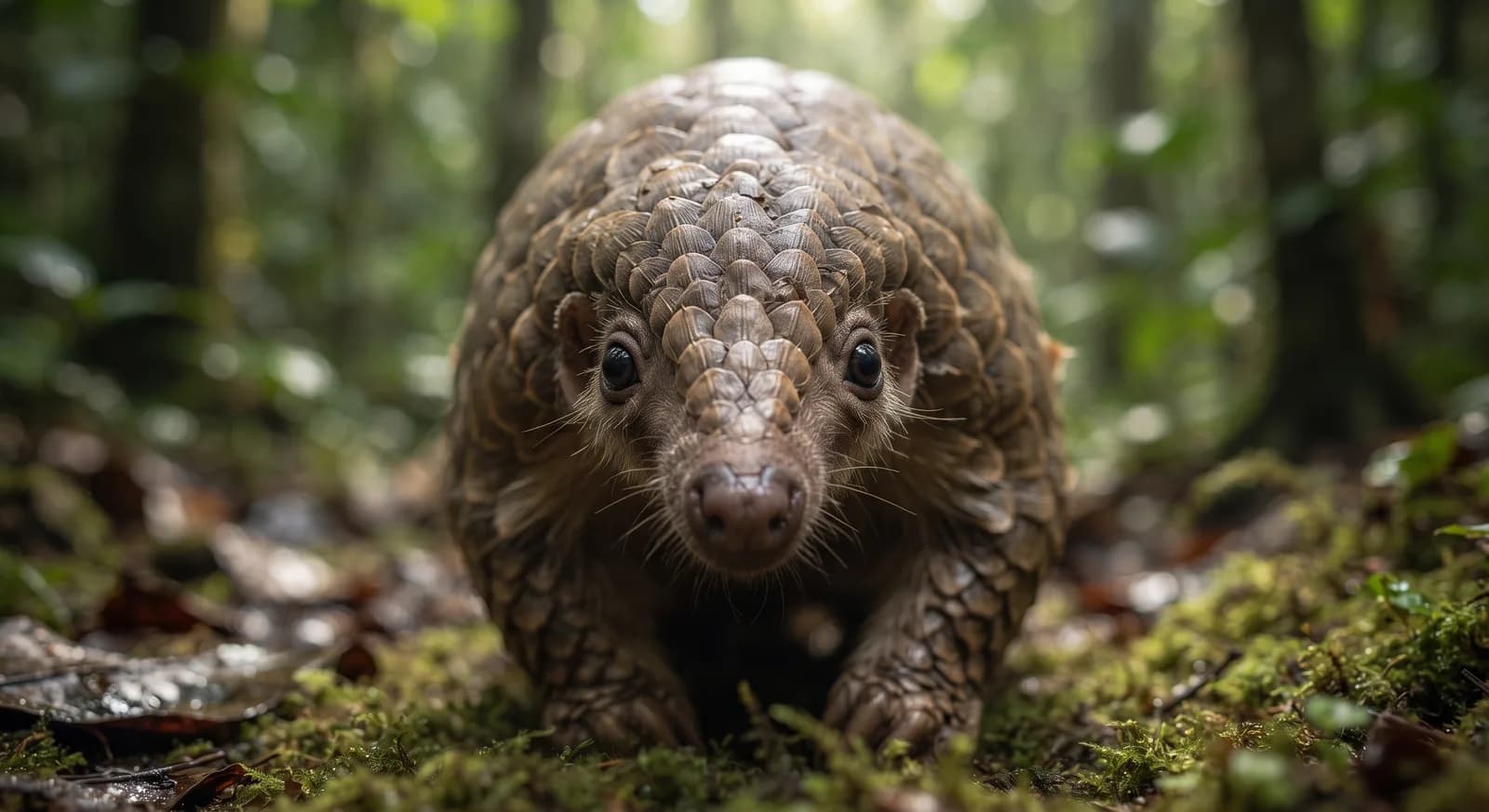 Critically Endangered
Chinese Pangolin
Manis pentadactyla
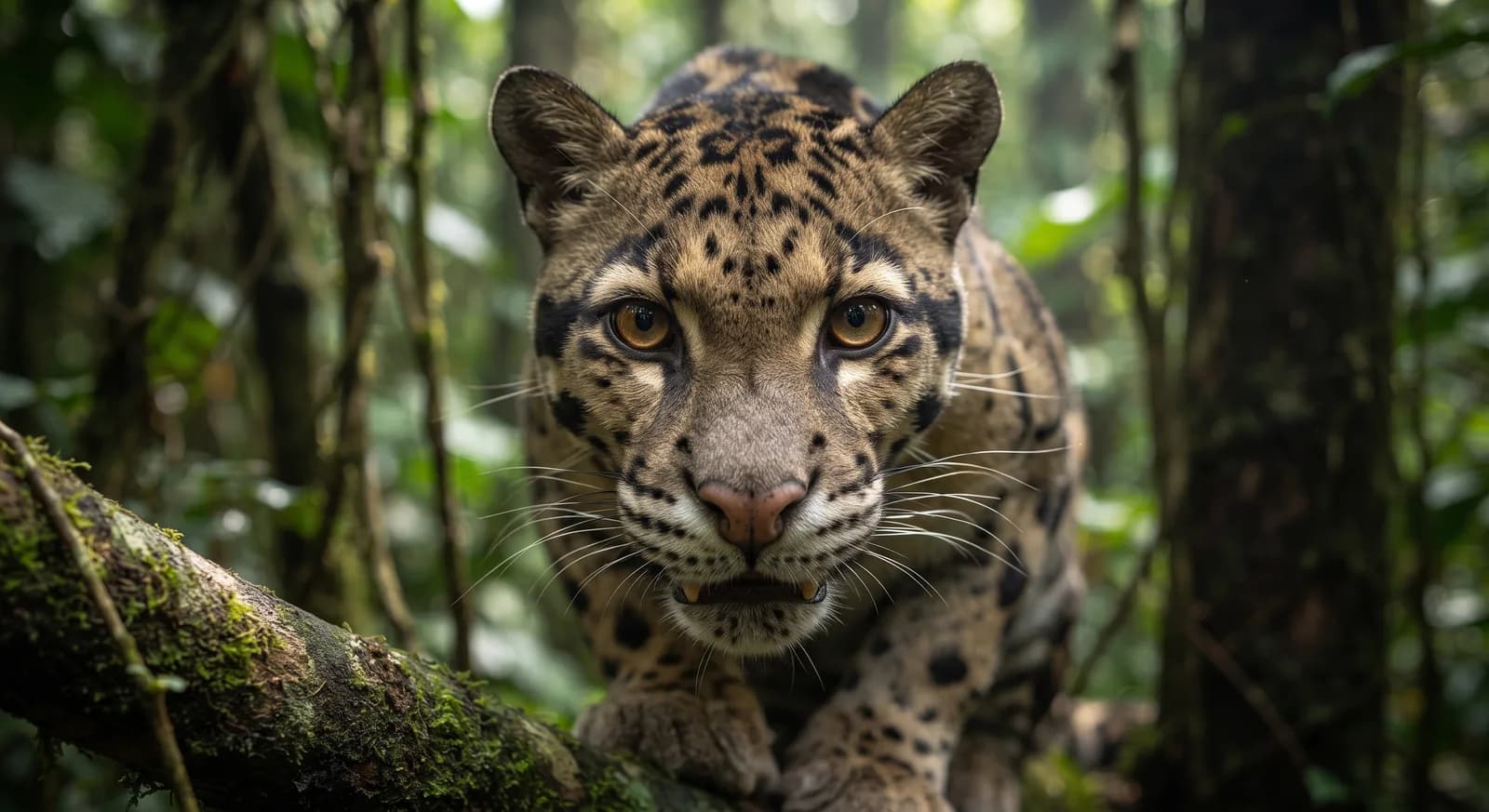 Vulnerable
Clouded Leopard
Neofelis nebulosa
How to help
The giant panda is classified as vulnerable. Organizations such as WWF work specifically on its conservation and that of its habitat; looking into their programs is a good starting point if you want to get involved.
It's documented in 6 real protected areas — part of why protecting these places matters for its conservation.
Keep exploring
Based on what we already know about giant panda.
Comments
Share an experience, a fun fact or a tip for seeing the giant panda.
Be the first to comment.