 Least Concern
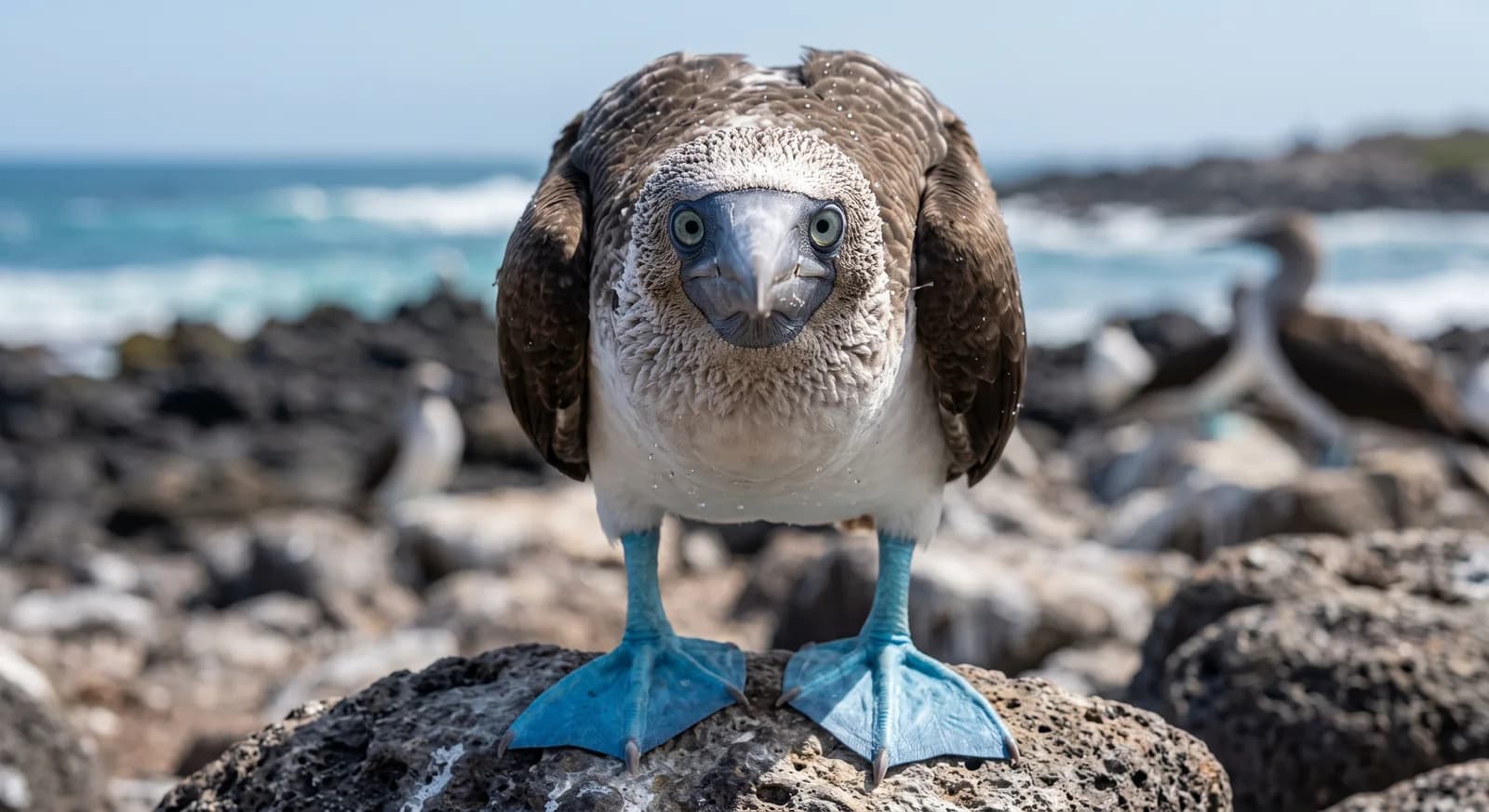
Blue-footed Booby
Sula nebouxii
Birds · Cuculiformes · Cuculidae
Coccyzus ferrugineus
At high risk of extinction in the wild over the medium term.
The Cocos cuckoo is endemic to a volcanic island of 24 square kilometres lying more than 500 kilometres off the coast of Costa Rica. It is reddish brown with a cinnamon belly and moves unobtrusively through the understorey hunting large insects. Unlike many cuckoos, it is not a brood parasite: it builds its own nest and raises its own chicks.
Weight
35 g – 50 g
Size
20 cm – 23 cm
Life expectancy
8 years
Diet
Insectivore
Feeds mainly on insects and other invertebrates.
Activity
Diurnal
Active mainly during the day.
Social structure
In pairs
Usually lives in pairs, sometimes for life.
Estimated population
Between 1,000 and 2,500 mature individuals
Sources consulted: IUCN Red List · Animal Diversity Web · Wikipedia (es)
The pins mark the parks where its presence is documented.
Parks and dive sites where this species has been documented.
Other species in the catalogue with the most in common with Cocos Cuckoo — same habitat, park, country, tags or family.
The cocos cuckoo is classified as vulnerable. Organisations such as the IUCN, WWF and the Wildlife Conservation Society work specifically on its conservation and that of its habitat; looking into their programmes is a good starting point if you want to get involved.
It's documented in 1 protected area — one reason why protecting these places matters for its conservation.
Based on what we already know about cocos cuckoo.