Skip to content
WAnimals
  • Map
  • Species
  • Parks
  • Diving
Log inCreate account
WAnimals

The guide for travellers and animal lovers: discover, plan and share your wild adventures around the world.

Discover wildlife

  • Species
  • Ecosystems
  • Glossary
  • Tags

Explore places

  • Map
  • Countries
  • Parks
  • Diving

Plan experiences

  • Guides

Learn

  • Blog

Resources

  • Help centre
  • Contact
  • Install the app

Follow us

Account

  • Log in
  • Create account

© 2026 WAnimals. All rights reserved.

About usHow we build our profilesTerms of servicePrivacyLegal notice
MapSpeciesParksDiving
  1. Home
  2. Species
  3. Cocos Finch

One of the 4 finches on WAnimals

Birds · Passeriformes · Thraupidae

Cocos Finch

Pinaroloxias inornata

Vulnerable

At high risk of extinction in the wild over the medium term.

Spotted something wrong?

The Cocos finch is the only one of Darwin's finches that does not live in the Galápagos: it belongs to the same group as those, but it colonised an island more than 700 kilometres away. Its history is the reverse of its relatives': instead of diversifying into several species with different bills, it stayed as a single one that does everything.

Weight

12 g – 18 g

Size

11 cm – 13 cm

Life expectancy

8 years

Diet

Omnivore

Combines animal and plant food depending on availability.

Activity

Diurnal

Active mainly during the day.

Social structure

In pairs

Usually lives in pairs, sometimes for life.

Sighting difficulty

Moderate

Estimated population

Around 5,000 mature individuals

RainforestIslands
1countries1parks7same family

Fun facts

  • It is the only one of Darwin's finches outside the Galápagos, and its history is the reverse of its relatives': where they split into more than a dozen specialised species, it remained a single one that exploits every resource.
  • Each individual develops its own feeding technique and keeps it for life: some probe bark, others look for nectar, others catch insects in flight, and that individual specialisation takes the place of speciation.
  • That phenomenon, individual specialisation within a single species, is studied as an alternative to adaptive radiation and has made this finch a celebrated case in evolutionary ecology.

Life cycle and biology

Skeleton type
Vertebrate - internal bony skeleton (bird)
Habitat and environment
Rainforest, scrub and coastal edge of Cocos Island, in the Costa Rican Pacific
Sexual maturity
12 months
Gestation / incubation
14 days of incubation
Litter / clutch size
2 eggs

Sources consulted: https://es.wikipedia.org/wiki/Pinaroloxias_inornata

Where to find it

Loading map…

The pins mark the parks where its presence is documented.

Where to see it

Parks and dive sites where this species has been documented.

Related species

Other species in the catalogue with the most in common with Cocos Finch — same habitat, park, country, tags or family.

Shares a park
Shares a park
Same taxonomic family
Shares a park
Shares a park
Shares a park

How to help

The cocos finch is classified as vulnerable. Organisations such as the IUCN, WWF and the Wildlife Conservation Society work specifically on its conservation and that of its habitat; looking into their programmes is a good starting point if you want to get involved.

It's documented in 1 protected area — one reason why protecting these places matters for its conservation.

Keep exploring

Based on what we already know about cocos finch.

Comments

Share an experience, a fun fact or a tip for seeing the cocos finch.

Be the first to comment.
See full glossary
This page in other languages: Español · Deutsch · Français · Português · Italiano
See its range on the interactive map→
Cocos IslandCosta Rica
Vulnerable

Cocos Cuckoo

Coccyzus ferrugineus

Vulnerable

Cocos Tyrannulet

Nesotriccus ridgwayi

Least Concern

Scarlet-rumped Tanager

Ramphocelus passerinii

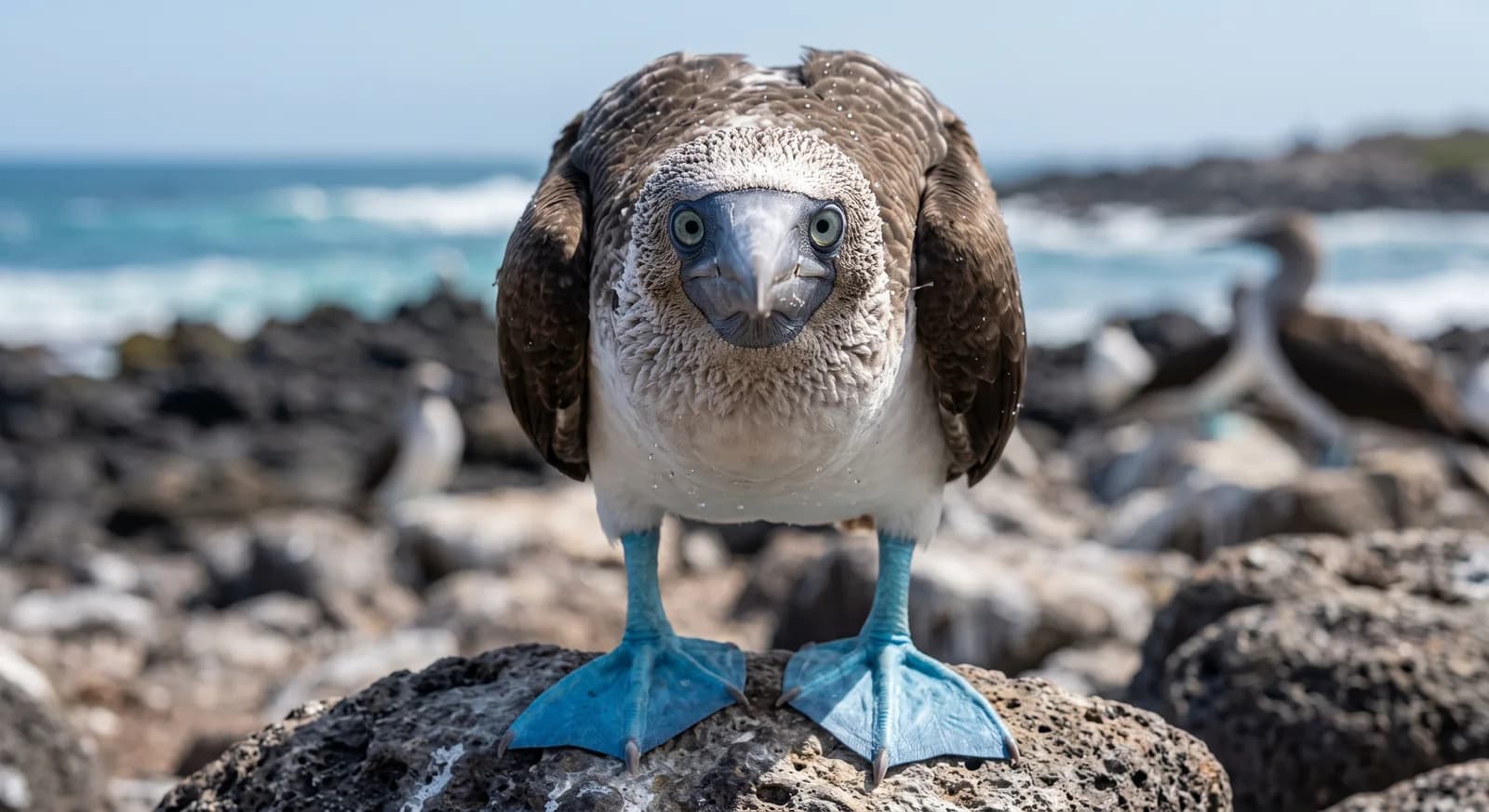
Blue-footed BoobyLeast Concern

Blue-footed Booby

Sula nebouxii

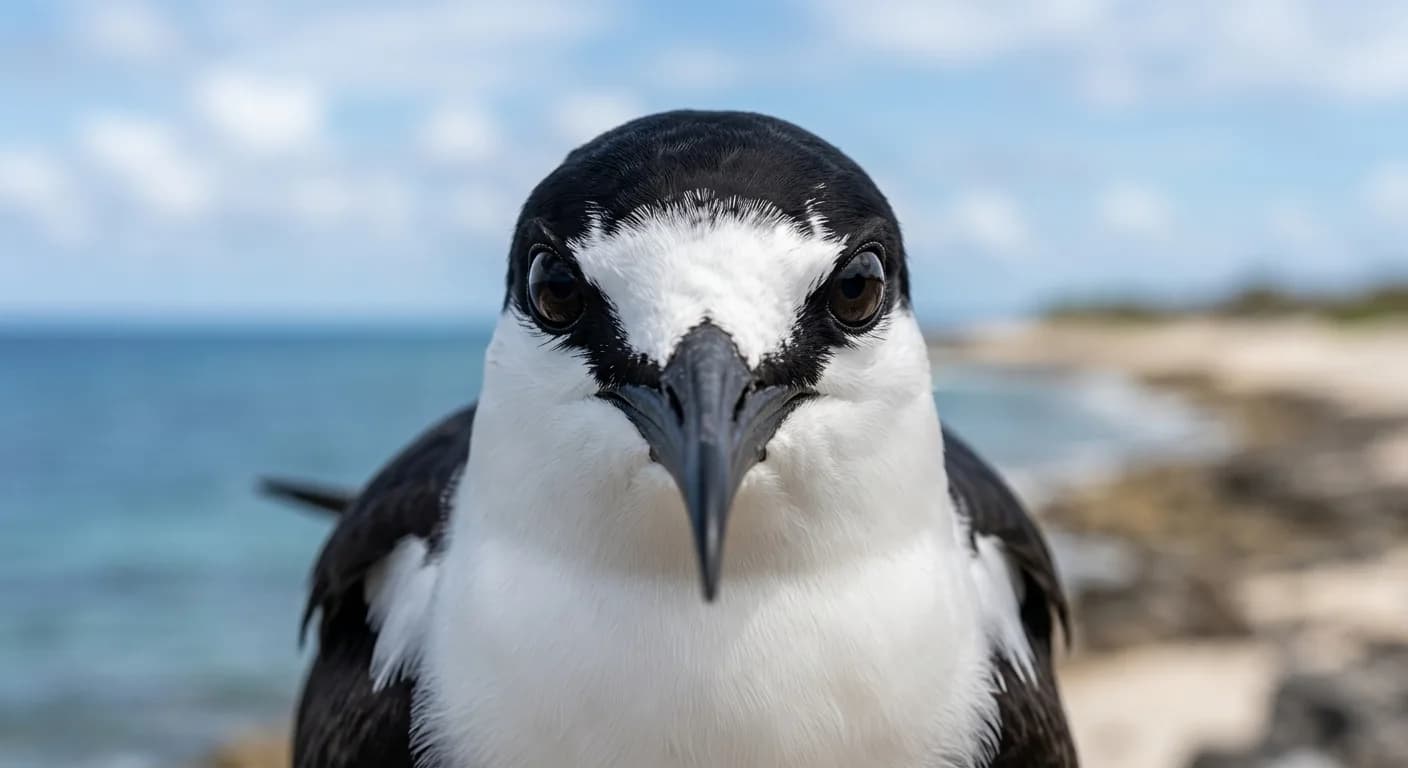
Sooty TernLeast Concern

Sooty Tern

Onychoprion fuscatus

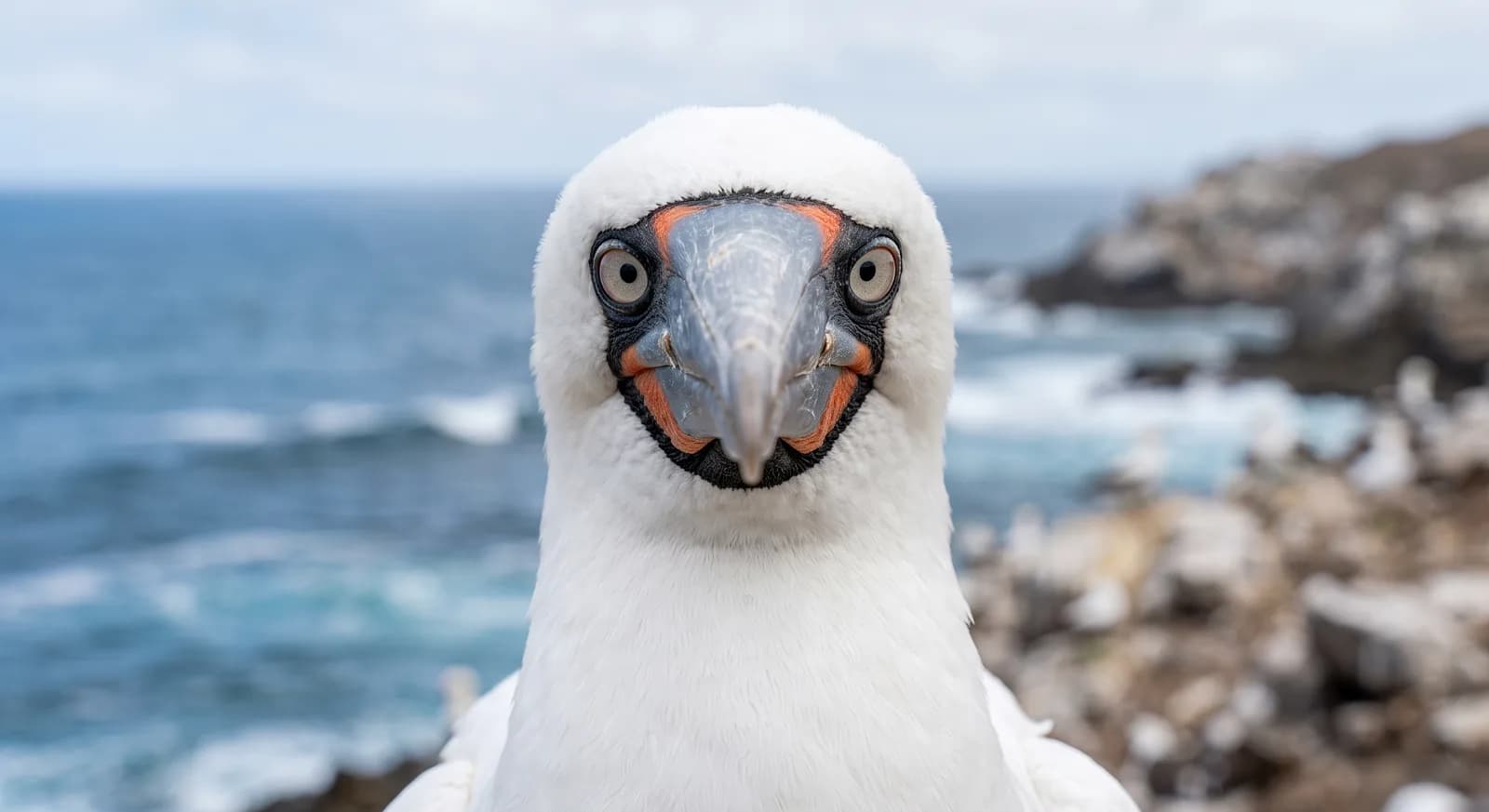
Nazca BoobyLeast Concern

Nazca Booby

Sula granti

CountriesCosta Rica
ParksCocos IslandCosta Rica
TagsOmnivore
Omnivore
Diurnal
In pairs
Vulnerable
Bird
Rainforest
Islands
Costa Rica