Amphibians · Caudata · Ambystomatidae
Axolotl
Ambystoma mexicanum
It faces an extremely high risk of imminent extinction in the wild. See full glossary
It is famous for its exceptional ability to regenerate limbs, organs and even parts of the brain, which makes it a key model for biomedical research.
Weight
60 g – 300 g
Size
15 cm – 30 cm
Lifespan
6 years
Diet
Carnivore
Feeds mainly on other animals.
Activity
Nocturnal
Active mainly at night.
Social structure
Solitary
Lives and hunts alone, joining others only to breed.
Sighting difficulty
Very hard
Estimated population
Between 50 and 1,000 animals in the wild according to the most recent estimate, all in the canal system of Xochimilco (Mexico City); its area of occupancy is put at 467 km²
Fun facts
- It can regenerate limbs, organs and even parts of the brain.
- Its habitat is now reduced to Lake Xochimilco in Mexico City alone.
- Its wild population is estimated at fewer than 1,000.
- regeneraciónIt can regrow whole limbs, parts of the heart and even brain tissue, generally without scarring.
- biologíaUnlike other salamanders it keeps larval features such as external gills permanently, even as a sexually mature adult, a phenomenon called neoteny.
Life cycle & biology
- Skeleton type
- Vertebrate - internal bony skeleton (neotenic amphibian, retaining larval traits as an adult)
- Habitat & environment
- Lake Xochimilco in Mexico City alone (historically also the drained Lake Chalco)
- Birth weight
- Hatches from the egg after 10-14 days of incubation; microscopic at birth
- Size at birth
- A tiny larva on hatching from the egg
- Sexual maturity
- 6-12 months
- Gestation / incubation
- 10-14 days of egg development
- Litter / clutch size
- 100 to 1,000 eggs per clutch (average ~300)
- Lifespan in captivity
- Up to 10-21 years documented in captivity
Sources consulted: Carpenter Nature Center; AboutAnimals.com; Animal Diversity Web; AnAge (genomics.senescence.info); SeaWorld/Busch Gardens; National Geographic; Britannica Kids; IUCN Red List (En peligro crítico): pérdida estimada de al menos el 80 % de la población en tres generaciones; la densidad cayó de 6.000 ejemplares/km² en 1998 a 100 en 2008 y menos de 35 en 2014 || IUCN Red List, evaluación de Ambystoma mexicanum; Voss et al. 2015 || Recuero et al. 2010, Annales Zoologici Fennici; Ramos et al. 2025, PLOS ONE (seguimiento por telemetría de ejemplares reintroducidos)
Where to find it
See its range on the interactive mapBest time: Practically impossible to see in the wild: the monthly surveys in Xochimilco have not detected it since 2017. It is easily seen in aquariums and breeding centres, and captive-bred animals are being reintroduced onto restored chinampas
Related species
Other species in the catalogue with the most in common with Axolotl — same habitat, park, country, tags or family.
Eastern Tiger Salamander
Ambystoma tigrinum
Spotted Salamander
Ambystoma maculatum
Water Opossum
Chironectes minimus
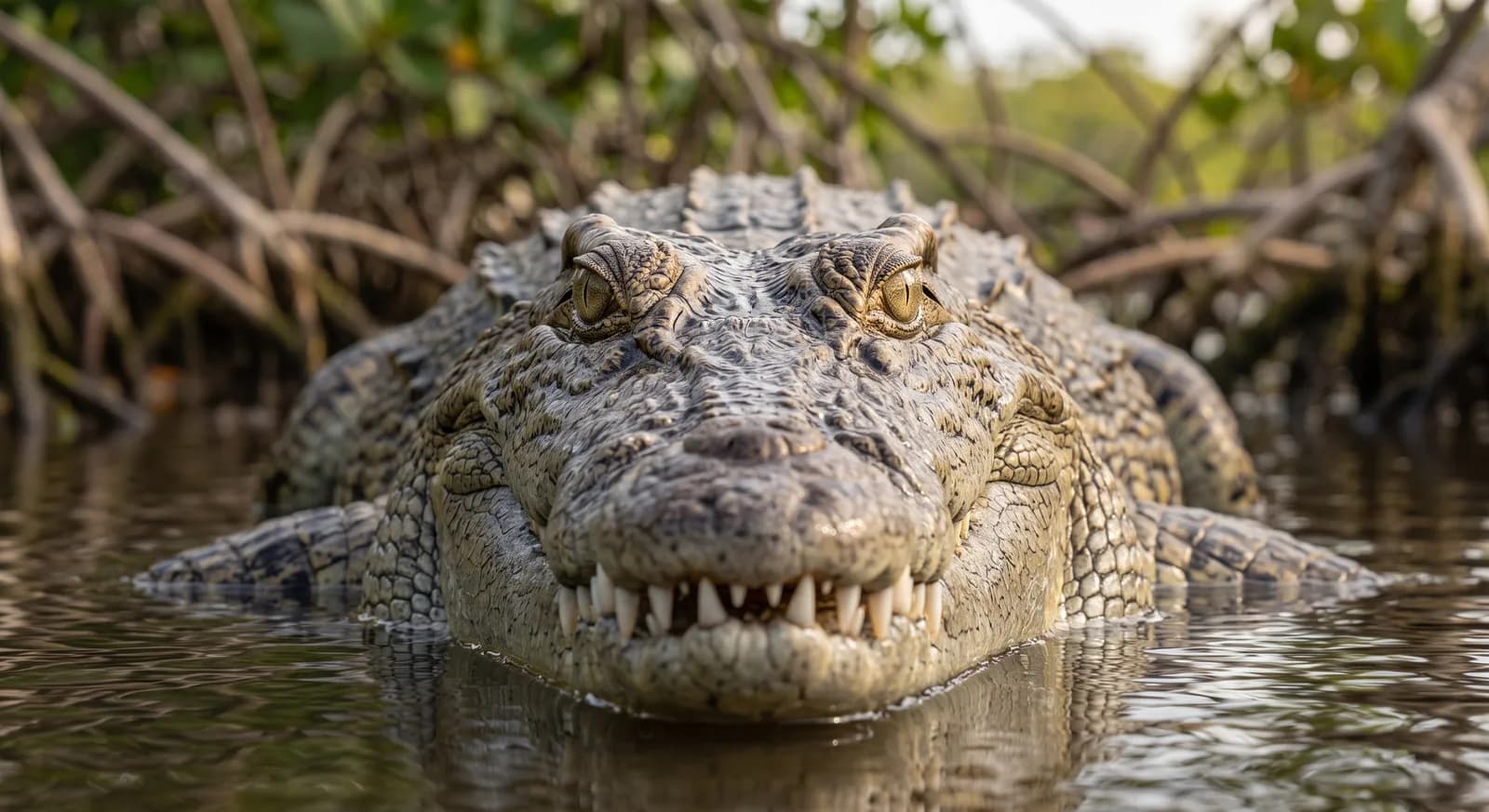 Vulnerable
American Crocodile
Crocodylus acutus
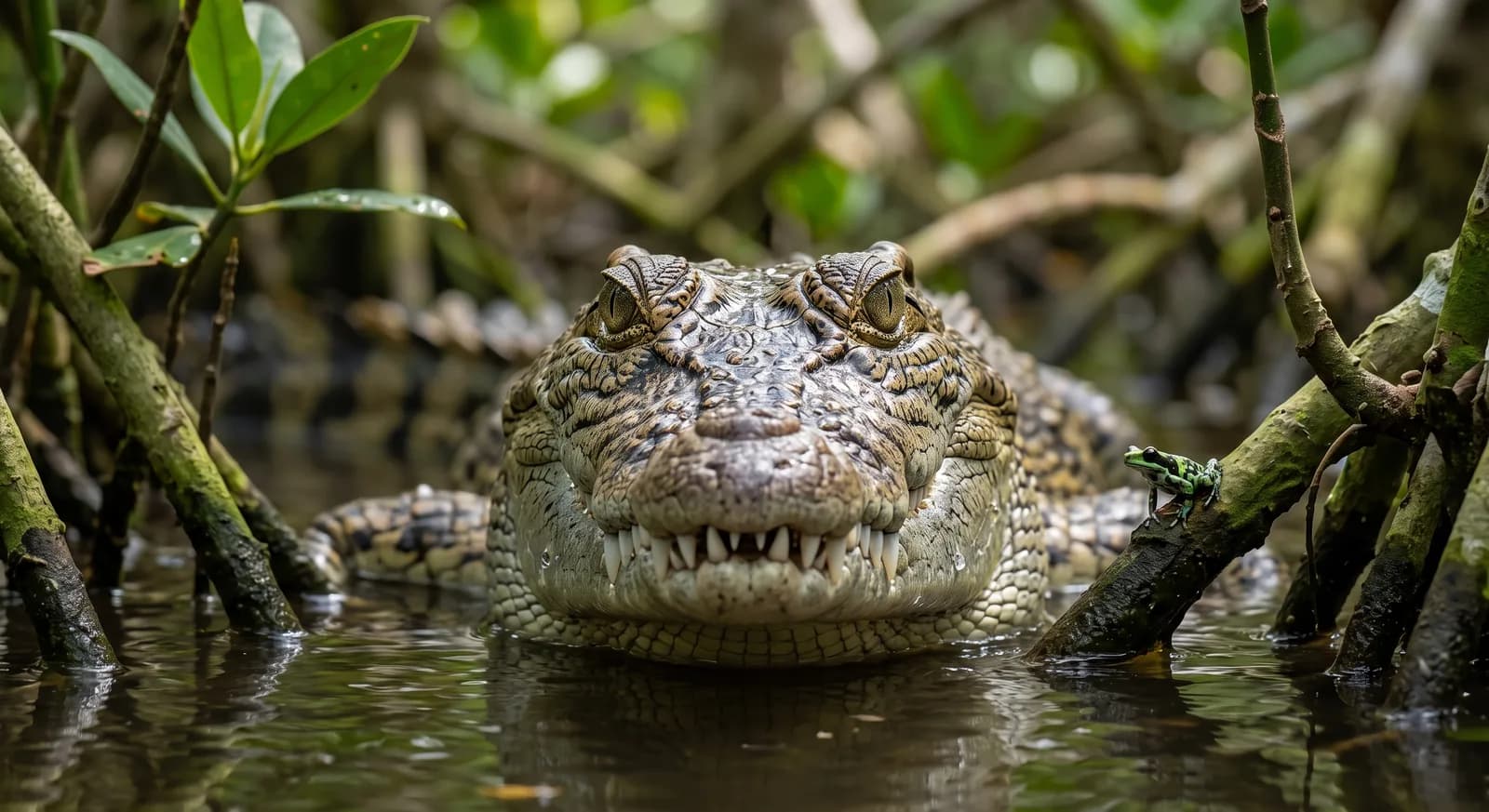 Least Concern
Morelet's Crocodile
Crocodylus moreletii
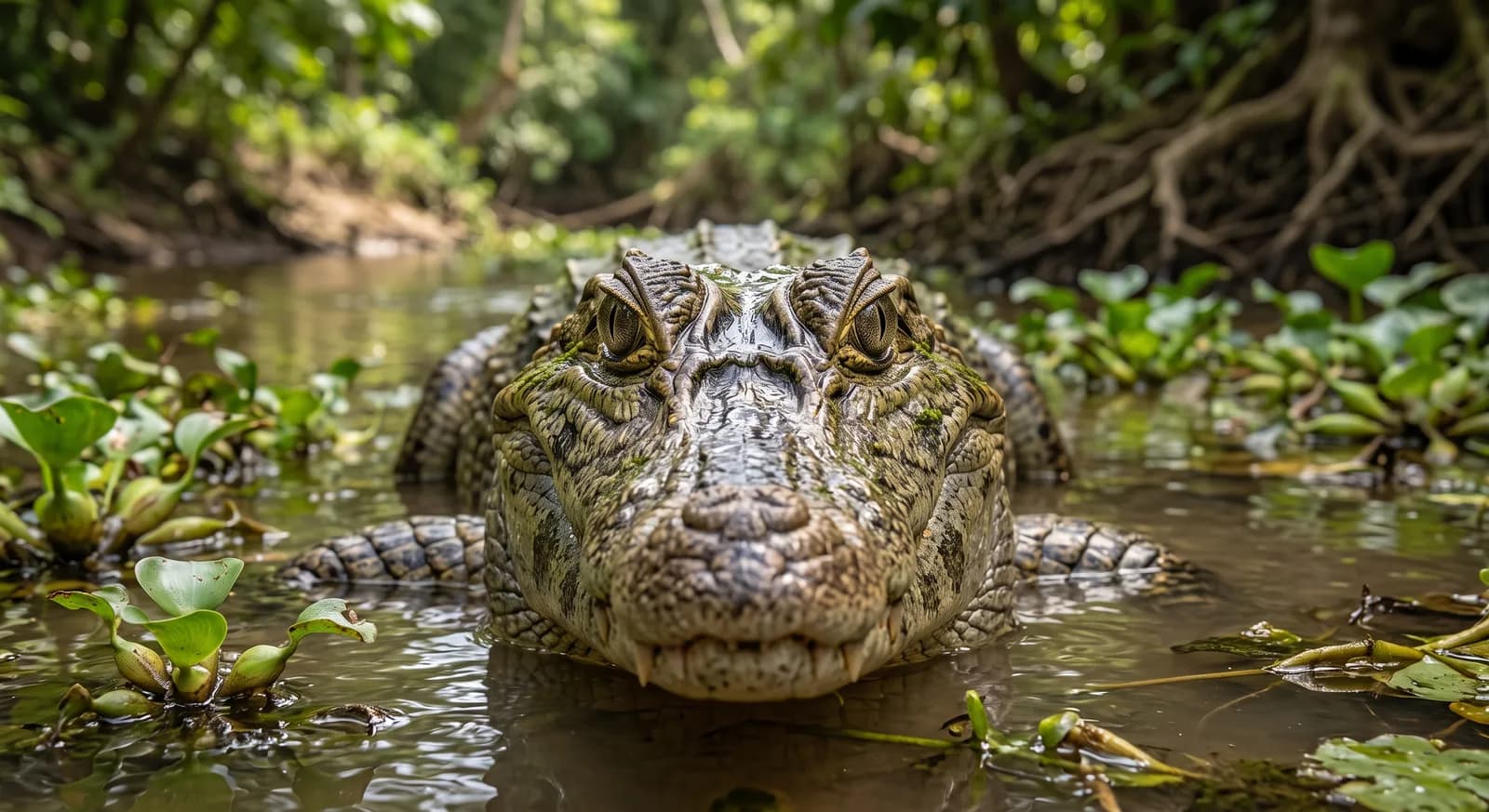 Least Concern
Spectacled Caiman
Caiman crocodilus
How to help
The axolotl is classified as critically endangered. Organizations such as UICN, WWF y Wildlife Conservation Society work specifically on its conservation and that of its habitat; looking into their programs is a good starting point if you want to get involved.
Keep exploring
Based on what we already know about axolotl.
Comments
Share an experience, a fun fact or a tip for seeing the axolotl.
Be the first to comment.