Mammals · Carnivora · Mustelidae
Ferret
Mustela putorius furo
It has not yet been assessed against the IUCN criteria. See full glossary
The ferret is the domestic form of the European polecat (Mustela putorius), domesticated more than 2,000 years ago to hunt rabbits inside their burrows, a practice known as ferreting. It is a strict carnivore with a very fast gut transit, of barely three or four hours, which obliges it to eat several times a day. It sleeps between 14 and 18 hours a day and is most active at dawn and dusk. Today it is a common pet and also a laboratory animal in influenza research.
Weight
600 g – 2 kg
Size
35 cm – 50 cm
Lifespan
8 years
Diet
Carnivore
Feeds mainly on other animals.
Activity
Crepuscular
Active above all at dawn and dusk.
Social structure
Solitary
Lives and hunts alone, joining others only to breed.
Sighting difficulty
Unknown
Fun facts
- GeneralDomesticated some 2,500 years ago to bolt rabbits from their burrows; it sleeps between 14 and 18 hours a day.
- Females are induced ovulators: if they come into season and are neither mated nor spayed, the persistent oestrogen can cause fatal aplastic anaemia.
- It is one of the three domestic species historically used for hunting, along with the dog and the falcon.
Life cycle & biology
- Skeleton type
- Vertebrate - internal bony skeleton (mammal)
- Habitat & environment
- Domestic; its ancestor lives in woodland and farmland
- Sexual maturity
- 7 months
- Gestation / incubation
- 42 days
- Litter / clutch size
- 6
Sources consulted: https://es.wikipedia.org/wiki/Mustela_putorius_furo
Related species
Other species in the catalogue with the most in common with Ferret — same habitat, park, country, tags or family.
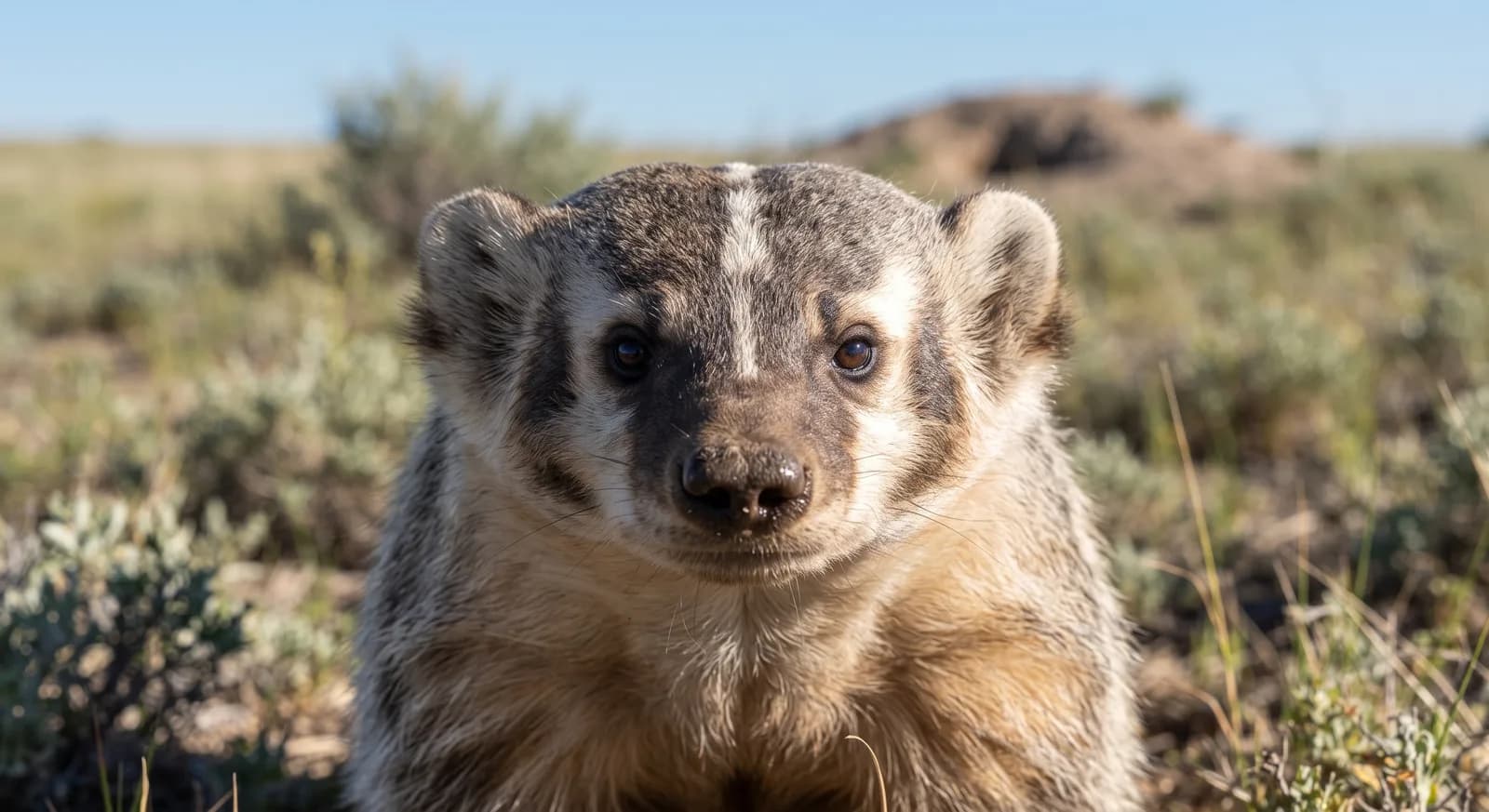 Least Concern
American Badger
Taxidea taxus
Japanese Badger
Meles anakuma
Least Weasel
Mustela nivalis
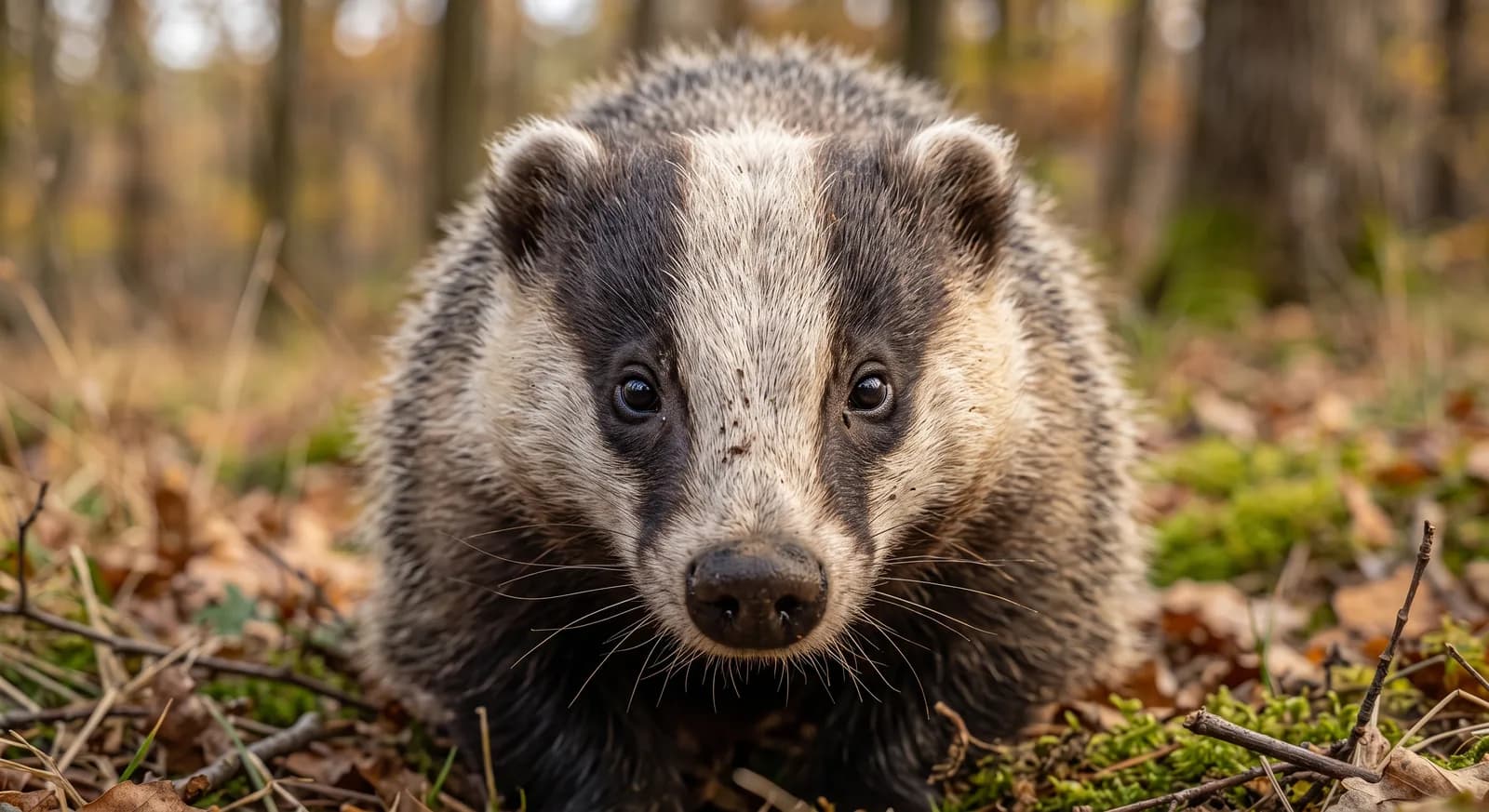 Least Concern
Asian Badger
Meles leucurus
Polecat
Mustela putorius
Zorilla
Ictonyx striatus
Keep exploring
Based on what we already know about ferret.
Comments
Share an experience, a fun fact or a tip for seeing the ferret.
Be the first to comment.